

Coffee Energy Star 20:1 AP has started gaining attention among coffee enthusiasts who want a stronger, more concentrated brew without relying on canned energy drinks. Whether you are experimenting with high-strength coffee concentrates for productivity, workouts, or intense flavor, learning how to make Coffee Energy Star 20:1 AP correctly can completely change the way you approach coffee brewing.
This guide breaks down everything you need to know, from understanding the 20:1 AP ratio to choosing the best beans, equipment, and brewing techniques. You’ll also learn how to avoid bitter over-extraction, improve flavor balance, and safely enjoy a high-caffeine coffee concentrate at home.
In This Article
What Is Coffee Energy Star 20:1 AP and Why Are People Talking About It?
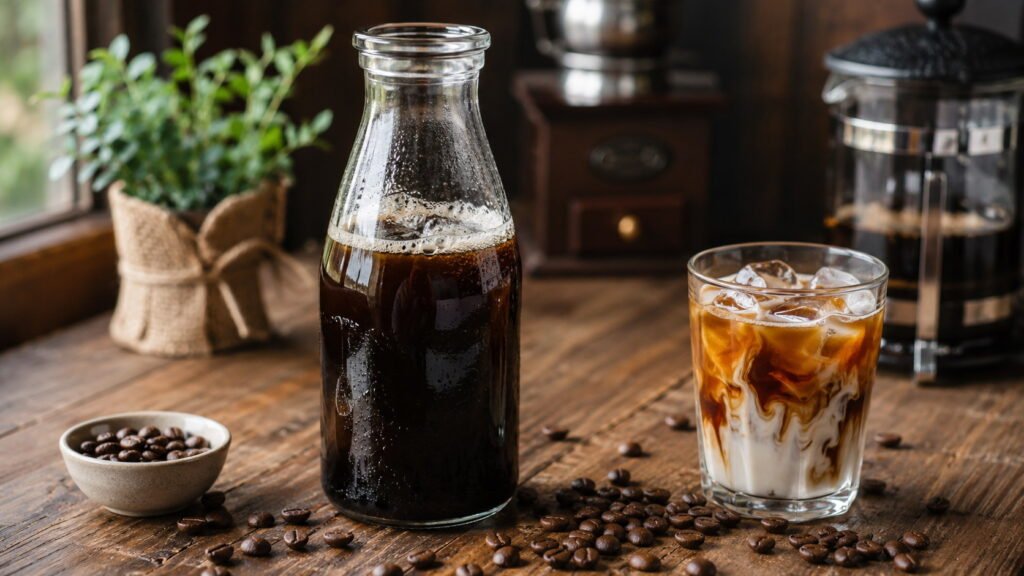
Coffee Energy Star 20:1 AP is essentially a highly concentrated coffee preparation designed to deliver a stronger caffeine punch and a bold flavor profile. Unlike a standard drip coffee, which is brewed for balanced sipping, this style focuses on intensity and versatility.
Many people use it as:
- A concentrated base for iced coffee drinks
- A homemade coffee energy shot
- A quick pre-workout beverage
- A productivity-focused caffeine boost
- A customizable coffee concentrate for meal prep
The “20:1 AP” terminology usually refers to a concentrated preparation ratio or formulation approach where coffee is brewed far stronger than traditional methods. Since brewing interpretations can vary, consistency becomes extremely important if you want reliable flavor and caffeine levels.
Why Concentrated Coffee Is Trending
Concentrated coffee has become more popular because it solves several common coffee problems at once.
It saves time. One batch can last several days.
It offers flexibility. You can dilute it with water, milk, ice, or protein shakes.
It delivers stronger caffeine levels without needing multiple cups of coffee throughout the day.
Cold brew concentrates and espresso-based energy drinks helped push this trend forward, but homemade concentrates like Coffee Energy Star 20:1 AP give you more control over ingredients and strength.
How It Differs From Regular Coffee
Traditional drip coffee usually uses a relatively balanced brew ratio aimed at immediate drinking. Coffee Energy Star 20:1 AP is different because it is intentionally concentrated.
Here’s a simple comparison:
| Coffee Style | Typical Strength | Best Use |
| Drip Coffee | Mild to medium | Everyday drinking |
| Espresso | Highly concentrated | Quick shots and milk drinks |
| Cold Brew Concentrate | Smooth and strong | Diluted iced coffee |
| Coffee Energy Star 20:1 AP | Very concentrated | Energy-focused coffee applications |
Flavor also changes dramatically with concentration. Expect:
- More body
- Stronger bitterness if brewed incorrectly
- Heavier mouthfeel
- More intense aroma
- Higher perceived caffeine impact
Who Should Try Coffee Energy Star 20:1 AP?
This brewing style works best for people who enjoy bold coffee and want maximum efficiency from their brew.
You may enjoy it if you:
- Prefer strong coffee flavors
- Need a quick caffeine boost
- Like making coffee in batches
- Enjoy experimenting with brew ratios
- Want a customizable coffee base
People sensitive to caffeine should approach concentrated coffee carefully. Small serving sizes are usually the best starting point.
Understanding the 20:1 Ratio Before You Brew
One of the biggest mistakes beginners make when learning how to make Coffee Energy Star 20:1 AP is misunderstanding the ratio itself. Precision matters more here than with regular coffee because small changes can dramatically affect taste and caffeine concentration.
What Does 20:1 Actually Mean?
In coffee brewing, ratios describe the relationship between water and coffee grounds.
A standard drip coffee often falls somewhere around:
- 15:1
- 16:1
- 17:1
That means 15–17 grams of water for every gram of coffee.
Coffee Energy Star 20:1 AP approaches brewing differently because the goal is concentration and energy density rather than casual sipping. Depending on interpretation, the ratio may refer to:
- Concentrate dilution
- Extraction formulation
- Serving concentration
- Batch preparation standards
Because of this variation, many home brewers focus less on strict terminology and more on achieving the desired strength consistently.
Why Ratios Matter More Than You Think
Incorrect ratios can ruin a concentrated brew quickly.
Too much coffee can create:
- Harsh bitterness
- Muddy texture
- Overwhelming caffeine levels
Too much water can cause:
- Weak flavor
- Thin body
- Underwhelming energy effect
Strong concentrates require balance, not just intensity.
Recommended Starting Point for Beginners
If you are making Coffee Energy Star 20:1 AP at home for the first time, start conservatively.
A practical beginner-friendly concentrate setup:
| Ingredient | Amount |
| Coffee | 100 grams |
| Water | 500–700 ml |
| Brew Time | 12–18 hours (cold brew) |
This produces a strong concentrate without becoming unpleasantly bitter.
Once comfortable, you can experiment with:
- Finer grind sizes
- Longer extraction times
- Different roast levels
- Higher coffee doses
Grind Size Changes Everything
Grind size becomes even more important in concentrated brewing.
| Brewing Method | Recommended Grind |
| French Press | Coarse |
| Cold Brew | Extra coarse |
| AeroPress | Medium-fine |
| Espresso-style concentrate | Fine |
A grind that is too fine can over-extract quickly, especially in immersion brewing methods.
A grind that is too coarse may create weak concentrate with poor flavor development.
Essential Ingredients for Making Coffee Energy Star 20:1 AP
Great concentrate starts with great ingredients. Since this brewing method amplifies flavor intensity, low-quality beans or poor water can become very noticeable.
Choosing the Right Coffee Beans
Medium-dark and dark roast beans usually perform best for Coffee Energy Star 20:1 AP because they provide:
- Lower perceived acidity
- Fuller body
- Chocolate and caramel flavor notes
- Smoother finish in concentrated form
Light roasts can work, but they often become overly sharp or acidic when heavily concentrated.
Best Bean Origins for Strong Concentrates
Certain origins naturally work well for concentrated brewing.
| Origin | Typical Flavor Notes |
| Brazil | Chocolate, nuts, low acidity |
| Sumatra | Earthy, bold, syrupy |
| Colombia | Balanced sweetness |
| Guatemala | Cocoa and spice |
Blends are often easier for beginners because they provide balance and consistency.
Water Quality Matters More Than Most People Realize
Coffee is mostly water, so poor-quality water creates poor coffee.
Filtered water is ideal because it:
- Reduces chlorine taste
- Improves extraction consistency
- Enhances sweetness
- Prevents harsh mineral flavors
Extremely hard water can flatten delicate flavor notes and increase bitterness in concentrates.
Optional Add-Ins for an Energy-Style Coffee
Some people customize Coffee Energy Star 20:1 AP with functional ingredients.
Popular additions include:
- Electrolyte powder
- Collagen peptides
- Protein powder
- Cinnamon
- Vanilla extract
- MCT oil
- Unsweetened cocoa powder
Keep additions minimal during brewing itself. Most ingredients work better when mixed into the final drink after dilution.
Sweeteners That Work Best
Concentrated coffee can taste intense, so many people soften the edges slightly with sweeteners.
Good options include:
- Maple syrup
- Honey
- Brown sugar syrup
- Stevia
- Coconut sugar
Liquid sweeteners dissolve more evenly in cold coffee concentrates than granulated sugar.
Best Equipment for Brewing Coffee Energy Star 20:1 AP at Home
The right equipment can make Coffee Energy Star 20:1 AP smoother, cleaner, and much more consistent. You do not need expensive gear to make a strong concentrate, but certain tools help control extraction and flavor more effectively.
French Press vs AeroPress vs Cold Brew Systems
Each brewing method produces a different style of concentrate.
| Brewing Method | Strength | Flavor Profile | Best For |
| French Press | Strong | Heavy body, bold | Easy batch brewing |
| AeroPress | Intense | Clean and focused | Quick single servings |
| Cold Brew System | Very smooth | Low acidity | Large concentrate batches |
A French press is usually the easiest starting point because it handles coarse grounds well and requires minimal setup.
AeroPress brewing creates a cleaner concentrate with less sediment, while cold brew systems produce the smoothest flavor for long-term storage.
Do You Need a Burr Grinder?
Pre-ground coffee works, but freshly ground beans dramatically improve concentrated coffee.
A burr grinder helps because it creates:
- More consistent extraction
- Better flavor clarity
- Reduced bitterness
- Improved caffeine efficiency
Blade grinders often produce uneven particles, which can lead to sour and bitter flavors appearing in the same cup.
Measuring Tools Matter More With Concentrates
Eyeballing measurements rarely works well for strong coffee concentrates.
Helpful tools include:
- Digital coffee scale
- Measuring pitcher
- Timer
- Thermometer for hot brewing
- Airtight glass bottles
Consistency is the secret to repeatable concentrate quality.
Even a small measuring error can noticeably change strength and flavor.
Best Storage Containers for Coffee Energy Star 20:1 AP
Concentrated coffee oxidizes quickly when exposed to air.
Glass containers with airtight lids work best because they:
- Preserve aroma longer
- Prevent flavor contamination
- Reduce oxidation
- Handle refrigeration safely
Avoid storing concentrate in thin plastic containers for extended periods, especially if the coffee is still warm.
Recommended Setup for Beginners
If you want a simple and affordable home setup, this combination works extremely well:
| Equipment | Recommended Purpose |
| French Press | Main brewing method |
| Burr Grinder | Fresh grinding |
| Digital Scale | Accurate ratios |
| Glass Bottle | Storage |
| Filtered Water Pitcher | Better extraction |
This setup keeps the brewing process simple while still producing a smooth, high-strength concentrate.
Step-by-Step: How to Make Coffee Energy Star 20:1 AP
Making Coffee Energy Star 20:1 AP at home is easier than many people expect. The key is controlling grind size, extraction time, and dilution rather than simply adding more coffee grounds.
Step 1: Measure Your Coffee and Water
Start with a balanced concentrate recipe before increasing strength aggressively.
A reliable starting recipe:
| Ingredient | Amount |
| Coffee Beans | 100 grams |
| Water | 600 ml |
This produces a concentrated brew strong enough for dilution while remaining drinkable.
Step 2: Grind the Coffee Correctly
Choose grind size based on your brewing method.
| Method | Grind Size |
| Cold Brew | Extra coarse |
| French Press | Coarse |
| AeroPress | Medium-fine |
Grinding too fine creates excessive bitterness and sludge.
Grinding too coarse weakens extraction and reduces body.
Step 3: Combine Coffee and Water
Add coffee grounds first, then slowly pour water evenly across the bed of coffee.
For cold brew concentrate:
- Use room-temperature or cold filtered water
- Stir gently to saturate all grounds
- Avoid aggressive stirring that over-agitates extraction
For hot brewing methods:
- Target water temperature around 195–205°F (90–96°C)
- Avoid boiling water directly on the grounds
Step 4: Brew for the Right Amount of Time
Brewing time changes the entire flavor profile.
| Method | Recommended Brew Time |
| Cold Brew | 12–18 hours |
| French Press | 4–6 minutes |
| AeroPress | 1–2 minutes |
Longer extraction creates more body and caffeine but can introduce bitterness if pushed too far.
Cold brew is especially forgiving for beginners because lower temperatures reduce harsh extraction.
Step 5: Filter Thoroughly
Proper filtration improves texture significantly.
Use:
- Metal mesh filter
- Paper filter
- Cheesecloth for cold brew
- Secondary fine filter if needed
A cleaner concentrate tastes smoother and stores better in the refrigerator.
Step 6: Dilute Before Drinking
Coffee Energy Star 20:1 AP is typically too strong to drink straight for most people.
A common serving method:
| Concentrate | Mixer |
| 1 part concentrate | 1–3 parts water or milk |
Experiment with dilution ratios until the flavor and caffeine strength feel balanced.
Step 7: Chill and Store Properly
Allow hot concentrate to cool before refrigeration.
Store in an airtight glass bottle and refrigerate immediately.
Most homemade concentrates taste best within:
- 5–7 days refrigerated
- 2–3 days for peak flavor freshness
How Strong Is Coffee Energy Star 20:1 AP?
One reason people search for how to make Coffee Energy Star 20:1 AP is the promise of higher caffeine concentration. Depending on your brewing method and bean selection, this style of coffee can become significantly stronger than standard drip coffee.
Estimated Caffeine Content Per Serving
Exact caffeine levels vary widely, but concentrated coffee is naturally much stronger than traditional brewed coffee.
Here’s a rough comparison:
| Beverage | Approximate Caffeine |
| Standard Drip Coffee (8 oz) | 80–120 mg |
| Espresso Shot | 60–75 mg |
| Cold Brew Concentrate (2 oz) | 100–200 mg |
| Coffee Energy Star 20:1 AP | Potentially 150–300+ mg |
Actual caffeine depends on:
- Bean variety
- Roast level
- Brew time
- Coffee-to-water ratio
- Serving size
Does Dark Roast Have More Caffeine?
Many people assume dark roast means stronger caffeine, but that is not always true.
Dark roast typically tastes bolder because of:
- Smokier flavor
- Reduced acidity
- Fuller body
Light roasts may actually retain slightly more caffeine by density, though the difference is usually small in practical brewing.
Signs Your Concentrate Is Too Strong
Overly concentrated coffee often creates unpleasant side effects before flavor becomes enjoyable.
Warning signs include:
- Excessive bitterness
- Jitteriness
- Rapid heartbeat
- Stomach discomfort
- Harsh aftertaste
A smoother concentrate usually indicates better extraction balance rather than weaker caffeine.
How to Reduce Strength Without Losing Flavor
If your Coffee Energy Star 20:1 AP feels overwhelming, you do not need to throw it away.
Try:
- Diluting with cold water
- Adding milk or oat milk
- Pouring over ice
- Mixing with protein shakes
- Reducing serving size
Small servings often work better than large cups with highly concentrated coffee.
The Best Way to Enjoy High-Concentrate Coffee
Most experienced coffee drinkers treat concentrates like espresso rather than regular coffee.
That means:
- Smaller portions
- Slower sipping
- Careful dilution
- Pairing with food when possible
Balanced concentrates provide strong energy while still tasting enjoyable instead of aggressively bitter.
Flavor Hacks That Make Coffee Energy Star 20:1 AP Taste Better
Strong coffee concentrates can taste incredible when balanced properly. Without a few adjustments, though, Coffee Energy Star 20:1 AP can quickly become overly bitter, smoky, or sharp.
Fortunately, small brewing tweaks make a massive difference.
Reduce Bitterness Without Weakening the Brew
Bitterness is usually caused by over-extraction rather than coffee strength itself.
You can improve flavor by:
- Using a slightly coarser grind
- Lowering brew temperature for hot methods
- Reducing extraction time
- Choosing lower-acid beans
- Filtering more thoroughly
Cold brewing naturally reduces bitterness because cooler water extracts fewer harsh compounds.
Choose Beans With Natural Sweetness
Some beans naturally create smoother concentrates.
Look for tasting notes such as:
- Chocolate
- Caramel
- Brown sugar
- Hazelnut
- Molasses
Brazilian and Colombian beans often work especially well because they produce sweetness even at high concentrations.
Milk and Dairy-Free Pairings That Work Best
Creaminess helps soften intense coffee flavors.
Excellent pairings include:
| Mixer | Flavor Effect |
| Whole milk | Smooth and balanced |
| Oat milk | Naturally sweet |
| Almond milk | Nutty finish |
| Coconut milk | Rich texture |
| Heavy cream | Dessert-like body |
Oat milk is especially popular with concentrates because its sweetness balances bitterness without needing much sugar.
Sweet Flavor Combinations Worth Trying
Coffee Energy Star 20:1 AP becomes much more enjoyable with complementary flavors.
Popular combinations include:
- Vanilla + cinnamon
- Maple syrup + oat milk
- Cocoa powder + cold foam
- Honey + sea salt
- Brown sugar + cream
A tiny pinch of salt can surprisingly reduce bitterness and improve sweetness perception.
Ice Changes the Flavor More Than Expected
Serving concentrated coffee over ice changes mouthfeel dramatically.
Large ice cubes work best because they:
- Melt more slowly
- Prevent over-dilution
- Preserve flavor intensity
Coffee ice cubes are even better for iced drinks since they keep the beverage cold without watering it down.
Avoid These Common Flavor Mistakes
Even high-quality beans can taste unpleasant if preparation is inconsistent.
Common issues include:
- Brewing too hot
- Using stale beans
- Storing concentrate uncovered
- Grinding too fine
- Over-steeping cold brew
Strong coffee should taste bold, not burnt.
Hot vs Cold Brew Methods for Coffee Energy Star 20:1 AP
Choosing between hot and cold brewing changes nearly everything about Coffee Energy Star 20:1 AP, including flavor, texture, caffeine perception, and storage life.
Each method has advantages depending on your goals.
Cold Brew Creates a Smoother Concentrate
Cold brew is often the easiest way to make concentrated coffee taste balanced.
Benefits include:
- Lower acidity
- Reduced bitterness
- Naturally sweeter flavor
- Smooth finish
- Longer shelf life
Because cold water extracts compounds slowly, the result usually tastes cleaner and less harsh.
Hot Brewing Produces Stronger Aroma
Hot brewing methods extract oils and aromatics more aggressively.
This creates:
- Stronger coffee aroma
- Sharper flavor definition
- Faster brewing times
- More immediate intensity
French press and AeroPress methods are popular for people who prefer bold, fresh coffee flavors over smoothness.
Brew Time Comparison
The biggest difference between the two methods is extraction speed.
| Method | Brew Time |
| Cold Brew | 12–18 hours |
| French Press | 4–6 minutes |
| AeroPress | 1–2 minutes |
Hot brewing is convenient when you want concentrate immediately.
Cold brew works better for batch preparation and meal prep routines.
Which Method Feels Stronger?
Interestingly, perceived strength and actual caffeine content are not always the same.
Hot-brewed concentrates often taste stronger because of:
- Higher bitterness
- More aroma compounds
- Greater acidity
Cold brew can contain just as much caffeine while tasting smoother and easier to drink.
Shelf Life Differences
Cold brew concentrate generally lasts longer because lower brewing temperatures reduce oxidation slightly.
| Brewing Style | Refrigerator Life |
| Cold Brew Concentrate | 7–10 days |
| Hot Brew Concentrate | 3–5 days |
Flavor quality still declines gradually over time, so fresher is always better.
Which Brewing Method Is Best for Beginners?
Cold brew usually gives beginners the highest chance of success.
It is:
- More forgiving
- Less likely to become bitter
- Easier to batch brew
- Simpler to filter
Hot brewing offers more flavor complexity but requires tighter control over time and temperature.
Common Problems When Making Coffee Energy Star 20:1 AP
Even experienced coffee drinkers run into problems when brewing highly concentrated coffee. Small mistakes become amplified because Coffee Energy Star 20:1 AP pushes extraction much harder than standard brewing methods.
Why Does the Coffee Taste Burnt?
Burnt flavors usually come from excessive extraction or overly dark beans.
Possible causes include:
- Water temperature too high
- Brewing too long
- Fine grind size
- Low-quality dark roast beans
Try reducing extraction time before lowering coffee quantity.
Weak Concentrate Despite Using More Coffee
Adding extra grounds does not automatically produce stronger coffee.
Weak concentrate often happens because:
- Grind is too coarse
- Water bypasses grounds unevenly
- Brewing time is too short
- Coffee beans are stale
Freshly roasted beans make a major difference in concentrate brewing.
Excessive Sediment in the Final Drink
Concentrates naturally produce more sediment, especially with immersion methods like French press.
To reduce sludge:
- Use coarser grounds
- Double-filter the concentrate
- Use paper filters after brewing
- Let sediment settle before pouring
Cleaner filtration improves texture significantly.
Sour Flavor Usually Means Under-Extraction
Sour coffee often indicates that extraction was incomplete.
Common causes:
| Problem | Solution |
| Coarse grind | Grind slightly finer |
| Short brew time | Extend extraction |
| Low water temperature | Increase brewing temperature |
| Uneven saturation | Stir grounds gently |
Balanced extraction should create sweetness and body rather than sharp acidity.
Bitter Flavor Means Over-Extraction
Bitterness is the opposite problem.
Possible fixes include:
- Coarser grind
- Shorter brew time
- Cooler water
- Lower coffee dose
Tiny adjustments often fix bitterness quickly.
Storage Mistakes That Ruin Flavor
Poor storage destroys concentrated coffee faster than many people realize.
Avoid:
- Leaving concentrate uncovered
- Storing while still hot
- Using containers with excess air space
- Keeping concentrate in direct sunlight
Glass bottles with airtight lids help preserve flavor and aroma much longer.
The Biggest Beginner Mistake
Many beginners chase extreme strength instead of balance.
The best Coffee Energy Star 20:1 AP concentrates combine:
- Bold flavor
- Smooth texture
- Controlled bitterness
- Drinkable intensity
A concentrate that tastes good consistently is far more useful than one that is simply overpowering.
Safe Consumption Tips for High-Concentrate Coffee Drinks
Coffee Energy Star 20:1 AP can deliver a serious caffeine hit, which is why moderation matters just as much as brewing technique. Strong concentrates are easy to overconsume because smaller serving sizes can still contain very high caffeine levels.
Start With Small Servings First
If you are new to concentrated coffee, avoid drinking a full glass immediately.
A safer starting point is:
| Concentrate | Dilution |
| 1–2 oz concentrate | 6–8 oz water or milk |
This helps you gauge both flavor intensity and caffeine tolerance without overwhelming your system.
Watch for Hidden Caffeine Intake
Many people forget they also consume caffeine from:
- Tea
- Energy drinks
- Pre-workout supplements
- Chocolate
- Soda
Combining multiple high-caffeine products can quickly push intake too high.
Signs You’ve Had Too Much Concentrated Coffee
Too much caffeine affects everyone differently, but common warning signs include:
- Jitters
- Rapid heartbeat
- Headaches
- Restlessness
- Stomach discomfort
- Anxiety
- Trouble sleeping
Reducing serving size is usually more effective than drastically changing the recipe.
Hydration Matters More Than Most People Think
Highly concentrated coffee can feel dehydrating if consumed without enough water.
Helpful habits include:
- Drinking water alongside coffee
- Avoiding concentrate on an empty stomach
- Pairing coffee with food
- Limiting late-day consumption
Balanced hydration often improves how caffeine feels overall.
Best Time to Drink Coffee Energy Star 20:1 AP
Strong concentrates work best earlier in the day when your body can metabolize caffeine more effectively.
Many coffee drinkers prefer it:
- Before workouts
- During morning productivity sessions
- Before long drives
- During demanding work periods
Late-night concentrate drinking can easily disrupt sleep quality, especially with slow-metabolizing caffeine.
Can You Meal Prep Coffee Energy Star 20:1 AP?
One of the biggest advantages of concentrated coffee is convenience. A single batch of Coffee Energy Star 20:1 AP can provide several days of ready-to-use coffee for quick mornings or busy schedules.
How Long Does Coffee Concentrate Last?
Properly stored concentrate usually stays fresh for:
| Brewing Style | Recommended Storage Time |
| Cold Brew Concentrate | 7–10 days |
| Hot Brew Concentrate | 3–5 days |
Flavor slowly fades over time, even when refrigerated.
For best results, consume concentrate within the first few days after brewing.
Best Containers for Freshness
Storage quality directly affects flavor preservation.
The best containers are:
- Airtight glass bottles
- Mason jars
- Vacuum-sealed containers
- Dark-colored glass bottles
Glass is ideal because it does not absorb coffee oils or odors.
Can You Freeze Coffee Concentrate?
Yes — freezing works surprisingly well for concentrated coffee.
Frozen concentrate cubes are useful for:
- Iced coffee
- Protein shakes
- Smoothies
- Fast morning drinks
Coffee ice cubes also prevent watered-down iced coffee.
Batch Brewing Tips for Better Consistency
Meal prepping concentrate becomes much easier with a repeatable system.
Helpful habits include:
- Labeling brew dates
- Using the same scale measurements
- Grinding fresh beans each batch
- Pre-portioning serving sizes
Consistency helps you fine-tune flavor over time instead of starting from scratch every batch.
Avoid These Storage Mistakes
Poor storage quickly ruins even great coffee concentrate.
Avoid:
- Leaving lids loose
- Storing near strong food odors
- Refrigerating while still hot
- Keeping concentrate exposed to sunlight
Freshness matters more with concentrates because oxidation becomes more noticeable at higher strengths.
Creative Ways to Use Coffee Energy Star 20:1 AP
Coffee Energy Star 20:1 AP is much more versatile than standard brewed coffee. Once you have a strong concentrate ready, you can use it in dozens of creative ways beyond simply drinking it black.
Turn It Into an Iced Latte
A concentrated base makes café-style iced lattes incredibly easy at home.
Simple combination:
- 2 oz concentrate
- Ice
- 6 oz milk or oat milk
- Optional sweetener
The strong concentrate prevents the drink from tasting weak after dilution.
Add It to Protein Shakes
Coffee concentrates pair extremely well with fitness-focused drinks.
Popular combinations include:
- Vanilla protein + coffee
- Chocolate protein + cold brew concentrate
- Banana smoothie + espresso-style concentrate
This creates a balanced energy drink without relying on canned products.
Make a Coffee Energy Mocktail
Coffee mocktails have become increasingly popular because they combine bold flavor with refreshing textures.
Interesting pairings include:
| Ingredient | Flavor Effect |
| Sparkling water | Light and refreshing |
| Orange peel | Bright citrus contrast |
| Cinnamon syrup | Warm sweetness |
| Coconut water | Smooth tropical finish |
Concentrated coffee works especially well because small amounts provide intense flavor.
Use It in Desserts
Strong coffee concentrate enhances desserts without adding too much liquid.
Great uses include:
- Tiramisu
- Brownies
- Coffee ice cream
- Chocolate cakes
- Affogato-style desserts
Concentrates often taste richer than regular brewed coffee in baking recipes.
Make Fast Frozen Coffee Drinks
Blending concentrate with ice creates thick frozen drinks quickly.
Basic formula:
- Coffee concentrate
- Ice
- Milk
- Sweetener
- Optional protein powder
A stronger base helps frozen drinks retain coffee flavor instead of tasting diluted.
FAQ About How to Make Coffee Energy Star 20:1 AP
What grind size works best for Coffee Energy Star 20:1 AP?
Coarse grinds usually work best for cold brew and French press concentrates, while medium-fine grinds are better for AeroPress brewing.
Is Coffee Energy Star 20:1 AP stronger than espresso?
It can be. Espresso is concentrated by brewing method, but homemade coffee concentrates may contain more total caffeine depending on serving size and extraction ratio.
Can I make concentrated coffee without special equipment?
Yes. A mason jar, coarse coffee grounds, filtered water, and a simple filter setup are enough to make effective coffee concentrate at home.
How long should cold brew concentrate steep?
Most cold brew concentrates taste best between 12 and 18 hours. Longer brewing times can increase bitterness and muddiness.
Why does my coffee concentrate taste bitter?
Bitterness usually comes from over-extraction, overly fine grinds, excessively hot water, or brewing too long.
What beans are best for strong coffee concentrate?
Medium-dark and dark roasts with chocolate, caramel, or nutty flavor notes typically create smoother concentrates with lower perceived acidity.
Can I drink Coffee Energy Star 20:1 AP black?
Yes, but many people prefer diluting it because the flavor and caffeine strength can become extremely intense.
Does concentrated coffee stay fresh in the fridge?
Cold brew concentrates usually stay fresh for about 7–10 days when stored in airtight glass containers.
Learn More About Coffee Brewing Standards
If you want to dive deeper into professional coffee brewing practices and extraction principles, the Specialty Coffee Association offers excellent educational resources and brewing standards:
Specialty Coffee Association Brewing Resources
Strong coffee concentrates can be incredibly rewarding when brewed carefully. Experiment with different beans, grind sizes, and brewing methods until you find the balance that delivers both bold flavor and smooth drinkability. Start small, refine your process, and turn your Coffee Energy Star 20:1 AP routine into a consistently great brew instead of just a caffeine overload.

Meet Suzee Amelia, the creative voice behind this space—a blog dedicated to exploring coffee culture, lifestyle insights, and everyday inspiration. With a passion for discovering rich flavors and sharing practical tips, Sophie Langford brings a thoughtful and engaging approach to every post.
