

Knowing how to dispose of wet coffee grounds properly can help keep your kitchen clean, prevent clogged drains, and reduce unnecessary household waste. Whether you brew coffee every morning with a French press, espresso machine, or automatic coffee maker, dealing with leftover grounds is part of your daily routine.
The good news is that used coffee grounds do not have to go straight into the trash. You can compost them, reuse them in suitable garden beds, or simply throw them away using a few easy methods. The right approach depends on how much coffee you make, whether you have a garden, and what waste disposal options are available in your area.
This guide explains how to dispose of wet coffee grounds safely, which methods to avoid, and how to make the most of your leftover grounds without creating unpleasant odors or plumbing problems.
In This Article
Why Properly Disposing of Wet Coffee Grounds Matters
Wet coffee grounds might seem harmless, but disposing of them incorrectly can cause several household problems. After brewing, coffee grounds retain moisture and contain fine particles that can accumulate in places where they do not belong.
Understanding why proper disposal matters can help you maintain a cleaner kitchen while making more environmentally responsible choices.
Preventing Clogged Kitchen Drains
One of the most important reasons to dispose of wet coffee grounds correctly is to protect your kitchen plumbing. Coffee grounds do not dissolve in water. Instead, they remain as small solid particles that can settle inside pipes.
When grounds are repeatedly washed down the sink, they may accumulate in bends, narrow sections, or areas where water flow is already restricted. The problem can become worse when coffee grounds mix with cooking grease, oils, soap residue, and other debris.
Although a single small amount may not immediately cause a blockage, regularly rinsing coffee grounds into the sink increases the risk of plumbing problems over time.
The simplest solution is to scrape or scoop used coffee grounds into the trash or a compost bin before rinsing your coffee equipment.
Reducing Unpleasant Odors and Mold Growth
Wet coffee grounds contain considerable moisture, especially immediately after brewing. Leaving them in a warm, enclosed container for too long can create conditions that encourage mold and bacterial growth.
You might notice a sour, musty, or stale smell coming from an old collection of coffee grounds. This is particularly common when grounds are left inside an uncovered coffee filter, French press, or kitchen waste container.
To prevent these problems:
- Empty used coffee grounds from your coffee maker regularly.
- Avoid leaving large amounts of wet grounds in an open container for several days.
- Drain excess water before placing the grounds in the trash.
- Use a small container with a lid if you need to collect grounds temporarily.
- Clean your coffee equipment and waste containers regularly.
Prompt disposal is one of the easiest ways to prevent unwanted odors and keep your coffee-making area hygienic.
Reducing Household Waste Through Reuse
Used coffee grounds still have potential value after brewing. Instead of immediately throwing them away, you can use them as an ingredient in a compost pile or suitable garden composting system.
Coffee grounds contain organic matter and nutrients, including nitrogen, that can contribute to compost. When mixed with suitable carbon-rich materials, they break down into a useful soil amendment.
Composting is particularly helpful for people who brew coffee daily and regularly produce a significant amount of leftover grounds. It provides an alternative to sending all those grounds to general household waste.
Not every household has the space or facilities for composting, however. Throwing wet coffee grounds in the trash is still a reasonable option when reuse is impractical.
Keeping Your Coffee-Making Area Clean
Wet coffee grounds can stick to coffee filters, brewing baskets, French presses, and countertops. If they are left to dry in these places, they may become harder to remove and can leave behind residue.
A consistent disposal routine makes cleaning easier, particularly if you prepare several cups of coffee throughout the day.
Try emptying the grounds immediately after brewing, wiping away any remaining residue, and rinsing removable equipment once most of the solids have been removed.
This small habit helps prevent coffee buildup, reduces cleaning time, and keeps your brewing equipment ready for the next cup.
How to Dispose of Wet Coffee Grounds in the Trash
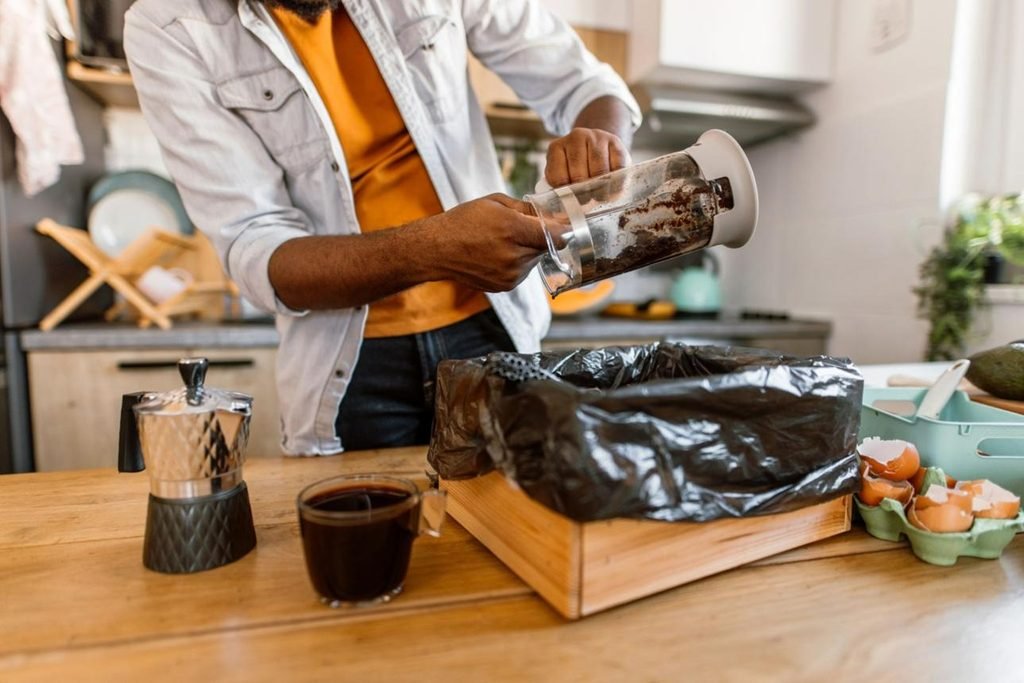
Throwing wet coffee grounds in the household trash is one of the easiest and most convenient disposal methods. It does not require special equipment, a garden, or a composting system.
For most coffee drinkers, the process takes less than a minute. A few simple precautions can also prevent leaks, unpleasant smells, and unnecessary mess.
Step-by-Step Guide to Throwing Away Wet Coffee Grounds
Follow these steps to dispose of used coffee grounds without making a mess in your kitchen.
Step 1: Allow excess water to drain
Freshly brewed coffee grounds are usually very wet, particularly when they come from a French press, pour-over dripper, or espresso machine.
Allow the grounds to drain briefly over your brewing equipment or a suitable container. You do not need to squeeze them completely dry. Removing excess liquid is usually enough to reduce dripping and prevent your trash from becoming unnecessarily wet.
Step 2: Transfer the grounds into a waste container
Use a spoon, small spatula, or the removable filter basket to transfer the grounds into your kitchen trash bin.
If you use a paper coffee filter, you can usually lift out the entire filter and place it directly in the trash, provided it does not contain any non-compostable components that need separate disposal.
For French presses, gently empty the grounds into the waste container rather than rinsing them down the sink.
Step 3: Contain the grounds to prevent leaks
If your household trash bin does not have a leak-resistant liner, consider placing the wet grounds in a small paper bag or another suitable waste container before throwing them away.
Avoid using excessive plastic packaging just to contain a small quantity of coffee grounds. For everyday disposal, a properly lined kitchen bin is often sufficient.
Step 4: Dispose of the waste regularly
Place the grounds in your normal household garbage and empty the bin according to your usual collection schedule.
If you produce a large amount of wet coffee grounds, avoid allowing them to accumulate in an indoor bin for too long, especially in warm weather.
Tips for Preventing Odors in Your Trash Bin
Wet coffee grounds can produce unpleasant odors when stored in unsuitable conditions. These simple habits can help keep your kitchen garbage fresher.
- Drain excess moisture: Less free liquid means less chance of leaks and soggy trash.
- Use a suitable bin liner: A sturdy liner helps contain wet waste and makes cleaning easier.
- Keep the lid closed: A covered trash bin helps contain odors and limits access for insects.
- Empty the bin regularly: Do not wait until wet organic waste has accumulated for an extended period.
- Clean the container: Wash the inside of your trash bin when residue or unpleasant smells begin to develop.
If you notice that your kitchen trash smells particularly bad after disposing of coffee grounds, check whether other wet food waste is contributing to the problem.
Can You Throw Coffee Filters Away With Wet Grounds?
In most cases, used paper coffee filters can be thrown away together with their coffee grounds. This is especially convenient for drip coffee makers and pour-over brewing equipment.
The disposal method depends on the filter material and your local waste collection rules.
- Unbleached paper filters: These are generally suitable for ordinary household trash and may also be accepted by composting systems.
- Bleached paper filters: These can usually go into general waste, while compost acceptance depends on local requirements.
- Reusable metal filters: Remove the coffee grounds and wash the filter according to the manufacturer’s instructions.
- Reusable cloth filters: Empty the grounds into the trash or compost and clean the cloth filter as directed.
If you plan to compost your used coffee filters, check whether your local composting program accepts them. Filters with synthetic materials, plastic components, or other treatments may not be suitable.
For everyday convenience, placing ordinary used paper filters and their coffee grounds in the household trash is generally a simple and practical solution.
Can You Compost Wet Coffee Grounds Instead of Throwing Them Away?
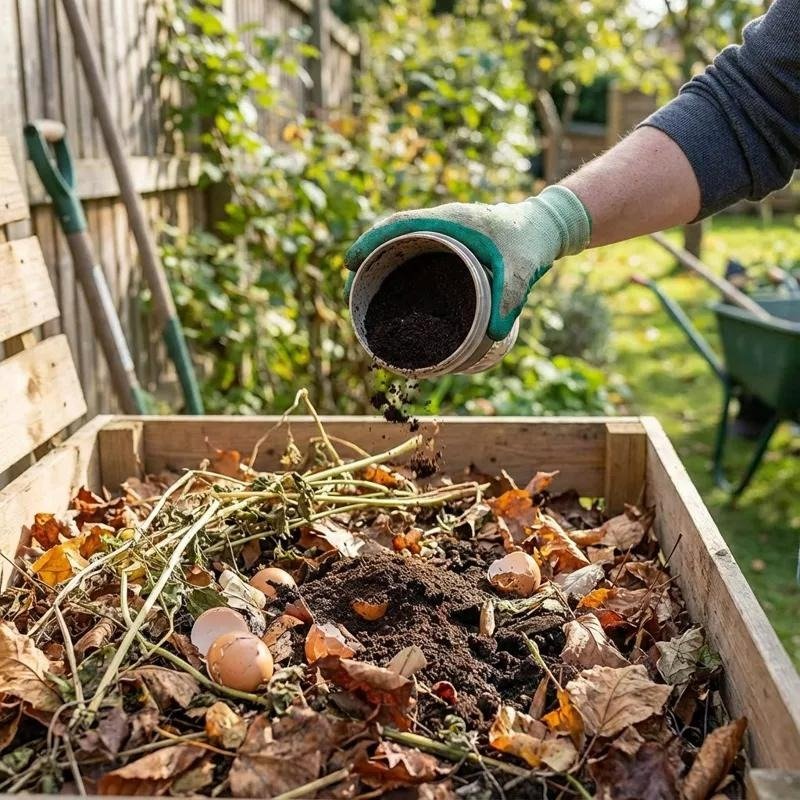
Composting is a useful alternative if you want to reduce household waste and make use of your leftover coffee grounds. Rather than sending them to a landfill with general garbage, you can combine them with other organic materials and allow them to break down naturally.
Used coffee grounds are often described as a green compost ingredient because they provide nitrogen. However, successful composting requires a balance of different materials, sufficient airflow, and appropriate moisture.
Why Wet Coffee Grounds Are Suitable for Composting
Coffee grounds contain organic matter that microorganisms can break down during composting. They also provide nitrogen, which supports the activity of decomposing organisms.
When combined with carbon-rich materials, such as dry leaves, shredded cardboard, and untreated paper, coffee grounds can contribute to a balanced compost mixture.
Some benefits of composting used coffee grounds include:
- Reducing household waste: Coffee grounds can be diverted from general garbage collection.
- Recycling organic material: Nutrients and organic matter can be returned to the soil through finished compost.
- Supporting soil structure: Mature compost can help improve soil structure and water retention.
- Making use of daily coffee waste: Regular coffee brewing provides a consistent source of material for a home compost pile.
Coffee grounds should not be treated as a complete fertilizer. Their value comes from being one component of a broader mixture of compostable materials.
How to Add Wet Coffee Grounds to Your Compost Bin
Adding wet coffee grounds to a compost pile is straightforward, but the way you combine them with other materials makes a difference.
Step 1: Collect your used coffee grounds
After brewing, remove the grounds from your coffee maker, French press, or espresso machine.
Allow excess liquid to drain before adding them to the compost. There is no need to dry the grounds completely because a compost pile needs some moisture to support decomposition.
Step 2: Add carbon-rich materials
Mix the coffee grounds with dry leaves, shredded plain cardboard, untreated paper, or other suitable brown compost materials.
These materials provide carbon and help absorb some of the moisture in freshly brewed coffee grounds.
Step 3: Spread the grounds evenly
Avoid dumping a large quantity of wet coffee grounds into one thick layer. Dense, compacted layers can restrict airflow and create overly wet areas in the compost pile.
Instead, spread the grounds in a thin layer and mix them thoroughly with the surrounding compost materials.
Step 4: Maintain appropriate moisture
A healthy compost pile should be moist but not waterlogged. If the mixture feels excessively wet or begins to smell unpleasant, add more dry brown materials and turn the pile to improve airflow.
Step 5: Turn the compost regularly
Mixing the compost helps distribute moisture and organic materials while allowing air to reach microorganisms involved in decomposition.
The frequency of turning depends on your composting system, but checking the pile regularly can help you identify problems before they become significant.
Common Composting Mistakes to Avoid
Even though coffee grounds are useful compost ingredients, adding too much or managing them incorrectly can create problems.
- Adding excessive coffee grounds: Large quantities can form dense layers that limit airflow.
- Ignoring carbon-rich materials: Coffee grounds should be mixed with suitable brown materials rather than added alone.
- Allowing the compost to become waterlogged: Too much moisture can slow decomposition and encourage unpleasant odors.
- Leaving grounds in thick clumps: Breaking up compacted material helps maintain a more consistent compost mixture.
- Assuming more grounds mean better compost: A balanced mix of different organic materials is more useful than relying heavily on one ingredient.
If your compost pile smells sour or develops slimy, compacted areas, it may contain too much moisture or insufficient airflow. Adding dry materials and turning the mixture can often help correct the imbalance.
Can You Compost Coffee Grounds With Paper Filters?
Yes, many ordinary paper coffee filters can be composted along with used coffee grounds.
Unbleached paper filters are a common choice for composting, while some bleached filters may also be accepted depending on the composting system. Always check the filter manufacturer’s guidance and your local composting rules.
Remove any plastic components, metal clips, or other non-compostable materials before adding filters to your compost bin.
If you regularly brew coffee with paper filters, composting both the grounds and suitable filters can make daily coffee preparation a little less wasteful.
How to Dispose of Wet Coffee Grounds Without Clogging Your Sink
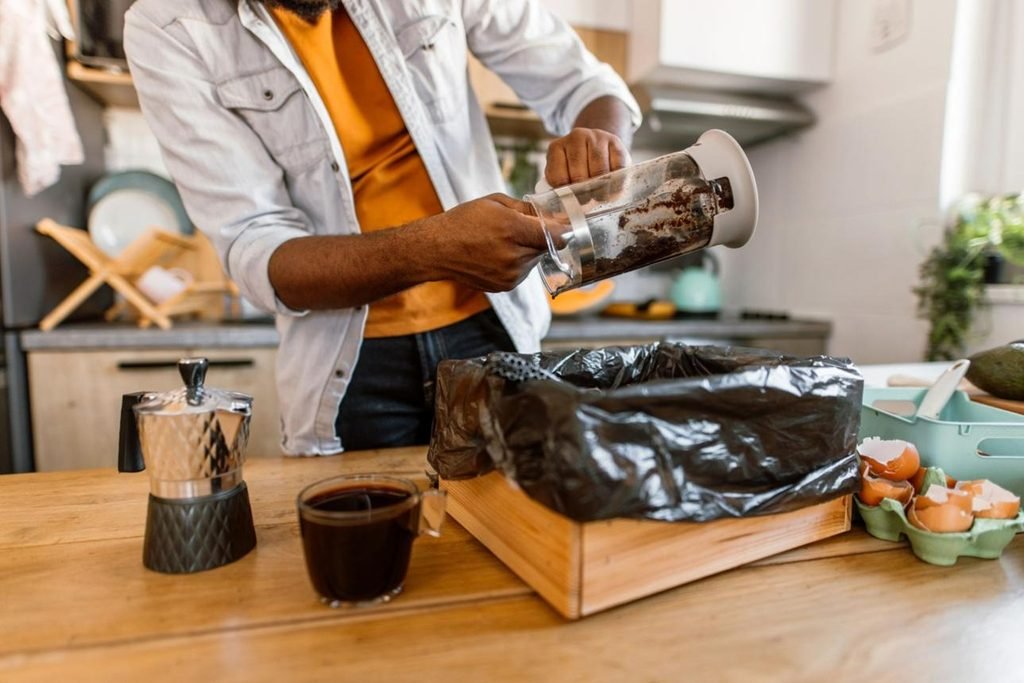
Pouring wet coffee grounds down the kitchen sink might seem like a quick way to clean up after brewing coffee. However, this habit can contribute to clogged pipes, slow drainage, and expensive plumbing repairs over time.
Coffee grounds do not dissolve in water. Even though they may look like fine particles, they can collect inside pipes, especially when combined with grease, food debris, and soap residue. The safest approach is to remove as much of the coffee grounds as possible before rinsing your brewing equipment.
Why You Should Never Pour Large Amounts of Coffee Grounds Down the Drain
Wet coffee grounds are made up of small, solid particles that remain intact when exposed to water. Unlike certain food scraps that break down more easily, coffee grounds can settle in plumbing and accumulate in areas where water flow is restricted.
Several factors can increase the risk of a blockage:
- Grease and cooking oil: Coffee grounds can mix with greasy residue inside pipes, contributing to stubborn accumulations.
- Narrow or older pipes: Plumbing with existing buildup or restricted flow may be more vulnerable to blockages.
- Repeated disposal: Small quantities of coffee grounds washed down the sink regularly can gradually accumulate.
- Poor drainage: When water already drains slowly, additional solid particles may worsen the problem.
A small amount of coffee residue accidentally rinsed away is unlikely to cause an immediate blockage in every plumbing system. However, regularly disposing of coffee grounds this way is an unnecessary risk.
The best habit is to keep coffee grounds out of your sink drain altogether rather than relying on running water to carry them away.
How to Clean Coffee Equipment Without Sending Grounds Down the Drain
You can clean most coffee-making equipment easily without allowing used grounds to enter your plumbing. The exact process depends on the brewing method you use.
French press
French presses usually contain a relatively large amount of wet coffee grounds after brewing.
- Allow the remaining coffee to drain from the press.
- Remove the plunger and gently scoop or tap the grounds into a trash container or compost bin.
- Use a soft spatula or paper towel to remove any grounds stuck to the bottom or sides.
- Rinse the glass container and plunger after removing the bulk of the coffee residue.
- Wash the components with warm water and dish soap according to the manufacturer’s instructions.
Avoid forcefully pushing large amounts of grounds through the mesh filter, as this can make cleanup messier.
Espresso machine
Espresso machines produce compact, damp coffee pucks that are usually easy to remove.
- Remove the portafilter from the espresso machine after brewing.
- Knock the used coffee puck into a knock box or suitable waste container.
- Wipe away any remaining grounds from the portafilter basket.
- Rinse the basket and clean the surrounding equipment as directed by the manufacturer.
A knock box is particularly useful if you make espresso frequently because it provides a convenient place to collect spent coffee pucks.
Drip coffee maker
For automatic drip coffee makers, the filter basket usually makes disposal simple.
- Turn off the coffee maker and allow the filter basket to cool if necessary.
- Remove the used paper filter or reusable filter basket.
- Empty the grounds into the trash or compost bin.
- Wipe away loose particles from the basket.
- Rinse the removable components over the sink only after removing most of the grounds.
These steps help prevent leftover coffee particles from entering the drain while keeping your coffee maker clean.
Is It Safe to Put Coffee Grounds in a Garbage Disposal?
A garbage disposal can grind certain food scraps into smaller particles, but that does not mean it is suitable for disposing of coffee grounds regularly.
Coffee grounds may settle in the disposal unit, drainpipe, or other parts of the plumbing system. When they mix with grease and other debris, they can contribute to blockages even if the disposal initially appears to handle them.
Some manufacturers may provide specific guidance for their disposal units, so checking the appliance manual is worthwhile. Nevertheless, scraping coffee grounds into the trash or compost is generally the safer everyday option.
If coffee grounds accidentally enter your garbage disposal, avoid adding more solid waste. Follow the manufacturer’s instructions for operating and cleaning the unit, and pay attention to any unusual noises or slow drainage.
Practical Tips to Prevent Coffee-Related Plumbing Problems
Keeping coffee grounds out of the drain does not require complicated cleaning routines. A few small changes can make a noticeable difference.
- Keep a small waste container near your coffee-making station.
- Use a knock box if you prepare espresso regularly.
- Empty French presses and coffee filters before rinsing them.
- Wipe away stubborn coffee residue with a paper towel when necessary.
- Avoid washing coffee grounds into the sink alongside cooking grease or oily food residue.
- Clean your sink strainer regularly to remove any particles that collect during normal washing.
If your sink already drains slowly or frequently backs up, avoid adding further solid waste and consider having the plumbing inspected.
Can You Put Wet Coffee Grounds in the Garden?
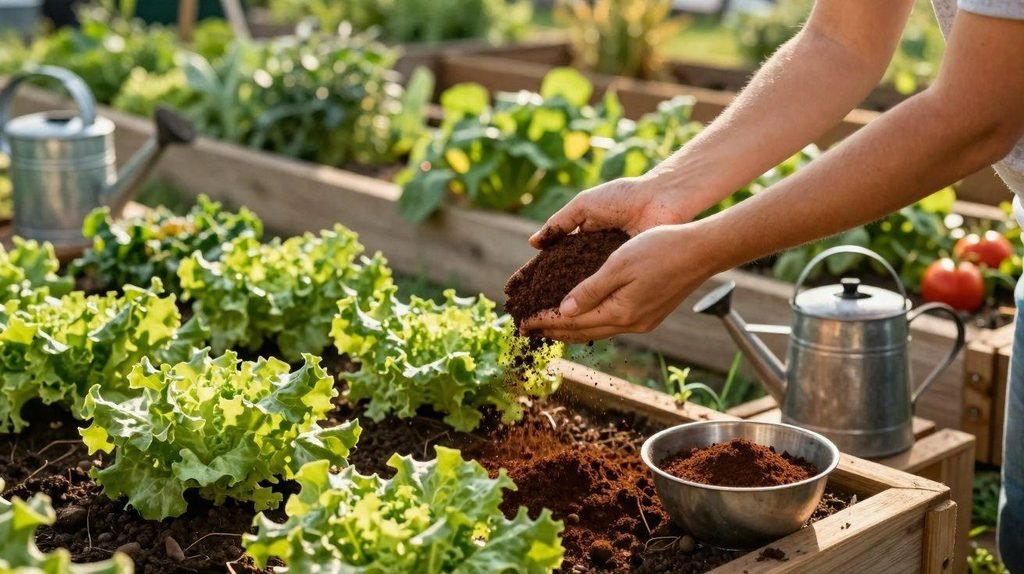
If you have a garden, wet coffee grounds can be a useful source of organic material instead of becoming household garbage. However, adding them directly to garden soil requires some care.
Used coffee grounds contain organic matter and nutrients, but they are not a complete plant fertilizer. Applying too many grounds in one place can also create a dense layer that restricts airflow and affects how water moves through the soil.
The key is to use coffee grounds in moderation and understand when composting them first is a better option.
Are Wet Coffee Grounds Good for Garden Soil?
Used coffee grounds can contribute organic matter to soil as they decompose. Their nitrogen content also makes them a useful ingredient in compost intended for garden use.
When incorporated appropriately, composted coffee grounds can help improve soil structure and support moisture retention. They may also contribute to the overall nutrient content of a compost mixture.
However, fresh used coffee grounds should not be treated as a universal soil conditioner. Their effects depend on the quantity applied, the existing soil conditions, and the needs of the plants.
Keep these points in mind:
- Organic matter: Coffee grounds can add organic material as they break down.
- Nitrogen: They contain nitrogen, although not all of it is immediately available to plants.
- Soil structure: Properly composted grounds can contribute to improved soil texture.
- Moisture retention: Organic matter in finished compost can help soil retain moisture.
- Plant compatibility: Different plants have different nutrient and soil requirements, so coffee grounds are not suitable as a blanket treatment for every garden.
Coffee grounds are also often described as highly acidic. In reality, used grounds are generally much less acidic than many people assume, and they should not be relied upon to significantly change soil pH.
How to Use Wet Coffee Grounds in Your Garden
If you want to reuse wet coffee grounds directly in your garden, use small quantities and avoid creating thick layers on the soil surface.
Step 1: Drain excess moisture
After brewing coffee, allow the used grounds to drain so they are damp rather than dripping wet.
This makes them easier to handle and reduces the chance of adding excessive moisture to the soil.
Step 2: Start with a small amount
Use a modest quantity of grounds in a suitable garden area rather than spreading a thick layer over a large section of soil.
If you are unfamiliar with how your plants respond, begin with a small test area and observe the results.
Step 3: Mix the grounds into the soil carefully
Where appropriate, lightly mix a small quantity into the upper layer of soil rather than leaving a dense mat on the surface.
Avoid disturbing the roots of established plants or applying grounds directly against plant stems.
Step 4: Monitor soil moisture and plant growth
Observe how quickly the soil drains after watering and check for any signs of compacted material, mold, or poor plant growth.
If the soil becomes dense or water does not penetrate properly, stop adding coffee grounds and consider using them in compost instead.
Step 5: Consider composting for regular use
If you produce wet coffee grounds every day, composting them with other organic materials is generally a more manageable way to reuse larger quantities.
Finished compost provides a more balanced material for garden beds than relying on repeated applications of fresh coffee grounds.
Which Plants Can Benefit From Coffee Grounds?
Coffee grounds are sometimes recommended for particular plants, but their suitability depends on the soil and how they are applied. There is no guarantee that adding them will improve plant growth.
Some gardeners use compost containing coffee grounds around:
- Vegetables: Finished compost can be incorporated into suitable vegetable beds as part of general soil preparation.
- Ornamental shrubs: Mature compost may help improve the soil surrounding established shrubs.
- Flower beds: Compost containing coffee grounds can contribute organic matter to garden soil.
- Container plants: Small amounts of finished compost may be useful in suitable potting mixes, provided drainage and nutrient requirements are maintained.
Avoid applying large amounts of fresh, wet coffee grounds directly to seedlings, delicate roots, or the base of plants. Thick layers can retain too much moisture, become compacted, and interfere with healthy growing conditions.
Should You Put Wet Coffee Grounds Directly on the Soil?
You can use small quantities of coffee grounds directly in some garden soils, but composting them first is often the more reliable option, especially if you have a large supply.
Fresh grounds can form a compacted surface layer when applied too heavily. This may interfere with water movement and airflow, particularly in already dense or poorly drained soil.
Composting allows the grounds to break down alongside other organic materials before they are added to garden beds.
For most home gardeners, adding coffee grounds to a balanced compost pile is a practical way to reuse them while reducing the risk of overapplication.
Other Useful Ways to Reuse Wet Coffee Grounds Before Disposal
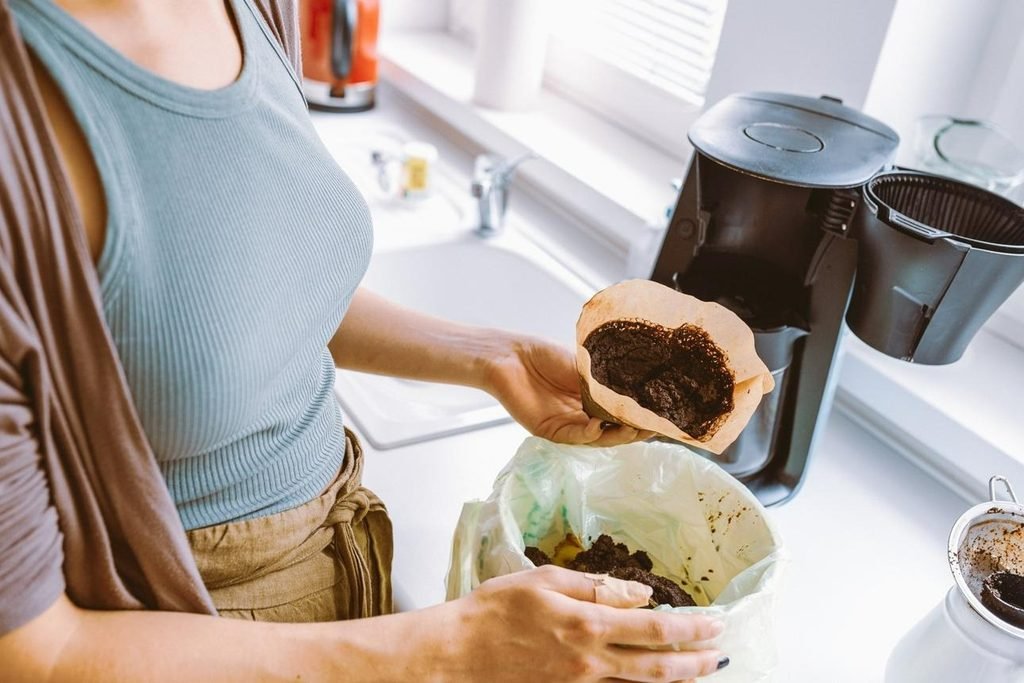
Throwing wet coffee grounds in the trash is perfectly acceptable, but it is not your only option. If you regularly brew coffee, finding a practical way to reuse some of those grounds can help reduce household waste.
The most suitable method depends on how much coffee you make, whether you have outdoor space, and which organic waste facilities are available in your area.
Add Wet Coffee Grounds to a Compost Collection
If you do not have a home compost bin, a local compost collection service may provide a convenient alternative.
Some municipalities and private waste services collect organic materials, including used coffee grounds, for processing at larger composting facilities.
You can collect your grounds in a small kitchen compost caddy and transfer them to the appropriate collection container.
For cleaner storage:
- Drain excess liquid from the grounds before collecting them.
- Use a washable container with a secure lid.
- Empty the container regularly to prevent unpleasant odors.
- Check whether your local program accepts coffee filters as well as the grounds.
- Follow any instructions about acceptable containers and collection schedules.
This method can be especially helpful for apartment residents or people who produce more coffee grounds than they can reasonably use in a small garden.
Use Wet Coffee Grounds in a Worm Composting Bin
Worm composting, also called vermicomposting, is another way to process suitable household organic waste.
Worms can process coffee grounds when they are added in moderate quantities alongside other appropriate materials. However, large amounts of wet coffee grounds can create problems in a worm bin.
Excessive grounds may compact, retain too much moisture, or contribute to unsuitable conditions for the worms.
To use coffee grounds in a worm bin:
- Add a small quantity of drained, used coffee grounds.
- Mix them with suitable bedding, such as shredded plain cardboard or untreated paper.
- Distribute the material rather than creating a thick layer.
- Monitor moisture levels and check that the bedding remains suitably aerated.
- Reduce or pause coffee ground additions if the bin develops unpleasant odors or the worms appear to avoid the material.
Coffee grounds should make up only part of the worm bin’s contents. A varied supply of suitable organic material and proper bedding is important for maintaining a healthy system.
Reuse Grounds in a Garden Compost Pile
If you already have a garden compost pile, collecting used coffee grounds for it is one of the simplest reuse methods.
Coffee grounds can be mixed with dry leaves, shredded cardboard, small amounts of suitable fruit and vegetable scraps, and other compostable materials.
Rather than adding every batch immediately, you can collect a small quantity of grounds and add them during your regular compost maintenance.
For the best results:
- Combine wet grounds with enough dry, carbon-rich materials.
- Break up clumps before adding them to the pile.
- Avoid adding excessive quantities at once.
- Maintain suitable moisture and airflow.
- Keep unsuitable materials, such as plastic and chemically treated items, out of the compost.
This approach makes use of coffee waste while helping maintain a balanced compost mixture.
Check Local Community Composting Programs
Community composting programs can be a useful option when home composting is not possible.
Some community gardens, neighborhood composting initiatives, and municipal programs accept organic waste from nearby households. Certain programs may also accept coffee grounds collected from local cafés or other businesses.
Before transporting your used grounds, check the program’s requirements. Some accept loose coffee grounds, while others require them to be delivered in particular containers or prohibit certain types of filters.
If you live in an apartment, ask your building manager or local community garden whether a shared compost collection point is available.
Community composting allows you to reuse wet coffee grounds without needing to maintain your own compost pile or worm bin.
Choose Reuse Methods That Suit Your Household
Not every reuse method is practical for every coffee drinker. A small household that makes one or two cups a day may produce too few grounds to justify a dedicated compost system, while a large household may generate enough to benefit from regular collection.
| Reuse Method | What You Need | Main Consideration |
| Municipal compost collection | Local organic waste service | Check accepted materials |
| Home composting | Compost bin or pile | Balance wet grounds with dry materials |
| Worm composting | Suitable worm bin and bedding | Add grounds sparingly |
| Garden compost pile | Outdoor composting space | Maintain airflow and moisture |
| Community composting | Accessible collection program | Follow local collection rules |
If none of these options is convenient, use the household trash without feeling that you are disposing of the grounds incorrectly. The goal is to choose a method that is safe, practical, and appropriate for your home.
Before trying a new way to reuse coffee grounds, consider whether it actually reduces waste without creating additional cleaning, storage, or maintenance problems. A simple and consistent disposal routine is often more useful than a complicated reuse method that is difficult to maintain.
How to Store Wet Coffee Grounds Before Throwing Them Away
Sometimes you cannot dispose of your coffee grounds immediately. You may be collecting them for a compost bin, waiting for organic waste collection, or simply want to avoid opening your outdoor garbage bin several times a day.
Temporary storage is fine, but wet coffee grounds should not sit around indefinitely. Their moisture and organic material can lead to unpleasant odors, mold, and a messy container if they are left unattended.
Use a Small Container With a Lid
A dedicated container makes collecting coffee grounds much easier, especially if you brew coffee every day.
A small kitchen compost caddy, food-safe container, or other washable container can work well. Choose something with enough capacity for your normal coffee routine without allowing grounds to sit for several days.
A lid helps contain odors and keeps insects away from the grounds.
Try to keep the container close to your coffee maker, French press, or espresso machine. Having it within reach makes it much less tempting to rinse grounds down the sink.
Drain Excess Water Before Storage
You do not need to dry coffee grounds completely before storing them. Simply allowing excess liquid to drain can make a noticeable difference.
Very wet grounds are more likely to produce leaks and unpleasant smells, particularly when stored in a sealed container.
After brewing:
- Let excess coffee drain from the filter or brewing basket.
- Transfer the grounds into your collection container.
- Avoid adding unnecessary liquid to the container.
- Close the lid securely.
- Empty the container regularly.
The goal is damp coffee grounds rather than a container filled with coffee-colored liquid.
How Long Can Wet Coffee Grounds Be Stored?
There is no single storage time that works for every household because temperature, moisture, container size, and ventilation all affect how quickly used grounds deteriorate.
For ordinary household disposal, disposing of wet coffee grounds promptly is preferable to storing them for several days.
Warm environments can make odors and mold develop more quickly. A container sitting beside a coffee maker in a hot kitchen may become unpleasant sooner than one kept in a cooler environment.
Watch for signs that the grounds should be discarded or composted immediately:
- Strong sour or rotten odors
- Visible mold
- Excess liquid collecting at the bottom
- Slimy or unusually sticky texture
- Insects gathering around the container
Do not use visibly moldy coffee grounds for garden applications or compost systems unless your specific composting method is designed to handle such material. When in doubt, ordinary household disposal is the simpler choice.
Should You Dry Coffee Grounds Before Throwing Them Away?
No, you generally do not need to completely dry coffee grounds before putting them in the trash.
Drying them can reduce moisture, but it also adds an unnecessary step to an otherwise simple disposal routine. If you are throwing away a small amount of grounds from your morning coffee, draining excess liquid and placing them in a lined garbage bin is usually sufficient.
Drying may be more useful when you are storing grounds for a specific reuse project, but it is not a requirement for everyday household disposal.
Can You Freeze Wet Coffee Grounds?
Freezing small amounts of used coffee grounds is sometimes considered as a way to temporarily control odors or preserve them until they can be composted.
For routine disposal, however, freezing is usually unnecessary. It requires additional storage space and creates another step in your coffee cleanup routine.
If your goal is simply to dispose of used grounds, draining them and placing them in the appropriate waste container is much easier.
If you are collecting a large quantity for a particular composting or gardening project, follow the storage recommendations for that specific system rather than freezing grounds simply because they are wet.
Common Mistakes to Avoid When Disposing of Wet Coffee Grounds
Most problems with used coffee grounds come from a few simple disposal habits. Knowing what not to do can save you from clogged drains, unpleasant smells, and unnecessary cleanup.
Pouring Wet Coffee Grounds Directly Into the Sink
This is one of the most common mistakes.
Running water over coffee grounds does not make them disappear. The grounds remain solid and can settle inside your plumbing.
Scrape the grounds into the trash or compost before rinsing the coffee equipment.
This applies whether you use a French press, pour-over dripper, espresso machine, automatic coffee maker, or another brewing method.
Assuming a Garbage Disposal Can Handle Unlimited Coffee Grounds
A garbage disposal can make kitchen cleanup convenient, but it should not automatically be treated as a solution for every type of food waste.
Coffee grounds are particularly easy to overuse because they are small and seem harmless. Repeatedly sending large quantities through the disposal can allow particles to accumulate farther down the drain.
When preparing coffee regularly, knocking or scraping the grounds into a separate container is a better habit than depending on the garbage disposal.
Throwing Large Amounts of Wet Grounds Into an Uncovered Trash Bin
Large quantities of damp organic waste can create odors when left exposed.
An uncovered bin may also attract insects, particularly in warm weather. Grounds can stick to the sides of the container and create a difficult mess when the garbage bag is removed.
If you produce a lot of coffee grounds, use a properly lined bin with a lid and empty it regularly.
Adding Too Many Grounds to Your Compost
Coffee grounds can be useful in compost, but more is not necessarily better.
Dumping a large quantity of wet grounds into one area can create a dense, compacted layer. That layer may hold too much moisture and restrict airflow.
Instead, mix coffee grounds with plenty of suitable dry, carbon-rich material such as dry leaves, shredded untreated cardboard, or other appropriate brown compost materials.
Breaking up clumps before adding the grounds also helps distribute them throughout the pile.
Spreading Thick Layers of Wet Grounds Directly on Garden Soil
Used coffee grounds can be reused in gardening, but applying a thick layer directly around plants is not a good general-purpose solution.
Large amounts can compact and create a dense surface that interferes with water movement and airflow. The problem becomes more noticeable when the grounds are already very wet.
If you want to use coffee grounds in the garden regularly, composting them first is often a more practical approach.
Leaving Wet Grounds in the Coffee Maker for Too Long
The brewing process may be finished, but the cleanup is not quite done.
Leaving damp grounds inside a coffee maker overnight occasionally may not cause an immediate problem, but repeatedly leaving them for extended periods can lead to stale smells and mold growth.
Empty the filter basket or grounds container after brewing whenever practical. This is especially important if you will not be using the coffee maker again for several hours or days.
Storing Grounds in a Sealed Container for Too Long
A sealed container is useful for short-term collection, but it should not become permanent storage.
Moisture remains trapped inside the container, creating an environment where odors and mold can develop. Empty and wash the container regularly, particularly if you use it every day.
A quick rinse after each disposal cycle can prevent coffee residue from building up.
Throwing Away Reusable Coffee Filters With the Grounds
Reusable filters made from stainless steel, plastic, or cloth should not be treated like disposable paper filters.
Remove the coffee grounds first, then clean the reusable filter according to its care instructions.
For metal filters, gently emptying the grounds into a waste container before rinsing is usually much cleaner than attempting to wash all the grounds through the sink.
Ignoring Local Composting Rules
Not every composting program accepts the same materials.
A local organic waste service may accept coffee grounds but have separate requirements for paper filters, compostable bags, or other coffee-related waste.
Check your local program’s accepted-material list before placing coffee grounds and filters into a municipal compost container.
Which Wet Coffee Grounds Disposal Method Should You Choose?
The best way to dispose of wet coffee grounds depends largely on your household setup. Someone who makes one cup of coffee each morning may prefer the simplicity of the trash, while a household producing several pots a day may benefit from composting.
There is no need to choose a complicated method simply because it sounds more environmentally friendly. A disposal routine needs to be practical enough that you can follow it consistently.
Wet Coffee Grounds Disposal Options Compared
| Disposal Method | Main Benefit | Best For | What to Watch For |
| Household trash | Simple and convenient | Everyday coffee drinkers | Excess moisture and odors |
| Home composting | Reuses organic material | Gardeners and composters | Too many grounds in one area |
| Municipal composting | Convenient organic waste recycling | Homes with collection services | Local acceptance rules |
| Garden reuse | Gives grounds another use | People with suitable garden soil | Avoid thick layers |
| Community composting | Useful without a home compost bin | Apartment and urban households | Collection requirements |
| Worm composting | Processes small amounts of organic waste | Vermicomposting households | Add coffee grounds in moderation |
Choose the Trash When Convenience Matters Most
Household garbage is often the most practical choice when you have a small amount of coffee grounds and no composting setup.
Drain excess liquid, place the grounds in a lined bin, and empty the garbage regularly.
There is no need to feel that you are doing something wrong if composting is not available. Properly containing used grounds and keeping them out of your plumbing is already an important part of good coffee cleanup.
Choose Composting When You Produce Grounds Regularly
Composting becomes more attractive when you brew coffee frequently and already maintain a compost pile or organic waste collection system.
Used grounds can become part of a larger mixture of organic materials rather than occupying space in your general garbage.
Remember that coffee grounds should be treated as one ingredient in a balanced compost system rather than the main ingredient.
Choose Garden Reuse Carefully
Garden reuse may work when you have suitable soil, appropriate plants, and a reason to incorporate organic material into the growing area.
For regular or larger quantities, finished compost containing coffee grounds is generally easier to manage than repeatedly applying fresh wet grounds.
Avoid treating coffee grounds as a universal plant fertilizer or using them to dramatically change soil acidity.
Choose Community or Municipal Composting When Home Composting Is Not Practical
Apartment residents and people without outdoor space can still have options.
Check whether your local municipality, community garden, neighborhood program, or private organic waste service accepts used coffee grounds.
This can provide the benefits of composting without requiring you to maintain a compost pile at home.
A Simple Decision Guide
Use this quick guide when deciding what to do with your used coffee grounds:
Only have a small amount?
→ Put the drained grounds in your household trash.
Have a home compost bin?
→ Add the grounds in moderation and balance them with carbon-rich materials.
Have an organic waste collection service?
→ Follow the service’s rules for coffee grounds and filters.
Have a garden but no compost system?
→ Use small amounts cautiously rather than spreading thick layers.
Live somewhere without convenient composting?
→ Contain the grounds and dispose of them with your regular household waste.
Whatever method you choose, one rule should remain consistent: keep wet coffee grounds out of the kitchen drain. A simple disposal habit after every brew can help prevent plumbing problems while keeping your coffee routine cleaner and easier.
Frequently Asked Questions About Disposing of Wet Coffee Grounds
Can you throw wet coffee grounds directly in the garbage?
Yes. Wet coffee grounds can generally go into your household trash. Let excess liquid drain first, then place the grounds in a lined garbage bin. A covered bin and regular garbage collection can help reduce odors and mess.
Can wet coffee grounds go down the kitchen sink?
It is best to avoid putting coffee grounds down the sink. They do not dissolve in water and can accumulate inside plumbing, particularly when combined with grease and other debris. Scrape the grounds into the trash or compost before rinsing your coffee equipment.
Should you dry wet coffee grounds before throwing them away?
No. Completely drying coffee grounds is not necessary for ordinary household disposal. Simply drain excess liquid before placing the grounds in the garbage. Drying can be useful for certain reuse projects, but it is not required for everyday disposal.
Can you put wet coffee grounds in a compost bin?
Yes. Used coffee grounds can be added to a compost system, including when they are still damp. Mix them with carbon-rich materials such as dry leaves, shredded untreated cardboard, or other suitable brown materials. Avoid creating thick layers of coffee grounds that can become compacted.
How long can you keep wet coffee grounds before disposing of them?
It is better to dispose of or compost wet coffee grounds promptly rather than storing them for several days. Warm, damp conditions can encourage unpleasant odors and mold. If temporary storage is necessary, use a washable container with a lid and empty it regularly.
Do wet coffee grounds attract bugs or mold?
They can. Moist organic material that remains in a warm environment for an extended period may develop mold or attract insects. Keeping the grounds contained, avoiding excessive storage time, and cleaning the collection container regularly can help prevent these problems.
Can you put coffee grounds in a garbage disposal?
It is better not to make a garbage disposal your regular method for getting rid of coffee grounds. Grounds can settle in plumbing and potentially contribute to buildup. Scraping them into the trash or compost before rinsing the equipment is a simpler approach.
Are wet coffee grounds good for plants?
Used coffee grounds can contribute organic matter and nitrogen to compost, but they should not be treated as a complete fertilizer. Large quantities applied directly to soil can become compacted. For regular garden use, incorporating the grounds into finished compost is often a more manageable approach.
Can you compost coffee grounds with the paper filter?
Many paper coffee filters can be composted along with coffee grounds, but acceptance varies between composting systems. Check the requirements of your local compost service and the filter manufacturer’s guidance before adding the filter to compost.
What is the easiest way to dispose of wet coffee grounds?
For most households, the easiest method is to let excess liquid drain, scoop the grounds into a lined garbage bin, and rinse the coffee equipment after removing the solids. If you already have a compost system, adding the grounds to it can be another convenient option.
Can you put wet coffee grounds directly on garden soil?
Small amounts may be used in some garden situations, but avoid creating thick layers. Fresh grounds can become compacted and affect water and air movement through the soil. Composting the grounds with other organic materials is generally easier for handling larger quantities.
Can wet coffee grounds be stored overnight?
They can be stored temporarily, but emptying them after brewing is preferable. If you need to wait until the next day, keep the grounds in a suitable container and avoid allowing excess liquid to accumulate. Dispose of or compost them promptly afterward.
Make Wet Coffee Ground Disposal Part of Your Coffee Routine
Learning how to dispose of wet coffee grounds does not have to add another complicated chore to your morning coffee routine. The most important habit is simply to keep used grounds out of your kitchen drain.
For quick and convenient disposal, let excess liquid drain and place the grounds in your household garbage. If you already compost, coffee grounds can become a useful addition when balanced with suitable carbon-rich materials. Gardeners can also make use of properly composted grounds rather than treating fresh coffee grounds as a stand-alone fertilizer.
The right method ultimately depends on your household. A small kitchen with limited waste options may be perfectly suited to regular trash disposal, while a home with a compost bin or organic waste collection can put those grounds to another use.
Before your next cup of coffee, set up a simple collection routine near your coffee maker. Keep a small waste or compost container nearby, empty your grounds before rinsing the equipment, and choose the disposal method that works consistently for your home. That small habit can make coffee cleanup easier while helping you avoid unnecessary plumbing problems.

Meet Suzee Amelia, the creative voice behind this space—a blog dedicated to exploring coffee culture, lifestyle insights, and everyday inspiration. With a passion for discovering rich flavors and sharing practical tips, Sophie Langford brings a thoughtful and engaging approach to every post.
