

Coffee recipe trends for a cafe in 2027 are moving beyond traditional lattes, cappuccinos, and iced americanos. Customers are increasingly interested in creative flavor combinations, visually appealing drinks, alternative milk, and personalized coffee experiences that make visiting a cafe feel special. For cafe owners, these changing preferences offer an opportunity to introduce exciting beverages and create a menu that stands out from the competition.
From pistachio espresso and tropical fruit cold brew to botanical lattes and functional-inspired coffee, the possibilities for 2027 are diverse. The key is finding recipes that balance great flavor, attractive presentation, manageable preparation, and reasonable ingredient costs. Whether you operate a specialty coffee shop, a small neighborhood cafe, or a growing coffee business, understanding these trends can help you develop a more appealing menu.
This guide explores the most promising coffee recipe trends for cafes in 2027, including innovative drink ideas, flavor combinations, ingredient choices, and practical tips for creating signature beverages. You will also discover how to adapt emerging trends to your customers’ preferences without making your cafe menu unnecessarily complicated.
In This Article
Why Coffee Recipe Trends Will Matter for Cafes in 2027
The cafe industry continues to evolve as customers look for more than just a convenient source of caffeine. Coffee has become part of a broader lifestyle experience, with flavor, presentation, customization, and the atmosphere of a cafe all influencing purchasing decisions.
For cafe owners, following coffee recipe trends in 2027 is not simply about introducing unusual drinks. It is about understanding what customers enjoy and turning those preferences into beverages that are both memorable and practical to serve.
Customers Want More Personalized Coffee Experiences
Traditional coffee drinks remain important, but many customers now enjoy having more control over how their beverages taste. They may prefer less sweetness, a different type of milk, an extra espresso shot, or a combination of flavors they cannot easily find at every coffee shop.
Customization gives customers a reason to return because they can create a drink that suits their individual preferences.
Some popular customization opportunities for cafes include:
- Adjustable sweetness: Allow customers to choose between unsweetened, lightly sweetened, and regular versions of selected drinks.
- Alternative milk: Offer oat, almond, soy, or coconut milk alongside regular dairy milk.
- Flavor combinations: Give customers the option to combine complementary syrups, such as vanilla and cinnamon or caramel and hazelnut.
- Coffee strength: Provide options for additional espresso shots or different coffee bases.
- Texture preferences: Offer choices such as regular milk, cold foam, whipped cream, or a lighter dairy-free topping.
A cafe does not need dozens of customization options to create a personalized experience. A small selection of flexible ingredients can provide plenty of variety without slowing down service.
Unique Flavors Are Helping Cafes Stand Out
One of the most interesting directions for coffee recipe trends in 2027 is the exploration of flavors that go beyond familiar vanilla, caramel, and chocolate.
Ingredients such as pistachio, brown butter, lavender, coconut, maple, and tropical fruits can transform familiar coffee recipes into distinctive menu items.
For example, a standard iced latte can become a signature drink by combining espresso with coconut milk, a small amount of toasted coconut syrup, and a delicate layer of cold foam. The coffee remains familiar, but the additional flavors create a different experience.
Cafes can also explore local ingredients to develop recipes that reflect their location. Regional honey, spices, tropical fruits, and locally produced milk alternatives can give a beverage a recognizable identity while helping the business distinguish itself from larger coffee chains.
The most effective flavor innovation usually builds on a familiar coffee foundation rather than making every ingredient completely unfamiliar.
Social Media Is Influencing Coffee Presentation
Visual appeal is another important consideration when developing new cafe drinks. Customers often photograph beverages with distinctive colors, layered textures, decorative toppings, and attractive glassware.
A well-presented drink can encourage customers to share their experience online, potentially introducing the cafe to new audiences.
Some presentation ideas worth exploring in 2027 include:
- Layered iced lattes with contrasting milk and espresso colors
- Colorful fruit-inspired espresso tonics
- Cold foam with a smooth, velvety finish
- Cocoa-dusted dessert-inspired cappuccinos
- Clear glasses that reveal attractive drink layers
However, appearance should never replace taste. A visually impressive drink that is overly sweet, watery, or difficult to drink may generate initial curiosity without encouraging repeat purchases.
Cafe owners should focus on beverages that look appealing while maintaining a balanced flavor and a comfortable drinking experience.
Balancing Creativity With Cafe Operations
Introducing innovative recipes can be exciting, but every new drink also affects inventory, preparation time, staff training, and operating costs.
A complicated beverage that requires several uncommon ingredients may not be suitable for a cafe with limited storage or a high-volume morning rush.
Before adding a new coffee recipe to the menu, consider the following:
| Factor | What to consider |
| Ingredient cost | Can the drink be sold at a profitable price? |
| Preparation time | Can baristas prepare it quickly during busy periods? |
| Customer appeal | Does the flavor match your target audience? |
| Ingredient availability | Are the ingredients easy to source consistently? |
| Recipe consistency | Can different baristas produce the same result? |
| Menu compatibility | Can ingredients also be used in other drinks? |
A practical strategy is to introduce a few creative beverages using ingredients already available in the cafe. A single pistachio syrup, for instance, might work in an iced latte, an espresso drink, and a cold foam topping.
This approach allows cafes to explore new coffee recipe trends while keeping inventory manageable and reducing unnecessary waste.
Creative Espresso-Based Coffee Recipes Taking Center Stage
Espresso remains one of the most versatile foundations for innovative cafe beverages. Its concentrated flavor, rich aroma, and natural bitterness make it suitable for pairing with everything from sweet syrups to nutty ingredients and lightly savory flavors.
For cafes developing their 2027 menus, the opportunity lies in transforming familiar espresso drinks into something more distinctive without losing the qualities customers already love.
Brown Butter Honey Latte

Brown butter honey latte is a promising recipe concept for customers who enjoy rich, comforting flavors without relying entirely on conventional flavored syrups.
Brown butter develops a toasted, nutty aroma when butter is gently heated until its milk solids turn golden brown. Combined with honey, it creates a warm sweetness that pairs naturally with espresso.
Suggested ingredients for one serving:
- 1–2 shots of espresso (30–60 ml)
- 180 ml steamed milk
- 10–15 ml honey
- 5 g unsalted butter
- A small pinch of cinnamon (optional)
How to prepare it:
- Melt the butter in a small saucepan over low to medium heat, stirring until it develops a golden-brown color and a nutty aroma.
- Remove it from the heat and allow it to cool slightly before mixing a small amount into the honey.
- Prepare the espresso and combine it with the brown butter honey mixture.
- Steam the milk until smooth and velvety, then pour it over the espresso.
- Finish with a light dusting of cinnamon if desired.
The result is a creamy latte with notes of toasted nuts, caramel-like sweetness, and a subtle buttery finish.
For cafe service, preparing a controlled batch of brown butter honey base can make the recipe faster to assemble. Keep the mixture properly refrigerated and follow food-safety practices for storage and handling.
Pistachio Cream Espresso
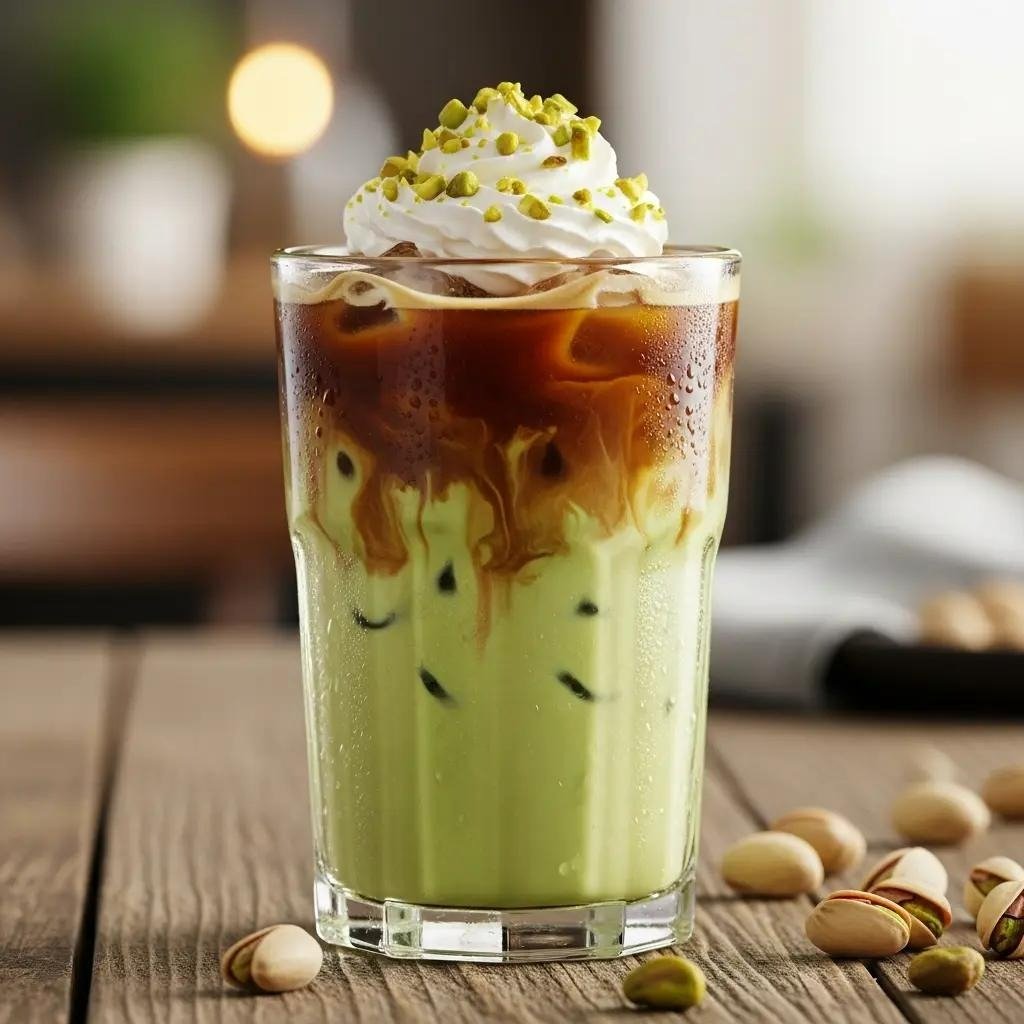
Pistachio is an appealing ingredient for specialty coffee because it provides a mild nutty flavor, natural richness, and an attractive color that works well in both hot and iced beverages.
Pistachio cream espresso combines concentrated espresso with a sweet, creamy pistachio layer. The contrast between the bold coffee and smooth nutty topping makes the drink particularly suitable for cafes looking to offer a premium signature beverage.
Suggested ingredients:
- 1–2 shots of espresso
- 150 ml cold milk or steamed milk
- 15–20 ml pistachio syrup or pistachio cream
- 30 ml lightly whipped cream or suitable cold foam
- Crushed pistachios for garnish
How to prepare it:
- Add pistachio syrup or a smooth pistachio cream to a serving glass.
- Pour in the milk and stir gently until evenly combined.
- Add freshly prepared espresso.
- Spoon or pour a layer of cold foam or lightly whipped cream over the top.
- Finish with a small amount of finely crushed pistachios.
For an iced version, use chilled milk and plenty of ice. For a hot version, combine the pistachio base with steamed milk before adding the espresso.
The ideal flavor is creamy and nutty, with enough espresso intensity to prevent the drink from becoming excessively sweet.
Cafe owners should also consider clearly identifying pistachio as a tree nut ingredient and managing allergen cross-contact appropriately.
Salted Maple Oat Latte
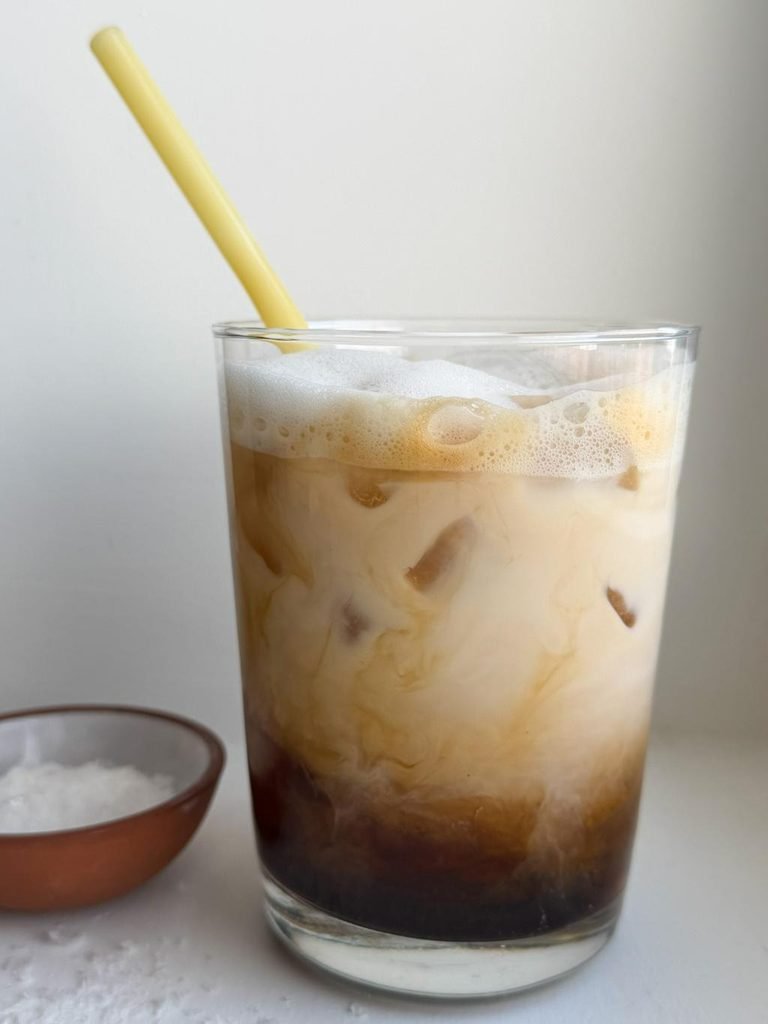
The salted maple oat latte brings together the natural sweetness of maple syrup, the smooth texture of oat milk, and a small amount of salt to create a balanced espresso beverage.
Maple syrup contributes a warm, caramel-like flavor, while oat milk adds a creamy body that works especially well with medium and medium-dark espresso roasts.
Suggested ingredients:
- 1–2 shots of espresso
- 180 ml barista-style oat milk
- 10–15 ml pure maple syrup
- A tiny pinch of fine sea salt
- Ice for the iced version
How to prepare it:
- Add maple syrup and a tiny pinch of salt to a serving glass.
- Prepare the espresso and stir it into the maple mixture.
- Add steamed oat milk for a hot latte or chilled oat milk and ice for an iced version.
- Stir gently and adjust the sweetness if needed.
The salt should remain subtle. Its purpose is to enhance the maple’s sweetness and bring out the espresso’s deeper flavor, not to make the beverage taste salty.
For cafes, this drink is relatively straightforward to prepare because maple syrup and oat milk are easy to incorporate into other menu items. It can also be offered with dairy milk for customers who do not prefer plant-based alternatives.
Vanilla Bean Espresso Tonic

Espresso tonic offers a refreshing alternative to traditional milk-based coffee. The combination of espresso, sparkling tonic water, and citrus creates a drink with bright aromas, gentle bitterness, and a lively texture.
A vanilla bean variation adds a soft sweetness that rounds out the tonic’s bitterness without hiding the coffee’s character.
Suggested ingredients:
- 1 shot of espresso (30 ml)
- 120–150 ml chilled tonic water
- 5–10 ml vanilla syrup
- Ice cubes
- A strip of orange peel or a thin citrus slice
How to prepare it:
- Fill a tall glass with ice.
- Add the vanilla syrup and chilled tonic water.
- Slowly pour the espresso over the back of a spoon to create a contrasting coffee layer.
- Garnish with orange peel or a thin citrus slice.
- Serve immediately while the drink is cold and sparkling.
A light- to medium-roast espresso with citrus, floral, or fruity notes can work particularly well in this recipe. Avoid using too much vanilla syrup, as excessive sweetness can overwhelm the refreshing bitterness of the tonic.
For a busy cafe, the espresso tonic is attractive because it requires minimal preparation equipment beyond an espresso machine and a reliable supply of chilled tonic water.
How to Make Espresso-Based Trend Drinks Consistent
Creative espresso recipes need the same attention to extraction quality as traditional coffee beverages. Even an excellent syrup cannot fully compensate for poorly extracted espresso.
A few practical guidelines can help maintain consistency:
- Use a repeatable espresso recipe: A starting point for many espresso blends is a 1:2 brew ratio, such as 18 g of ground coffee producing approximately 36 g of espresso.
- Adjust extraction to taste: Different coffee beans may require changes to grind size, dose, yield, and extraction time.
- Control sweetness: Begin with smaller syrup quantities and increase them gradually during recipe testing.
- Choose compatible roast profiles: Chocolate and nutty espresso notes often complement rich ingredients, while fruity coffees can work well with citrus and sparkling beverages.
- Standardize measurements: Use jiggers, scales, or calibrated pumps so every barista can reproduce the same drink.
The best espresso-based cafe recipes preserve the coffee’s identity while allowing the additional ingredients to contribute their own distinct character.
Iced Coffee Recipe Trends for Cafes in 2027
Iced coffee continues to offer cafes considerable flexibility because it can be adapted to different flavor profiles, textures, and customer preferences. From smooth cold brew to bold shaken espresso, cold beverages provide a foundation for recipes that are refreshing, customizable, and visually attractive.
For coffee recipe trends in 2027, cafes can explore layered drinks, creative cold foam, fruit combinations, and familiar flavors presented in new ways.
Strawberry Cold Foam Iced Latte
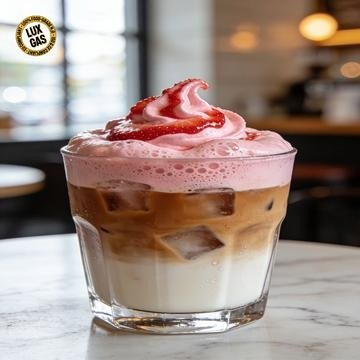
Strawberry cold foam iced latte combines the familiar flavor of espresso and milk with a fruity topping that adds color, aroma, and a creamy texture.
The strawberry component introduces a light fruit sweetness that contrasts with the deeper roasted notes of espresso. A smooth foam layer also creates an attractive visual separation between the coffee and topping.
Suggested ingredients:
- 1–2 shots of espresso
- 150 ml cold milk
- 15 ml strawberry syrup or smooth strawberry puree
- 40–50 ml cold foam
- Ice cubes
How to prepare it:
- Add the strawberry syrup or puree to a glass.
- Fill the glass with ice and pour in the cold milk.
- Add the espresso slowly to create a layered appearance.
- Prepare cold foam by frothing chilled milk or a suitable milk-based mixture until thick but pourable.
- Gently spoon the foam over the drink and serve.
For a more natural fruit flavor, cafes can use a smooth strawberry puree that has been strained to remove seeds and large pieces. The puree should be tested for consistency to ensure it blends properly and does not clog dispensers.
A strawberry cold foam iced latte works especially well as a seasonal menu item. It can also be adapted with oat milk or other suitable alternatives, provided the selected foam ingredient produces a stable texture.
Coconut Cloud Iced Coffee
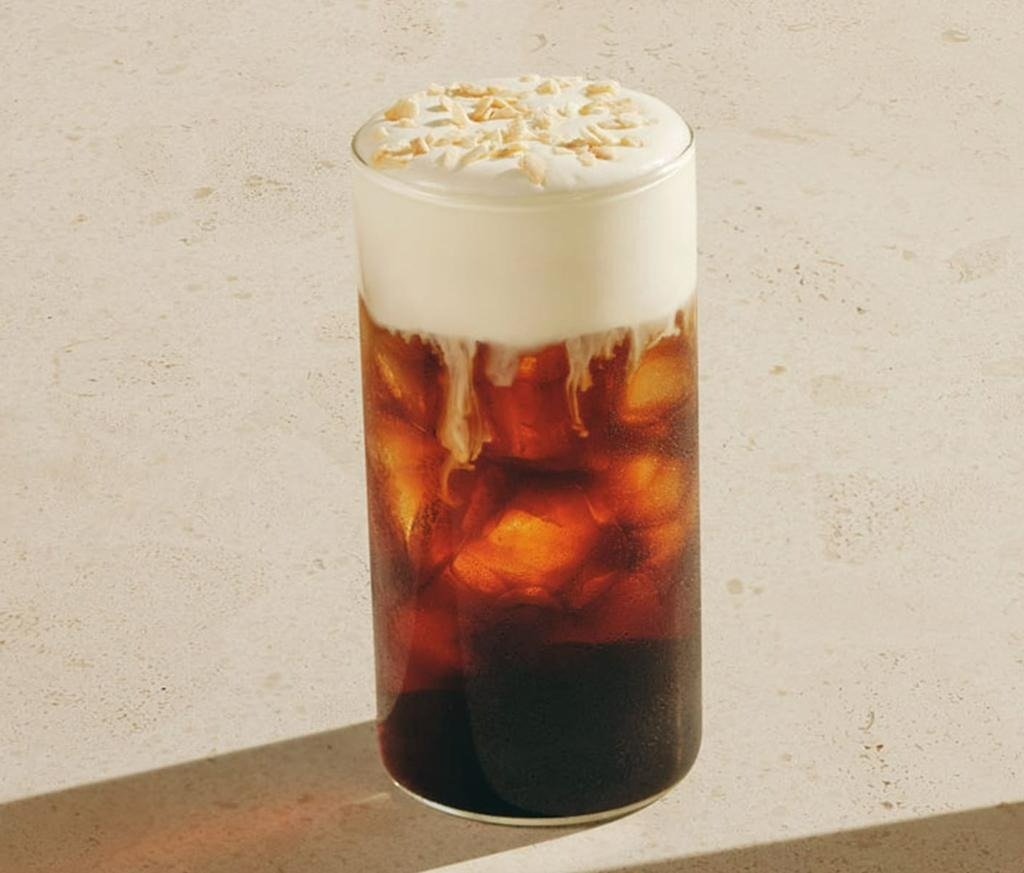
Coconut cloud iced coffee is a refreshing drink concept that combines the roasted flavor of coffee with the mild sweetness and tropical aroma of coconut.
The defining feature is its soft, cloud-like topping made with a coconut-based foam. This adds richness without requiring a heavy whipped cream layer.
Suggested ingredients:
- 150 ml chilled cold brew or strongly brewed chilled coffee
- 15 ml coconut syrup
- 100 ml cold water or milk, depending on the coffee base
- 40 ml coconut cold foam
- Ice cubes
- Toasted coconut flakes for garnish
How to prepare it:
- Fill a clear glass with ice.
- Mix the cold brew with coconut syrup and the chosen liquid.
- Prepare coconut cold foam using a suitable coconut-based barista product or a tested coconut-and-milk mixture.
- Slowly add the foam to the top of the coffee.
- Finish with a small amount of toasted coconut flakes.
Cold brew is a particularly suitable base because its smooth, mellow character allows the coconut flavor to stand out.
Coconut beverages vary significantly in fat content and foaming ability, so cafes should test different products before choosing one for regular service. A barista-style coconut milk or a carefully developed coconut foam blend can help create a more stable topping.
Brown Sugar Cinnamon Shaken Espresso
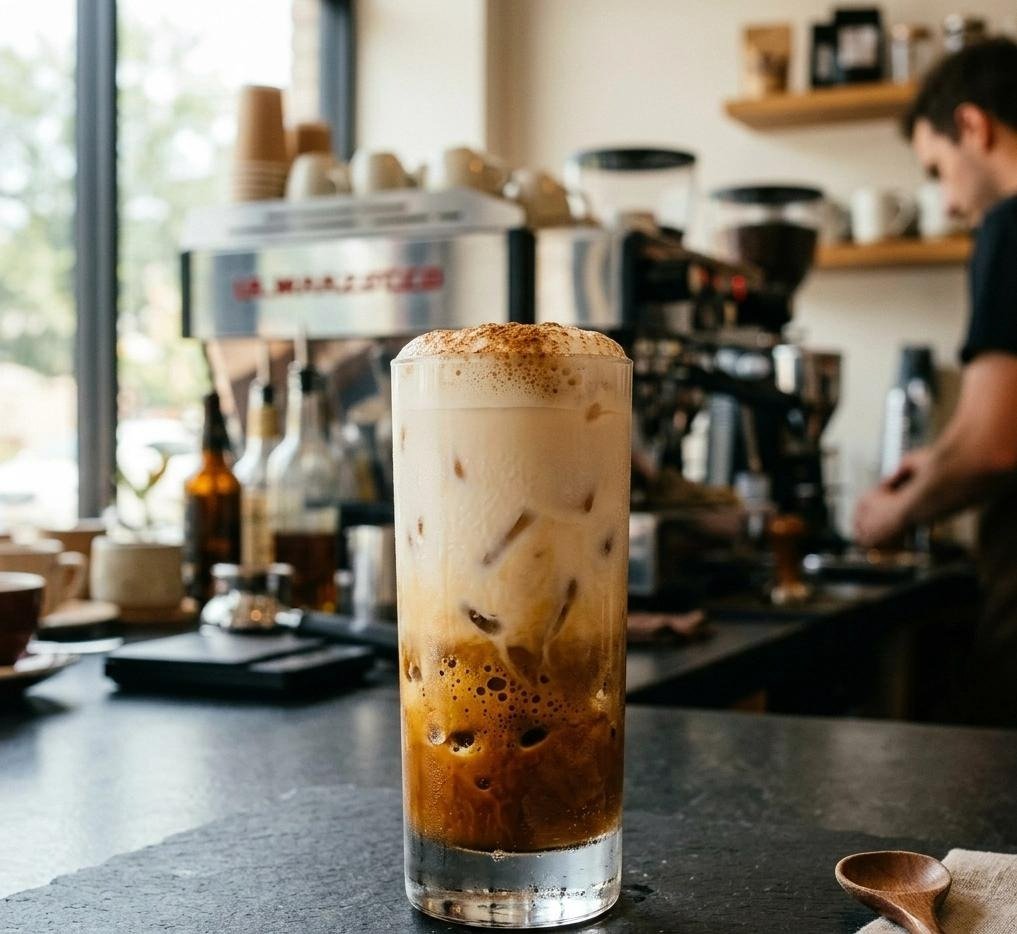
Shaken espresso is a useful option for cafes that want to offer a bold iced coffee with a light, foamy texture. Shaking freshly prepared espresso with ice and sweetener cools the coffee quickly while introducing small bubbles that create a refreshing mouthfeel.
The brown sugar cinnamon version adds warm sweetness and gentle spice, making it an approachable alternative to a traditional iced latte.
Suggested ingredients:
- 2 shots of espresso
- 10–15 ml brown sugar syrup
- A small pinch of ground cinnamon
- 60–90 ml cold milk or oat milk
- Ice cubes
How to prepare it:
- Prepare the espresso and immediately pour it into a cocktail shaker or sealed drink shaker.
- Add brown sugar syrup, cinnamon, and a generous amount of ice.
- Shake vigorously until the mixture is thoroughly chilled and lightly foamy.
- Strain into a glass filled with fresh ice.
- Top with cold milk or oat milk and finish with a light dusting of cinnamon.
The drink should taste strongly of coffee, with brown sugar providing a rounded sweetness and cinnamon adding a warm aroma.
For consistent results, cafes should standardize the amount of ice, shaking time, and espresso yield. Excessive shaking or using too little ice can produce an inconsistent temperature and texture.
Orange Vanilla Cold Brew

Orange vanilla cold brew is an interesting combination for customers who enjoy refreshing drinks with bright citrus aromas.
The mellow profile of cold brew provides a smooth coffee foundation, while orange introduces a fresh, fruity note. Vanilla softens the citrus and gives the drink a rounded finish.
Suggested ingredients:
- 150 ml cold brew concentrate diluted to serving strength, as needed
- 10 ml vanilla syrup
- 10–15 ml fresh orange juice or a small amount of orange syrup
- 50–80 ml chilled water, depending on concentrate strength
- Ice cubes
- Orange peel for garnish
How to prepare it:
- Fill a glass with ice.
- Combine the cold brew, vanilla syrup, and orange ingredient.
- Add chilled water if the cold brew is concentrated.
- Stir gently until the flavors are evenly distributed.
- Garnish with a small strip of orange peel.
A medium-roast coffee with chocolate, caramel, or mild fruit notes can provide a pleasant base for this recipe. Strongly acidic coffee combined with a large amount of citrus juice may taste sharp, so start with a small quantity and adjust after tasting.
For cafes, orange vanilla cold brew can be prepared efficiently using a batch of ready-to-serve cold brew and measured flavor ingredients.
How to Make Iced Coffee Recipes More Appealing
The success of an iced coffee recipe depends on more than its ingredients. Temperature, dilution, ice quality, texture, and presentation all influence the final experience.
Practical tips for cafe owners:
- Use adequately chilled ingredients: Cold milk, cold brew, and chilled syrups help prevent excessive melting of ice.
- Consider dilution: Large, solid ice cubes generally melt more slowly than small or crushed ice, helping maintain the drink’s intended flavor.
- Layer ingredients carefully: Pouring liquids slowly can create attractive layers without requiring additional ingredients.
- Balance the sweetness: Cold temperatures can change how sweetness is perceived, so test each recipe at its intended serving temperature.
- Prepare cold foam consistently: Standardize the milk type, temperature, and frothing method to achieve a stable, repeatable texture.
- Use suitable serving glasses: Transparent glasses are particularly effective for layered and colorful drinks.
For cafes developing a 2027 menu, a useful starting point is to select two or three iced coffee recipes that share ingredients but offer noticeably different flavor experiences. One could focus on fruit, another on creamy texture, and a third on warm spices or dessert-inspired sweetness.
This gives customers meaningful variety while allowing baristas to prepare drinks efficiently and maintain consistent quality.
Functional Coffee Recipes: Beyond Flavor and Caffeine
Coffee is traditionally associated with energy and enjoyment, but cafe customers are also showing interest in beverages that fit specific lifestyle preferences. Some look for additional protein, others prefer lower-sugar options, while some are curious about ingredients such as matcha, cocoa, and functional mushroom blends.
Functional coffee recipes are an interesting direction for cafes in 2027 because they allow businesses to offer something different from conventional espresso drinks. The key is to focus on enjoyable flavor, appealing texture, and transparent ingredient information rather than making exaggerated health claims.
Protein Vanilla Iced Latte
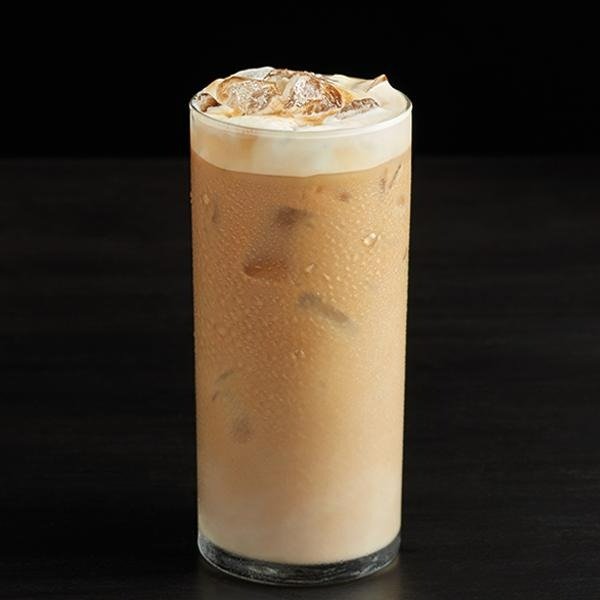
A protein vanilla iced latte combines the familiar taste of an iced latte with a protein-enriched milk or ready-to-drink protein beverage. It can appeal to customers looking for a more substantial coffee option without making the drink taste like a traditional protein shake.
Vanilla is an effective flavor choice because its gentle sweetness complements espresso and can help balance the distinctive taste of some protein products.
Suggested ingredients for one serving:
- 1–2 shots of espresso (30–60 ml)
- 180 ml chilled protein-enriched milk or a suitable ready-to-drink protein beverage
- 5–10 ml vanilla syrup, adjusted to taste
- Ice cubes
- A small pinch of cinnamon (optional)
How to prepare it:
- Prepare the espresso and allow it to cool slightly so it does not immediately melt the ice.
- Pour the vanilla syrup into a tall serving glass.
- Add the chilled protein beverage and stir gently until combined.
- Fill the glass with ice and slowly pour the espresso over the top.
- Stir before drinking or serve layered for a more attractive presentation.
The ideal result is a smooth, creamy latte with a noticeable coffee flavor and a mild vanilla finish. The protein ingredient should enhance the drink’s body without creating a chalky or excessively thick texture.
Cafe preparation tips:
- Choose a protein beverage that mixes smoothly with espresso and has a flavor that does not overpower the coffee.
- Test the recipe with both dairy-based and plant-based protein options if your customers have different dietary preferences.
- Avoid adding hot espresso directly to some protein mixtures without testing, as heat and acidity can affect texture.
- Clearly display the protein content only when it has been verified from the actual ingredients and serving size.
- Offer adjustable sweetness to accommodate customers who prefer a less sweet beverage.
For a cafe, this drink can be positioned as a protein-enhanced coffee option rather than a meal replacement. The most important factor is making it taste like an enjoyable latte first.
Matcha Espresso Fusion
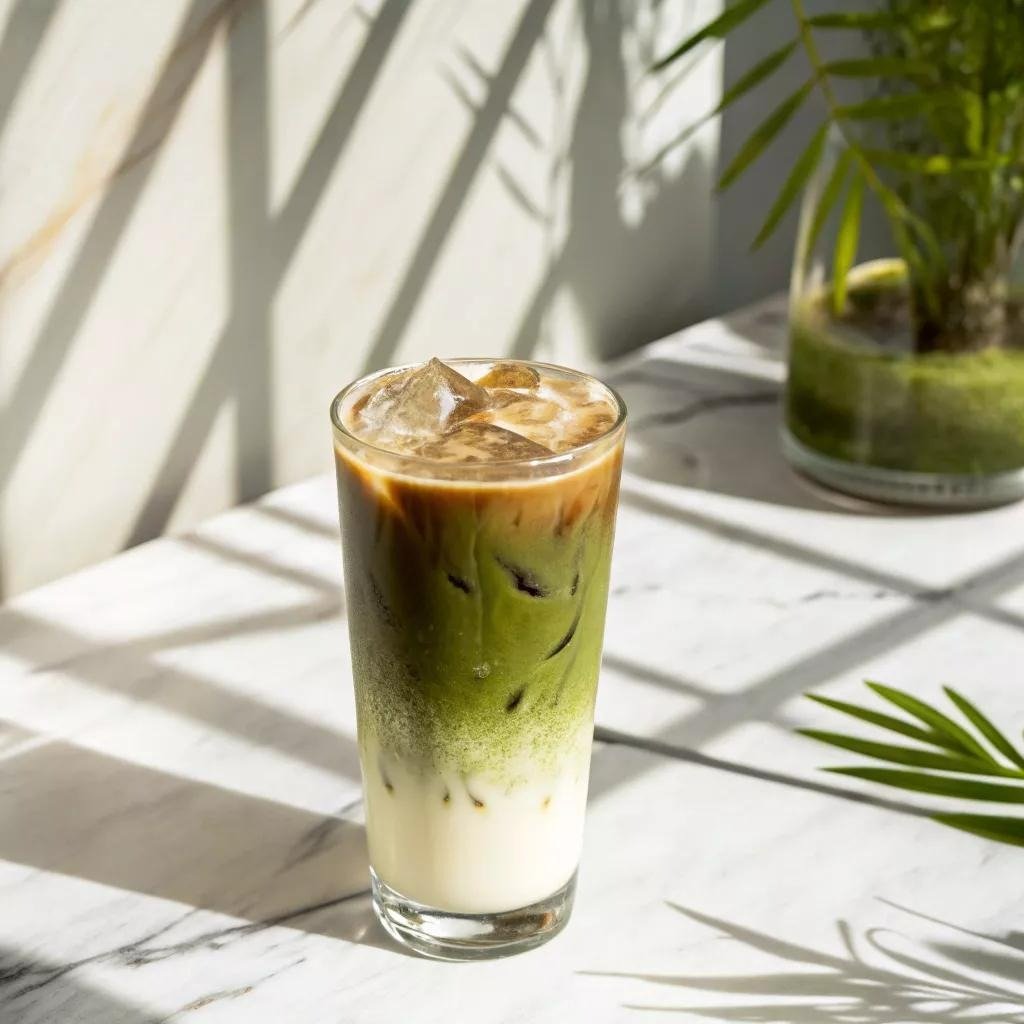
Matcha espresso fusion combines two recognizable beverages in a single glass. Matcha contributes a vegetal, slightly sweet, and sometimes grassy flavor, while espresso adds roasted depth and bitterness.
The contrasting green and brown layers also make this drink particularly appealing for cafes interested in visually distinctive menu items.
Suggested ingredients:
- 1 shot of espresso (30 ml)
- 2 g high-quality matcha powder
- 50 ml warm water (approximately 70–80°C)
- 120 ml cold milk or oat milk
- 10 ml vanilla syrup or simple syrup
- Ice cubes
How to prepare it:
- Sift the matcha powder into a small bowl to remove lumps.
- Add the warm water and whisk until the matcha is smooth and lightly foamy.
- Add the syrup and cold milk to a serving glass.
- Fill the glass with ice and pour in the prepared matcha.
- Slowly add the espresso over the back of a spoon to create a layered effect.
The matcha should be smooth rather than gritty, while the espresso should provide enough intensity to balance the tea’s vegetal character. A medium-roast espresso with chocolate or nutty notes can be a suitable starting point.
For a more integrated flavor, customers can stir the drink before drinking. The layered presentation offers a striking first impression, but the combined flavor is what determines whether the recipe deserves a permanent place on the menu.
Why it may work for cafes:
- It combines two popular beverage styles in one drink.
- The contrasting colors create a recognizable visual identity.
- Matcha can also be used in other cafe beverages, helping reduce ingredient waste.
- The recipe can be adapted with different milk options and sweetness levels.
Cafes should use fresh, properly stored matcha and explain that the drink contains caffeine from both matcha and espresso. This is especially useful for customers who are monitoring their caffeine intake.
Cinnamon Cacao Functional Latte

Cinnamon cacao functional latte is a comforting coffee recipe that combines espresso, cocoa, milk, and a gentle touch of cinnamon. It is a practical option for cafes that want to introduce a more ingredient-focused beverage without using complicated preparation methods.
Cocoa contributes a rich chocolate flavor, while cinnamon provides warmth and aroma. Together, they can create a drink that feels indulgent even when the recipe uses only a modest amount of added sugar.
Suggested ingredients:
- 1–2 shots of espresso
- 180 ml milk or oat milk
- 5–8 g unsweetened cocoa powder
- 5–10 ml maple syrup or another preferred sweetener
- A small pinch of ground cinnamon
- A little warm water for mixing the cocoa
How to prepare it:
- Mix the cocoa powder with a small amount of warm water to form a smooth paste.
- Add the sweetener and cinnamon, stirring until evenly combined.
- Prepare the espresso and mix it with the cocoa base.
- Steam the milk until smooth and pour it into the espresso mixture.
- Finish with a light dusting of cocoa powder or cinnamon.
The result should have a rich chocolate aroma, gentle spice, and a clear coffee finish. Unsweetened cocoa is particularly useful because it allows the cafe to control the final sweetness.
For a cold variation, dissolve the cocoa thoroughly in a small amount of warm liquid before adding chilled milk and ice. This helps prevent dry cocoa powder from forming lumps in the finished drink.
Mushroom-Inspired Mocha

Mushroom-inspired mocha is a specialty coffee concept that uses a mushroom coffee blend or an appropriately formulated mushroom ingredient alongside familiar mocha flavors.
Many mushroom coffee products combine coffee with ingredients such as lion’s mane, reishi, or chaga. Their flavor can vary depending on the blend, making recipe testing particularly important before introducing the drink to customers.
Suggested ingredients:
- 1 serving of a commercially prepared mushroom coffee blend, according to its label
- 120–150 ml milk or oat milk
- 5–10 g cocoa powder or chocolate sauce
- 5–10 ml vanilla syrup, if needed
- A small amount of hot water, as required by the coffee blend
How to prepare it:
- Prepare the mushroom coffee blend according to its manufacturer’s instructions.
- Mix the cocoa powder with a little warm water or use a measured portion of chocolate sauce.
- Combine the prepared coffee with the chocolate base.
- Add steamed milk and stir until the drink is smooth.
- Finish with a small amount of cocoa powder if desired.
Chocolate is a useful pairing because its deep flavor can complement the earthy or woody notes found in some mushroom coffee blends.
Cafe owners should choose products from reputable suppliers, review ingredient information, and consider potential allergens or interactions that customers may need to discuss with a qualified healthcare professional. Avoid promising that a mushroom coffee drink improves memory, reduces stress, or treats a medical condition unless such claims are appropriately supported and legally permitted.
How to introduce functional coffee recipes successfully
Functional-inspired beverages are best treated as an additional menu category rather than a replacement for conventional coffee.
A practical way to introduce them is to begin with one or two recipes that have familiar flavors. A protein vanilla iced latte or cinnamon cacao latte may be easier for customers to understand than a drink featuring several unfamiliar ingredients.
Keep the menu descriptions clear, identify the main ingredients, and provide accurate nutritional information when available. Most importantly, conduct taste tests to ensure that each drink delivers a satisfying coffee experience.
Botanical and Floral Coffee Flavors Creating New Experiences
Botanical and floral flavors offer another creative direction for cafes exploring coffee recipe trends in 2027. Ingredients such as lavender, rose, rosemary, and orange blossom can add aromatic complexity to espresso and cold brew without relying on traditional dessert-style sweetness.
These flavors are especially interesting for cafes that want to develop elegant signature beverages with a distinctive identity. However, floral and herbal ingredients can quickly become overpowering, so careful measurement and a balanced coffee base are essential.
Lavender Honey Latte

Lavender honey latte combines the gentle floral aroma of lavender with the rounded sweetness of honey and the rich flavor of espresso. It is a suitable choice for customers who enjoy fragrant, lightly sweetened coffee beverages.
The honey provides a natural sweetness, while lavender contributes a delicate herbal-floral note. A medium-roast espresso can help maintain balance without overpowering the more subtle ingredients.
Suggested ingredients:
- 1–2 shots of espresso
- 180 ml milk or oat milk
- 10–15 ml lavender syrup
- 5 ml honey, adjusted to taste
- A small culinary lavender garnish (optional)
How to prepare it:
- Prepare the espresso and pour it into a preheated serving cup.
- Add the lavender syrup and honey, then stir until fully dissolved.
- Steam the milk until smooth and velvety.
- Pour the milk into the espresso mixture, creating latte art if desired.
- Add a very small culinary lavender garnish, if suitable.
The finished drink should have a mild floral aroma, gentle honey sweetness, and a balanced espresso finish. Lavender should remain in the background rather than becoming the dominant flavor.
Barista tip: Start with less lavender syrup than you think you need. Excessive lavender can make the drink taste medicinal or perfumelike. Test the recipe with different espresso blends and adjust the syrup gradually.
For busy cafes, a measured lavender honey syrup can simplify preparation. Store homemade syrup under appropriate refrigerated conditions and follow a consistent shelf-life procedure.
Rose Vanilla Iced Coffee
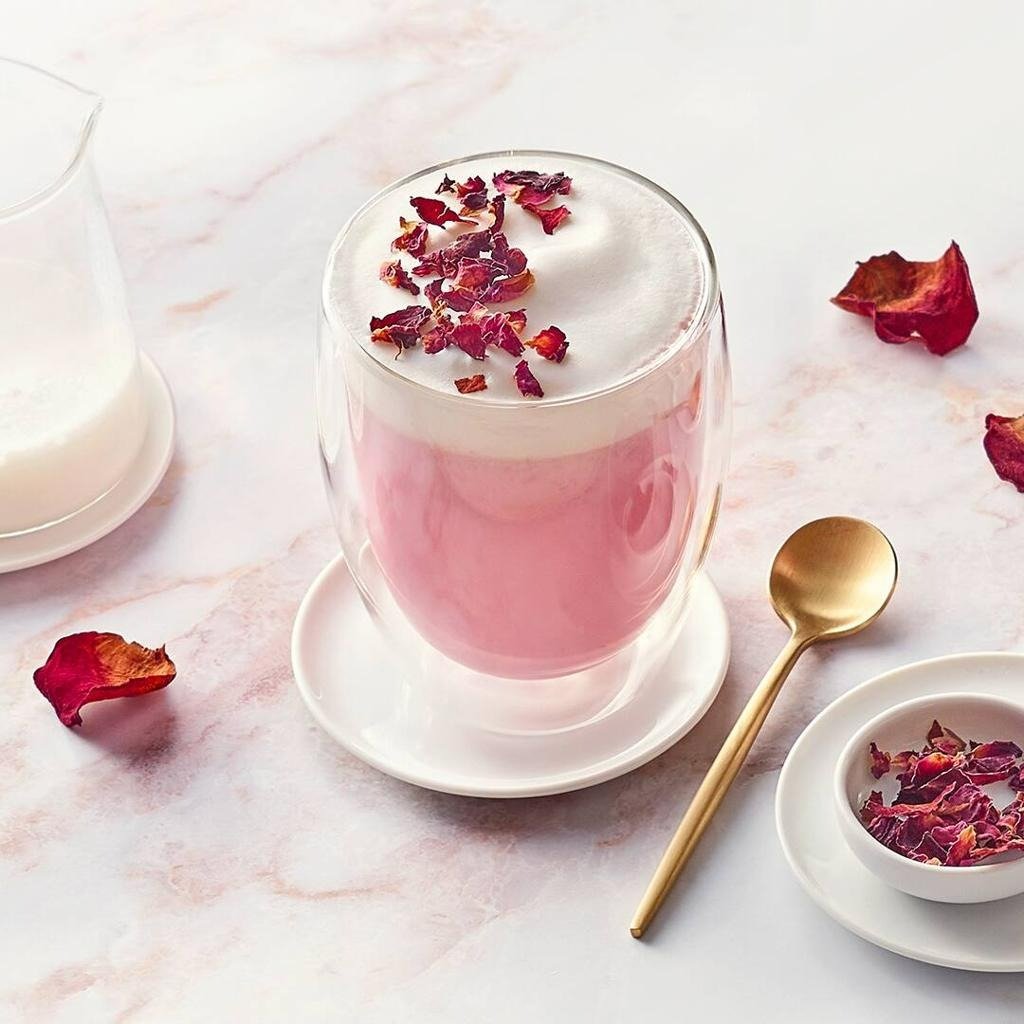
Rose vanilla iced coffee brings together a gentle floral aroma and a familiar vanilla sweetness. Its light fragrance and attractive appearance can make it an appealing specialty drink for cafes that focus on refined, dessert-inspired beverages.
The recipe works particularly well with chilled espresso or a smooth cold brew base, depending on how prominent the cafe wants the coffee flavor to be.
Suggested ingredients:
- 120–150 ml chilled cold brew or chilled espresso diluted to taste
- 100 ml cold milk
- 5–10 ml rose syrup
- 5 ml vanilla syrup
- Ice cubes
- A small culinary rose petal garnish (optional)
How to prepare it:
- Add the rose syrup and vanilla syrup to a tall glass.
- Fill the glass with ice and pour in the cold milk.
- Add the chilled coffee slowly to create a layered appearance.
- Stir gently if a uniform color and flavor are preferred.
- Finish with a suitable rose petal garnish, if desired.
The flavor should be soft and fragrant, with vanilla rounding out the floral character and coffee providing depth.
Rose syrup can vary considerably in strength and sweetness. Cafes should test the specific brand or homemade recipe they plan to use because even small differences in concentration can noticeably affect the final drink.
For an alternative presentation, the beverage can be topped with a thin layer of vanilla cold foam. This creates a creamy texture and provides an opportunity for attractive layered photography.
Orange Blossom Cold Brew

Orange blossom cold brew combines the smoothness of cold-brewed coffee with the delicate aroma of orange blossom. Unlike a strongly citrus-forward drink, this recipe focuses on fragrance, gentle sweetness, and the natural depth of coffee.
It can be an excellent option for cafes seeking a refreshing alternative to conventional flavored iced coffee.
Suggested ingredients:
- 150 ml prepared cold brew
- 5–10 ml orange blossom syrup
- 30–50 ml chilled water, if needed
- Ice cubes
- A strip of orange peel
- A small amount of orange blossom water, optional and only if food-grade
How to prepare it:
- Fill a serving glass with ice.
- Pour in the cold brew and add the orange blossom syrup.
- Add chilled water if the coffee is too concentrated.
- Stir gently to distribute the ingredients.
- Express the aroma from a strip of orange peel over the drink and use it as a garnish.
Orange blossom should be used sparingly because its fragrance can quickly dominate the beverage. A smooth cold brew with chocolate, caramel, or mild citrus notes can help create a balanced combination.
If using orange blossom water instead of a prepared syrup, begin with only a few drops. It is highly concentrated, and too much can create an unpleasant perfumed taste.
Rosemary Brown Sugar Espresso

Rosemary brown sugar espresso offers a more adventurous flavor combination for customers who enjoy aromatic and slightly savory ingredients.
Rosemary has a woody, herbal fragrance that can complement the roasted, caramel-like notes of espresso. Brown sugar softens its sharper edges and adds a warm sweetness.
Suggested ingredients:
- 2 shots of espresso
- 10–15 ml rosemary brown sugar syrup
- 100–120 ml cold water or milk
- Ice cubes
- A small fresh rosemary sprig for garnish
How to prepare it:
- Prepare a rosemary brown sugar syrup by gently heating equal parts brown sugar and water until dissolved.
- Add a small rosemary sprig to the warm syrup and allow it to infuse briefly.
- Remove the rosemary and cool the syrup completely.
- Add the syrup to a glass with ice and pour in the cold water or milk.
- Add the espresso and stir gently.
- Garnish with a small rosemary sprig if desired.
The final drink should have a subtle herbal aroma rather than a strong rosemary taste. For the iced version, cold water creates a lighter espresso drink, while milk produces a richer, more approachable latte-style beverage.
Cafes can adjust the infusion time to control the strength of the rosemary flavor. A short infusion is usually a good starting point, followed by a tasting session to establish the ideal recipe.
How to Balance Floral and Botanical Flavors With Coffee
Botanical coffee recipes require a lighter touch than many conventional flavored lattes. Strong floral aromas and herbal ingredients can easily overwhelm delicate coffee notes.
A few practical techniques can help cafes achieve a better balance:
- Choose the right coffee: Medium roasts with chocolate, caramel, or mild fruit notes are often flexible starting points.
- Measure concentrated ingredients carefully: Rose water, orange blossom water, and herbal extracts can be very potent.
- Control sweetness: Honey, vanilla, and brown sugar can soften floral or herbal notes, but excessive sweetness may hide the coffee.
- Use fresh ingredients thoughtfully: Herbs and garnishes should be clean, food-safe, and suitable for beverage use.
- Test hot and cold versions separately: Temperature changes how aromas and sweetness are perceived, so a syrup that works well in a latte may need adjustment for cold brew.
- Keep garnishes practical: A small citrus peel or herb sprig can add aroma without making the drink difficult to serve.
Cafes should also ensure that any flowers, herbs, or extracts used in beverages are food-grade. Decorative flowers sold for ornamental purposes are not automatically safe to consume.
The strongest botanical coffee recipes are defined by balance. The aroma should invite customers to take a sip, the coffee should remain recognizable, and the additional ingredients should create a memorable finish rather than overwhelm the drink.
For a 2027 menu, consider testing one floral latte and one botanical cold brew first. These two drink styles offer different experiences while allowing the cafe to evaluate customer interest before expanding into more complex flavor combinations.
The Rise of Plant-Based Milk in Innovative Cafe Coffee Recipes
Plant-based milk is an important ingredient for cafes developing creative coffee recipes for 2027. Oat, almond, coconut, and soy milk each offer different flavors, textures, and steaming characteristics, giving baristas more opportunities to create distinctive beverages.
Beyond accommodating customers who avoid dairy, alternative milk can become a central part of a signature drink. The natural sweetness of oat milk, the mild nuttiness of almond milk, and the tropical aroma of coconut milk can all influence the final flavor of a coffee recipe.
For cafe owners, the goal is to choose plant-based milk that complements the coffee rather than simply replacing regular dairy milk.
Toasted Coconut Oat Latte
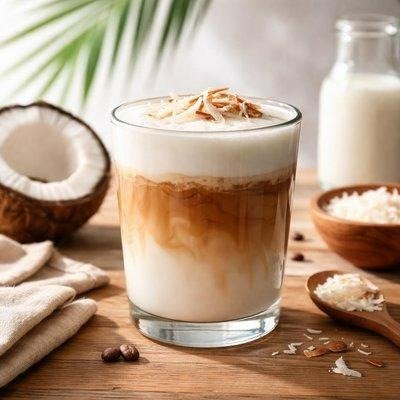
Toasted coconut oat latte combines the creamy texture of oat milk with the warm, tropical aroma of toasted coconut. The combination creates a rich but approachable beverage that works well as both a hot latte and an iced coffee.
Oat milk generally has a naturally mild sweetness, while toasted coconut contributes a nutty aroma and a slightly caramelized flavor. Together, they create a balanced drink that does not necessarily require a large amount of added syrup.
Suggested ingredients:
- 1–2 shots of espresso (30–60 ml)
- 180 ml barista-style oat milk
- 10–15 ml toasted coconut syrup
- 1 teaspoon toasted coconut flakes
- Ice cubes for the iced version
How to prepare it:
- Prepare the espresso and pour it into a serving cup or glass.
- Add the toasted coconut syrup and stir until evenly combined.
- For a hot latte, steam the oat milk until smooth and pour it over the espresso.
- For an iced latte, add ice and chilled oat milk, then stir gently.
- Finish with a small amount of toasted coconut flakes.
The finished latte should have a creamy body, gentle sweetness, and a noticeable toasted coconut aroma. A medium-roast espresso with chocolate or nutty notes is a good starting point because it complements the coconut without creating excessive bitterness.
Cafe tip: Toasted coconut syrup can be used in other menu items, including iced coffee, cold foam, and dessert-inspired beverages. This makes it a useful ingredient for cafes that want to introduce a new flavor without purchasing too many specialized products.
Almond Butter Espresso Latte
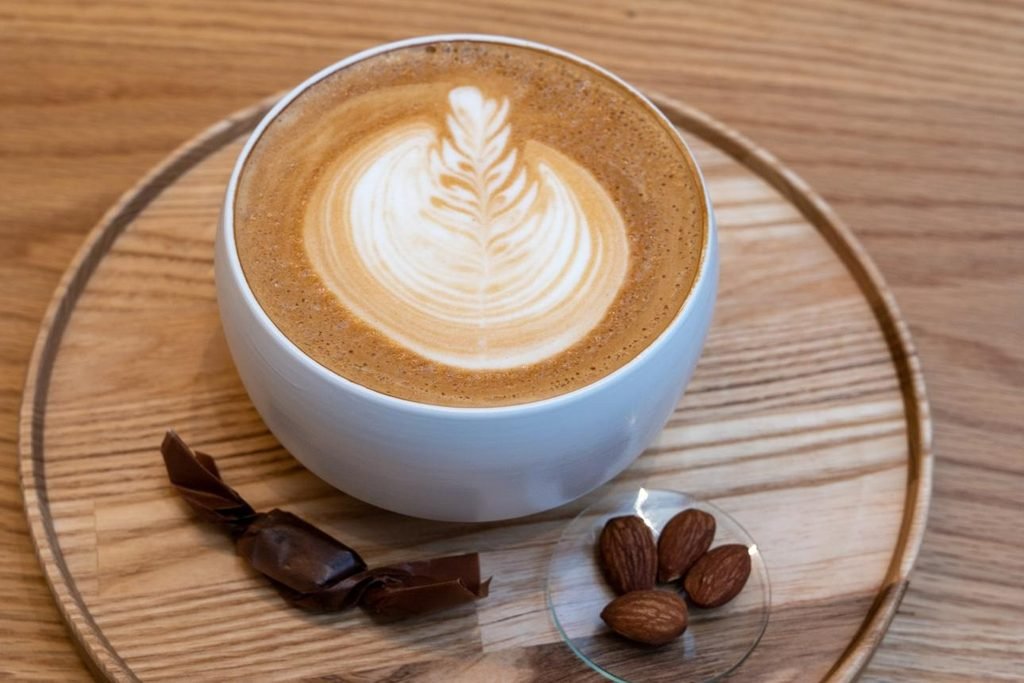
Almond butter espresso latte offers a richer, nuttier alternative to a conventional flavored latte. Almond butter provides a roasted, slightly earthy taste and a creamy texture that can pair beautifully with espresso.
The drink is particularly suitable for cafes that want to explore nut-based flavors beyond traditional almond syrup.
Suggested ingredients:
- 1–2 shots of espresso
- 180 ml milk or almond milk
- 10–15 g smooth almond butter
- 5–10 ml maple syrup or vanilla syrup
- A small pinch of cinnamon (optional)
- Finely chopped almonds for garnish
How to prepare it:
- Add the almond butter and maple syrup to a small mixing jug.
- Pour in a little warm milk and whisk until the almond butter forms a smooth mixture.
- Add the espresso and stir thoroughly.
- Steam the remaining milk and combine it with the espresso mixture.
- Pour into a serving cup and finish with a light dusting of cinnamon or finely chopped almonds.
The key to this recipe is achieving a smooth consistency. Almond butter can separate or form small lumps when added directly to coffee, so blending it with a small quantity of warm milk first helps create a more uniform drink.
For an iced variation, blend the almond butter with a small amount of warm milk before cooling the mixture. Combine it with chilled milk, espresso, and ice, then stir or shake until evenly distributed.
Cafes should clearly identify almond butter as an allergen-containing ingredient and prevent cross-contact during preparation.
Soy Milk Brown Sugar Cappuccino

Soy milk brown sugar cappuccino combines the familiar structure of a traditional cappuccino with the mild sweetness of brown sugar and the distinctive character of soy milk.
Soy milk is often a useful option for espresso beverages because many barista-style varieties are formulated to produce stable foam. Its slightly bean-like flavor can also complement darker espresso roasts when the recipe is properly balanced.
Suggested ingredients:
- 1–2 shots of espresso
- 120–150 ml barista-style soy milk
- 10 ml brown sugar syrup
- A pinch of cinnamon or cocoa powder
- A small amount of brown sugar for garnish, if desired
How to prepare it:
- Prepare the espresso and add the brown sugar syrup.
- Stir until the syrup is completely dissolved.
- Steam the soy milk, incorporating enough air to produce a smooth, fine-textured foam.
- Pour the steamed milk over the espresso, holding back some foam initially.
- Finish with a thick but smooth layer of milk foam.
- Add a very light dusting of cinnamon or cocoa powder.
A good soy milk cappuccino should have a rich coffee aroma, smooth foam, and a slightly sweet finish. The brown sugar should enhance the drink without masking the espresso.
For cafes, barista-style soy milk is usually preferable to ordinary soy beverages because it is specifically designed for steaming and foaming. However, products vary, so it is worth testing different brands with the cafe’s espresso blend.
Pistachio Oat Cold Foam Coffee
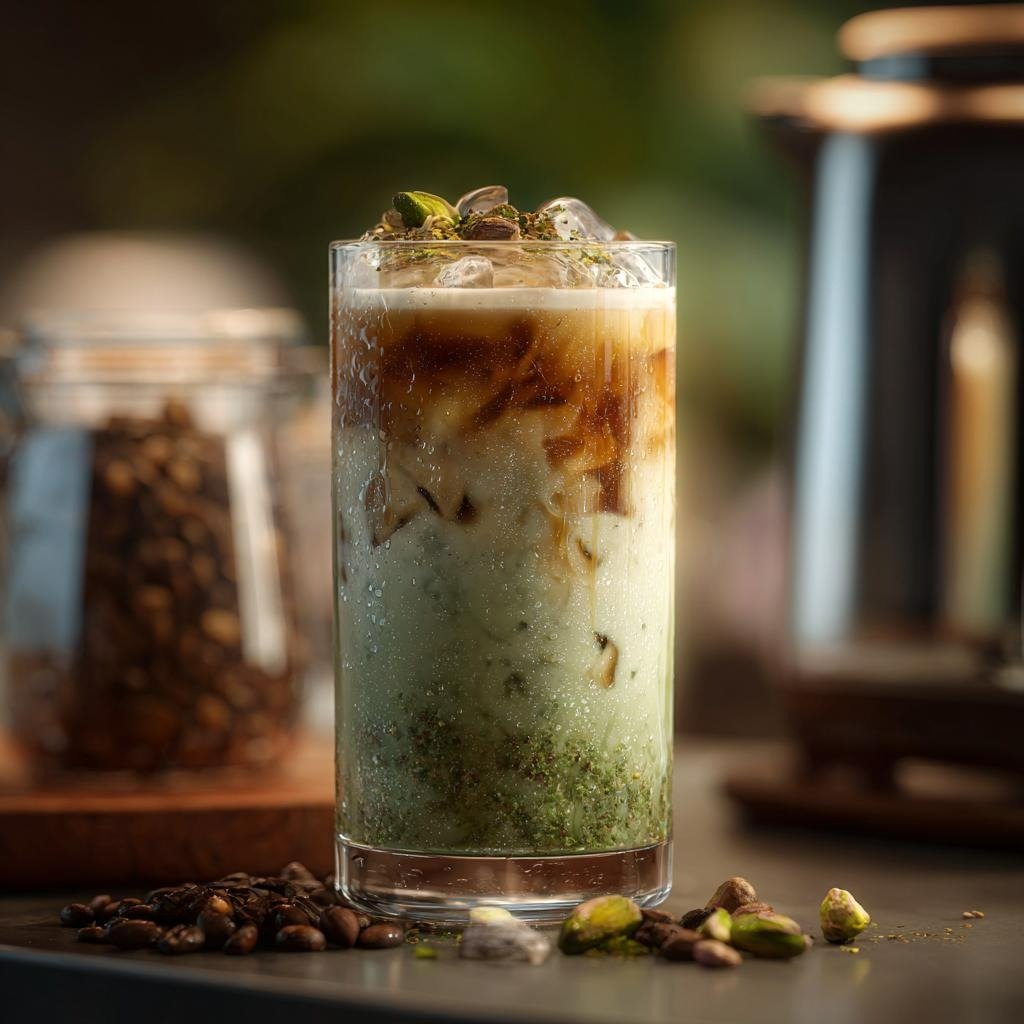
Pistachio oat cold foam coffee combines the smoothness of oat milk with the nutty flavor of pistachio and the refreshing character of chilled coffee.
Unlike a conventional pistachio latte, this recipe places greater emphasis on the cold foam. The creamy topping creates a contrast with the stronger coffee underneath, making each sip a combination of bold espresso and soft, nutty sweetness.
Suggested ingredients:
- 120–150 ml chilled cold brew or chilled brewed coffee
- 60 ml barista-style oat milk
- 15 ml pistachio syrup or a smooth pistachio cream
- 40–50 ml oat-based cold foam
- Ice cubes
- Finely crushed pistachios for garnish
How to prepare it:
- Fill a tall glass with ice and pour in the chilled coffee.
- Add the oat milk and stir gently.
- Prepare the cold foam by frothing chilled oat milk with pistachio syrup or a suitable pistachio flavor base.
- Continue frothing until the mixture becomes creamy and thick enough to sit on top of the coffee.
- Spoon the pistachio foam over the drink.
- Garnish with a small amount of finely crushed pistachios.
The most important element is the cold foam’s stability. Some oat milk varieties produce a thinner foam than dairy milk, so cafes should select a barista-style product designed for cold frothing.
Pistachio syrup is often easier to standardize for high-volume service, while pistachio cream can create a richer and more authentic nutty flavor. Both options should be tested for consistency and allergen management.
Comparing Plant-Based Milk for Cafe Coffee Recipes
Different plant-based milks can produce noticeably different results in espresso, iced coffee, and specialty beverages. Choosing the right option depends on the drink’s flavor profile, desired texture, and preparation method.
| Plant-based milk | Flavor profile | Best coffee applications | Main consideration |
| Oat milk | Mild, naturally sweet, creamy | Lattes, iced coffee, cold foam | Some varieties produce thin foam |
| Almond milk | Light, nutty, slightly sweet | Iced lattes, espresso drinks | Can separate with acidic coffee |
| Coconut milk | Tropical, creamy, distinctive | Iced coffee, flavored lattes | Strong coconut flavor may dominate |
| Soy milk | Mildly bean-like, creamy | Cappuccinos, hot lattes | Some varieties may react to acidity |
| Pea-based milk | Neutral to mildly earthy | Lattes, protein-inspired drinks | Taste and texture vary by brand |
How Cafes Can Improve Plant-Based Coffee Drinks
Plant-based milk requires a little experimentation because not every product behaves the same way when exposed to heat, espresso acidity, or vigorous frothing.
These practical techniques can help improve drink quality:
- Choose barista-style products: These are generally formulated for better steaming and foam stability.
- Control steaming temperature: Overheating can damage the texture and flavor of some alternative milks. Follow the manufacturer’s guidance and test the ideal temperature for each product.
- Match the milk to the coffee: Nutty espresso blends often work well with oat or almond milk, while coconut milk can complement chocolate and tropical flavors.
- Test for separation: Some plant-based milks may split when combined with acidic espresso. Try different coffee blends and pouring methods before adding a recipe to the menu.
- Avoid excessive sweetness: Many alternative milk products already contain added sugar or natural sweetness, so adjust syrup quantities accordingly.
- Offer clear menu descriptions: Identify the type of milk used and note relevant allergens, including soy and tree nuts.
For a cafe introducing plant-based coffee recipe trends in 2027, oat milk is a useful starting point because it can work across several drink styles. Additional options can then be selected according to customer demand and the cafe’s existing equipment.
Nostalgic Coffee Recipes With a Modern Cafe Twist
Nostalgic flavors are a creative way to make a cafe menu feel familiar while still offering something new. Many customers enjoy beverages inspired by classic desserts, childhood treats, and comforting baked goods.
For cafes, these recipes offer an opportunity to turn recognizable flavors into distinctive coffee drinks. Ingredients such as chocolate, caramel, cinnamon, vanilla, marshmallow, and cream can be combined with espresso or cold brew to create beverages that feel indulgent without requiring an entirely unfamiliar flavor profile.
The best nostalgic coffee recipes recreate the character of a favorite dessert while preserving the aroma and taste of the coffee.
Tiramisu Cream Cold Brew
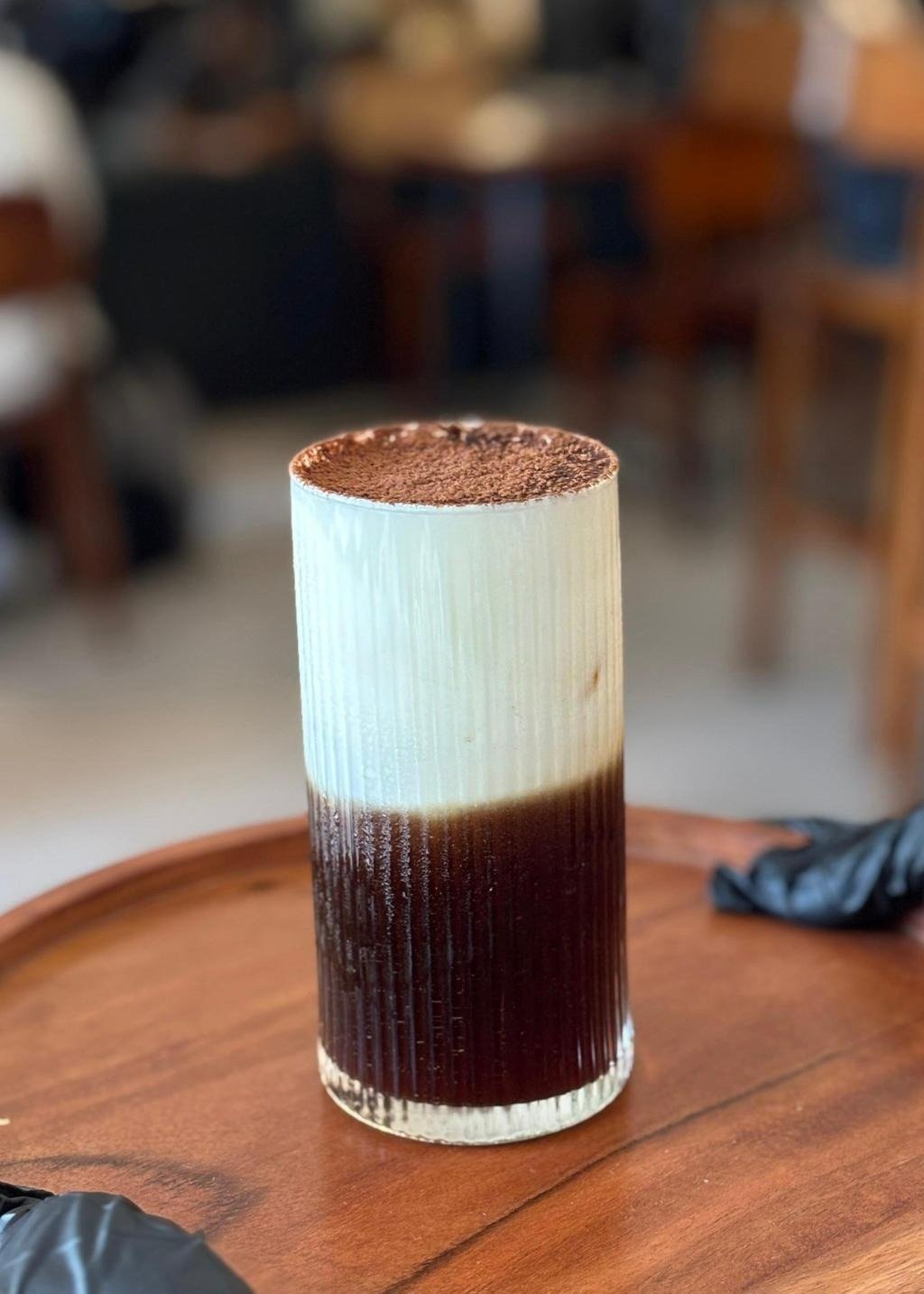
Tiramisu cream cold brew brings together two familiar favorites: smooth cold brew coffee and the creamy, cocoa-rich flavor of tiramisu.
Traditional tiramisu is known for its combination of coffee-soaked sponge, mascarpone cream, cocoa, and gentle sweetness. This coffee recipe takes inspiration from those flavors and transforms them into a refreshing cold beverage.
Suggested ingredients:
- 150 ml chilled cold brew
- 10–15 ml vanilla syrup
- 40 ml cold cream or a suitable cream-based cold foam
- 15 g mascarpone
- 5 ml milk, as needed
- Unsweetened cocoa powder for garnish
- Ice cubes
How to prepare it:
- Fill a tall glass with ice and pour in the cold brew.
- Add the vanilla syrup and stir gently.
- In a separate mixing jug, combine the mascarpone with the cream and a small amount of milk.
- Whisk or froth until the mixture becomes smooth, creamy, and pourable.
- Gently spoon the tiramisu cream over the cold brew.
- Finish with a light dusting of cocoa powder.
The mascarpone cream should be thick enough to create a distinct layer but light enough to blend gradually with the coffee as the customer drinks.
Cold brew is a suitable base because its smooth profile complements the richness of the cream. A medium or medium-dark roast with chocolate and caramel notes can help reinforce the dessert-inspired flavor.
For cafe operations, the cream mixture can be prepared in small batches and kept refrigerated under appropriate food-safety conditions. The recipe should be tested to ensure the cream remains stable throughout the intended service period.
Toasted Marshmallow Mocha
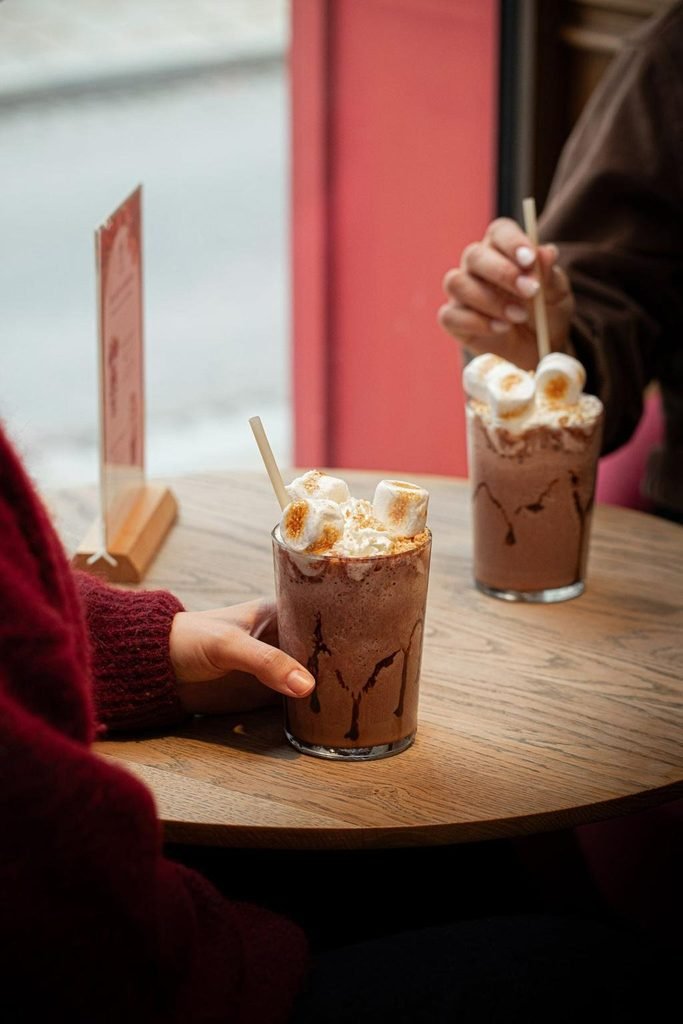
Toasted marshmallow mocha combines the familiar richness of chocolate with the sweet, lightly caramelized aroma of toasted marshmallows.
The drink is inspired by the flavors of toasted marshmallow desserts and campfire treats. Espresso provides a roasted foundation that prevents the chocolate and marshmallow from becoming overwhelmingly sweet.
Suggested ingredients:
- 1–2 shots of espresso
- 180 ml steamed milk
- 15 ml chocolate sauce
- 10 ml toasted marshmallow syrup
- 20–30 ml lightly whipped cream (optional)
- 1–2 small toasted marshmallows for garnish
How to prepare it:
- Add the chocolate sauce and toasted marshmallow syrup to a serving cup.
- Prepare the espresso and pour it over the flavor base.
- Stir until the chocolate sauce is completely incorporated.
- Steam the milk until smooth and pour it into the cup.
- Add a small amount of whipped cream if desired.
- Garnish with toasted marshmallows.
The finished mocha should have a strong chocolate aroma, soft sweetness, and a subtle toasted finish. Using a dark chocolate sauce can help balance the sweetness of the marshmallow syrup.
For an iced variation, combine the espresso, chocolate sauce, and marshmallow syrup before adding cold milk and ice. A small layer of toasted marshmallow cold foam can replace whipped cream for a more modern presentation.
Cafes should toast marshmallows using an appropriate food-safe method and avoid placing hot garnishes directly on plastic lids or other materials that are not designed for heat.
Cinnamon Roll Latte
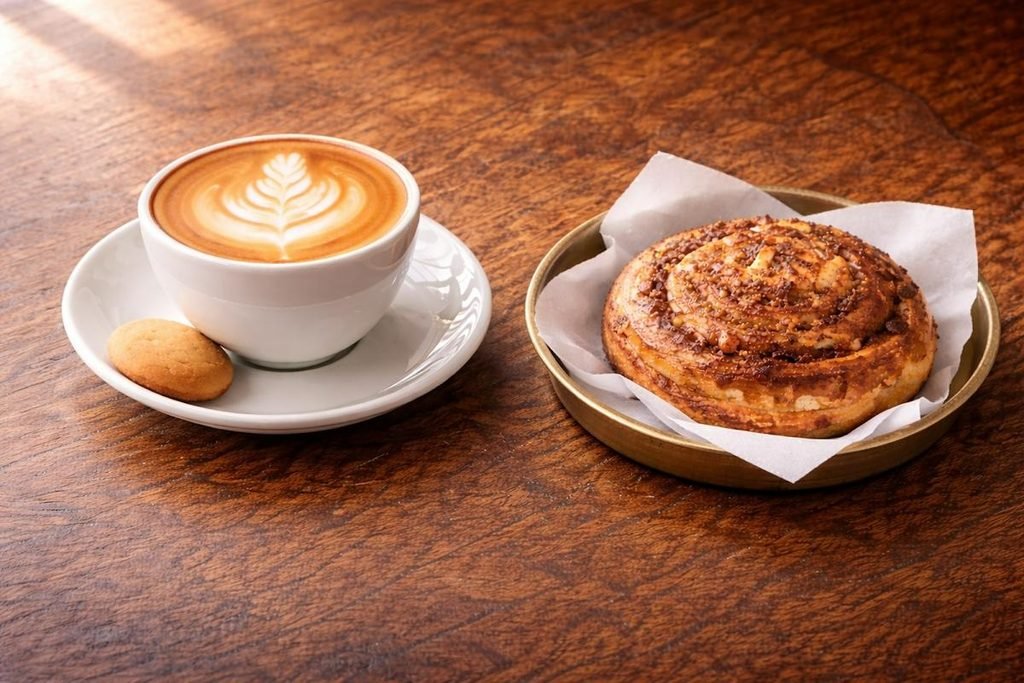
Cinnamon roll latte captures the comforting flavor of a freshly baked cinnamon roll in a warm, creamy coffee beverage.
The combination of cinnamon, brown sugar, vanilla, and espresso creates a familiar bakery-inspired flavor. It can be especially appealing during cooler weather, although an iced version can also work well for customers who prefer cold coffee.
Suggested ingredients:
- 1–2 shots of espresso
- 180 ml milk
- 10 ml brown sugar syrup
- 5 ml vanilla syrup
- A small pinch of ground cinnamon
- A little cinnamon powder for garnish
How to prepare it:
- Add the brown sugar syrup, vanilla syrup, and cinnamon to a serving cup.
- Prepare the espresso and pour it over the flavor mixture.
- Stir thoroughly to distribute the cinnamon and dissolve the syrups.
- Steam the milk until it has a silky texture.
- Pour the milk into the espresso mixture and create latte art if desired.
- Finish with a light sprinkle of cinnamon.
The cinnamon should provide warmth without creating a dry or powdery mouthfeel. For a smoother result, cafes can prepare a cinnamon-infused syrup instead of adding ground cinnamon directly to the drink.
A small amount of cream cheese-inspired cold foam can also be tested as a topping, adding a tangy richness reminiscent of cinnamon roll frosting. The topping should remain subtle so that it does not overpower the espresso.
Salted Caramel Pudding Coffee
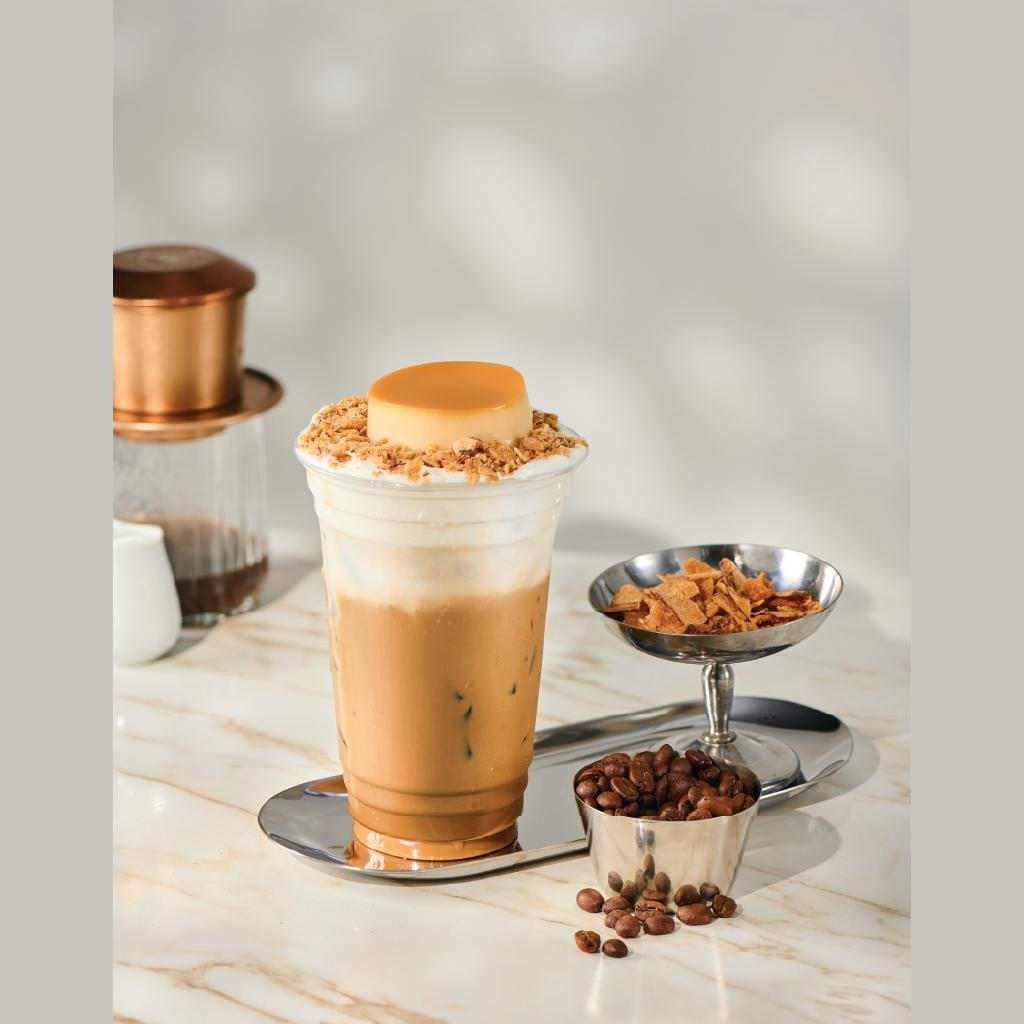
Salted caramel pudding coffee is a dessert-inspired beverage that combines coffee, caramel, creamy milk, and a soft pudding-like texture.
The recipe is particularly suitable for cafes interested in offering indulgent specialty drinks that can double as a dessert alternative. Its appeal comes from the contrast between strong coffee, sweet caramel, and a smooth creamy topping.
Suggested ingredients:
- 120–150 ml chilled coffee or cold brew
- 100 ml cold milk
- 15 ml salted caramel sauce
- 40–50 g smooth vanilla pudding
- Ice cubes
- A small pinch of sea salt
- Caramel drizzle for garnish
How to prepare it:
- Prepare the vanilla pudding in advance and chill it until firm but soft enough to blend.
- Add the salted caramel sauce to a serving glass.
- Add the chilled coffee and stir to combine.
- Fill the glass with ice and pour in the cold milk.
- Add a spoonful of smooth pudding or blend a portion of pudding with milk to create a creamy topping.
- Finish with a small amount of caramel drizzle and a tiny pinch of sea salt.
The pudding can be incorporated into the drink or served as a distinct creamy layer, depending on the intended presentation.
A smooth, lightly sweetened pudding is generally preferable because the caramel sauce already contributes considerable sweetness. A stronger cold brew base can also help maintain the coffee flavor in this richer beverage.
For busy cafes, pre-portioned pudding and measured caramel sauce can help reduce preparation time. However, dairy-based pudding must be stored and handled carefully according to food-safety requirements.
How to Make Nostalgic Coffee Recipes Feel Modern
Nostalgic drinks work best when they are more than ordinary coffee with extra syrup. A well-developed recipe should capture the recognizable flavor of the dessert while adding a distinctive coffee character.
Cafes can achieve this by focusing on a few practical techniques:
- Recreate signature dessert flavors: Use cocoa for tiramisu, toasted marshmallow for campfire-inspired drinks, and cinnamon with brown sugar for cinnamon roll beverages.
- Balance sweetness with espresso: A more concentrated coffee base can help prevent rich dessert flavors from overwhelming the drink.
- Use texture thoughtfully: Cold foam, whipped cream, smooth pudding, and steamed milk can recreate the creamy qualities of desserts.
- Keep toppings manageable: A small garnish can make a drink look appealing without slowing down service.
- Create hot and cold versions: Adapt suitable recipes to different customer preferences and seasons.
- Avoid unnecessary ingredients: A small number of carefully selected components often produces a cleaner flavor and a more consistent drink.
A useful strategy is to choose one recognizable dessert flavor and express it through coffee, texture, and aroma. A tiramisu-inspired drink, for example, does not need every ingredient found in the original dessert. Espresso, smooth cream, vanilla, and cocoa may be enough to create a satisfying interpretation.
For a 2027 cafe menu, nostalgic coffee recipes can provide a balance between familiarity and innovation. Customers may be more willing to try a new signature beverage when its flavor is inspired by something they already know and enjoy.
Low-Sugar and Naturally Sweetened Coffee Recipes
Lower-sugar coffee beverages are another useful direction for cafes planning their 2027 menus. Some customers want to reduce their intake of added sugar, while others simply prefer coffee that tastes less like a dessert.
Creating a flavorful low-sugar beverage does not mean removing every sweet ingredient. Coffee selection, milk choice, spices, cocoa, and naturally aromatic ingredients can all contribute to a drink that tastes satisfying with less added sweetness.
The most practical approach is to build flavor first and use sweeteners selectively.
Cinnamon Vanilla Cold Brew
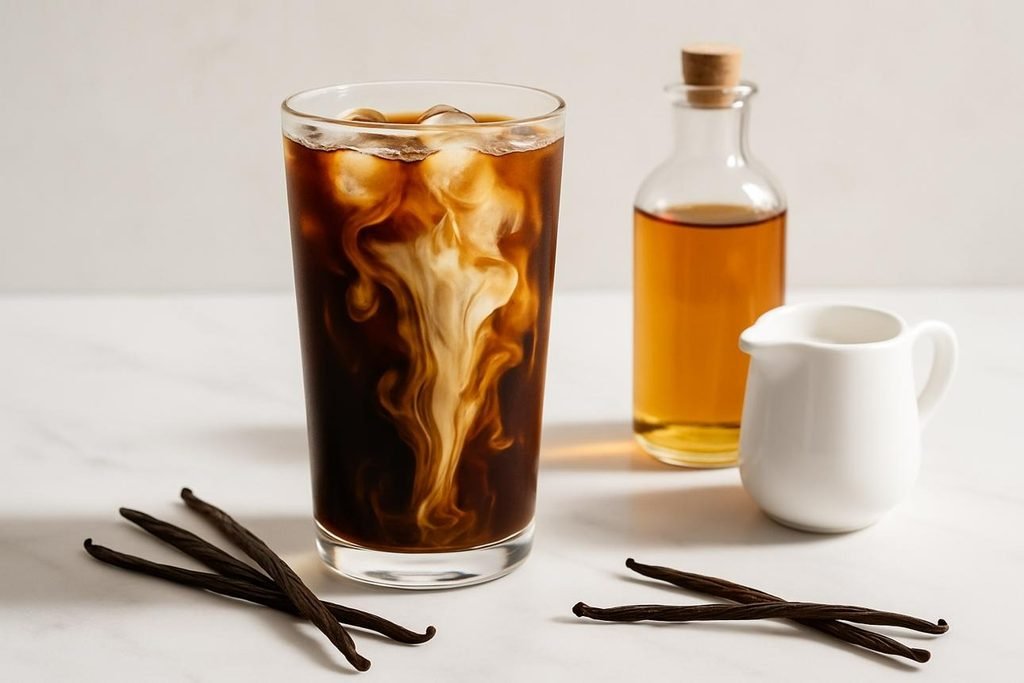
Cinnamon vanilla cold brew is a simple recipe that highlights the natural smoothness of cold-brewed coffee while adding warm spice and a gentle vanilla aroma.
Because cold brew often has a mellow flavor profile, it can work well with small quantities of aromatic ingredients. Cinnamon enhances the coffee’s perceived warmth, while vanilla contributes a rounded aroma that can make the drink feel sweeter without requiring a large amount of sugar.
Suggested ingredients:
- 150 ml chilled cold brew
- 2–5 ml vanilla extract suitable for beverages, or a small amount of vanilla syrup
- A small pinch of ground cinnamon
- 30–50 ml chilled water, if needed
- Ice cubes
- A cinnamon stick for garnish (optional)
How to prepare it:
- Fill a tall glass with ice.
- Pour in the cold brew and add chilled water if the coffee is concentrated.
- Add the vanilla ingredient and a small pinch of cinnamon.
- Stir until the flavors are evenly distributed.
- Taste and adjust the sweetness only if necessary.
- Garnish with a cinnamon stick if desired.
For a lower-sugar version, unsweetened vanilla extract can provide aroma without contributing the same amount of sugar as flavored syrup. Use a food-grade extract and measure carefully to avoid an overly strong flavor.
A medium-roast cold brew with chocolate or nutty notes can create a particularly pleasant combination. The drink is also easy to prepare in batches, making it practical for cafes with a busy iced coffee menu.
Unsweetened Cocoa Almond Latte

Unsweetened cocoa almond latte is designed for customers who enjoy chocolate-flavored coffee but want to limit added sugar.
The combination of espresso, unsweetened cocoa, and almond milk creates a rich aroma with a lightly nutty finish. Without excessive syrup, the coffee and cocoa remain the main flavors.
Suggested ingredients:
- 1–2 shots of espresso
- 180 ml unsweetened barista-style almond milk
- 5–8 g unsweetened cocoa powder
- 15–20 ml warm water
- A small amount of vanilla extract (optional)
- A pinch of cinnamon (optional)
How to prepare it:
- Place the cocoa powder in a small mixing jug.
- Add warm water gradually and whisk until a smooth paste forms.
- Prepare the espresso and combine it with the cocoa mixture.
- Steam the almond milk according to the product’s recommended temperature and technique.
- Pour the milk into the espresso mixture and stir gently.
- Finish with a light dusting of cocoa powder.
The result should be chocolate-forward but not overly sweet, with the almond milk contributing a mild nutty flavor.
Some unsweetened almond milk products have a thinner body than dairy or oat milk. Choosing a barista-style variety can improve the drink’s texture and reduce the likelihood of separation.
For customers who prefer more sweetness, offer a small amount of maple syrup or another sweetener as an optional addition rather than including it automatically.
Date-Sweetened Iced Latte
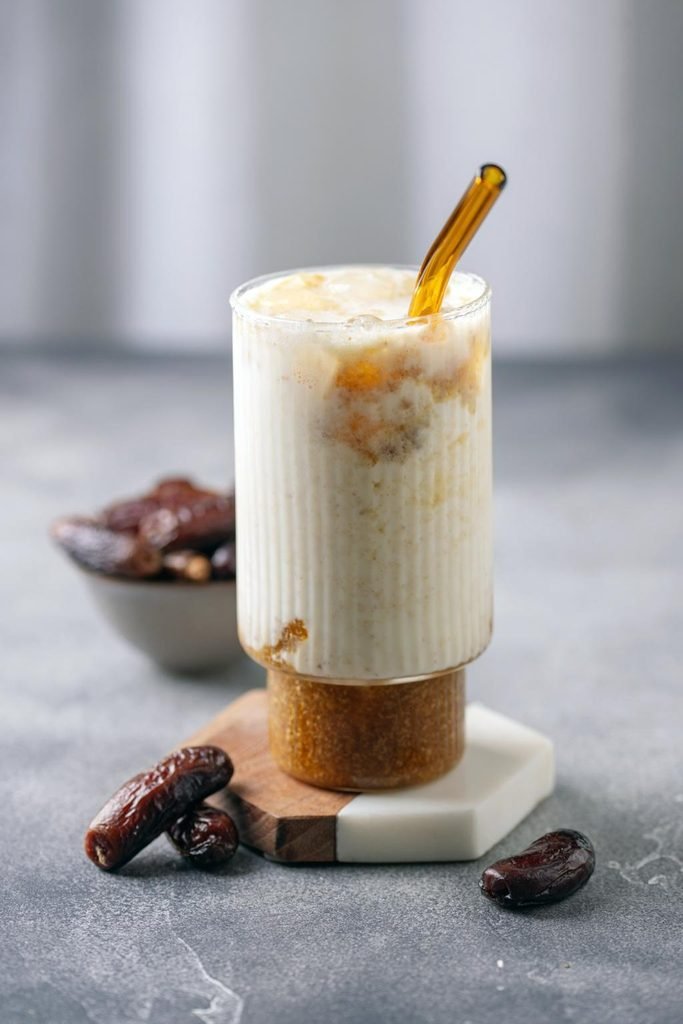
Date-sweetened iced latte uses dates to add a rich, caramel-like sweetness to coffee. Dates have a distinctive fruity flavor and can provide a different taste from conventional refined sugar or flavored syrups.
When blended smoothly with milk, date paste can create a naturally sweetened coffee base with a fuller texture.
Suggested ingredients:
- 1–2 shots of espresso
- 150 ml chilled milk or oat milk
- 1–2 soft, pitted dates
- 30–45 ml warm water, as needed
- Ice cubes
- A pinch of cinnamon (optional)
How to prepare it:
- Remove the pits from the dates and chop them into small pieces.
- Soak the dates in warm water until softened.
- Blend the softened dates with a small amount of the soaking water until a smooth paste forms.
- Add the date paste to the milk and blend again until evenly combined.
- Fill a serving glass with ice and pour in the date-sweetened milk.
- Add the espresso and stir before serving.
The final beverage should have a creamy consistency with gentle caramel-like sweetness and a mild fruity finish.
For cafe use, date paste can be prepared in small batches and refrigerated under appropriate food-safety conditions. It should be blended thoroughly and strained if necessary to remove any remaining pieces that could affect the drink’s texture.
Important: Dates contain naturally occurring sugars. A date-sweetened latte is not sugar-free, even if it does not contain refined sugar or conventional flavored syrup. Cafes should describe the drink accurately on their menus.
Maple Oat Milk Espresso
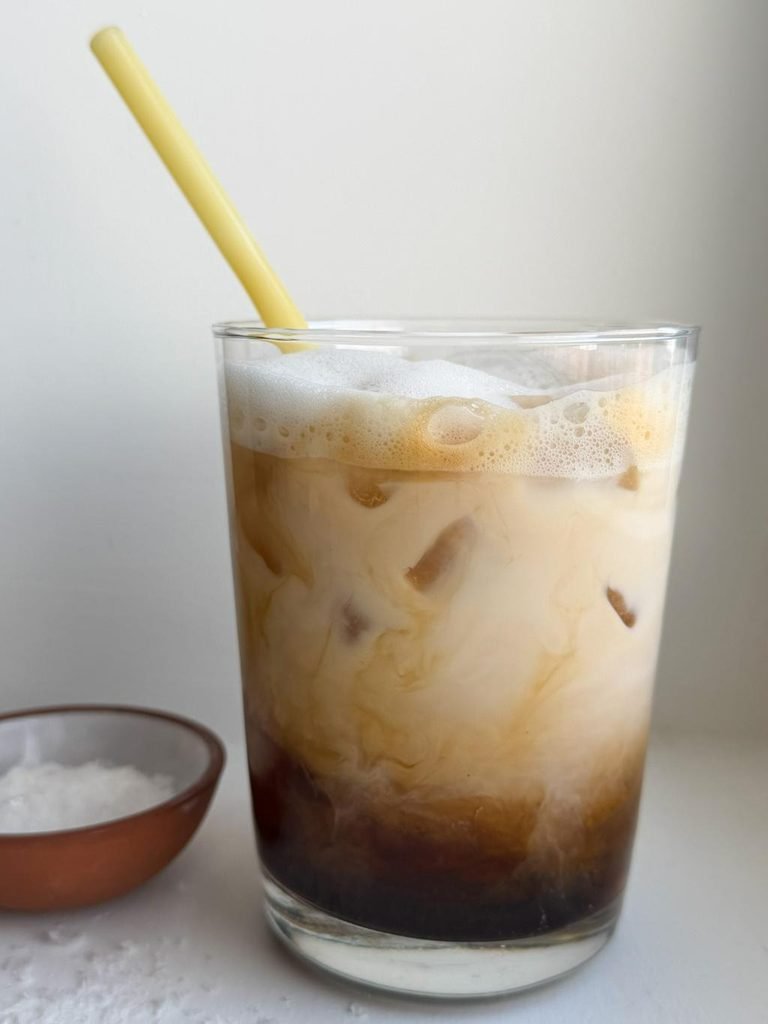
Maple oat milk espresso combines the mild sweetness of oat milk with the distinctive caramel-like flavor of maple syrup and the intensity of espresso.
This recipe is particularly useful for cafes because it requires relatively few ingredients and can be served either hot or iced.
Suggested ingredients:
- 1–2 shots of espresso
- 180 ml unsweetened or lightly sweetened oat milk
- 5–10 ml pure maple syrup
- A small pinch of cinnamon (optional)
- Ice cubes for the iced version
How to prepare it:
- Add the maple syrup to a serving cup or glass.
- Prepare the espresso and pour it over the syrup.
- Stir until evenly combined.
- For a hot version, steam the oat milk until smooth and pour it into the cup.
- For an iced version, add ice and chilled oat milk, then stir gently.
- Add a tiny pinch of cinnamon if a warmer aroma is desired.
Maple syrup has a recognizable flavor, so a modest quantity is usually enough to give the beverage character. Oat milk contributes additional sweetness and body, helping the drink feel complete without a large amount of syrup.
A medium-roast espresso with chocolate or toasted nut notes is a useful starting point. These flavor characteristics complement maple without creating an excessively sharp or bitter finish.
How Cafes Can Create Flavorful Coffee With Less Added Sugar
Reducing added sugar does not need to make a cafe menu less interesting. By selecting complementary ingredients and paying attention to coffee extraction, baristas can create drinks with a naturally rich flavor profile.
Practical ways to develop lower-sugar recipes include:
- Choose naturally aromatic coffee beans: Coffee with chocolate, caramel, nutty, or fruity notes can taste satisfying even with little added sweetener.
- Use spices: Cinnamon, cardamom, and a small amount of nutmeg can add complexity without requiring additional sugar.
- Introduce unsweetened cocoa: Cocoa creates depth and a rich chocolate aroma that works particularly well with espresso and milk.
- Use vanilla strategically: A small amount of vanilla extract can provide a sweet aroma without the sugar content of many flavored syrups.
- Offer adjustable sweetness: Let customers choose the quantity of syrup or sweetener added to their beverage.
- Select suitable milk: Unsweetened oat, almond, and soy milk can help cafes control the sweetness of their recipes, although their natural flavor and carbohydrate content vary.
It is also important to distinguish between low-sugar, no added sugar, and sugar-free beverages. Ingredients such as dates, honey, maple syrup, and some plant-based milks can still contribute sugars. Clear menu descriptions help customers make informed choices.
For cafe owners, a useful starting point is to introduce two lower-sugar options: one based on cold brew and another based on espresso and alternative milk. These can provide customers with different flavor experiences while keeping ingredient requirements relatively simple.
The best lower-sugar coffee recipes do not rely on sweetness to create flavor. They use the natural character of coffee, carefully selected ingredients, and balanced preparation techniques to produce drinks that customers will want to order again.
How Cafes Can Create Their Own Signature Coffee Recipes for 2027
Following coffee recipe trends can bring new customers into a cafe, but creating an original signature drink can give the business something even more valuable: a beverage customers associate specifically with that cafe.
A signature coffee does not have to contain ten unusual ingredients or require complicated equipment. The strongest recipes often start with a familiar foundation and add one or two distinctive elements that create a memorable flavor.
The goal is to develop something that tastes good, looks appealing, can be prepared consistently, and makes sense financially.
Start With the Customer, Not the Ingredients
Before experimenting with syrups or toppings, decide who the drink is supposed to attract.
A sweet iced coffee designed for younger customers may require a completely different flavor profile from a sophisticated espresso drink aimed at specialty coffee enthusiasts.
Consider questions such as:
- Do your customers prefer hot or iced coffee?
- Are they interested in dairy-free choices?
- Do they usually choose sweet or lightly sweetened beverages?
- Are dessert-inspired drinks popular?
- Do customers respond well to seasonal ingredients?
- Is your cafe known for traditional coffee or creative beverages?
Customer preferences should influence the recipe from the beginning.
Choose the Coffee Base
The coffee itself should support the ingredients rather than disappear underneath them.
Espresso is ideal for concentrated milk-based beverages, while cold brew works particularly well for smooth iced drinks. Filter coffee can also serve as the foundation for lighter, more aromatic specialty beverages.
A useful starting point for espresso-based recipes is a 1:2 brew ratio. For example, an 18-gram dose of coffee producing around 36 grams of espresso can provide a balanced foundation, although the ideal recipe depends on the beans and equipment.
Taste the espresso on its own before adding other ingredients.
If it is excessively bitter, sour, thin, or weak, adjusting the flavor syrup will not solve the underlying extraction problem.
Build the Flavor in Layers
Think about a signature drink as several flavor components working together.
A simple structure might look like this:
Coffee + sweetness + texture + aroma + garnish
For example:
- Espresso + maple syrup + oat milk + cinnamon
- Cold brew + vanilla + orange + ice
- Espresso + pistachio cream + cold foam + crushed pistachios
- Espresso + cocoa + brown sugar + steamed milk
This approach makes recipe development much easier because every ingredient has a purpose.
Test Different Ratios Before Choosing the Final Recipe
Small changes in ingredient quantities can make a surprisingly large difference.
Instead of preparing a full-size beverage every time, create small test portions and compare them side by side.
For example, when developing a maple latte, test:
| Version | Maple syrup | Milk | Espresso |
| Light | 5 ml | 180 ml | 2 shots |
| Balanced | 10 ml | 180 ml | 2 shots |
| Sweet | 15 ml | 180 ml | 2 shots |
Taste each version at the temperature at which it will actually be served.
A hot latte can taste different as it cools, while an iced drink can become more diluted as the ice melts. Testing under real serving conditions gives more useful results than judging the recipe immediately after preparation.
Standardize the Recipe Before Launching It
Once the flavor is right, turn the recipe into a precise preparation guide.
Record:
- Coffee dose
- Espresso yield
- Syrup quantity
- Milk quantity
- Ice quantity
- Foam quantity
- Topping amount
- Serving glass size
- Preparation steps
- Expected final flavor
Consistency is what turns a good experimental drink into a reliable cafe product.
Every barista should be able to follow the same recipe and produce a beverage that tastes substantially the same.
A digital recipe sheet or laminated barista card can make training easier, especially when introducing several new coffee drinks at once.
Test the Drink During a Busy Service
A recipe may work perfectly when prepared slowly in a quiet kitchen but become impractical during a busy cafe shift.
Time the preparation from start to finish.
Ask:
- Can one barista prepare it quickly?
- Does it require too many separate containers?
- Is the garnish difficult to apply?
- Does the cold foam take too long?
- Can the ingredients be reached quickly?
- Does the recipe create excessive cleanup?
- Can multiple orders be prepared at the same time?
If a signature drink tastes excellent but takes several minutes to assemble, it may need to be simplified.
The best cafe recipe is not necessarily the most complicated one. It is the one that delivers an excellent result consistently and efficiently.
Give the Drink a Memorable Identity
The final step is creating a name and presentation that fit the cafe’s personality.
Instead of calling a drink simply a “Pistachio Latte,” a cafe could develop a distinctive name connected to its brand, neighborhood, ingredients, or story.
The menu description should still explain what customers are ordering.
For example:
Roasted Garden Latte
Double espresso, pistachio cream, oat milk, and a light vanilla cold foam.
This approach creates curiosity while keeping the ingredients clear.
Seasonal Coffee Recipe Trends and Limited-Time Cafe Menus
Not every coffee recipe needs to remain on the menu all year. Seasonal and limited-time beverages give cafes an opportunity to experiment with new flavors without permanently expanding the menu.
They also create a sense of anticipation. Customers may return specifically because a favorite seasonal beverage is available for only a few weeks.
Spring Coffee Recipes
Spring menus can focus on lighter, floral, and refreshing flavors.
Good concepts include:
- Lavender honey latte
- Rose vanilla iced coffee
- Honey citrus espresso
- Strawberry cold foam latte
Light- to medium-roast coffees can work particularly well with delicate floral and fruit flavors.
The key is restraint. Floral ingredients should add aroma without making the coffee taste heavily perfumed.
Summer Coffee Recipes
Summer is an ideal time to emphasize cold drinks, sparkling coffee, tropical ingredients, and refreshing textures.
Potential menu ideas include:
- Coconut cloud iced coffee
- Pineapple espresso tonic
- Orange vanilla cold brew
- Passion fruit coffee spritz
- Coconut oat iced latte
Cold brew is particularly useful during summer because it can be prepared in advance and used as the base for several different drinks.
A cafe could prepare one cold brew concentrate and create multiple beverages using different syrups, fruits, foams, or milk options.
Autumn Coffee Recipes
Autumn naturally lends itself to warm spices, roasted flavors, nuts, caramel, and dessert-inspired coffee.
Potential recipes include:
- Brown butter pumpkin latte
- Cinnamon maple espresso
- Toasted hazelnut mocha
- Apple cinnamon cold brew
- Salted caramel oat latte
Pumpkin does not have to dominate the menu. Ingredients such as brown butter, maple, pecan, cinnamon, and toasted hazelnut can create equally appealing autumn flavors.
This can help a cafe develop a seasonal identity without simply copying the most familiar pumpkin drinks.
Winter Coffee Recipes
Winter menus can become richer and more indulgent.
Ideas include:
- Spiced chocolate hazelnut mocha
- Toasted marshmallow mocha
- Gingerbread oat latte
- Vanilla cinnamon cappuccino
- Dark chocolate orange espresso
Chocolate, spice, and nut flavors generally work well with medium-dark espresso because their richness complements the coffee’s roasted character.
Why Limited-Time Drinks Can Be Valuable
A limited-time recipe creates an opportunity to test customer demand before committing to permanent menu space.
A cafe could introduce a new drink for four to six weeks and track:
- Number of drinks sold
- Repeat purchases
- Customer comments
- Ingredient waste
- Average preparation time
- Profit per drink
- Sales compared with other beverages
Strong performers can become permanent menu items, while weaker recipes can be retired without disrupting the entire beverage program.
Reduce Waste by Sharing Ingredients
Seasonal menu development becomes more practical when ingredients can be used across several drinks.
For example, a maple syrup could appear in:
- Maple oat latte
- Maple cinnamon cold brew
- Maple brown sugar espresso
A pistachio ingredient could be used in:
- Pistachio latte
- Pistachio cold foam
- Pistachio mocha
Shared ingredients improve menu flexibility while reducing the risk of buying specialty products for only one beverage.
Choosing the Most Profitable Coffee Recipe Trends for a Cafe
A drink can be trendy, attractive, and delicious while still being a poor business decision.
Cafe owners need to evaluate each new coffee recipe from both a customer and operational perspective.
Calculate the Real Beverage Cost
Ingredient cost should include more than coffee and milk.
Consider:
- Espresso or coffee beans
- Milk
- Syrups
- Sauces
- Toppings
- Cold foam
- Garnishes
- Cups
- Lids
- Straws or stirrers
- Other consumable ingredients
Suppose a specialty iced latte requires expensive pistachio cream, oat milk, espresso, cold foam, and a decorative topping. Its ingredient cost could be considerably higher than that of a basic iced latte.
The selling price needs to reflect that difference while remaining appropriate for the local market.
Compare Recipes Before Adding Them to the Menu
A simple comparison table can help identify which drinks are worth testing further.
| Drink concept | Customer appeal | Preparation difficulty | Ingredient complexity | Menu potential |
| Pistachio oat latte | High | Medium | Medium | Excellent |
| Orange vanilla cold brew | High | Low | Low | Excellent |
| Lavender honey latte | Medium-high | Low | Low | Very good |
| Tiramisu cold brew | High | Medium | Medium | Excellent |
| Date-sweetened latte | Medium | Medium | Medium | Good |
| Mushroom mocha | Niche | Medium | Medium-high | Test first |
These ratings are starting points rather than universal rules. Customer preferences, ingredient prices, local competition, and cafe positioning can change the outcome considerably.
Prioritize Ingredients That Work Across Multiple Drinks
One of the smartest ways to control costs is to choose versatile ingredients.
A single ingredient can become much more valuable when it works across multiple categories.
For example, cinnamon could be used in:
- Lattes
- Cold brew
- Cappuccinos
- Brown sugar espresso
- Seasonal mochas
Vanilla can work in:
- Hot lattes
- Iced coffee
- Cold foam
- Espresso tonics
- Dessert-inspired drinks
This makes inventory easier to manage and gives baristas more flexibility when developing seasonal recipes.
Test Before Making a Permanent Menu Change
A new beverage does not need to become a permanent menu item immediately.
Start with a small launch.
Promote the drink as a limited-time special and observe customer behavior.
A useful testing process is:
- Develop the recipe.
- Calculate the ingredient cost.
- Train the baristas.
- Run internal taste tests.
- Launch it for a limited period.
- Track sales and customer feedback.
- Adjust the recipe if necessary.
- Decide whether to keep, modify, or remove it.
This approach reduces the risk of filling the menu with drinks that sound exciting but fail to attract repeat orders.
Don’t Let Trends Take Over the Menu
A cafe does not need to follow every coffee trend in 2027.
Too many specialty drinks can make the menu confusing, increase inventory requirements, and make service slower.
A better strategy is to maintain a strong core menu and use a smaller selection of innovative drinks to create excitement.
For example, a cafe might maintain its core:
- Espresso
- Americano
- Cappuccino
- Latte
- Mocha
- Cold brew
- Iced latte
Then rotate three or four specialty beverages throughout the year.
This gives customers familiar choices while creating enough novelty to encourage exploration.
Frequently Asked Questions About Coffee Recipe Trends for Cafes in 2027
What are the biggest coffee recipe trends for cafes in 2027?
Creative espresso drinks, plant-based milk beverages, botanical flavors, tropical fruit combinations, cold foam, functional-inspired coffee, lower-sugar recipes, and nostalgic dessert-inspired drinks are strong areas for cafes to explore.
What new coffee drinks should cafes introduce in 2027?
Pistachio espresso drinks, coconut cold brew, flavored cold foam lattes, espresso tonics, botanical coffee, and dessert-inspired cold brew are useful concepts to test. The best choice depends on local customer preferences and ingredient availability.
How can a small cafe follow coffee trends without spending too much?
Start with one or two new drinks and use ingredients that can appear in several recipes. Limited-time menus are particularly useful because they let a cafe test demand before purchasing large quantities of specialty ingredients.
Are plant-based coffee drinks still a good menu option for cafes in 2027?
Yes, plant-based milk can give cafes both customer flexibility and new flavor opportunities. Oat, almond, soy, and coconut milk each provide different textures and flavor characteristics that can be incorporated into specialty coffee recipes.
How can cafes make their coffee recipes unique?
Build around a recognizable coffee base and introduce one or two distinctive ingredients. Local honey, regional fruits, specialty syrups, botanical flavors, signature cold foam, and unique toppings can help create a drink that feels specific to your cafe.
What coffee flavors pair well with espresso in 2027?
Pistachio, brown butter, maple, vanilla, cinnamon, cocoa, coconut, caramel, citrus, and selected floral flavors can complement espresso. The ideal pairing depends on the coffee’s roast level and natural tasting notes.
How often should cafes update their coffee menus?
There is no single schedule that works for every cafe. Seasonal updates or limited-time drinks can provide enough variety without forcing the entire menu to change frequently. Customer sales data should ultimately guide which beverages stay.
What is a good grind size for espresso-based cafe recipes?
Espresso generally requires a fine grind, but the exact setting depends on the coffee, grinder, dose, and desired extraction. Rather than relying on a universal number, adjust the grind until the espresso reaches the desired yield and tastes balanced.
How long should coffee be brewed for cafe specialty drinks?
Brewing time depends on the preparation method. Espresso, cold brew, filter coffee, and immersion brewing all use different time ranges. Consistency matters more than following one universal brewing time, so cafes should establish a repeatable recipe for each coffee base.
How should cafes store ingredients for specialty coffee recipes?
Coffee beans should generally be kept in an airtight container away from heat, moisture, light, and strong odors. Syrups, dairy products, fresh fruit, creams, and other perishable ingredients should be stored according to their specific food-safety requirements.
What makes a profitable specialty coffee recipe?
A profitable drink usually combines strong customer appeal with manageable ingredient costs, quick preparation, consistent quality, and ingredients that can be used across multiple menu items. A drink does not have to be the most elaborate beverage on the menu to be profitable.
Build a 2027 Cafe Menu That Customers Remember
The most exciting coffee recipe trends for a cafe in 2027 are not necessarily the strangest combinations. The strongest opportunities come from taking familiar coffee foundations and giving them a fresh identity through thoughtful flavors, textures, ingredients, and presentation.
Pistachio, botanical flavors, tropical fruit, plant-based milk, cold foam, dessert-inspired recipes, and lower-sugar beverages can all give cafes new ways to attract customers. Yet every trend should still pass the same basic test: Does it taste good, can the barista prepare it consistently, and does it make business sense?
Start with a small selection rather than completely rebuilding your menu. Test a few distinctive recipes, listen to customer feedback, measure sales, and refine the drinks that generate genuine interest.
A successful 2027 coffee menu should give customers something familiar enough to enjoy and something new enough to remember. Choose two or three coffee recipe trends that fit your cafe, turn them into signature drinks, and start testing your next standout beverage.

Meet Suzee Amelia, the creative voice behind this space—a blog dedicated to exploring coffee culture, lifestyle insights, and everyday inspiration. With a passion for discovering rich flavors and sharing practical tips, Sophie Langford brings a thoughtful and engaging approach to every post.
