

Coffee culture is constantly evolving, and coffee trends 2027 are expected to bring exciting changes to the way people grow, prepare, purchase, and enjoy their favorite drinks. From personalized coffee creations and functional beverages to sustainable beans and smarter brewing equipment, the future of coffee is becoming more diverse and innovative.
Coffee lovers are no longer interested in just getting a caffeine boost. Many want better flavor, convenient brewing methods, environmentally responsible products, and drinks that suit their individual lifestyles. These changing preferences are creating new opportunities for coffee brands, independent cafés, home brewers, and specialty coffee enthusiasts.
Whether you enjoy making iced lattes at home, exploring specialty coffee beans, or following the latest café creations, understanding the coffee trends of 2027 can help you discover new flavors and make more informed choices. Let’s explore the developments worth watching, the innovations that could influence the coffee industry, and the practical ways you can bring these trends into your own coffee routine.
In This Article
The Rise of Personalized Coffee Experiences in 2027
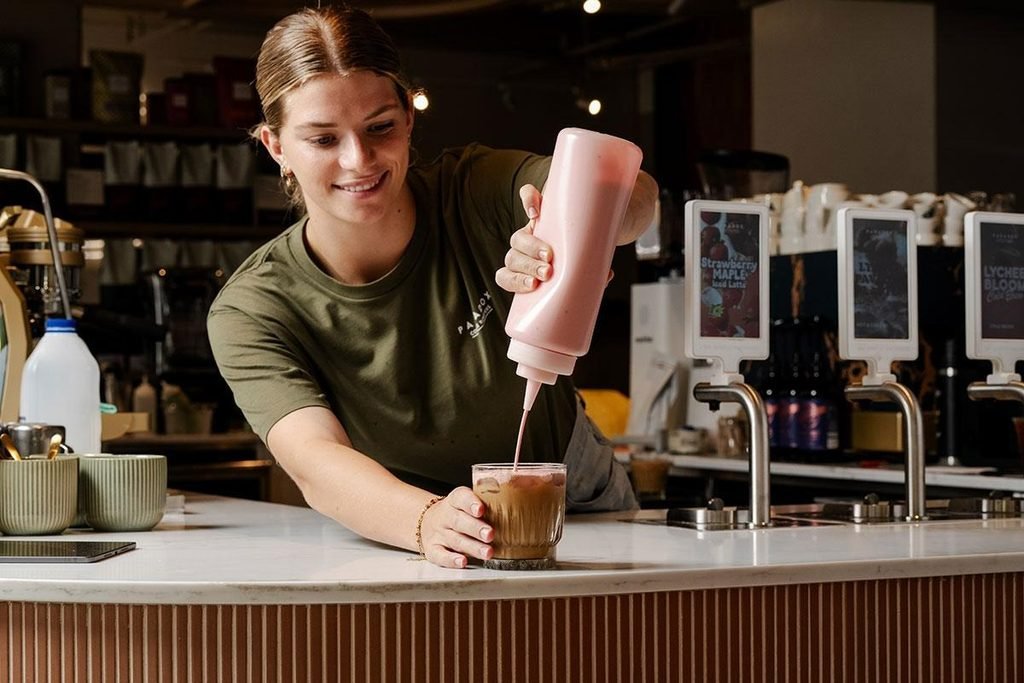
Personalization is becoming an important part of modern coffee culture. Rather than choosing from a small selection of standard drinks, customers increasingly expect to customize their coffee according to their preferred flavor, sweetness, milk, temperature, and caffeine level.
This shift is likely to remain an important coffee trend in 2027. Coffee drinkers want beverages that feel personal, whether they are ordering from a specialty café or preparing their morning coffee at home.
Customized Flavors and Coffee Combinations
One of the most noticeable aspects of personalized coffee is the freedom to experiment with different ingredients. A traditional latte can become an entirely different drink simply by changing the milk, adding a flavored syrup, or adjusting the espresso-to-milk ratio.
Popular customization options include:
- Flavored syrups: Vanilla, caramel, hazelnut, pistachio, and seasonal flavors allow customers to create drinks that match their preferences.
- Alternative milk: Oat, almond, soy, and coconut milk offer different textures and flavor profiles.
- Adjustable sweetness: Choosing fewer syrup pumps, sugar-free alternatives, or unsweetened ingredients gives customers greater control.
- Espresso customization: Adding an extra shot, choosing a different roast, or adjusting the coffee-to-milk ratio changes the strength and taste.
- Temperature options: Hot, iced, and blended versions make it easier to enjoy the same flavor in different seasons.
For example, someone who enjoys a creamy but not overly sweet coffee might choose a double espresso with steamed oat milk and a small amount of vanilla syrup. Another person may prefer a strong iced latte with an extra espresso shot and no added sugar.
These small adjustments can significantly change the overall drinking experience without requiring complicated preparation.
Personalized Coffee at Home
Personalization is not limited to coffee shops. Home brewing gives coffee lovers the opportunity to experiment with ingredients, brewing strengths, and preparation methods at their own pace.
A simple home coffee station can include a coffee grinder, a French press or espresso machine, several types of milk, and a few favorite syrups. With these basic supplies, it becomes easier to create a variety of drinks without purchasing an expensive café beverage every day.
One useful approach is to prepare a consistent coffee base and customize each serving separately. For example, brew a concentrated batch of cold brew and use it to make vanilla iced coffee, caramel coffee, or a lightly sweetened iced latte.
Why Personalization Matters for Coffee Shops
For cafés, customization offers a way to serve customers with different preferences without creating an entirely separate menu for every individual.
Digital ordering systems can make it easier to select milk alternatives, adjust sweetness, and add espresso shots. Some cafés may also use customer preferences and loyalty programs to simplify repeat orders.
The key trend is flexibility. Coffee drinkers increasingly have the opportunity to choose not only what they drink but also how strong, sweet, creamy, and flavorful they want it to be.
Functional Coffee: More Than Just a Caffeine Boost
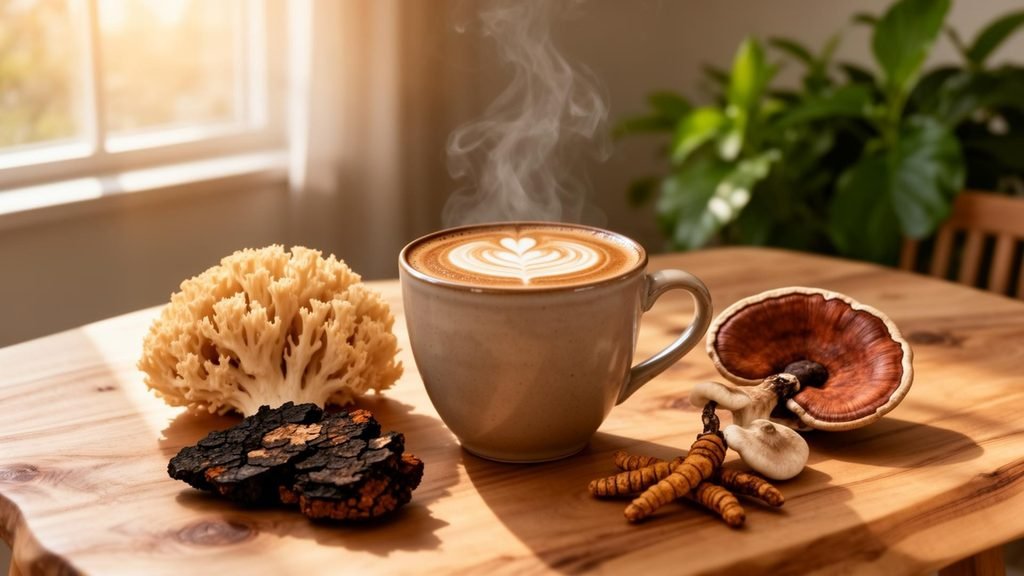
Coffee has traditionally been associated with its caffeine content, rich aroma, and ability to help people feel more alert. Functional coffee introduces another dimension by combining coffee with ingredients marketed for specific nutritional or wellness-related purposes.
In 2027, functional coffee is an area worth watching as consumers continue exploring beverages that fit their daily routines and personal preferences. Mushroom coffee, protein coffee, adaptogen-inspired blends, and nutrient-enriched beverages are examples of products attracting interest.
However, functional coffee is not a single category with identical ingredients or benefits. The nutritional content, caffeine level, taste, and supporting scientific evidence can vary considerably between products.
Mushroom Coffee and Adaptogen-Inspired Blends
Mushroom coffee is one of the more recognizable examples of functional coffee. These products typically combine coffee or instant coffee with extracts or powders from mushrooms such as lion’s mane, reishi, chaga, or cordyceps.
Some blends contain a substantial amount of regular coffee, while others use less coffee or combine mushroom ingredients with roasted grains and other alternatives.
The flavor depends on the formulation. Mushroom coffee may have an earthy, nutty, woody, or mildly bitter taste. When mixed with milk, cinnamon, or a small amount of sweetener, the earthy notes can become less noticeable.
Adaptogen-inspired coffee blends may also include ingredients such as ashwagandha or other plant extracts. These are commonly marketed around stress management, focus, or energy, but the evidence supporting individual claims differs. Consumers should not assume that an ingredient’s traditional use or marketing description proves a specific health benefit.
Protein Coffee and Nutrient-Enriched Drinks
Protein coffee is another format that may appeal to people looking for a convenient way to combine coffee with protein.
It can be prepared by mixing chilled coffee with a protein shake or by adding a suitable protein powder to a cooled coffee base. Ready-to-drink versions are also available.
Some potential advantages of protein coffee include:
- Combining two familiar beverages or ingredients in one serving.
- Providing a convenient option for people with busy morning routines.
- Offering an alternative to traditional sweetened coffee drinks.
- Making it easier to incorporate protein into a beverage, depending on the recipe.
Texture is especially important when preparing protein coffee. Adding protein powder directly to very hot coffee can sometimes cause clumping or an unpleasant consistency. Mixing the powder with a little cool liquid first, then gradually combining it with cooled or lukewarm coffee, can produce a smoother result.
Lower-Caffeine and More Flexible Coffee Options
Functional coffee also overlaps with changing caffeine preferences. Some people enjoy the taste and ritual of coffee but prefer to consume less caffeine, particularly later in the day.
This creates room for half-caf blends, decaffeinated coffee, and functional-style drinks that combine a smaller amount of coffee with other ingredients.
The important consideration is to check the actual caffeine content. A product marketed as functional or wellness-focused may still contain a significant amount of caffeine, depending on how it is made.
What to Consider Before Trying Functional Coffee
Functional coffee can introduce interesting flavors and convenient ingredient combinations, but it is worth looking beyond the packaging.
Before purchasing a product, consider:
- Ingredient transparency: Check whether the label identifies the ingredients and their quantities clearly.
- Added sugar: Some functional coffee drinks contain sweeteners that may substantially increase their sugar content.
- Caffeine content: Look for the amount of caffeine per serving, particularly if you already drink several cups each day.
- Health claims: Be cautious of products promising dramatic improvements in energy, concentration, sleep, or other aspects of health.
- Taste and value: Compare the flavor, serving size, and cost with ordinary coffee and other beverages.
Functional coffee is likely to remain an area of experimentation rather than a replacement for traditional coffee. Its appeal will depend on whether products can deliver enjoyable flavor, practical convenience, and clearly communicated ingredients without relying on exaggerated claims.
Coffee Trends 2027: The New Flavors and Drinks to Watch
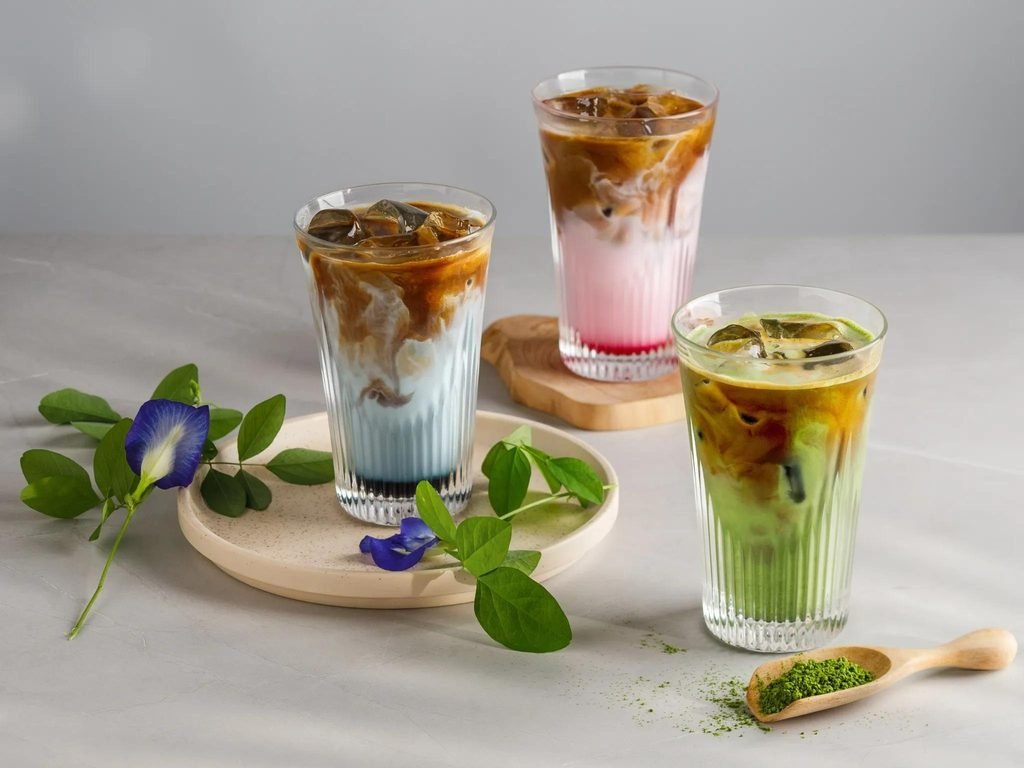
Creative flavors and unexpected ingredient combinations are changing the way people experience coffee. Traditional cappuccinos, lattes, and americanos remain popular, but specialty cafés and home brewers are also experimenting with fruit, floral ingredients, spices, and dessert-inspired flavors.
New coffee flavors are expected to be an important part of coffee trends in 2027, particularly as consumers look for drinks that offer something different from their usual daily order. Social media, seasonal menus, and the growing popularity of specialty coffee are helping introduce these creative combinations to a wider audience.
Floral and Botanical-Inspired Coffee
Floral and botanical flavors offer a different way to enjoy coffee by introducing delicate aromas and subtle sweetness. Ingredients such as lavender, rose, hibiscus, and orange blossom can complement certain coffee profiles when used in appropriate amounts.
Lavender lattes, for example, combine espresso with steamed milk and lavender syrup. The floral aroma can balance the roasted character of coffee, creating a drink that feels smooth and slightly sweet.
Other combinations worth exploring include:
- Rose latte: A milk-based espresso drink with a gentle rose aroma and a lightly sweet finish.
- Lavender iced coffee: Chilled coffee mixed with milk, ice, and a small amount of lavender syrup.
- Hibiscus cold brew: Cold brew combined with hibiscus tea for a fruity, tart, and refreshing beverage.
- Orange blossom latte: Espresso and milk paired with a subtle citrus-floral aroma.
The key to making botanical coffee enjoyable is moderation. Strong floral ingredients can easily overpower the natural flavor of coffee, so start with a small quantity and adjust according to taste.
Light and medium-roast coffees can work particularly well with delicate floral ingredients because their more subtle flavor characteristics may be easier to appreciate in the finished drink.
Fruit-Infused Coffee and Espresso Tonics

Fruit-infused coffee is another creative direction worth watching. Citrus, berries, tropical fruits, and stone fruits can introduce refreshing acidity and sweetness that contrast with coffee’s roasted and sometimes bitter notes.
Espresso tonic is a well-known example of this combination. It typically contains espresso, tonic water, and ice, sometimes finished with a slice of lemon, orange, or grapefruit.
The result is a sparkling beverage with a layered flavor profile. The espresso provides roasted, chocolatey, or fruity notes, while the tonic contributes bitterness, bubbles, and a crisp finish.
Other fruit-inspired combinations include:
- Orange espresso: Espresso served with fresh orange juice or orange-infused sparkling water.
- Strawberry cold brew: Cold brew mixed with strawberry syrup or a small amount of strawberry purée.
- Lemon iced coffee: Chilled coffee paired with lemon and a touch of sweetener for a bright, refreshing taste.
- Mango coffee: Iced coffee combined with mango purée or a lightly sweetened mango base.
When preparing fruit-infused coffee at home, pay attention to acidity. Coffee and citrus can both contribute sharp flavors, so a naturally sweet cold brew or a medium-roast espresso may provide a more balanced result.
For an easy espresso tonic, fill a tall glass with ice, add around 150 ml of tonic water, and slowly pour in a freshly pulled espresso shot. Garnish with an orange slice and serve immediately.
Dessert-Inspired Specialty Lattes
Dessert-inspired coffee drinks combine familiar sweet treats with espresso, milk, and flavored ingredients. These beverages allow cafés and home brewers to recreate the flavors of popular desserts without necessarily preparing a complicated recipe.
Pistachio, tiramisu, toasted marshmallow, chocolate hazelnut, and cinnamon roll are examples of flavors that can be adapted into coffee drinks.
Some combinations to look out for include:
| Coffee flavor | Main ingredients | Expected flavor |
| Pistachio latte | Espresso, milk, pistachio syrup | Nutty, creamy, lightly sweet |
| Tiramisu latte | Espresso, milk, cocoa, vanilla | Rich, chocolatey, dessert-like |
| Toasted marshmallow latte | Espresso, milk, marshmallow syrup | Sweet, creamy, toasted |
| Cinnamon roll latte | Espresso, milk, cinnamon, vanilla | Warm, spiced, and sweet |
| Chocolate hazelnut latte | Espresso, milk, chocolate, hazelnut | Nutty, smooth, and indulgent |
These drinks can be made at home using a basic espresso machine, moka pot, or strong brewed coffee. The most important step is to balance the sweetness with the strength of the coffee.
For a simple dessert-inspired latte, combine one shot of espresso with 15–20 ml of flavored syrup, then add approximately 180 ml of steamed milk. Adjust the syrup according to your preferred sweetness.
Spiced, Salted, and Unexpected Flavor Combinations
Coffee experimentation is also creating opportunities for unusual flavor pairings. Spices, a small amount of salt, and toasted ingredients can add complexity without requiring a large number of ingredients.
Cardamom, cinnamon, nutmeg, ginger, and chili are examples of spices that can complement coffee. Their aromas can bring out different characteristics in espresso and brewed coffee, especially when paired with milk or chocolate.
Salted caramel is another established combination that illustrates how a small amount of salt can balance sweetness. Similar ideas may inspire more creative drinks, such as salted chocolate lattes or lightly spiced iced coffee.
For home brewers, experimenting with these flavors does not require expensive equipment. Try adding a small pinch of cinnamon to coffee grounds before brewing, or mix a little cardamom into a milk-based latte.
How to Experiment With New Coffee Flavors at Home
Trying new coffee flavors can be simple and affordable when you build on a familiar recipe.
- Choose a coffee base: Use espresso, strong brewed coffee, or cold brew, depending on the drink.
- Select one new flavor: Start with a single ingredient, such as lavender syrup, pistachio, orange, or cinnamon.
- Add a small amount: Begin with approximately 5–10 ml of syrup or a modest amount of spice.
- Balance the texture: Add milk, sparkling water, or ice depending on the intended drink.
- Taste and adjust: Increase the flavor gradually instead of adding too much sweetener or seasoning at once.
The goal is to complement the coffee rather than completely hide it. A well-balanced flavored drink should still allow the aroma and character of the coffee to come through.
Sustainable Coffee: How Environmental Awareness Is Changing the Industry
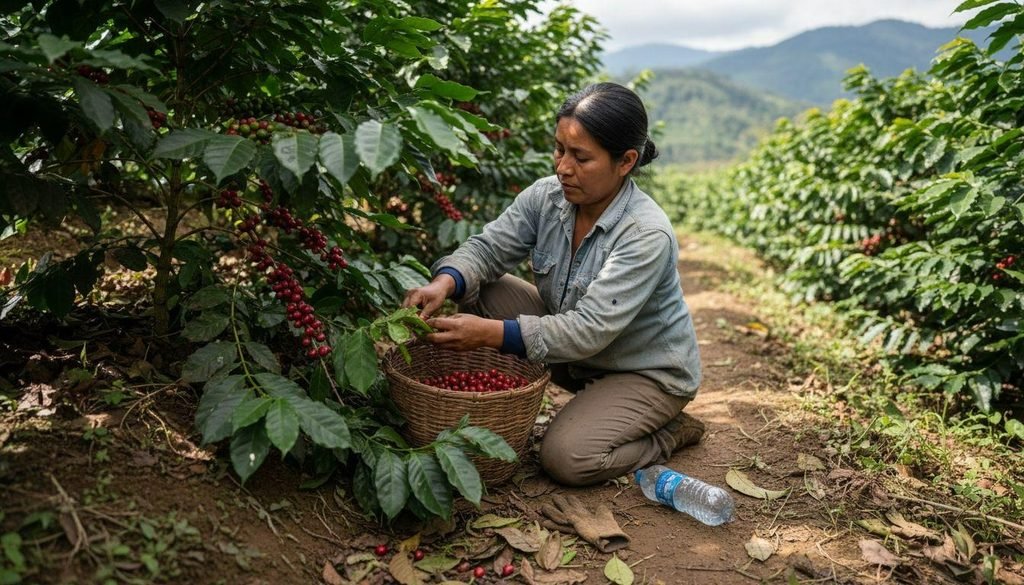
Sustainability is becoming an increasingly important subject throughout the coffee industry. Coffee production depends on suitable growing conditions, healthy soil, reliable water supplies, and the livelihoods of farming communities. Environmental pressures and changing consumer expectations are encouraging businesses to explore more responsible ways to grow, process, package, and serve coffee.
Sustainable coffee is expected to remain a significant focus in 2027, from agricultural practices and ethical sourcing to reusable packaging and waste reduction.
For coffee drinkers, understanding sustainability can make it easier to identify products and businesses that are taking practical steps to reduce their environmental impact.
Climate-Conscious Coffee Farming
Coffee plants are sensitive to changes in temperature, rainfall, and growing conditions. Extreme weather, prolonged droughts, and unpredictable rainfall can affect coffee yields, bean quality, and the livelihoods of farmers.
Climate-conscious farming focuses on helping coffee producers manage these challenges while maintaining productive farms.
Some approaches include:
- Shade-grown coffee: Growing coffee under suitable shade trees to help protect plants from excessive sunlight and support biodiversity.
- Improved soil management: Using organic matter, ground cover, and other techniques to maintain soil structure and reduce erosion.
- Water conservation: Improving irrigation efficiency and reducing unnecessary water consumption during coffee processing.
- Climate-resilient varieties: Exploring coffee varieties that may be better suited to specific environmental conditions.
- Agroforestry: Combining coffee cultivation with trees and other vegetation to diversify farm environments.
These approaches are not equally suitable for every coffee-growing region. Farming methods need to account for local climates, soil conditions, available resources, and the needs of individual producers.
For coffee buyers, information about a bean’s origin and production methods can offer useful insight into how it was grown and sourced.
Ethical Sourcing and Farmer Support
Sustainability is not limited to protecting the environment. The economic and social conditions of coffee-producing communities are also important.
Coffee farming involves many people, from growers and harvest workers to processors and exporters. Responsible sourcing programs aim to establish more transparent relationships throughout this supply chain.
Some coffee businesses work directly with producers, establish longer-term purchasing relationships, or pay premiums for particular quality and sourcing standards.
Fair Trade certification is one approach consumers may encounter when shopping for coffee. Other products may identify farm-level sourcing programs, cooperative relationships, or traceability information.
When evaluating these claims, look beyond general phrases such as ethically sourced or farmer friendly. More useful details include:
- The country and region where the coffee was grown.
- Whether the producer, cooperative, or farm is identified.
- What sourcing or certification standards apply.
- Whether the company explains how its purchasing relationships support producers.
- Whether the product provides information about its supply chain.
Transparent sourcing does not automatically guarantee that every sustainability challenge has been solved. However, clear information can help consumers better understand where their coffee comes from and how it reaches their cup.
Eco-Friendly Coffee Packaging
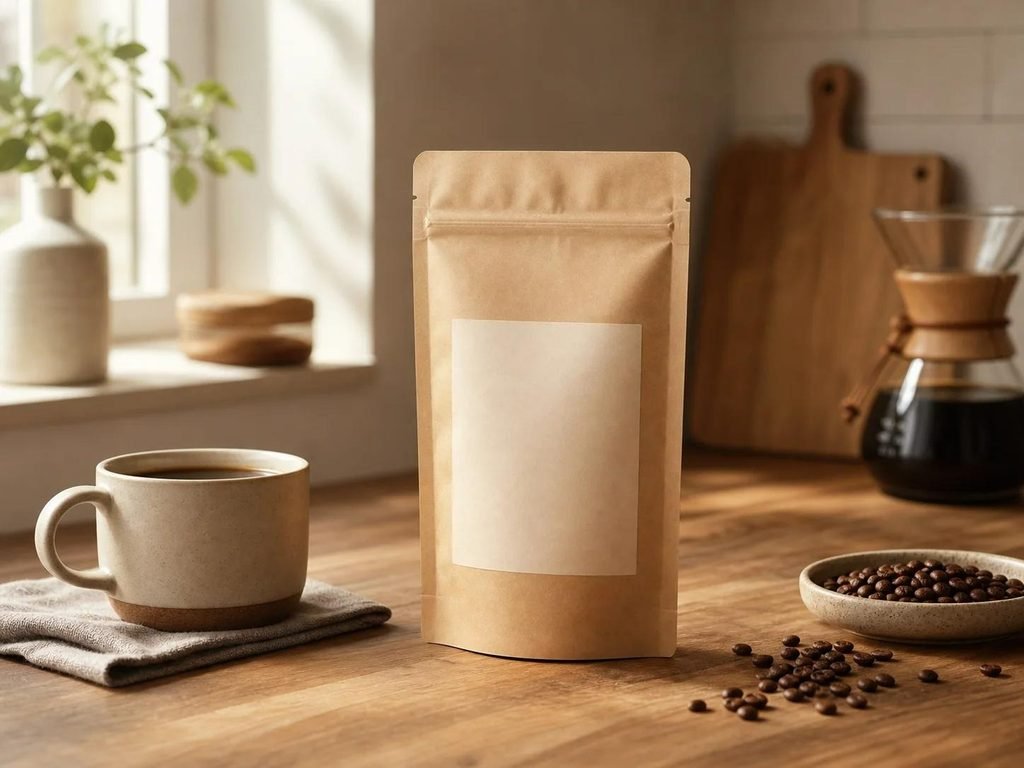
Coffee packaging is another area where brands may introduce more environmentally conscious practices. Traditional coffee bags often contain multiple material layers designed to protect beans from moisture, oxygen, and light. Although these materials can preserve freshness, some combinations are difficult to recycle through ordinary waste collection systems.
Packaging innovation aims to balance product protection with reduced environmental impact.
Potential developments include:
- Recyclable coffee bags designed for compatible local recycling systems.
- Reusable coffee containers and refill programs.
- Reduced packaging material where product protection allows.
- Compostable packaging designed for suitable composting conditions.
- Larger coffee bags that reduce packaging per serving for frequent coffee drinkers.
It is important to distinguish between recyclable, compostable, and biodegradable packaging. These terms describe different properties, and compostable packaging may require specific industrial facilities rather than breaking down effectively in a home compost bin.
For consumers, checking local recycling guidelines and the packaging instructions can help prevent recyclable or compostable materials from being disposed of incorrectly.
Reducing Waste in Coffee Shops and at Home
Coffee preparation creates several types of waste, including used grounds, disposable cups, milk containers, filters, and packaging.
Coffee shops can reduce some of this waste by introducing reusable cup programs, improving inventory management, donating suitable surplus food, and finding productive uses for spent coffee grounds.
At home, small changes can also make a difference:
- Use a reusable travel mug when purchasing takeaway coffee.
- Buy coffee in quantities that can be consumed while it is still fresh.
- Compost coffee grounds where appropriate and where local conditions allow.
- Use reusable filters when they are compatible with your brewing equipment.
- Avoid preparing more coffee than you are likely to drink.
Used coffee grounds can be added to some composting systems, where they contribute organic material. They should not be poured directly into kitchen drains because they can accumulate and contribute to blockages.
How to Identify Meaningful Sustainable Coffee
Sustainability claims can be difficult to compare because brands may focus on different parts of the supply chain. One company might emphasize recyclable packaging, while another focuses on farm-level sourcing or water conservation.
A useful starting point is to look for specific, verifiable information rather than relying on attractive packaging or broad environmental claims.
The
Fairtrade International website
provides information about its standards and certification approach, including the role of certification in coffee supply chains.
When choosing sustainable coffee, consider the complete product rather than focusing on a single feature. Responsible sourcing, environmental practices, packaging, and product quality can all contribute to a more informed purchasing decision.
The future of sustainable coffee depends on practical improvements across the entire supply chain. Consumers can support greater transparency by asking questions about origin, sourcing, packaging, and the practices behind the coffee they purchase.
The Specialty Coffee Movement Continues to Evolve
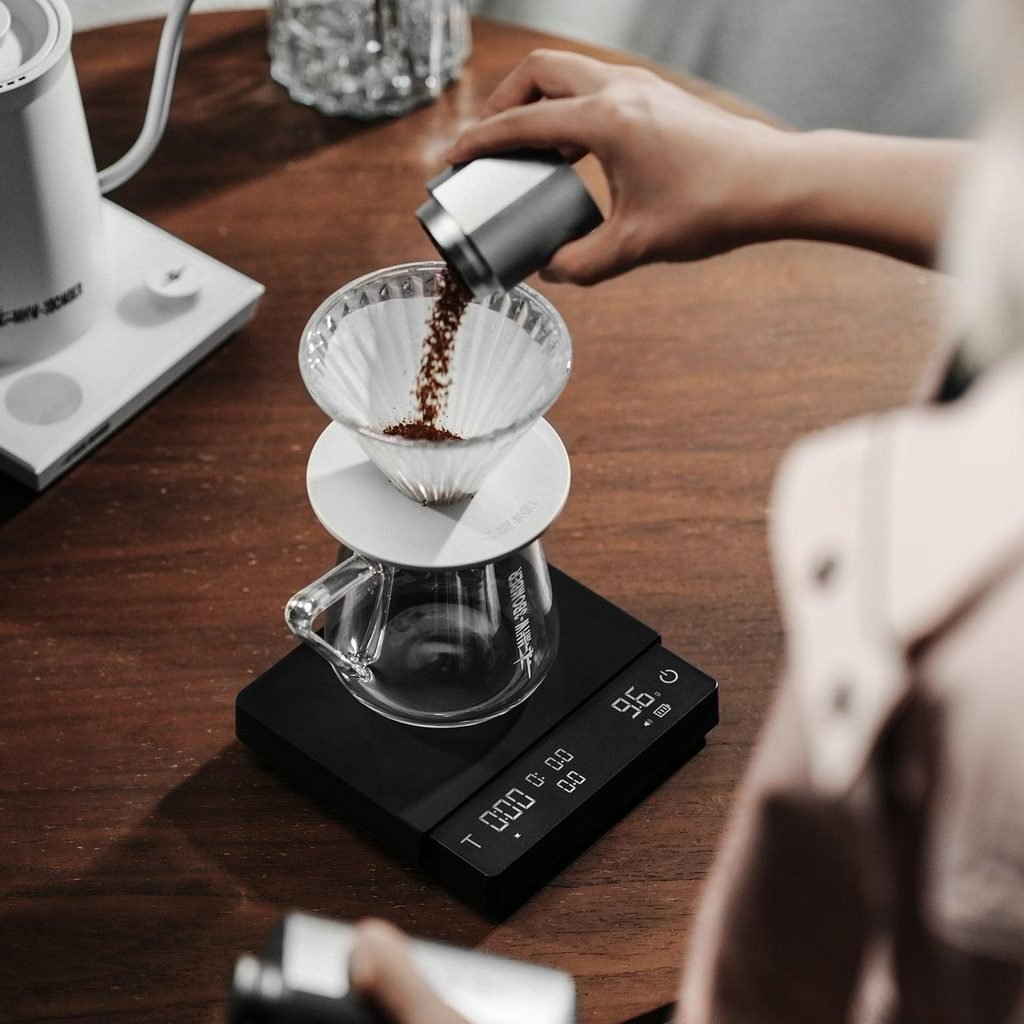
Specialty coffee has helped change how many people think about their daily cup. Instead of focusing only on caffeine and convenience, specialty coffee encourages drinkers to explore bean origins, processing methods, roast profiles, brewing techniques, and the distinctive flavors of different coffees.
This interest is expected to continue evolving in 2027 as specialty coffee becomes more accessible through independent cafés, online retailers, home brewing equipment, and educational coffee communities.
The movement is also becoming more varied. Some coffee drinkers enjoy carefully prepared pour-over coffee, while others prefer convenient espresso capsules or ready-to-drink specialty beverages.
Single-Origin Coffee and Distinctive Bean Profiles
Single-origin coffee is sourced from a specific geographical area, which may be a country, region, cooperative, or individual farm, depending on how the product is described.
These coffees can offer distinctive flavor characteristics influenced by the coffee variety, growing environment, processing method, roasting, and brewing technique.
For example, some Ethiopian coffees are known for floral aromas and citrus or berry-like notes, while certain Brazilian coffees may offer chocolate, nuts, and caramel-like flavors. These are broad examples rather than fixed rules, as flavor varies between individual lots and producers.
Single-origin coffee gives drinkers an opportunity to explore these differences more closely.
| Coffee origin | Commonly described flavor notes | Brewing methods to try |
| Ethiopia | Floral, citrus, berries | Pour-over, AeroPress |
| Colombia | Caramel, red fruit, balanced acidity | Pour-over, espresso |
| Brazil | Chocolate, nuts, low-to-moderate acidity | Espresso, French press |
| Guatemala | Cocoa, citrus, mild spice | Pour-over, drip coffee |
| Indonesia | Earthy, herbal, spice, dark chocolate | French press, espresso |
Flavor descriptions are tasting references, not guaranteed characteristics. Roast level, freshness, grind size, water quality, and brewing technique can all influence the cup.
For home brewers who are new to specialty coffee, buying small bags from different origins can be an affordable way to compare flavor profiles without committing to a large quantity of one bean.
Experimental Coffee Processing
Coffee processing takes place after coffee cherries are harvested. The method used to remove the fruit and dry the beans can have a considerable influence on the final flavor.
Traditional washed, natural, and honey processing methods remain important, while experimental approaches continue to attract interest among specialty coffee producers and roasters.
Some methods worth understanding include:
- Washed processing: The fruit is removed from the beans before fermentation and drying, often producing a cleaner cup with clearly defined flavor characteristics.
- Natural processing: Coffee cherries are dried with the fruit still attached, which can contribute fruit-forward flavors and a fuller impression.
- Honey processing: Some of the sticky fruit material remains on the beans during drying, potentially creating a balance of sweetness and acidity.
- Anaerobic fermentation: Coffee is fermented in controlled environments with limited oxygen, a process that can produce distinctive and sometimes intense flavor characteristics.
- Carbonic maceration: A controlled fermentation technique adapted from winemaking that may create unusual aromatic profiles.
Experimental processing can result in flavors ranging from tropical fruit and sweet spices to wine-like or fermented notes. The results depend on the coffee itself and how carefully the processing is managed.
These coffees may be particularly interesting to drinkers who enjoy comparing unusual flavor profiles, although traditional processing methods can still produce excellent and complex coffee.
The Growing Accessibility of Specialty Coffee at Home
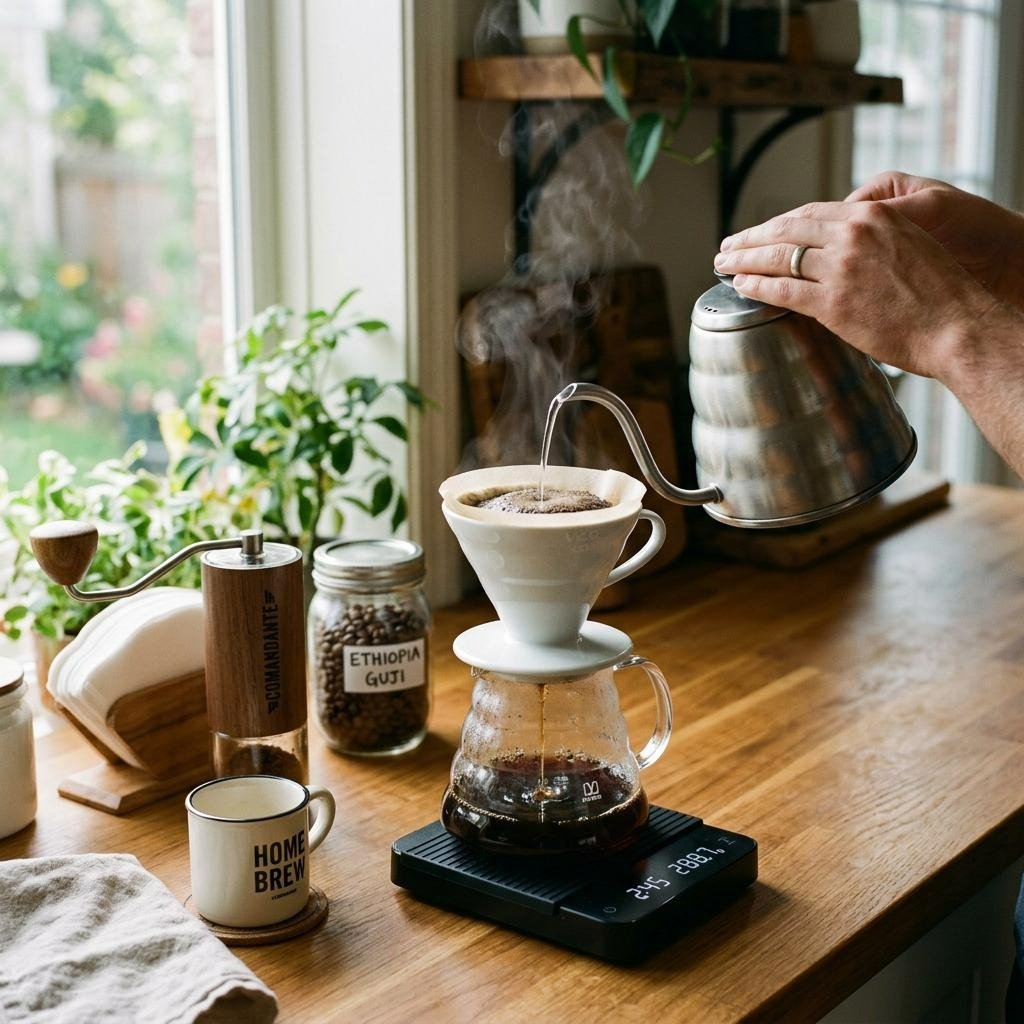
Specialty coffee is no longer limited to professional cafés. More accessible grinders, brewing devices, online coffee retailers, and educational resources allow home brewers to explore specialty beans without needing a commercial espresso setup.
A simple pour-over setup can be a good starting point. It requires a dripper, paper filters, a kettle, a grinder if using whole beans, and a digital scale for more consistent results.
For a basic pour-over recipe, try the following:
| Brewing element | Starting recommendation |
| Coffee | 15 g |
| Water | 250 g |
| Coffee-to-water ratio | 1:16.7 |
| Grind size | Medium-fine |
| Water temperature | 92–96°C |
| Total brewing time | Around 2:30–3:30 minutes |
These figures are a starting point rather than a universal recipe. Adjust the grind size, pouring technique, and brewing time according to the coffee’s flavor and your equipment.
If the cup tastes overly sour or weak, a slightly finer grind or longer extraction may help. If it tastes excessively bitter or dry, try a coarser grind or shorter brewing time.
Coffee Tasting and Flavor Education
Specialty coffee also encourages consumers to become more familiar with the sensory qualities of coffee.
Tasting does not require professional training or expensive equipment. A simple side-by-side comparison of two coffees can reveal noticeable differences in aroma, acidity, sweetness, body, and aftertaste.
Try tasting two coffees prepared with the same brewing method and similar coffee-to-water ratios. Start by smelling each cup, then take small sips as the coffee cools.
Pay attention to questions such as:
- Does the coffee have a floral, fruity, nutty, or chocolate-like aroma?
- Is the acidity bright and citrus-like or softer and more rounded?
- Does the coffee feel light, silky, or heavy in the mouth?
- Is the finish sweet, dry, bitter, or lingering?
- Does the flavor change as the coffee cools?
Recording a few tasting notes can make it easier to identify your preferences when buying coffee in the future.
What the Future Holds for Specialty Coffee
Specialty coffee is likely to continue developing through a combination of quality, accessibility, education, and experimentation. More consumers can explore distinctive beans at home, while cafés can introduce customers to new origins and brewing methods.
However, specialty coffee does not have to mean complicated preparation or expensive equipment. A freshly ground, well-brewed coffee made with a simple dripper can provide an enjoyable experience without unnecessary complexity.
The most important part of the specialty coffee movement is discovering what makes each coffee distinctive and finding the flavors and brewing methods you genuinely enjoy.
Smart Coffee Equipment and Technology for Home Brewing
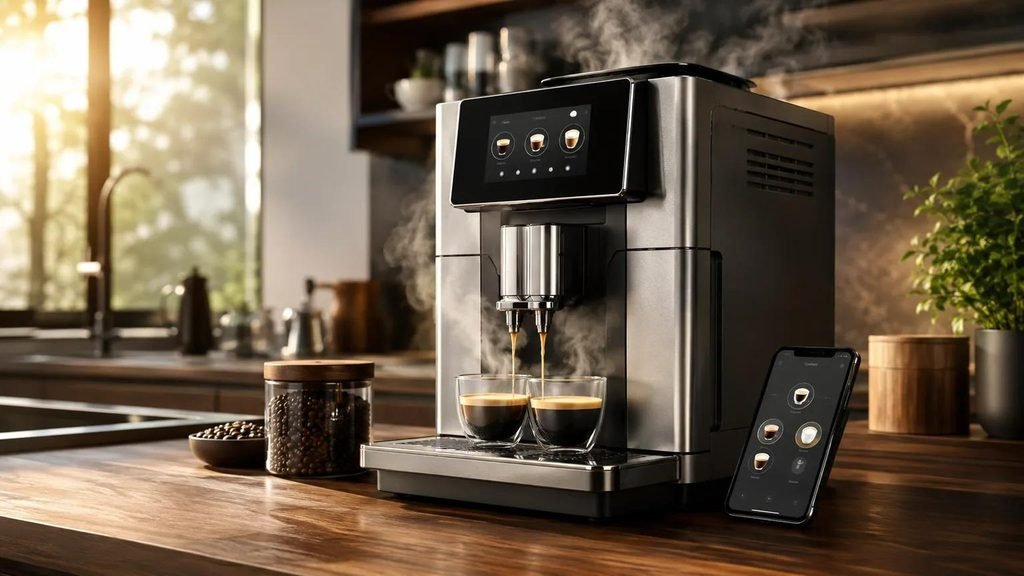
Technology is changing the way people prepare coffee at home. Modern coffee equipment is becoming more convenient, precise, and customizable, allowing beginners and experienced home baristas to achieve more consistent results without spending hours adjusting every brewing variable.
Smart coffee equipment is expected to remain an important part of coffee trends in 2027, particularly as consumers look for appliances that combine reliable performance with simple controls, automation, and space-saving designs.
From app-controlled espresso machines to precision grinders, these innovations can make everyday coffee preparation easier while giving enthusiasts greater control over flavor and extraction.
Smart Espresso Machines With Programmable Settings
Smart espresso machines are designed to simplify the process of preparing espresso while offering control over important brewing variables.
Some advanced models include programmable shot volumes, adjustable brewing temperatures, automatic milk frothing, and digital displays. Certain connected machines also offer app-based controls that allow users to customize settings or monitor brewing progress.
These features can be useful for people who enjoy espresso-based drinks but do not want to manage every step manually.
Common features to look for include:
- Programmable shot volume: Helps produce consistent espresso servings without repeatedly measuring the output.
- Temperature control: Allows adjustments that can influence extraction and flavor.
- Pressure profiling: Available on selected advanced machines, this changes the pressure applied during espresso extraction.
- Automatic milk frothing: Produces steamed milk with less manual effort.
- App connectivity: May allow remote settings, brewing schedules, or maintenance notifications, depending on the model.
Although these features can improve convenience, a smart machine does not automatically produce better espresso. Fresh coffee beans, an appropriate grind size, a properly prepared puck, and suitable extraction settings remain essential.
For beginners, a machine with straightforward programmable settings may be more useful than one with numerous advanced features that are rarely used.
Precision Coffee Grinders for Better Flavor
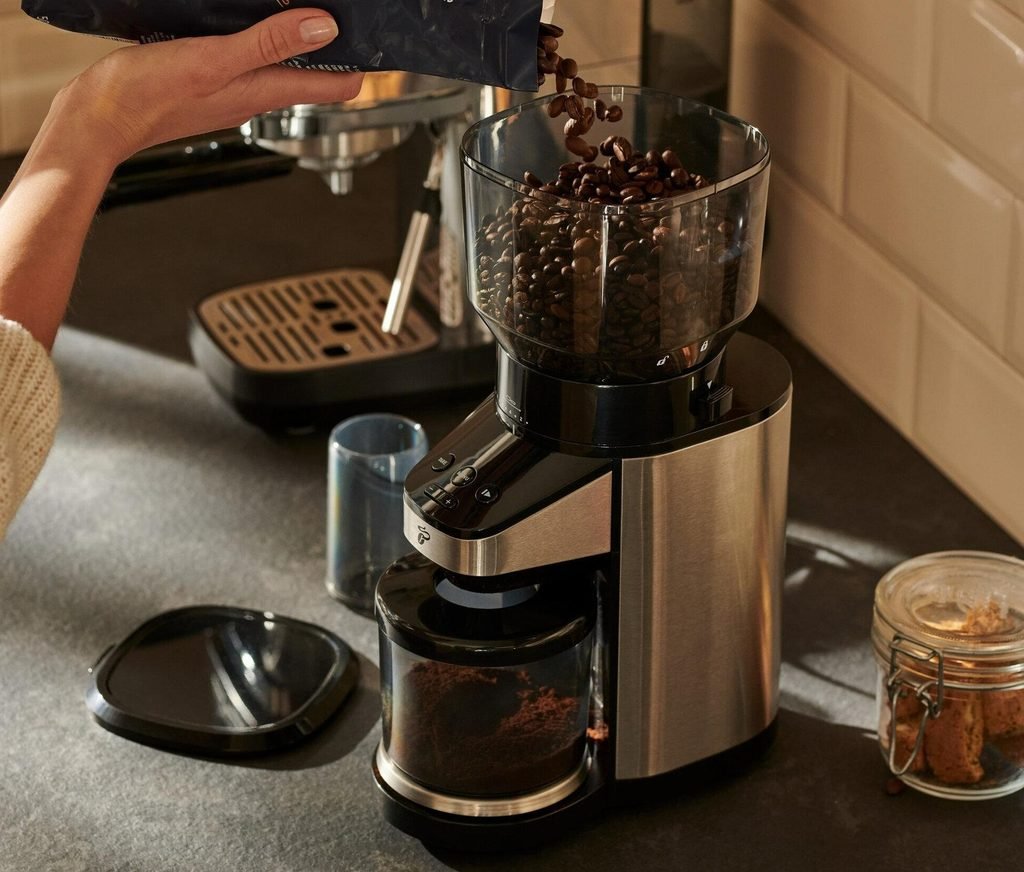
A coffee grinder is one of the most important pieces of equipment for improving home-brewed coffee. Even an expensive coffee maker can struggle to produce a balanced cup if the coffee grounds are inconsistent in size.
Precision grinders are designed to produce more uniform particles, which can help water extract flavor more evenly during brewing.
Burr grinders are particularly useful because they crush coffee beans between two grinding surfaces rather than chopping them with rapidly spinning blades.
When choosing a grinder, consider the following characteristics:
- Grind consistency: Uniform grounds help reduce the risk of uneven extraction.
- Adjustment range: A wide range of grind settings makes it easier to prepare espresso, pour-over, French press, and other brewing styles.
- Retention: Lower-retention grinders leave less old coffee trapped inside the grinding chamber.
- Ease of cleaning: Removable components and accessible grinding chambers make routine maintenance simpler.
- Noise and size: Compact, quieter grinders may be more suitable for smaller kitchens or early-morning brewing.
A medium grind is generally a useful starting point for drip coffee, while espresso typically requires a much finer grind. French press usually works better with a coarse grind.
The exact setting depends on the grinder, beans, roast level, and brewing method. Rather than relying entirely on numbered settings, adjust the grind according to the taste and extraction time of the finished coffee.
Connected Coffee Makers and App-Based Brewing
Connected coffee makers are designed to make brewing more convenient by allowing users to control certain functions through a smartphone or other connected device.
Depending on the model, these appliances may support scheduled brewing, temperature adjustments, saved recipes, and notifications when a brewing cycle is complete.
For someone with a busy morning routine, a programmable coffee maker can be particularly useful. Preparing the coffee and water the night before may allow a fresh pot to begin brewing at a chosen time.
However, convenience features should be evaluated carefully. A smartphone connection is only useful if it makes the brewing process easier or provides meaningful control.
Before purchasing a connected coffee maker, consider whether it supports the brewing style you prefer, whether its app is easy to use, and whether essential functions remain available if the internet connection is interrupted.
Automated Milk Frothers and Temperature Control
Milk texture plays a major role in the quality of cappuccinos, flat whites, and lattes. Automated milk frothers help simplify the process by heating milk and creating foam with minimal manual effort.
Some machines offer different foam settings for hot milk, cappuccino-style foam, or cold beverages. More advanced systems may allow adjustments to milk temperature and foam density.
Temperature control is also important when brewing coffee. Water that is too cool may produce a weak or under-extracted cup, while unsuitable temperatures and excessive extraction can contribute to harsh flavors.
For most pour-over and drip coffee, a starting water temperature of approximately 92–96°C is useful. Espresso machines generally manage brewing temperature internally, although the ideal setting can vary according to the coffee and machine.
Automated features can reduce guesswork, but they still require appropriate ingredients and regular cleaning. Milk residue can accumulate in frothing systems, so following the manufacturer’s cleaning instructions is essential.
Portable Espresso Makers and Compact Brewing Systems
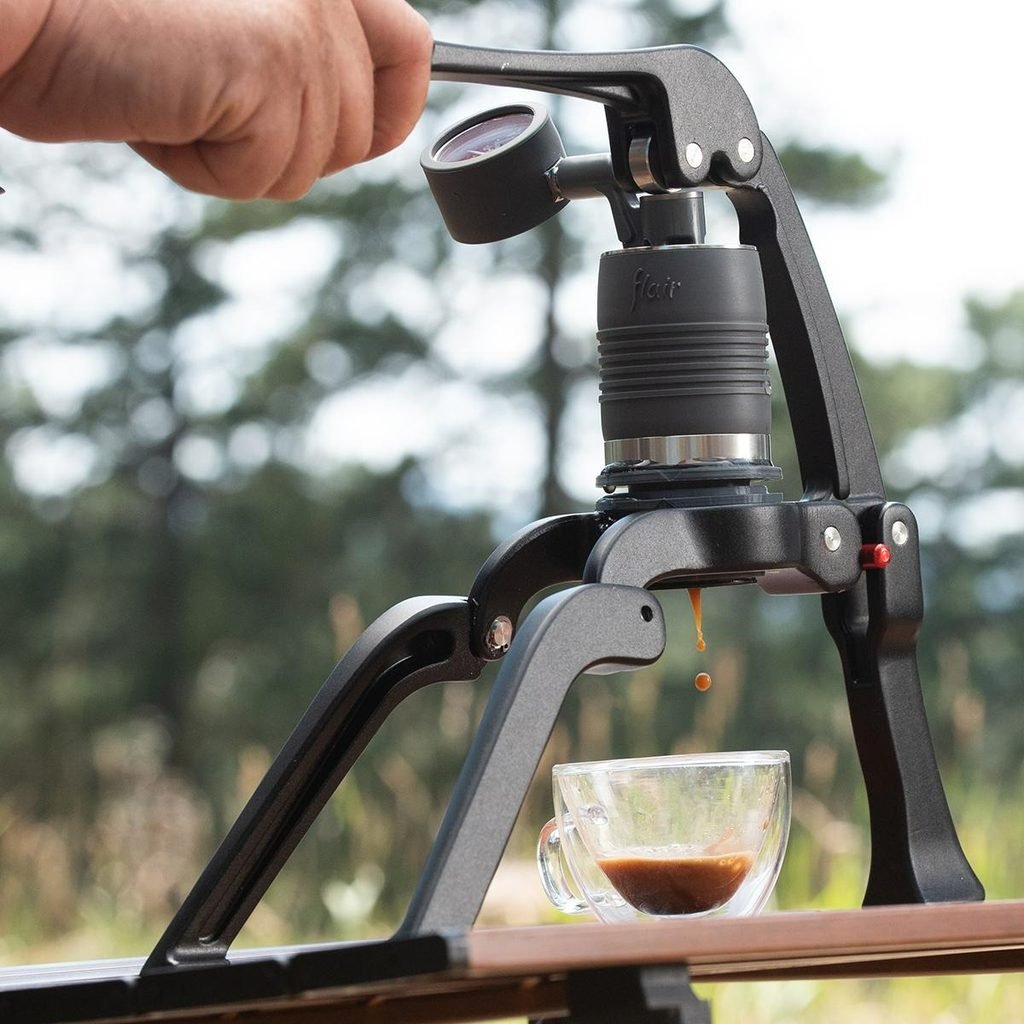
Portable coffee equipment is another area worth watching as people seek ways to enjoy quality coffee while traveling, camping, working, or commuting.
Compact espresso makers, travel-friendly pour-over drippers, and small manual grinders can make it possible to prepare coffee without relying on a full kitchen setup.
Portable brewing equipment generally falls into a few categories:
| Equipment | Main advantage | Best suited for |
| Manual portable espresso maker | Compact espresso-style coffee | Travel and outdoor use |
| Collapsible pour-over dripper | Lightweight and easy to pack | Travelers and pour-over enthusiasts |
| Portable hand grinder | Freshly ground coffee away from home | Coffee lovers who use whole beans |
| Compact electric coffee maker | Convenient brewing with minimal setup | Offices and small kitchens |
| French press travel mug | Brewing and drinking in one container | Commuting and everyday use |
When choosing portable equipment, consider its weight, durability, cleaning requirements, and whether it needs electricity or a separate source of hot water.
Manual espresso makers can produce concentrated coffee, but the results may differ from those of traditional espresso machines in pressure consistency, temperature stability, and extraction.
For frequent travelers, a compact brewer that is easy to clean and works with readily available coffee may be more practical than a complicated device with numerous accessories.
Is Smart Coffee Equipment Worth the Investment?
Not every coffee drinker needs an expensive smart machine. The right equipment depends on how often you make coffee, what types of drinks you enjoy, and how much control you want over the brewing process.
A basic comparison can help:
| Coffee equipment | Main benefit | Potential drawback |
| Manual pour-over | Affordable and precise brewing control | Requires attention and practice |
| Automatic drip coffee maker | Convenient everyday brewing | Less control over some brewing variables |
| Entry-level espresso machine | Access to espresso-based drinks at home | Requires learning grind and extraction adjustments |
| Smart espresso machine | Automation and customizable settings | Higher purchase price and maintenance complexity |
| Precision burr grinder | More consistent grounds | Quality models can be expensive |
For beginners, investing in a reliable burr grinder and a simple brewing device may provide more noticeable improvements than purchasing a complicated smart appliance.
Experienced home baristas may appreciate programmable espresso machines and advanced grinders because they offer greater control and repeatability.
The most useful coffee technology is the equipment that solves a real problem in your daily routine. Before buying, compare practical features, maintenance requirements, replacement-part availability, and long-term operating costs rather than focusing only on the number of smart functions.
Plant-Based Milk and the Changing Coffee Creamer Market
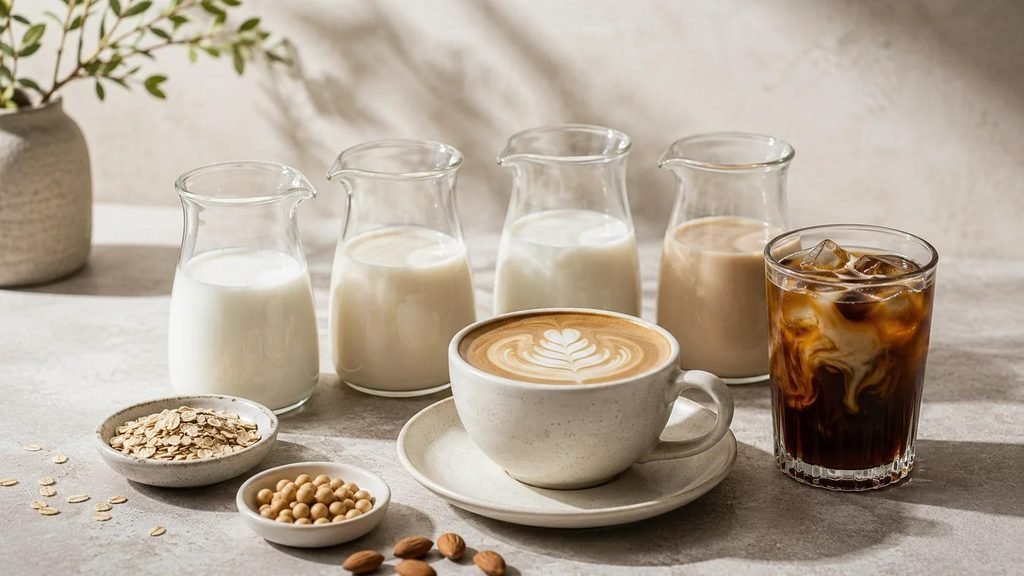
Milk alternatives and coffee creamers have become an important part of the modern coffee experience. Many consumers now look beyond traditional dairy milk, exploring different ingredients to suit their preferred taste, dietary needs, and coffee-making habits.
Plant-based milk and more customizable creamers are likely to remain important coffee trends in 2027. Improvements in texture, foaming performance, and flavor are helping alternative milk products become more versatile for everything from everyday brewed coffee to specialty espresso drinks.
The market is also expanding beyond ordinary milk alternatives, with products offering reduced sugar, added protein, different fat contents, and a wider variety of flavors.
Oat Milk Continues to Attract Coffee Lovers
Oat milk has become a familiar option in cafés because its relatively creamy texture and mild flavor can work well with espresso.
Barista-style oat milk is usually formulated to improve steaming and foaming performance. Some varieties contain added oils, stabilizers, or other ingredients that help create a smoother texture when heated.
Oat milk can be particularly suitable for:
- Lattes: Its creamy texture can produce a smooth, balanced drink.
- Cappuccinos: Barista-style versions can create foam suitable for milk-based espresso drinks.
- Iced coffee: Its mild flavor pairs well with espresso, cold brew, and flavored syrups.
- Flavored coffee: The gentle sweetness of some oat milk products can complement vanilla, caramel, and chocolate.
However, oat milk varies considerably between brands. Some versions are naturally sweeter, while others have a more pronounced grain-like flavor.
When steaming oat milk, avoid excessive heat because overheating can affect its flavor and texture. Follow the product instructions and aim for a smooth, evenly textured result.
Almond, Soy, and Coconut Milk Offer Different Flavor Profiles
Oat milk is not the only plant-based option for coffee. Almond, soy, and coconut milk each offer distinctive characteristics that may suit different beverages.
| Milk alternative | Typical flavor | Texture | Suitable coffee drinks |
| Oat milk | Mild, slightly sweet, grain-like | Creamy | Lattes, iced coffee, cappuccinos |
| Almond milk | Light, nutty | Usually thinner | Iced coffee, americanos with milk |
| Soy milk | Mildly nutty or beany | Medium to creamy | Lattes, cappuccinos |
| Coconut milk | Distinctively tropical | Varies by product | Iced coffee, flavored lattes |
| Pea-protein milk | Generally mild | Often creamy | Lattes, cold coffee |
The exact taste and texture depend on the product formulation. Barista versions are often designed to work better with espresso and steam wands than standard varieties.
Soy milk, for example, can produce a smooth latte when used correctly, but some products may separate when mixed with highly acidic coffee or exposed to unsuitable temperatures.
Almond milk can be refreshing in iced coffee, although some varieties may taste watery when combined with strong espresso.
Coconut milk adds a noticeable flavor of its own, which can work particularly well with chocolate, vanilla, and tropical-inspired coffee recipes.
Sugar-Free and Reduced-Sugar Coffee Creamers
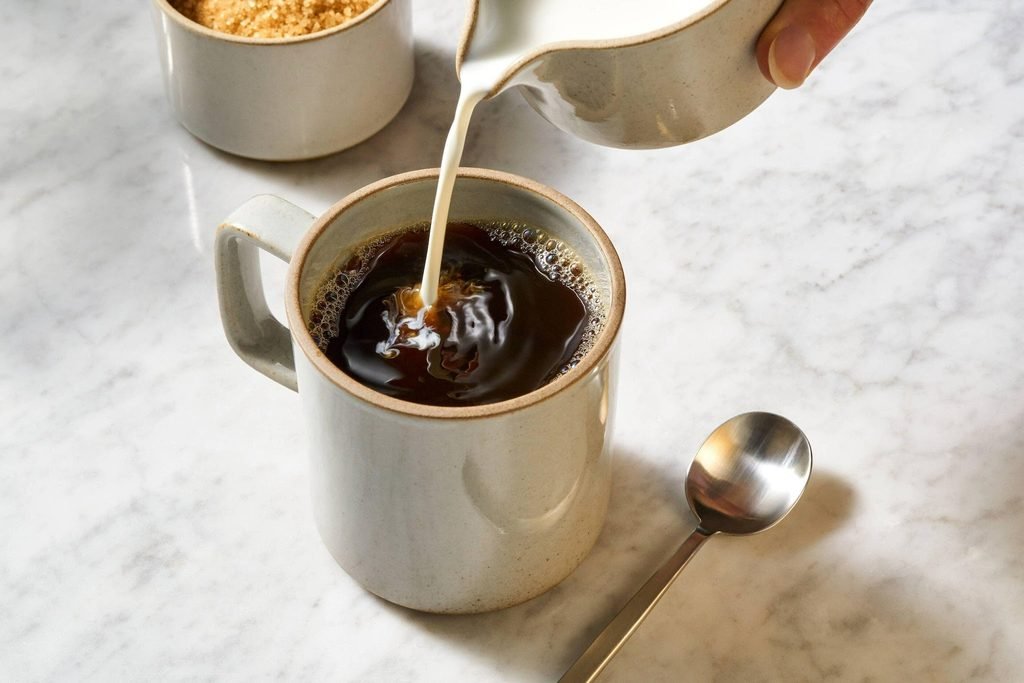
Another development in the creamer market is the growing variety of products with reduced sugar or no added sugar.
Traditional flavored creamers can add considerable sweetness to coffee. Sugar-free and reduced-sugar alternatives offer different ways to create a creamy drink while controlling the amount of added sugar.
Common options include:
- Sugar-free vanilla creamer.
- Reduced-sugar caramel creamer.
- Unsweetened almond or oat creamer.
- Plant-based hazelnut creamer.
- Coconut-based coffee creamer.
Sugar-free does not necessarily mean calorie-free or suitable for every dietary preference. Some products use alternative sweeteners, while others contain oils or thickeners that affect their nutritional composition.
Reading the nutrition label can help you compare total sugar, calories, serving size, and ingredients.
For home brewers, making coffee creamer from simple ingredients is another way to control sweetness. Combining milk or a plant-based alternative with a small amount of vanilla extract and a preferred sweetener can create a customizable option without requiring a long list of ingredients.
Better Texture and Barista-Style Performance
Milk texture is particularly important for espresso-based beverages. A latte needs a smooth, integrated milk texture, while a cappuccino traditionally features a more pronounced layer of foam.
Some plant-based milks can be difficult to steam because their proteins, fats, and other ingredients behave differently from those in dairy milk.
Barista-style formulations are designed to address some of these challenges. They may offer improved foam stability, smoother pouring, and better integration with espresso.
For home baristas, a few practical techniques can help:
- Start with cold milk, following the manufacturer’s instructions.
- Use a clean milk pitcher and steam wand.
- Introduce air gradually rather than creating large, dry bubbles.
- Keep the milk moving to create a smooth texture.
- Avoid overheating and clean the equipment immediately after use.
If you are using a handheld frother rather than a steam wand, gently warming the milk and frothing it in a suitable container can provide a convenient alternative.
Choosing the Right Milk for Your Coffee
The best milk alternative depends on the type of coffee you prepare and the flavor you prefer.
For a creamy latte, barista-style oat or soy milk may be worth trying. Almond milk can work well in iced coffee when you prefer a lighter texture, while coconut milk can add a distinctive flavor to dessert-inspired drinks.
It is also important to consider nutritional needs, allergies, and dietary requirements. Plant-based beverages vary in protein, fat, added sugar, and fortification. People who rely on these products as a nutritional substitute for dairy may want to compare their calcium, vitamin D, and protein content.
The changing coffee creamer market is ultimately about choice. Rather than relying on one universal milk alternative, coffee drinkers can explore different options to find the right balance of flavor, texture, sweetness, and convenience for each beverage.
Cold Coffee, Ready-to-Drink Beverages, and Convenience
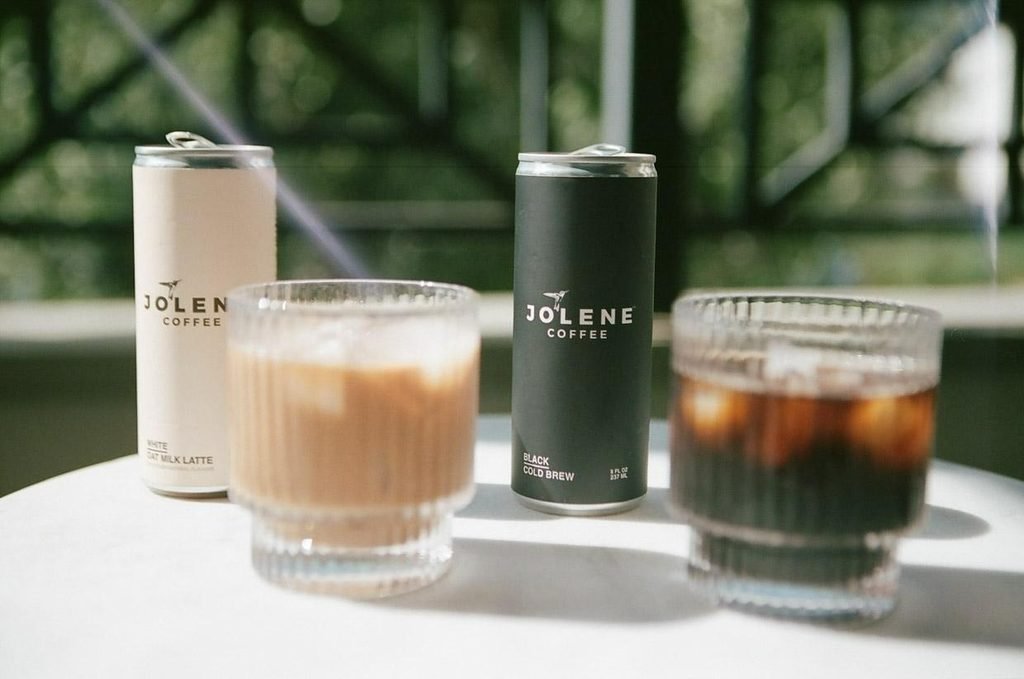
Cold coffee has grown into a broad category that includes everything from homemade iced coffee to specialty cold brew, nitro coffee, and ready-to-drink beverages sold in cans and bottles.
These drinks appeal to people who want refreshing coffee, convenient preparation, and options that fit busy lifestyles. They also give coffee brands and cafés more opportunities to experiment with flavors, textures, packaging, and serving formats.
Cold coffee and ready-to-drink beverages are key areas to watch in 2027, particularly as consumers continue exploring convenient alternatives to traditional hot coffee.
Cold Brew Remains a Popular Choice
Cold brew is prepared by steeping coffee grounds in cool or room-temperature water for an extended period. Unlike traditional hot brewing, it uses time rather than high water temperature to extract the coffee’s soluble compounds.
The result is often a smooth, rounded beverage that can have lower perceived acidity than some hot-brewed coffees. Its flavor still depends on the coffee beans, grind size, brewing ratio, steeping time, and filtration method.
A simple cold brew recipe is easy to prepare at home.
Basic homemade cold brew recipe
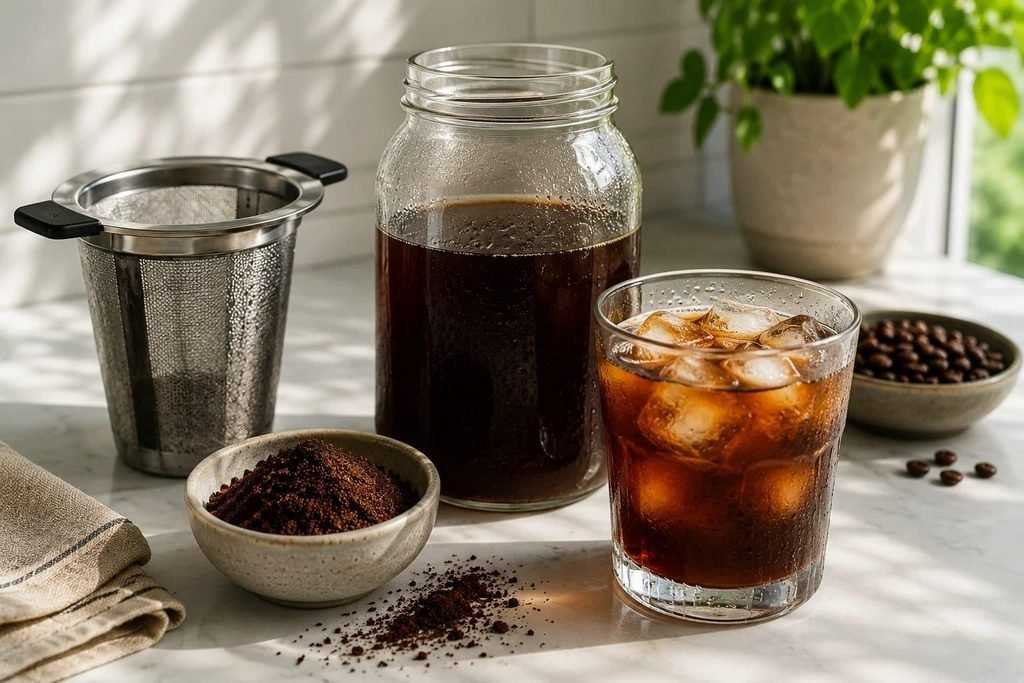
Ingredients and equipment
- 100 g coarsely ground coffee
- 700 ml cold, filtered water
- Large jar or French press
- Fine-mesh strainer or suitable coffee filter
Preparation
- Add the coffee grounds to a clean jar or French press.
- Pour in the cold water and stir gently to ensure all the grounds are saturated.
- Cover and refrigerate for approximately 12–18 hours.
- Filter the mixture to remove the grounds.
- Serve over ice and add water, milk, or sweetener according to taste.
A 1:7 coffee-to-water ratio produces a fairly concentrated cold brew, although it may still be enjoyed without dilution depending on the beans and personal preference.
If the finished coffee tastes excessively bitter or heavy, try reducing the steeping time or using a slightly coarser grind. If it tastes weak, experiment with a stronger ratio or a longer steep within a reasonable range.
Store prepared cold brew in a clean, sealed container in the refrigerator and consume it within a few days for better freshness and flavor.
Nitro Coffee and Smooth, Creamy Textures
Nitro coffee is cold coffee infused with nitrogen gas. It is commonly served from a pressurized tap, producing a cascading appearance and a dense, creamy texture.
The nitrogen bubbles are smaller than the carbon dioxide bubbles found in many carbonated beverages. This contributes to nitro coffee’s smooth mouthfeel and distinctive presentation.
Nitro coffee is often served without milk because the texture can create an impression of creaminess on its own. Some versions are naturally sweet-tasting, although nitrogen itself does not add sugar.
Coffee shops may use nitro systems to offer a distinctive cold coffee experience, while home equipment and compact nitrogen-infusing devices can make similar preparations possible for enthusiasts.
For anyone interested in trying nitro coffee at home, equipment compatibility and safe handling of pressurized containers are important considerations.
Ready-to-Drink Coffee for Busy Lifestyles
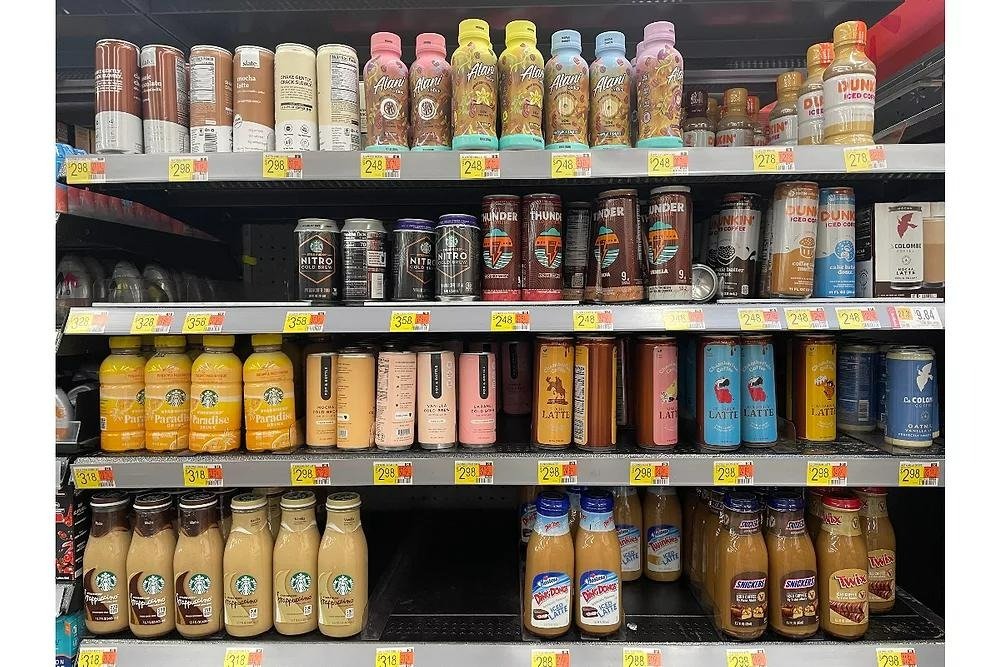
Ready-to-drink, or RTD, coffee offers a convenient alternative for people who do not always have the time or equipment to prepare coffee themselves.
These products are usually sold in cans, bottles, or cartons and may be available as black cold brew, sweetened iced coffee, milk-based lattes, or flavored coffee drinks.
Their convenience makes them suitable for commuting, travel, work breaks, and situations where access to freshly brewed coffee is limited.
Popular RTD formats include:
- Black cold brew: Usually made with coffee and water, with no milk required.
- Iced latte: Combines coffee with milk or a milk alternative.
- Flavored coffee: Adds ingredients such as vanilla, caramel, mocha, or hazelnut.
- Protein coffee: Combines coffee with protein ingredients for a more substantial beverage.
- Low-sugar coffee: Uses reduced sugar or alternative sweeteners, depending on the formulation.
When choosing ready-to-drink coffee, check the serving size, caffeine content, added sugar, and storage instructions. Some products contain significantly more caffeine or sugar than others, even when their packaging and serving sizes look similar.
Premium Cold Coffee and New Flavor Combinations
Cold coffee also provides opportunities for flavor experimentation because chilled drinks can be combined with a wide variety of ingredients.
Fruit, flavored syrups, spices, plant-based milk, and sparkling water can all create different experiences. Some cafés may use cold brew as a base for seasonal drinks, while others may develop signature iced espresso beverages.
Examples worth trying include:
- Vanilla oat milk cold brew: Smooth cold brew with oat milk and a small amount of vanilla.
- Coconut iced coffee: Chilled coffee combined with coconut milk and ice.
- Orange espresso tonic: Espresso, tonic water, ice, and a slice of orange.
- Chocolate cold brew: Cold brew mixed with cocoa, chocolate syrup, or chocolate milk.
- Cinnamon iced latte: Espresso or strong coffee mixed with milk, ice, and a hint of cinnamon.
For the best results, consider the intensity of the coffee before adding other ingredients. A concentrated cold brew can stand up to milk and sweeteners, while a lighter coffee may be better suited to a simple iced drink.
Homemade Cold Coffee vs. Commercial RTD Drinks
Both homemade cold coffee and ready-to-drink products have practical advantages. The choice depends on how much convenience, customization, and control you want.
| Feature | Homemade cold coffee | Ready-to-drink coffee |
| Preparation | Requires brewing and filtration | Ready to consume |
| Flavor customization | Highly flexible | Limited to available varieties |
| Cost per serving | Often lower when made in batches | Varies by brand and product |
| Equipment | Basic brewing supplies | Usually no equipment needed |
| Freshness control | You choose the beans and brewing time | Depends on manufacturing and storage |
| Portability | Requires a suitable container | Usually packaged for travel |
| Ingredient control | Full control over ingredients | Depends on product labeling |
Homemade cold brew can be especially economical for people who drink it regularly. Preparing a batch in advance also makes it easy to create several different drinks throughout the week.
RTD coffee is useful when convenience is the priority. It can be a practical option for occasional use, travel, or busy mornings when brewing is not possible.
How to Choose Cold Coffee That Suits Your Routine
The best cold coffee option is the one that fits your schedule, taste preferences, and budget.
If you enjoy experimenting with coffee, homemade cold brew gives you control over the beans, strength, steeping time, and added ingredients. If you need something portable and immediately available, ready-to-drink coffee may be more practical.
Pay attention to caffeine content, particularly when switching between different coffee formats. Cold brew is not automatically higher in caffeine than hot coffee; the amount depends on the coffee concentration, serving size, and dilution.
Cold coffee in 2027 is likely to be about combining convenience with variety. Whether you prefer a simple glass of homemade cold brew, a creamy iced latte, or a premium canned coffee, there are plenty of ways to enjoy coffee beyond the traditional hot cup.
Coffee Shops in 2027: Beyond the Traditional Café
Coffee shops are becoming more than places to grab a quick cup of coffee. Customers increasingly look for comfortable spaces, distinctive drinks, convenient ordering, and experiences that feel different from what they can create at home.
This makes the café experience an important part of coffee trends 2027. Coffee shops may continue adapting their menus, technology, interiors, and services to meet changing customer expectations.
Cafés Designed Around Different Activities
The traditional café layout is changing as customers use coffee shops for different purposes.
Some people visit for a quick takeaway drink, while others want somewhere to work, study, meet friends, or spend several hours relaxing.
Future café concepts may place greater emphasis on flexible spaces such as:
- Comfortable seating for longer visits
- Quiet areas for working or studying
- Communal tables for socializing
- Outdoor seating
- Dedicated takeaway counters
- Small spaces for coffee tastings or workshops
Good café design can influence how customers experience the coffee itself. A carefully prepared pour-over may feel very different when enjoyed in a quiet specialty café compared with a busy takeaway environment.
More Personalized Café Menus
Personalization is likely to remain important in coffee shops. Customers may expect greater control over milk, sweetness, espresso shots, flavors, and serving styles.
Instead of simply ordering a vanilla latte, for example, a customer might specify oat milk, half-sweet vanilla syrup, an extra espresso shot, and iced preparation.
Digital ordering systems can make these customizations easier to manage because customers can select their preferences before reaching the counter.
Cafés may also develop smaller menus built around customizable base drinks. Rather than offering dozens of separate beverages, a shop could provide several coffee bases that customers can modify.
This approach can simplify operations while still giving customers plenty of choice.
Digital Ordering and Loyalty Programs
Technology will continue to influence the customer experience.
Mobile ordering can reduce waiting times during busy periods, while digital loyalty programs can make repeat purchases more convenient.
Useful café technology may include:
- Mobile ordering
- Digital loyalty points
- Contactless payment
- Personalized recommendations
- Online pickup scheduling
- Digital receipts
- Automated order notifications
Technology works best when it removes friction rather than making a simple coffee purchase unnecessarily complicated.
A customer who wants to order the same iced latte every morning may appreciate being able to repeat the order with a few taps.
Signature Drinks Become a Competitive Tool
Independent cafés can struggle to compete with large coffee chains on convenience and brand recognition. One way to stand apart is through distinctive signature beverages.
A signature drink might combine a particular coffee origin with a house-made syrup, seasonal ingredient, or unusual preparation method.
Examples could include:
- Cardamom honey latte
- Orange vanilla cold brew
- Pistachio espresso tonic
- Brown sugar oat milk latte
- Coconut mocha cold brew
The most memorable drinks usually have a clear identity without becoming unnecessarily complicated.
For coffee shops in 2027, the experience may matter just as much as the beverage itself. A unique drink, welcoming atmosphere, convenient ordering, and consistent quality can all contribute to how customers remember a café.
Coffee Prices, Ethical Sourcing, and the Future of Coffee Farming
The coffee industry faces challenges that extend far beyond what happens behind a café counter. Coffee prices are influenced by factors such as weather, crop yields, labor, transportation, currency movements, and global supply and demand.
These factors can affect what consumers eventually pay for coffee beans, ground coffee, and prepared drinks.
Why Coffee Prices Can Change
Coffee prices do not remain fixed because coffee production depends on conditions that can vary from one harvest to another.
Several factors can influence prices:
- Weather conditions in major growing regions
- Droughts, excessive rainfall, and other extreme weather
- Coffee plant diseases and pests
- Harvest size
- Labor costs
- Transportation and energy costs
- Exchange rates
- Global demand
- Supply chain disruptions
A poor harvest in an important coffee-growing region can reduce available supply, while strong demand can increase competition for available beans.
Retail prices do not always move immediately with changes in commodity prices because roasters and retailers also have contracts, inventory, transportation expenses, packaging costs, labor, and other operating expenses.
For consumers, this means that the price of a bag of coffee reflects much more than the beans themselves.
Climate Change and Coffee Production
Coffee plants require suitable environmental conditions, and changes in temperature and rainfall can create challenges for farmers.
Arabica coffee, in particular, is generally associated with relatively specific growing conditions. Changes in temperature can affect flowering, fruit development, pest pressure, and overall productivity.
Coffee farmers may respond by adapting cultivation practices, changing planting locations, improving shade management, using different varieties, or investing in more resilient agricultural systems.
Climate adaptation is therefore becoming an important part of discussions about the future of coffee.
Climate-Resilient Coffee Varieties
Coffee researchers and producers are exploring varieties that can better tolerate particular environmental pressures while maintaining desirable cup quality.
The challenge is finding a balance between resilience, productivity, disease resistance, and flavor.
A variety that performs well in difficult conditions may not automatically produce the flavor profile that specialty coffee buyers want.
This makes coffee breeding a long-term process rather than a quick solution.
Consumers may eventually see more information about coffee varieties on packaging as producers and roasters place greater emphasis on traceability and agricultural characteristics.
Ethical Sourcing and Farmer Relationships
Sustainability also includes the people who produce coffee.
Farmers need sufficient income to maintain their farms, pay workers, invest in equipment, and continue producing coffee for future harvests.
Some roasters develop direct relationships with producers or cooperatives, while others participate in certification programs and sourcing initiatives.
When evaluating ethical sourcing claims, look for specific information rather than broad statements.
Useful details can include:
- Farm or cooperative names
- Growing region
- Coffee variety
- Processing method
- Sourcing relationships
- Certification information
- Information about farmer premiums or purchasing programs
- Traceability details
No single label explains every aspect of a coffee’s supply chain. Looking at several pieces of information provides a better understanding of how a product was sourced.
Will Coffee Become More Expensive in 2027?
Coffee prices can move in either direction depending on market and production conditions, so it is difficult to treat any particular future price as certain.
Consumers may nevertheless notice greater variation between coffee products.
Premium specialty coffee may carry higher prices because of limited production, labor-intensive processing, quality control, or traceable sourcing. More affordable commercial coffee will continue serving consumers who prioritize price and convenience.
Higher price does not automatically mean better coffee, and lower price does not automatically mean poor quality. Comparing origin, freshness, roast date, processing, serving size, and sourcing information can provide more useful context when shopping.
Social Media, Coffee Culture, and the Next Viral Coffee Craze
Social media has become one of the fastest ways for new coffee ideas to reach millions of people.
A simple recipe can move from a home kitchen to cafés and coffee shops around the world in a surprisingly short time. This has created a coffee culture where trends can emerge quickly, disappear just as quickly, or become permanent additions to everyday routines.
Why Some Coffee Trends Go Viral
Visual appeal is one major factor.
Coffee drinks with dramatic layers, colorful ingredients, unusual textures, or impressive toppings are naturally suited to short-form video and photography.
Popular social media coffee concepts often have several characteristics:
- They look different from ordinary coffee
- The recipe is relatively easy to recreate
- The ingredients are recognizable
- The preparation has a satisfying visual element
- The finished drink photographs well
- The recipe can be adapted to different tastes
Dalgona coffee is a good example of how a relatively simple preparation can become a major online trend when the process itself is visually interesting.
Home Coffee Creators Influence Coffee Culture
Coffee trends are no longer created only by professional baristas and large beverage companies.
Home brewers can introduce recipes using equipment that many people already own, such as French presses, moka pots, drip coffee makers, handheld frothers, and simple espresso machines.
This makes trends more accessible.
A complicated café recipe may be interesting to watch, but a three-ingredient iced coffee that can be prepared in five minutes has a much better chance of becoming part of someone’s regular routine.
Not Every Viral Coffee Trend Is Worth Buying Equipment For
Social media can create the impression that every new drink requires another specialized tool.
That is rarely necessary.
Before purchasing equipment for a viral recipe, consider whether you can achieve a similar result with what you already own.
For example:
- A handheld frother can replace an expensive automatic milk frother for simple recipes.
- A French press can make concentrated coffee for certain iced drinks.
- A moka pot can provide a strong coffee base for homemade lattes.
- A regular blender can handle many blended coffee recipes.
- A kitchen scale can improve consistency across many brewing methods.
Try the recipe first, then decide whether specialized equipment would genuinely improve the experience.
How to Turn a Viral Recipe Into a Better Coffee
Viral recipes often prioritize visual appeal and sweetness. You can improve the final drink by paying attention to the coffee itself.
Start with freshly ground beans when possible. Choose a roast that complements the added ingredients rather than simply using the strongest coffee available.
For chocolate or caramel drinks, medium or medium-dark roasts can provide familiar roasted and cocoa-like flavors. Fruit-based coffee drinks may work better with lighter coffees that have brighter acidity and fruitier characteristics.
Small adjustments can make a major difference.
Low-Caffeine, Decaf, and Alternative Coffee Choices
Not everyone wants maximum caffeine from every cup.
Some people enjoy coffee primarily for its flavor and ritual, while others want to reduce caffeine later in the day. This creates continued interest in decaf coffee, half-caf blends, and alternative coffee beverages.
The future of coffee is not necessarily about more caffeine. It is also about giving drinkers more control over how much caffeine they consume.
Decaf Coffee Is Becoming More Interesting
Modern decaffeinated coffee can offer considerably more flavor than many people expect.
The quality of the green coffee, roasting, decaffeination process, and brewing method all influence the final result.
Common decaffeination approaches include:
- Water-based processes
- Carbon dioxide processing
- Solvent-based methods using compounds such as ethyl acetate or methylene chloride
Each process has its own technical characteristics, and the quality of the underlying coffee remains important.
A good decaf can produce sweet, balanced, and complex flavors when properly roasted and brewed.
When shopping for decaf, look for information about the origin, roast date, processing method, and tasting notes rather than assuming all decaf coffee tastes the same.
Half-Caf Coffee for More Flexible Caffeine Intake
Half-caf coffee combines regular and decaffeinated coffee.
It can be useful for someone who enjoys the flavor and routine of coffee but wants less caffeine than a standard serving.
You can also create your own blend at home by combining regular and decaffeinated beans.
For example, a 50:50 mixture provides a simple starting point. The actual caffeine content will depend on the specific coffees and serving size, so it should not be treated as an exact caffeine measurement.
Half-caf can work particularly well for afternoon coffee when you want some caffeine without choosing a full-strength serving.
Alternative Coffee Beverages
Coffee alternatives can provide a different experience for people who want to reduce or avoid traditional coffee.
Some products use roasted chicory, barley, rye, dandelion root, or other ingredients to create a dark, roasted beverage.
These drinks generally do not taste identical to coffee. They may have earthy, toasted, nutty, malty, or slightly bitter characteristics.
| Beverage | Coffee content | Typical flavor | Caffeine |
| Regular coffee | Yes | Roasted, nutty, fruity, chocolatey | Usually contains caffeine |
| Decaf coffee | Yes | Similar to coffee, depending on bean and roast | Contains a small amount |
| Half-caf | Yes | Similar to regular coffee | Less than standard coffee |
| Chicory beverage | Usually no | Earthy, roasted, slightly bitter | Usually caffeine-free |
| Roasted grain beverage | Usually no | Toasted, malty, nutty | Usually caffeine-free |
These alternatives can be useful for people who enjoy the ritual of preparing a warm drink but want something different from traditional coffee.
How to Choose Coffee Based on Your Caffeine Preference
Your ideal coffee routine may change depending on the time of day.
A regular coffee can work well in the morning if you enjoy caffeine. Decaf or half-caf may be more suitable when you want to reduce caffeine intake later.
Pay attention to serving size because caffeine content can vary substantially between brewing methods and products.
Cold brew concentrates, large café drinks, espresso-based beverages, and ready-to-drink coffees can all have different caffeine levels.
Check the label when purchasing packaged coffee and remember that “decaf” does not mean completely caffeine-free.
How Coffee Lovers Can Prepare for the Trends of 2027
Keeping up with every coffee trend is unnecessary. The best way to explore the future of coffee is to choose developments that genuinely fit your taste, budget, and daily routine.
You do not need a new espresso machine, ten flavored syrups, or a refrigerator full of specialty coffee products to participate.
Start With One New Coffee Experience
Choose one area that interests you most.
If you normally drink traditional hot coffee, try a cold brew. If you always buy the same beans, explore a different origin. If you use dairy milk, experiment with a barista-style plant-based option.
Small changes make it easier to understand what you actually enjoy.
Experiment With Flavor Before Buying More Equipment
Flavor experimentation is one of the easiest ways to explore coffee trends at home.
Try:
- Cinnamon
- Vanilla
- Cocoa
- Cardamom
- Orange
- Pistachio
- Caramel
- Lavender
- Coconut
Start with small quantities. Coffee should remain noticeable rather than disappearing beneath syrups or other ingredients.
Improve Your Brewing Fundamentals
New technology can be exciting, but basic brewing skills remain valuable.
Focus on:
- Fresh coffee
- Appropriate grind size
- Consistent coffee-to-water ratios
- Good-quality water
- Suitable brewing temperature
- Proper storage
- Regular equipment cleaning
A better grinder and improved brewing technique can often make a larger difference than adding another flavor to an inconsistent cup.
Explore Sustainable Coffee More Carefully
Look for coffee brands that provide meaningful information about origin, sourcing, farming, and packaging.
Rather than choosing a product solely because it uses an environmental phrase on the package, investigate what that claim actually means.
You can also reduce your own coffee footprint by using reusable cups, avoiding unnecessary waste, buying appropriate quantities, and composting coffee grounds where suitable.
Decide Whether Smart Equipment Actually Solves a Problem
Before purchasing connected coffee equipment, identify what you want it to improve.
Do you need faster brewing? More consistent espresso? Better milk texture? Automatic scheduling? A smaller setup?
Once you know the problem, compare equipment based on the feature that solves it.
Technology should make your coffee routine better, not simply make your kitchen more complicated.
Frequently Asked Questions About Coffee Trends 2027
What are the biggest coffee trends expected in 2027?
Major areas to watch include personalized coffee drinks, functional beverages, sustainable sourcing, specialty coffee, smart brewing equipment, plant-based milk, cold coffee, ready-to-drink products, and flexible caffeine options.
What new coffee flavors could become popular in 2027?
Floral ingredients, fruit, pistachio, botanical flavors, spices, salted combinations, and dessert-inspired profiles are areas worth watching. Popularity can vary by region and consumer preference, so emerging flavors should be treated as possibilities rather than guaranteed trends.
Will specialty coffee become more popular in 2027?
Specialty coffee is likely to continue attracting interest as consumers gain easier access to single-origin beans, distinctive processing methods, home brewing equipment, and coffee education. The category can also become more approachable as cafés and roasters explain specialty coffee in simpler terms.
Is sustainable coffee becoming more important?
Sustainability is becoming an important consideration across coffee production, sourcing, packaging, and waste management. Consumers can look for specific information about farming practices, sourcing relationships, certifications, and packaging instead of relying only on broad environmental claims.
What coffee machines will be popular in 2027?
Smart espresso machines, automatic coffee makers, precision grinders, portable brewing devices, and equipment with improved temperature and extraction controls are areas to watch. The most useful machine depends on the user’s preferred brewing method and routine.
Will functional coffee replace regular coffee?
Functional coffee is likely to remain one part of the wider beverage market rather than replacing traditional coffee entirely. Regular coffee continues to offer familiar flavor, caffeine, affordability, and versatility, while functional products appeal to consumers interested in additional ingredients or specific beverage formats.
Are plant-based coffee creamers still a trend for 2027?
Plant-based milk and creamers are expected to remain important options for coffee drinkers. Oat, almond, soy, coconut, and newer formulations offer different combinations of flavor, texture, sweetness, and nutritional characteristics.
What is the best grind size for specialty coffee in 2027?
There is no single grind size that works for every specialty coffee. Start with medium-fine for many pour-over recipes, fine for espresso, medium for drip coffee, and coarse for French press. Adjust according to extraction time and taste rather than relying only on a grinder’s numbered setting.
How long should cold brew coffee steep?
Around 12–18 hours is a useful starting range for homemade cold brew. The ideal time depends on the coffee, grind size, ratio, and desired strength. Longer steeping does not automatically produce better coffee.
How should coffee beans be stored to preserve flavor?
Keep coffee beans in an airtight container away from heat, moisture, light, and strong odors. Buy quantities you can use while the coffee is reasonably fresh, and grind beans shortly before brewing when possible.
How can I try coffee trends without spending a lot of money?
Start with ingredients and equipment you already have. Try a new coffee origin, make a flavored iced coffee, experiment with plant-based milk, prepare cold brew in a jar, or compare two different roast profiles before investing in new equipment.
What the Future of Coffee Could Look Like in 2027
The coffee trends of 2027 point toward a coffee culture that is more personalized, experimental, convenient, and conscious of how coffee is produced.
Consumers will have more ways to customize their drinks, explore unusual flavors, choose different caffeine levels, and prepare specialty coffee at home. Technology may make brewing easier, while sustainability and traceable sourcing could become increasingly important parts of the purchasing decision.
At the same time, traditional coffee is not disappearing. Freshly brewed drip coffee, espresso, French press, pour-over, and simple homemade iced coffee will continue to have a place because good coffee does not need to be complicated.
The most interesting part of coffee trends 2027 is the amount of choice available to everyday coffee drinkers. You can explore a new origin, try a botanical latte, switch to a different milk, experiment with cold brew, or simply improve the way you grind and brew your existing coffee.
Pick one trend that genuinely interests you and try it in your own coffee routine. You may discover a new favorite flavor, brewing method, or coffee style without needing to completely change the way you enjoy your daily cup.

Meet Suzee Amelia, the creative voice behind this space—a blog dedicated to exploring coffee culture, lifestyle insights, and everyday inspiration. With a passion for discovering rich flavors and sharing practical tips, Sophie Langford brings a thoughtful and engaging approach to every post.

2 thoughts on “Coffee Trends 2027: 15 Exciting Changes Shaping the Future of Coffee”