

Coffee latte trends 2027 are bringing fresh ideas to one of the world’s most popular espresso drinks, from pistachio-flavored creations and naturally sweetened lattes to creative plant-based combinations and visually striking iced coffees. Whether you enjoy making coffee at home or want inspiration for your café menu, these emerging trends offer plenty of ways to make an ordinary latte feel new again.
The best part is that you don’t need expensive equipment or professional barista skills to explore many of these ideas. A few carefully chosen ingredients, good-quality coffee, and the right milk can transform a basic latte into something special. Let’s explore the flavors, textures, and preparation techniques worth watching as 2027 approaches.
In This Article
Coffee Latte Trends 2027: The Biggest Flavors to Watch
10
Flavor is one of the easiest ways to reinvent a latte. Classic vanilla and caramel remain useful starting points, but creative combinations involving nuts, spices, botanicals, and layered flavors offer exciting possibilities for 2027.
These are emerging directions worth exploring rather than a definitive ranking of future bestsellers. Individual preferences, local café culture, and ingredient availability will influence which drinks become popular.
Pistachio and Nutty Lattes
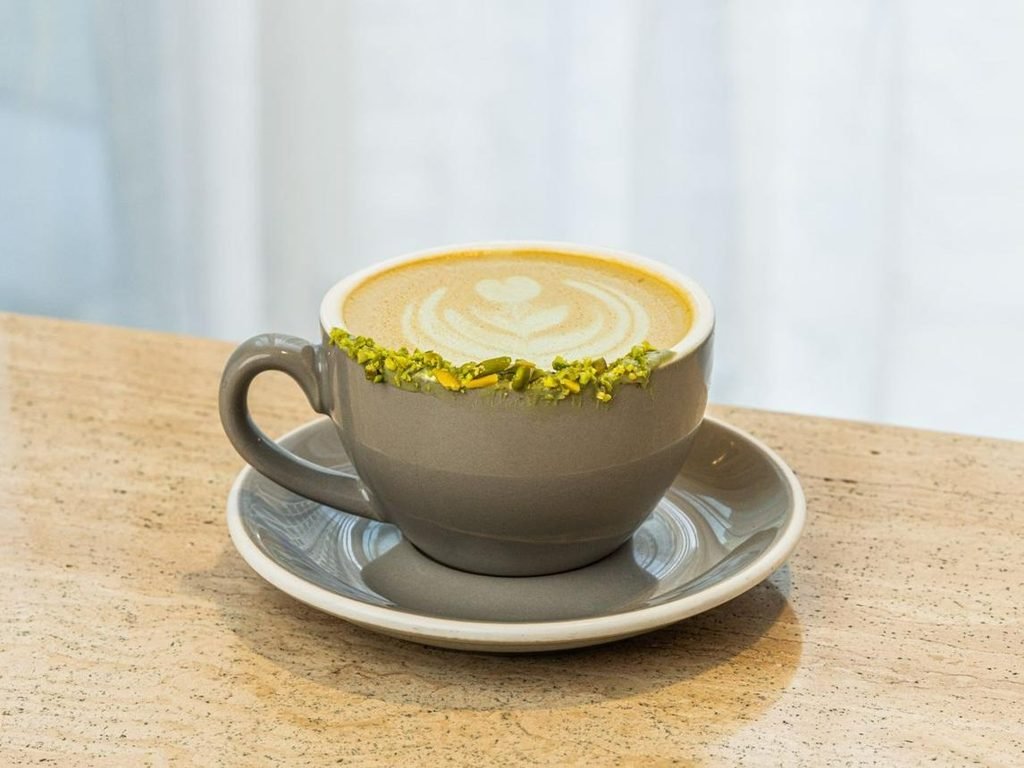
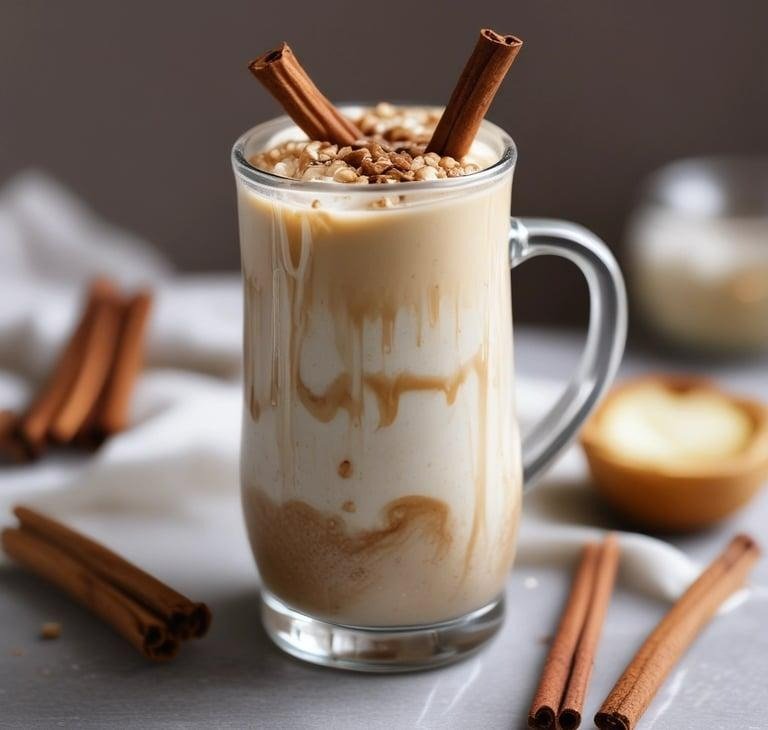
Pistachio has a naturally rich, slightly sweet flavor that works well with espresso. Its nutty character complements coffee’s roasted notes, creating a drink that feels indulgent without necessarily requiring a large amount of syrup.
A pistachio latte can be made with pistachio paste, a suitable pistachio syrup, or a prepared pistachio-flavored sauce. Each option produces a slightly different result.
- Pistachio paste offers a more pronounced nutty flavor and can contribute richness.
- Pistachio syrup is convenient for quick preparation and consistent sweetness.
- Pistachio sauce often creates a thicker, dessert-like drink.
For a balanced result, start with a single espresso shot, approximately 6–8 ounces of milk, and a small amount of pistachio flavoring. Adjust the sweetness after tasting rather than adding several spoonfuls immediately.
Pistachio pairs particularly well with oat milk and medium-roast espresso. A light sprinkle of finely chopped pistachios can add texture, although anyone with a nut allergy should avoid pistachio ingredients and cross-contact.
Brown Sugar and Caramelized Flavors
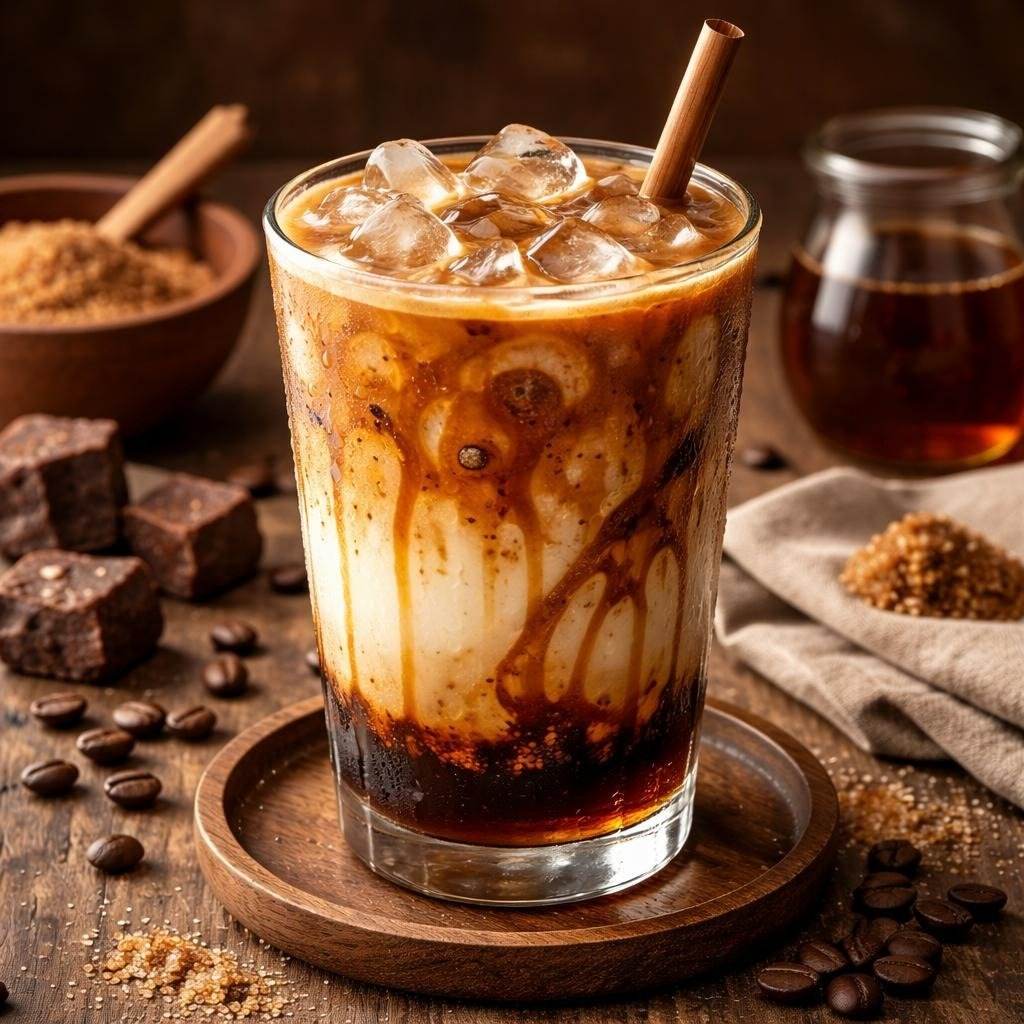
Brown sugar lattes are appealing because they combine coffee’s natural bitterness with warm, molasses-like sweetness. Compared with a straightforward white-sugar syrup, brown sugar often brings deeper notes reminiscent of toffee and caramel.
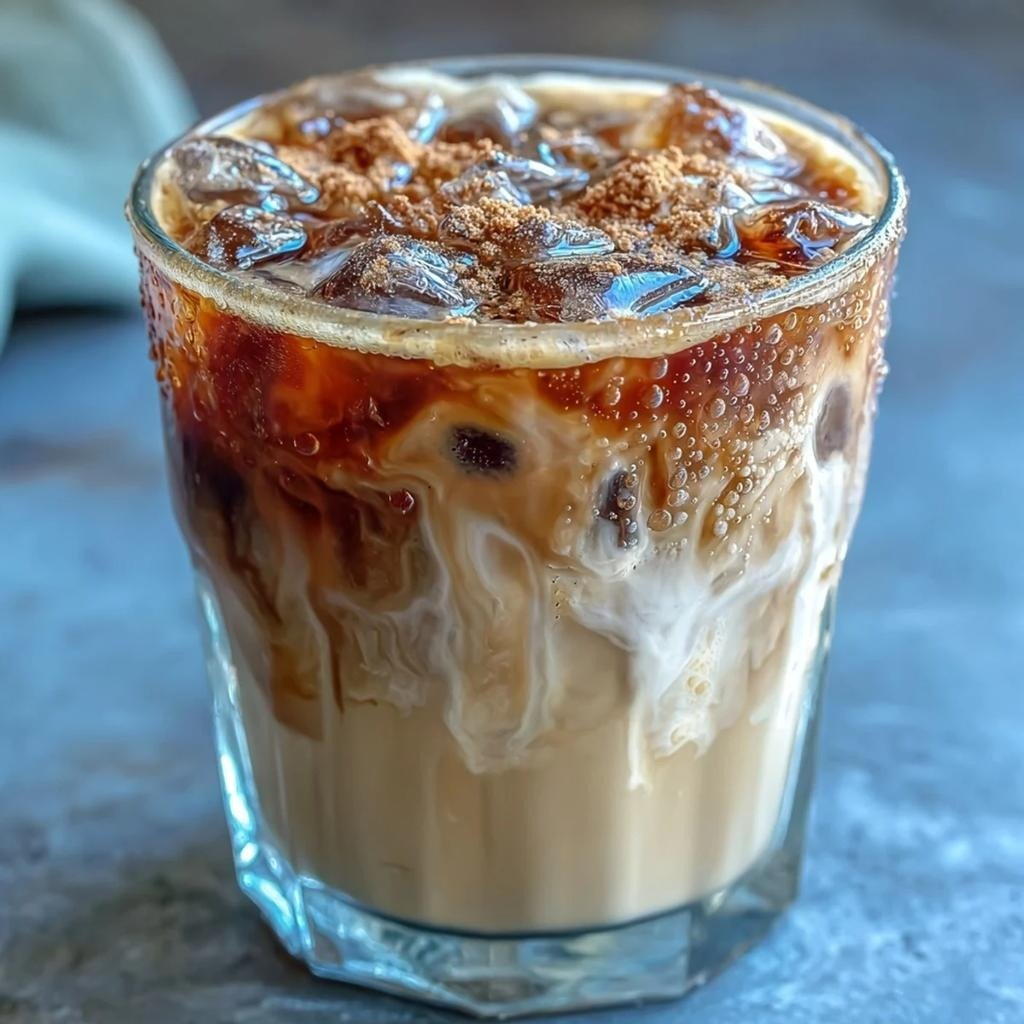
This flavor direction works especially well in iced lattes, where the combination of espresso, milk, and brown sugar creates a smooth, dessert-inspired drink.
To make a simple brown sugar latte:
- Stir 1–2 teaspoons of brown sugar into a freshly pulled espresso shot while it is still hot.
- Add a pinch of cinnamon if you enjoy a warming spice note.
- Pour the mixture over ice.
- Add cold dairy milk or oat milk and stir gently.
For a richer flavor, prepare a quick syrup by dissolving equal amounts of brown sugar and hot water. Let it cool before adding it to cold drinks.
Barista tip: Start with less sweetener than you think you need. A well-balanced latte should still taste like coffee, with the brown sugar adding depth rather than hiding the espresso.
Matcha-Coffee and Other Layered Combinations
Combining coffee with matcha is another creative direction for people who enjoy experimenting with flavor and appearance. Matcha has a vegetal, slightly earthy character that contrasts with espresso’s roasted intensity.
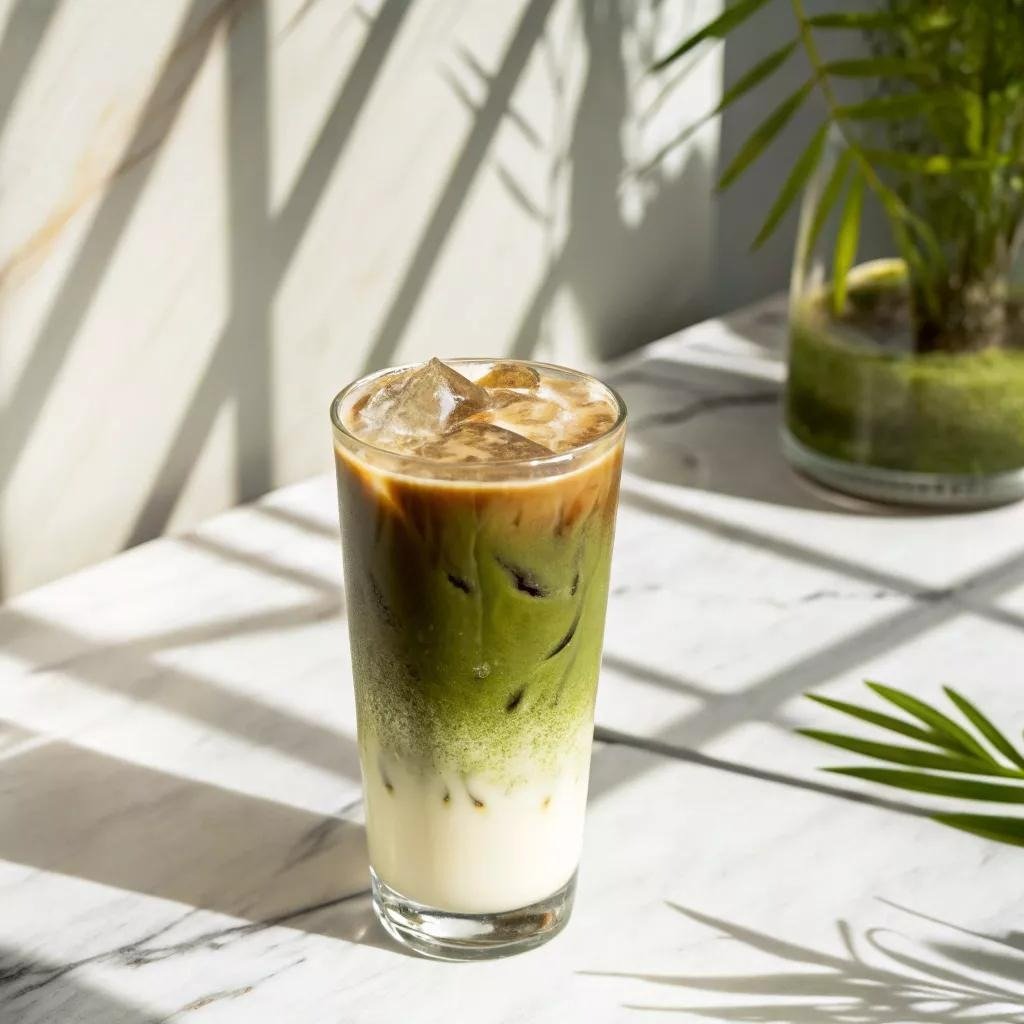
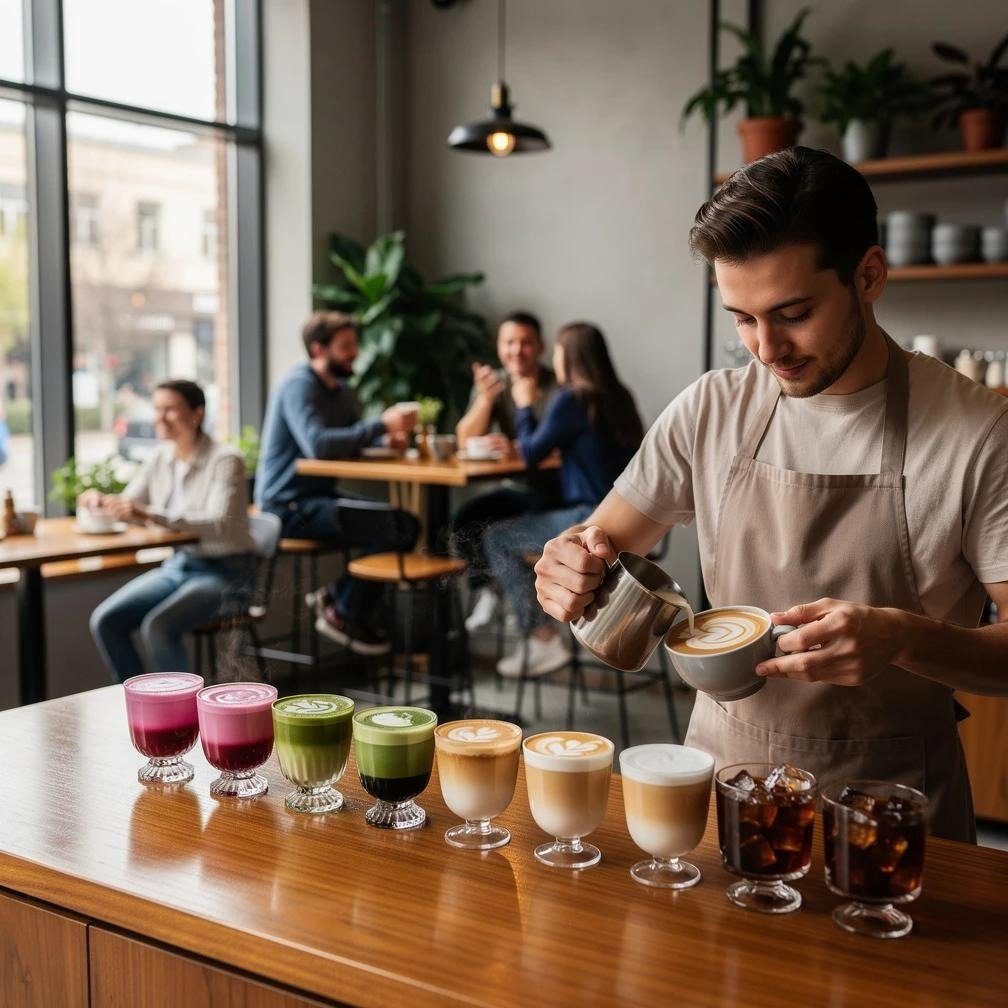
A layered matcha latte with espresso typically combines prepared matcha, milk, ice, and a shot of coffee. The result can offer striking green, white, and brown layers in a clear glass.
For the cleanest layers, add the ingredients slowly. Fill the glass with ice, pour in the milk, carefully add the prepared matcha, and finish with espresso. The exact order can vary depending on the desired appearance and ingredient density.
Other combinations worth exploring include:
- Mocha and orange: Chocolate sweetness with a bright citrus aroma.
- Vanilla and cardamom: Familiar sweetness with a subtle, aromatic spice.
- Coconut and espresso: A creamy tropical character with roasted coffee notes.
- Honey and cinnamon: Gentle sweetness with a warm finish.
The key is to choose ingredients that complement one another. Too many competing flavors can make a latte taste muddled, especially when the espresso itself has delicate tasting notes.
Floral and Botanical Lattes
Lavender, rose, and other botanical flavors can give a latte a delicate aroma and a distinctive café-style presentation. These ingredients are especially appealing to drinkers who prefer lighter, less dessert-like flavor combinations.
Lavender pairs well with vanilla and honey, while rose can complement cardamom or a mild espresso. However, botanical ingredients can become overpowering quickly.
Use food-grade ingredients specifically intended for consumption. Start with a small amount of syrup or infusion, then increase it gradually until the flavor is noticeable without tasting soapy or perfumed.
Spiced and Warming Latte Flavors
Spices offer an easy way to add complexity without relying entirely on sweetness. Cinnamon, cardamom, ginger, and nutmeg can bring warmth and fragrance to both hot and iced lattes.
A pinch of cinnamon stirred into brown sugar syrup can create a simple spiced latte. Cardamom works particularly well with espresso that has chocolatey or nutty notes, while ginger can add a gentle sharpness to milk-based coffee.
For the best texture, mix ground spices into the sweetener or espresso before adding milk. Sprinkling too much dry spice directly onto a finished drink can leave an unpleasant powdery layer.
What makes these flavors worth trying? They allow home baristas and café owners to create distinctive drinks using a relatively small selection of ingredients. A versatile syrup or spice blend can often support several recipes without requiring an entirely new menu.
The Rise of Naturally Sweet Lattes With Less Added Sugar
10
Another direction to watch in coffee latte trends 2027 is the interest in sweetness that feels more balanced and less overwhelming. Rather than loading a latte with multiple pumps of flavored syrup, drinkers can experiment with smaller amounts of sweeteners that complement the coffee’s natural character.
This approach doesn’t mean every latte must be sugar-free. The goal is to control sweetness while preserving the flavor of the espresso and milk.
Honey, Maple Syrup, and Brown Sugar
Different sweeteners bring different characteristics to a latte. Choosing the right one can change the entire drink without requiring additional flavorings.
| Sweetener | Flavor profile | Best latte pairing |
| Honey | Floral, rounded sweetness | Hot latte with cinnamon or vanilla |
| Maple syrup | Woody, caramel-like notes | Oat milk latte or medium-roast coffee |
| Brown sugar | Molasses and toffee notes | Iced latte or spiced latte |
| Date syrup | Rich, fruity sweetness | Creamy latte with chocolate notes |
| White sugar syrup | Clean, straightforward sweetness | Vanilla latte or delicate espresso |
Honey can work beautifully in a hot latte, although its distinctive aroma may compete with delicate coffee flavors. Maple syrup adds a deeper sweetness that pairs naturally with oat milk, while brown sugar works especially well with cinnamon.
Date syrup offers another option, but its stronger flavor and thicker texture may be more noticeable in a small drink. Begin with a modest amount and adjust according to taste.
How to Make a Latte Taste Sweet Without Adding Too Much Sugar
You can often improve a latte’s perceived sweetness by adjusting the coffee, milk, and preparation method instead of simply adding more sweetener.
Choose a coffee with naturally sweet tasting notes. Beans described as chocolatey, nutty, caramel-like, or fruity may produce a more rounded latte than a particularly harsh or ashy roast. Tasting notes describe perceived flavors, not necessarily added ingredients.
Avoid extracting the espresso too harshly. An overly bitter shot can make you reach for extra syrup. Use a suitable grind size, an appropriate dose, and a consistent extraction time. If your espresso tastes sharply bitter or dry, adjust the grind and extraction rather than immediately masking the flavor.
Use milk that complements the coffee. Dairy milk contributes sweetness and creaminess, while some oat milk products have a naturally cereal-like sweetness. Unsweetened alternatives can be useful when you want greater control over the finished drink.
Measure your sweetener. Start with one teaspoon or a small measured pump, mix thoroughly, and taste before adding more. Small adjustments are easier to manage than trying to correct an overly sweet drink.
A Simple Naturally Sweetened Latte Recipe
This recipe is a practical starting point for anyone who wants to explore the trend at home.
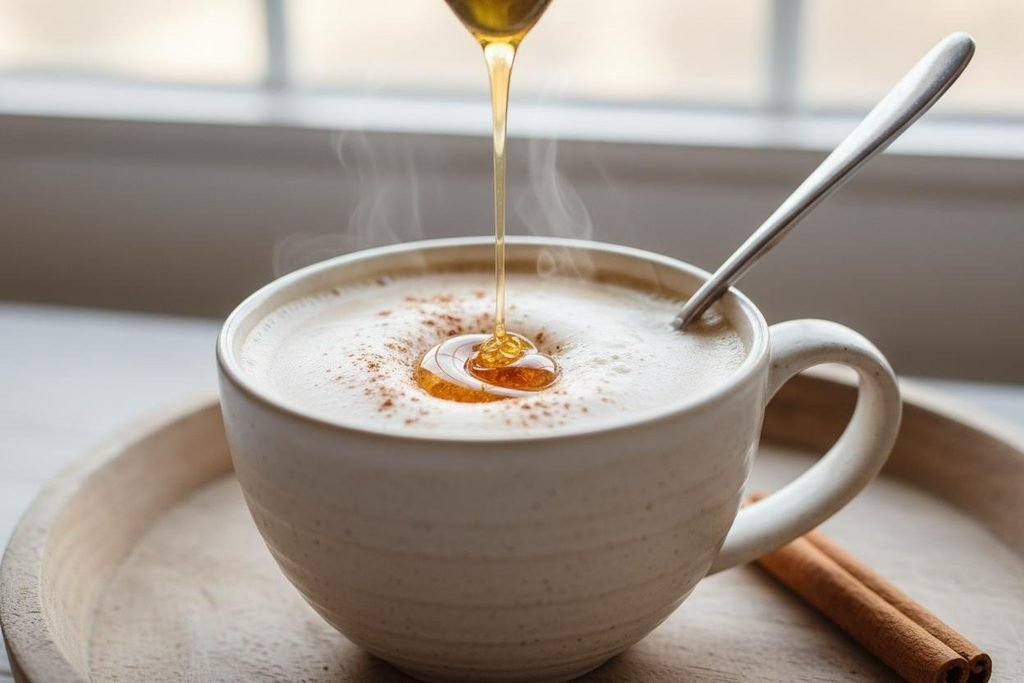
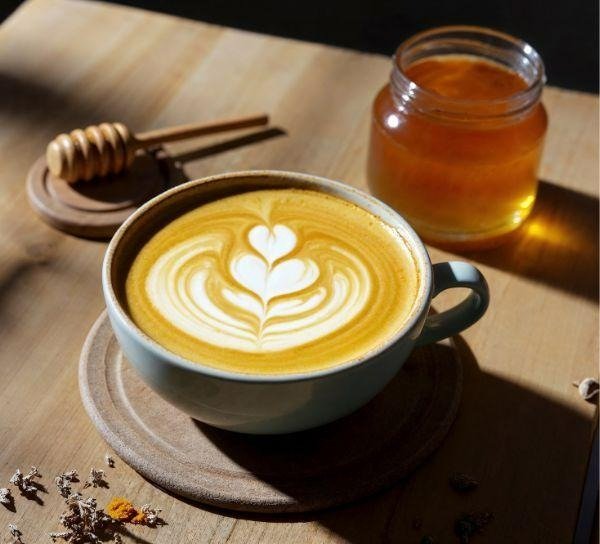
Honey Cinnamon Latte
5 minutes
Makes 1 serving
Ingredients
- 1 espresso shot, about 1 ounce
- 6–8 ounces milk
- 1 teaspoon honey, or to taste
- A small pinch of cinnamon
Instructions
- Brew the espresso into your mug.
- Stir in the honey and cinnamon while the coffee is hot.
- Steam the milk until smooth and creamy, or heat it gently and froth it with a handheld frother.
- Pour the milk into the espresso and finish with a light dusting of cinnamon.
The finished drink should have a gentle honey aroma, a creamy texture, and enough espresso character to keep it from tasting like sweetened milk.
For a cold version, dissolve the honey in the hot espresso first, allow the mixture to cool briefly, and pour it over ice with cold milk.
Does Using Natural Sweeteners Make a Latte Healthier?
Not automatically. Honey, maple syrup, and date syrup still contribute sugars and calories. Their main advantage in this context is the flavor they provide, which may allow you to use less sweetener overall.
If reducing sugar is your goal, focus on the total amount added rather than assuming one sweetener is inherently better than another. The U.S. Food and Drug Administration provides general information about sugars and food labeling in its guide to added sugars.
A useful experiment is to make the same latte three times, using different amounts of sweetener. You may find that half the amount you normally use is enough when the espresso and milk are well balanced.
Plant-Based Milk Is Reshaping the Modern Latte

7
Milk choice can transform a latte just as much as the coffee itself. Plant-based alternatives give drinkers more options for flavor, texture, and dietary preferences, while baristas can use different milks to create distinct versions of the same drink.
Oat, almond, soy, and coconut milk each behave differently when mixed with espresso. The best option depends on whether you prioritize creamy texture, foam quality, a subtle flavor, or a distinctive taste.
Which Plant-Based Milk Works Best for Lattes?
| Milk alternative | Flavor and texture | Best use |
| Oat milk | Creamy, mild, sometimes cereal-like | Everyday hot and iced lattes |
| Almond milk | Light, nutty, usually less creamy | Iced coffee and delicate lattes |
| Soy milk | Creamy, slightly bean-like | Hot lattes with a substantial texture |
| Coconut milk beverage | Distinctively tropical, varies by product | Coconut-inspired iced lattes |
| Pea-protein milk | Often relatively creamy, product-dependent | Lattes where extra protein is desired |
These descriptions are general guidelines. Formulations differ considerably between brands, so two oat milks, for example, may foam very differently.
Oat milk is a useful starting point because many barista-style versions produce a smooth texture and pair well with espresso. Almond milk can be a good choice when you prefer a lighter drink, although some products produce thin foam or separate in acidic coffee.
Soy milk often creates a fuller texture, but its flavor can be more noticeable. Coconut milk beverages bring a tropical character that works well in selected recipes, while pea-protein alternatives can offer a creamy mouthfeel depending on their formulation.
Check the product label for added sugars and allergens, particularly if you are selecting milk for a café menu.
Why Barista-Style Milk Matters
Regular plant-based milk and barista-style alternatives are not always interchangeable. Products designed for coffee may contain different proportions of fats, proteins, or stabilizing ingredients to help them foam and mix more consistently.
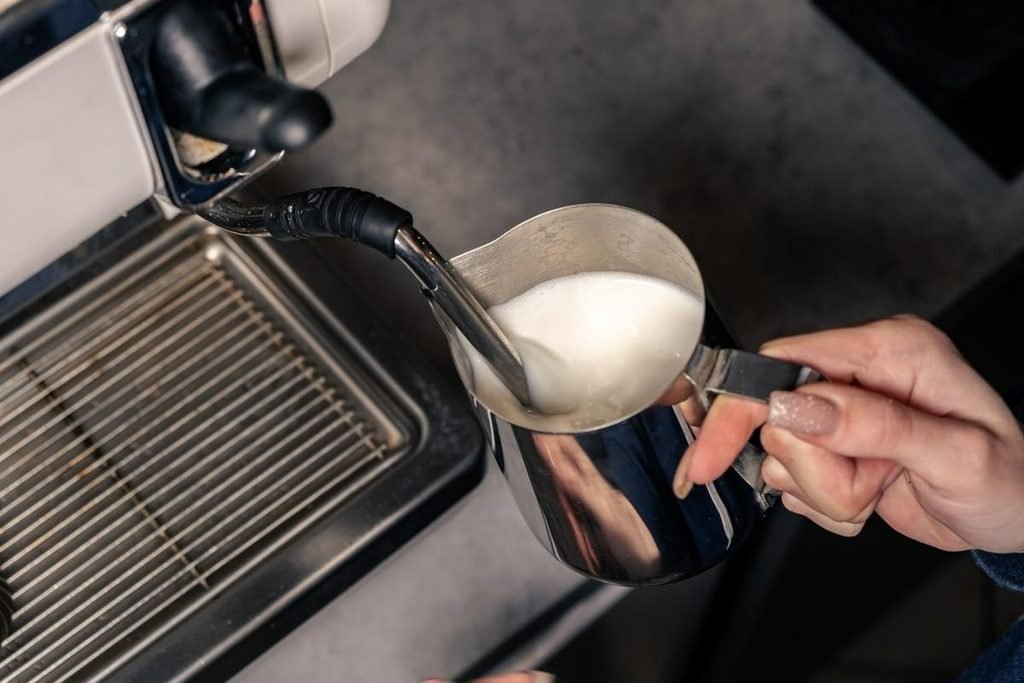
When steaming milk, aim for a smooth, glossy texture rather than large, dry bubbles. Excessive heat can flatten the flavor and make the finished drink less pleasant.
A few practical tips can help:
- Start with cold milk. Cold milk gives you more time to create a smooth texture before it becomes too hot.
- Use the correct pitcher size. A pitcher that is too large makes it harder to control small quantities.
- Introduce air gently. A brief, controlled introduction of air creates microfoam without producing stiff, bubbly foam.
- Create a whirlpool. Keep the milk moving so the bubbles become smaller and more evenly distributed.
- Clean the steam wand immediately. Dried milk residue affects hygiene and can interfere with future steaming.
For home baristas without an espresso machine, a handheld frother can provide a pleasant foam layer. The texture will differ from properly steamed microfoam, but it works well for everyday drinks.
How Plant-Based Milk Changes the Flavor of Espresso
Plant-based milk doesn’t simply replace dairy milk; it changes how you perceive the coffee.
Oat milk can soften espresso’s sharper edges and complement chocolate or nutty notes. Almond milk may allow brighter coffee flavors to remain noticeable, but a thin or watery product can leave the latte feeling less balanced.
Soy milk often brings more body, which can be helpful when using espresso with strong roasted flavors. Coconut milk can add a recognizable aroma that works beautifully in a coconut latte but may distract from delicate single-origin coffee.
If you’re unsure which to choose, try the same espresso with two different milk alternatives. Keep the coffee dose and milk quantity consistent, then compare the aroma, sweetness, texture, and aftertaste.
How to Get Better Foam From Plant-Based Milk
Plant-based milk can be more sensitive to heat and acidity than dairy milk, so a few adjustments may improve the result.
- Choose a barista-style product intended for steaming.
- Start with cold milk and a clean pitcher.
- Introduce a small amount of air at the beginning, then incorporate it through a controlled swirling motion.
- Avoid overheating the milk; follow the product’s recommendations when available.
- Pour promptly while the foam and liquid remain well integrated.
If the milk separates, try a different formulation before changing your coffee recipe. Some products simply perform better with particular espresso blends.
One final tip: You don’t need to switch every drink to a plant-based alternative to explore this trend. Start with one milk you enjoy, learn how it behaves with your usual coffee, and then experiment with other options when you’re ready.
Functional and Protein-Forward Lattes: What Could Gain Momentum?
9
Coffee is increasingly being explored as more than a source of caffeine. One potential direction for coffee latte trends 2027 is the growing variety of drinks that combine espresso or brewed coffee with protein, mushroom coffee blends, and other specialty ingredients.
These drinks appeal to people who want more options in their daily coffee routine. However, functional lattes vary widely in their ingredients, nutritional content, and flavor, so it’s worth understanding what each addition actually contributes.
Protein Lattes for a More Filling Coffee Drink
Protein lattes combine coffee with a protein source, such as milk, protein powder, or a prepared protein beverage. They can be made hot or cold, depending on the ingredients and how well they tolerate heat.
A regular dairy latte already contains some protein, while soy milk and certain other fortified plant-based alternatives can contribute additional amounts. Adding protein powder or a protein-enriched beverage changes the nutritional profile and can also affect the drink’s texture.
For example, a vanilla protein latte combines the familiar flavors of espresso and vanilla with a creamy, milkshake-like texture. An iced version can be particularly convenient because cold ingredients are often easier to blend smoothly with protein powder.
Tips for making a better protein latte:
- Choose a protein powder with a flavor that complements coffee, such as vanilla, chocolate, or an unflavored variety.
- Mix the powder with a small amount of cool liquid first to reduce clumps.
- Add the coffee gradually while stirring or blending.
- Check whether the protein product is suitable for hot beverages before heating it.
- Start with a small serving of protein powder, since too much can make the drink thick or chalky.
Heat can cause some proteins to denature or form clumps, depending on the formulation and mixing conditions. Denaturation does not automatically mean the protein has lost its nutritional value, but it can affect the drink’s appearance and texture.
Mushroom Coffee Lattes: Earthy Flavors Meet Espresso
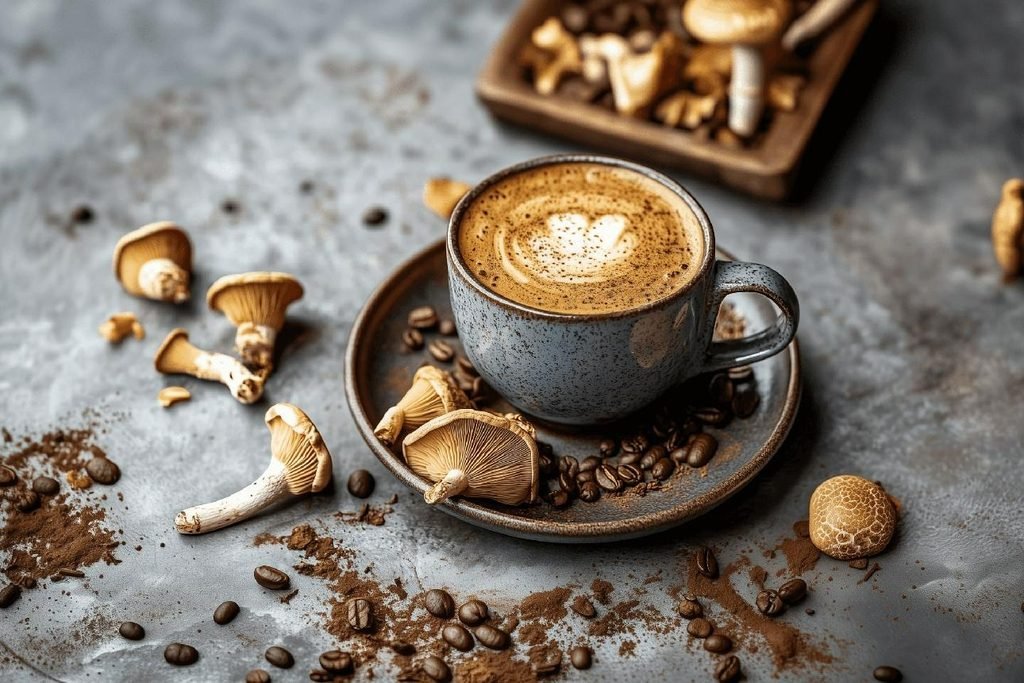
Mushroom coffee blends typically use extracts or powders made from selected mushrooms, sometimes combined with coffee or other ingredients. Common examples include lion’s mane, reishi, and chaga.
The appeal of mushroom lattes often comes from their earthy flavor, novelty, and positioning as an alternative coffee experience. Depending on the formulation, a mushroom latte may contain regular coffee, reduced coffee, or no conventional coffee at all.
For a more approachable flavor, try combining a mushroom coffee blend with warm milk and a small amount of vanilla or cinnamon. These additions can soften earthy notes without completely masking them.
Keep a few considerations in mind:
- Check the ingredient list. Mushroom coffee products differ in their extracts, caffeine levels, and additional ingredients.
- Pay attention to taste. Some blends are earthy or woody, while others are formulated to taste closer to regular coffee.
- Don’t assume health claims are proven. Marketing language about focus, energy, or immunity does not necessarily reflect strong clinical evidence for the finished product.
- Consider individual suitability. Mushroom supplements can cause side effects or interact with certain medications. Consult a qualified healthcare professional if you have concerns about using them.
Mushroom coffee can be an interesting ingredient to experiment with, but it should be treated as a flavor and product choice rather than a guaranteed wellness upgrade.
Adaptogen-Inspired and Specialty Ingredient Lattes
Another area to watch is the use of ingredients marketed as adaptogens or functional additions. Some specialty drinks incorporate botanical extracts, spices, or powdered blends to create a distinctive flavor and a different coffee experience.
For home preparation, simpler ingredients are often easier to work with. Cinnamon, ginger, cocoa, and vanilla can add flavor without requiring a complicated supplement blend.
If you experiment with concentrated extracts or specialty powders, choose products intended for food or beverage use and follow their labeling instructions. More ingredients do not automatically produce a better drink.
The practical takeaway: Functional lattes offer room for creativity, but flavor, texture, caffeine content, and ingredient quality should come before marketing claims. A well-made protein latte or mushroom latte should still be enjoyable to drink.
Iced, Layered, and Cloud-Like Lattes Are Evolving


11
Cold coffee offers plenty of room to experiment with texture and presentation. Iced lattes can feature contrasting layers, creamy cold foam, shaken espresso, or combinations of coffee and other beverages.
These styles are especially useful for anyone who wants to recreate a specialty café drink at home. Most require only espresso or strong coffee, milk, ice, and a few simple tools.
Shaken Iced Lattes: Smooth, Chilled, and Easy to Customize
Shaken espresso drinks combine coffee with ice and, in some recipes, a sweetener before being shaken vigorously. The process chills the coffee quickly and creates a light layer of bubbles.
The resulting drink can feel smoother and more refreshing than espresso poured directly over milk. Shaking also helps dissolve sweeteners when they’re added to hot coffee first.
To make a basic shaken iced latte:
- Brew one or two espresso shots.
- Stir in a teaspoon of syrup or sugar while the espresso is hot, if desired.
- Add the coffee and several ice cubes to a sealed cocktail shaker or suitable covered container.
- Shake for approximately 10–15 seconds.
- Pour into a glass filled with fresh ice and add cold milk.
Use a container designed to handle shaking, and make sure its lid is secure before starting.
Brown sugar syrup, vanilla, and cinnamon are easy additions. For a more pronounced coffee flavor, use two espresso shots or reduce the quantity of milk.
If you don’t own an espresso machine, concentrated moka pot coffee can work as an alternative. The final flavor and intensity will differ from espresso, but the technique is still useful.
Layered Iced Lattes That Look as Good as They Taste
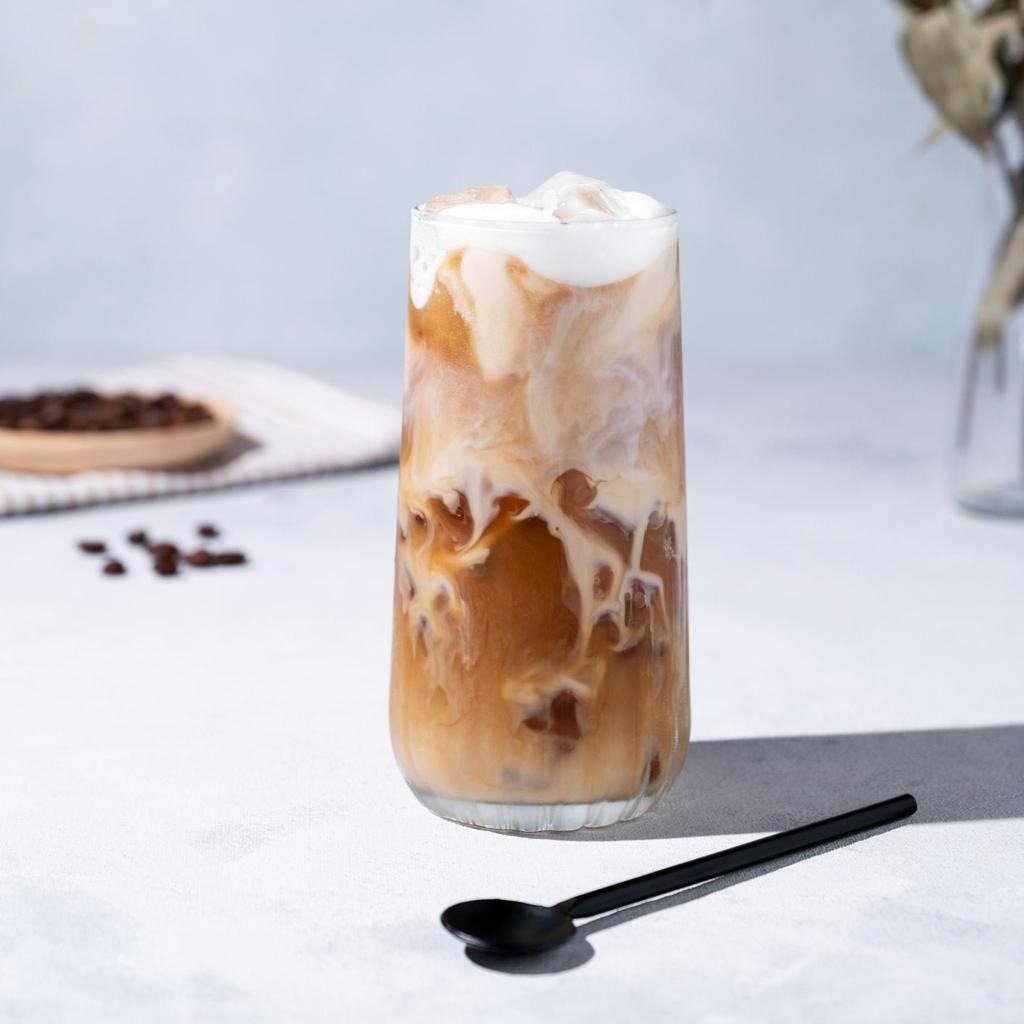
Layered drinks create visual contrast by allowing milk, coffee, and flavoring to remain partially separate before serving. The layers gradually blend as the drink is stirred.
A classic layered iced latte is simple to prepare, but ingredient order and pouring technique make a noticeable difference.
How to create distinct layers:
- Fill a clear glass with ice.
- Add milk or a milk-based mixture.
- Pour espresso slowly over the ice, preferably over the back of a spoon if you want more control.
- Add syrup to the bottom or mix it into the milk, depending on the desired appearance.
The result depends on the relative density of the liquids, the amount of ice, and how quickly they’re poured. Syrups with more dissolved sugar may settle differently from plain milk, so the order may need adjusting.
For a colorful variation, try a matcha-and-espresso latte. Prepare the matcha separately with a small amount of water, then layer it with milk and espresso.
Keep in mind that layers are temporary. The drink is intended to be stirred before drinking, allowing the different flavors to combine.
Cold Foam Lattes: A Creamy Finishing Touch
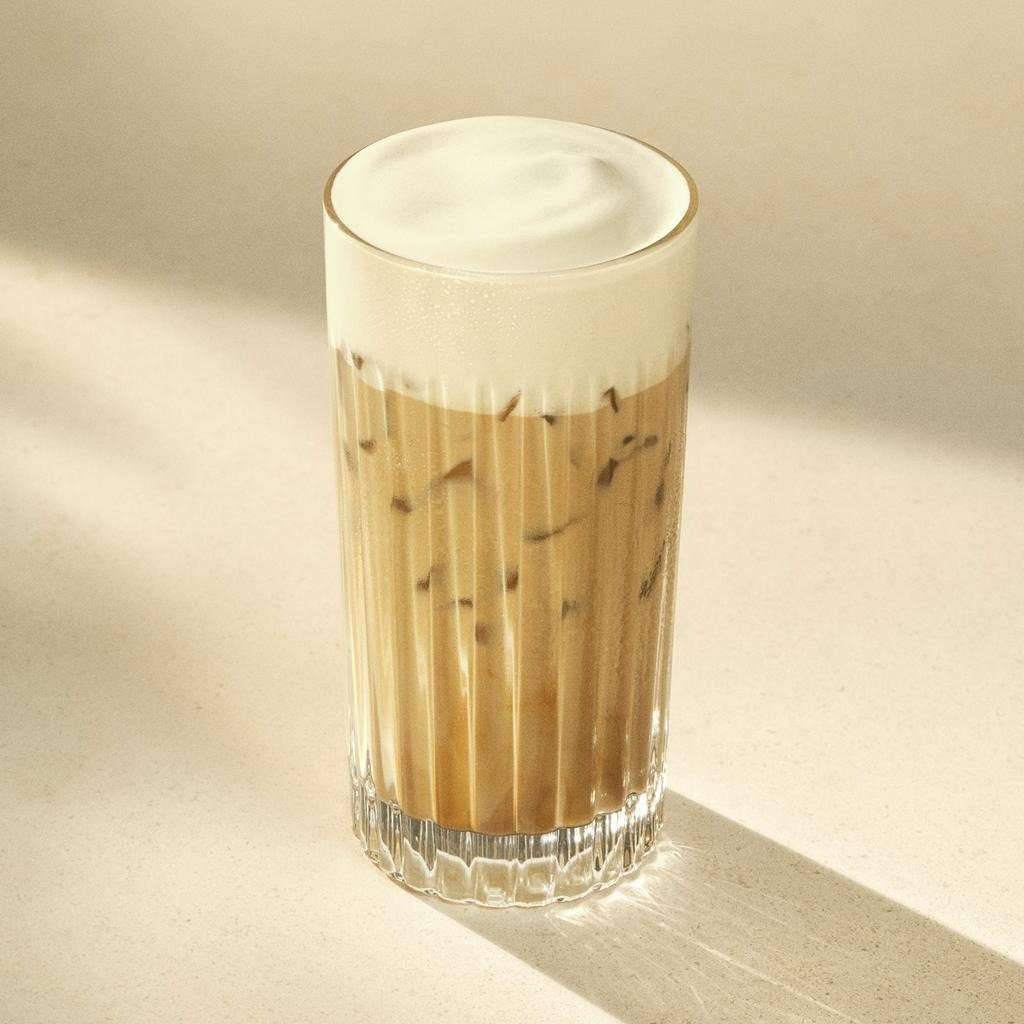
Cold foam adds a layer of airy, chilled milk or milk-based topping to iced coffee. It can create a soft contrast between the espresso underneath and the creamy foam above.
Unlike steamed milk, cold foam is prepared without heating. Depending on the recipe, it may be made with dairy milk, cream, a combination of both, or a plant-based alternative designed for foaming.
A simple vanilla cold foam can be made by combining cold milk with a small amount of vanilla syrup and frothing it until the texture becomes light and pourable.
For better results:
- Start with very cold ingredients.
- Use a handheld electric frother or a suitable milk frother.
- Avoid adding too much syrup, which may change the foam’s consistency.
- Pour the foam gently over the finished iced latte.
- Experiment with different milk products because their foaming abilities vary.
Dairy cream or a mixture of milk and cream can create a richer topping, while plant-based cold foam offers a different flavor and texture. The best choice depends on the drink you’re trying to make.
Matcha and Espresso: A Contrasting Combination
Coffee-and-matcha drinks combine the roasted character of espresso with matcha’s grassy, earthy notes. Their visual contrast also makes them a popular format for creative drink presentation.
For a balanced drink, avoid making either component excessively strong. Very concentrated matcha can taste bitter, while a highly roasted espresso may overwhelm the tea.
A useful starting point is one espresso shot, about 1 teaspoon of matcha whisked with a small amount of water, 6–8 ounces of milk, and ice.
Prepare the matcha until it is smooth before assembling the drink. Undissolved powder can create an unpleasant texture, particularly when the drink is served cold.
You can adjust the flavor by changing the milk or adding a small amount of vanilla syrup. However, keep sweeteners modest at first so that the coffee and matcha remain recognizable.
How to Make Iced Lattes Taste Better at Home
A visually attractive iced latte still needs the right balance of coffee, milk, and dilution. Ice melts over time, so a drink that tastes strong immediately after preparation may become weaker as you sip it.
Use these practical adjustments to improve the result:
| Common problem | Likely cause | What to try |
| Weak coffee flavor | Too much milk or melted ice | Use stronger coffee or less milk |
| Bitter aftertaste | Harsh extraction or very dark roast | Adjust the extraction or try a different roast |
| Watery texture | Excessive dilution | Use fresh, solid ice and serve promptly |
| Layers disappear quickly | Liquids are mixing during pouring | Pour slowly over ice |
| Cold foam collapses | Milk formulation or foam structure | Try colder ingredients or another product |
| Drink tastes too sweet | Too much syrup | Reduce the syrup and taste before adding more |
One useful rule: Prepare the coffee first, then build the drink around its strength. This makes it easier to adjust milk, sweetener, and toppings without losing the espresso’s character.
Which Iced Latte Style Should You Try First?
Choose your starting point based on the experience you want.
- For everyday drinking: Try a simple iced latte with vanilla or brown sugar.
- For a café-style finish: Add a layer of vanilla cold foam.
- For visual appeal: Make a layered iced latte in a clear glass.
- For a stronger coffee flavor: Try a shaken espresso latte with less milk.
- For something different: Experiment with matcha and espresso.
You don’t need to master every technique at once. Start with a basic iced latte, then introduce one new element at a time. That approach makes it easier to identify which flavors and textures you genuinely enjoy.
Coffee Latte Trends 2027 for Seasonal and Limited-Edition Menus


10
Seasonal drinks give coffee lovers a reason to try something new throughout the year. They also give cafés an opportunity to refresh their menus without replacing every drink they already serve.
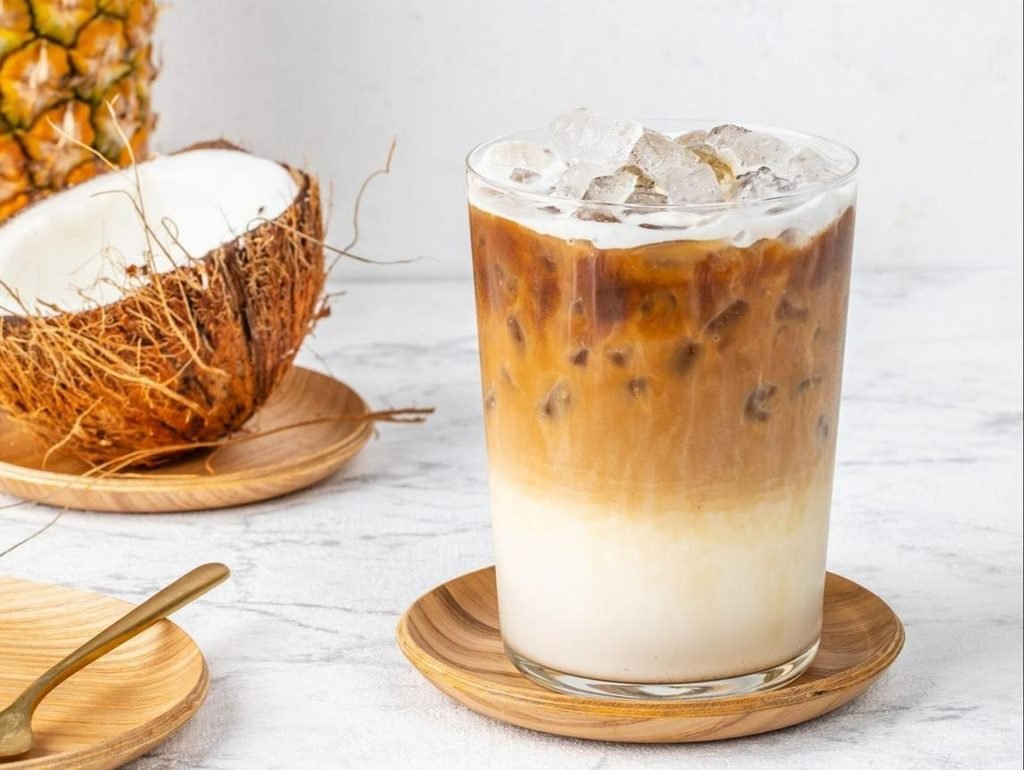
One direction worth exploring in coffee latte trends 2027 is the combination of familiar seasonal flavors with modern preparation styles. A classic pumpkin spice latte, for example, can be reimagined as an iced drink with oat milk, while a summer coconut latte can feature cold foam and a double espresso shot.
The most successful seasonal recipes usually balance a recognizable flavor with something distinctive. Here’s how to approach each season.
Spring: Floral, Honey, and Light Botanical Lattes
Spring-inspired lattes often work best with delicate flavors that complement rather than overpower espresso. Lavender, honey, rose, and vanilla are useful ingredients for creating fragrant drinks with a lighter character.
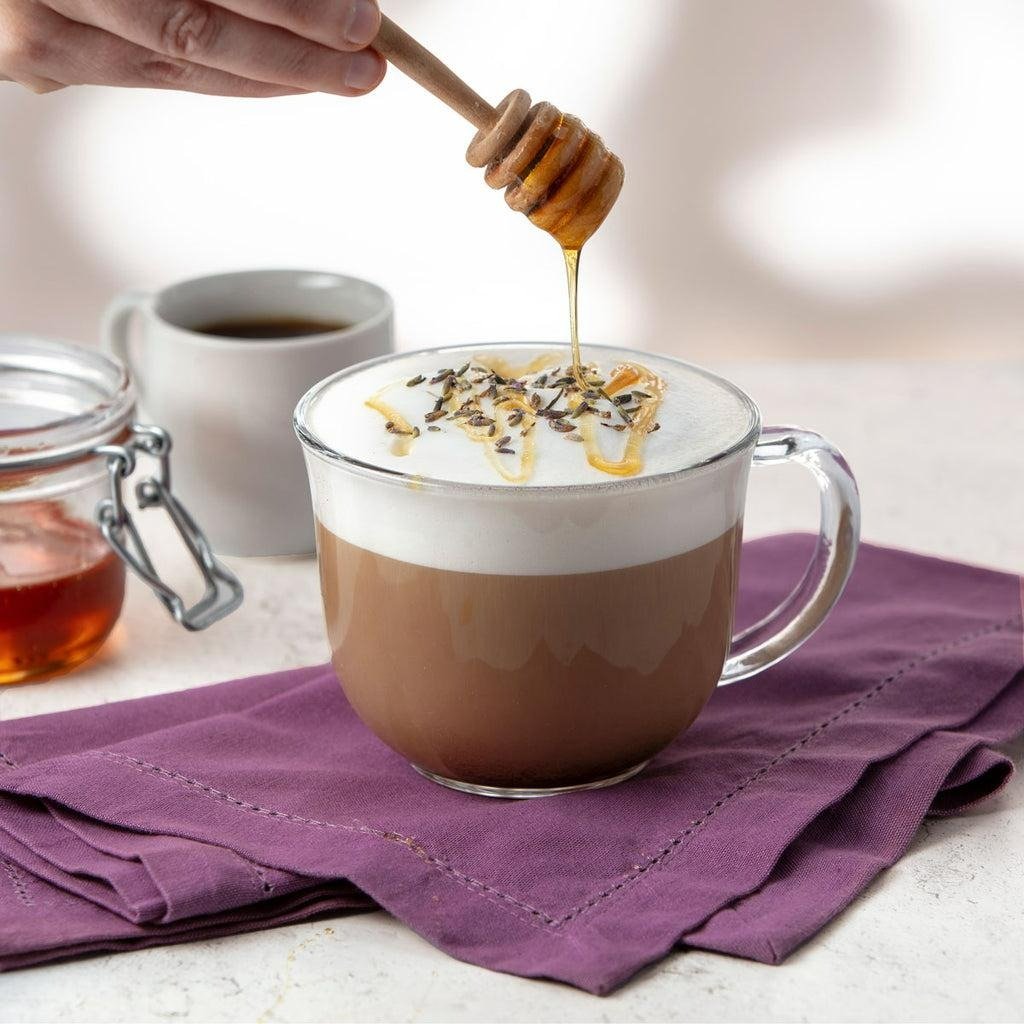
A lavender honey latte is a practical option for both home baristas and cafés. The floral aroma pairs nicely with honey’s gentle sweetness, while milk softens the espresso’s intensity.
To make one at home, prepare a single espresso shot, add about one teaspoon of honey and a small amount of food-grade lavender syrup, then finish with 6–8 ounces of steamed milk. Taste before adding more syrup because lavender can become overpowering quickly.
Other spring latte ideas include:
- Rose vanilla latte: A subtle floral drink with a familiar sweet finish.
- Honey cinnamon latte: A simple option for people who prefer less adventurous flavors.
- Iced lavender latte: A chilled alternative with a clean, visually appealing presentation.
- Pistachio rose latte: A richer combination for those who enjoy nutty and floral flavors together.
For café menus, start with one floral drink rather than several similar options. A distinctive seasonal special is easier to explain to customers and simpler for staff to prepare consistently.
Summer: Iced Coconut, Vanilla, and Refreshing Coffee Combinations
Warm weather creates a natural opportunity to feature cold coffee drinks. Iced lattes, shaken espresso, and cold foam combinations can all be adapted for summer menus.
Coconut is particularly useful because its tropical character pairs well with both espresso and chocolate-inspired flavors. However, coconut beverages vary in richness, so choose a product that provides the texture you want.
A simple iced coconut latte combines espresso, coconut milk beverage, ice, and optional vanilla syrup. For a more pronounced coffee flavor, use two espresso shots and add the milk gradually until the drink reaches your preferred strength.
Other summer ideas include:
- Iced vanilla oat latte: Creamy, approachable, and easy to customize.
- Coconut cold foam latte: A chilled espresso drink topped with coconut-flavored foam.
- Brown sugar shaken latte: A refreshing drink with warm caramel-like sweetness.
- Mocha iced latte: Chocolate and coffee served over ice for a familiar dessert-inspired flavor.
Fruit-inspired coffee drinks may also appeal to adventurous customers, but they require careful recipe testing. Acidic fruit ingredients can cause some milk products to separate, so use a tested syrup or concentrate rather than mixing arbitrary fruit juices directly into milk.
Summer menu tip: Make the base recipe consistent before adding variations. One well-balanced iced latte can become several menu options simply by changing the syrup, milk, or topping.
Autumn: Pumpkin Spice, Maple, Pecan, and Toasted Flavors
Autumn is a natural time for richer, warming flavors. Pumpkin spice, maple, cinnamon, toasted nuts, and caramel-like ingredients complement the roasted notes found in many espresso blends.
Pumpkin spice lattes remain a familiar seasonal reference point, but cafés can create a more distinctive menu by varying the sweetness, milk, and spice profile.
For example, a maple cinnamon latte combines espresso with maple syrup, steamed milk, and a small pinch of cinnamon. A pecan-inspired latte can use a suitable flavored syrup to create a toasted, nutty impression without requiring whole nuts in every serving.
Try these combinations:
- Pumpkin spice latte: Espresso, milk, pumpkin flavoring, and warming spices.
- Maple oat latte: Maple syrup and oat milk for a rounded, caramel-like character.
- Pecan caramel latte: A dessert-inspired drink with nutty and buttery notes.
- Cinnamon brown sugar latte: A simple recipe that works hot or iced.
When preparing a pumpkin latte at home, use a small amount of pumpkin purée or a prepared pumpkin sauce and mix it thoroughly with the espresso before adding milk. This helps reduce clumps and creates a more uniform drink.
For commercial menus, account for the preparation time and storage requirements of sauces and purées. A convenient syrup can improve consistency, while a house-made sauce may offer a more distinctive flavor.
Winter: Chocolate, Peppermint, and Gingerbread Lattes
Winter-inspired lattes tend to emphasize comforting flavors and richer textures. Chocolate, peppermint, gingerbread spices, and vanilla can make espresso feel more indulgent without requiring complicated equipment.
A peppermint mocha is a straightforward choice: combine espresso with chocolate sauce, a small amount of peppermint syrup, and steamed milk. The peppermint should add a refreshing note rather than dominate the chocolate and coffee.
Gingerbread lattes offer another option. Cinnamon, ginger, and a hint of nutmeg create a warming flavor profile that works particularly well with medium- or dark-roast espresso.
Other winter combinations worth trying include:
- Dark chocolate latte: A deeper chocolate flavor with less emphasis on sweetness.
- Gingerbread oat latte: Warming spices paired with creamy plant-based milk.
- Peppermint mocha latte: Chocolate, espresso, and a cool mint finish.
- Vanilla cinnamon latte: A familiar, approachable option for customers who prefer subtle flavors.
Keep garnishes practical. A light dusting of cocoa or cinnamon can add aroma and visual appeal without slowing preparation. Whipped cream or decorative toppings may suit special-occasion drinks, but they should complement the recipe rather than compensate for an unbalanced latte.
How to Build a Seasonal Latte Menu Without Wasting Ingredients
Seasonal menus can become expensive if every drink requires a unique syrup, sauce, and topping. A better approach is to create a small ingredient system that supports multiple recipes.
For example, vanilla syrup can be used in spring floral lattes, summer iced drinks, and winter chocolate combinations. Cinnamon can complement both autumn maple drinks and winter gingerbread recipes.
Before introducing a new drink, consider:
- Ingredient overlap: Can existing syrups or milk alternatives be used?
- Preparation time: Can staff make the drink quickly during busy periods?
- Consistency: Can different baristas reproduce the same flavor?
- Customer interest: Are people ordering the drink repeatedly, or trying it only once?
- Waste: Can ingredients be stored safely and used before their quality declines?
For home coffee drinkers, the same principle keeps experimentation affordable. Purchase one new syrup or flavoring at a time and test it in several recipes before buying more ingredients.
Seasonal latte trends are most useful when they inspire drinks that taste good, fit the occasion, and remain practical to prepare.
Latte Art Is Moving Beyond the Traditional Heart

12
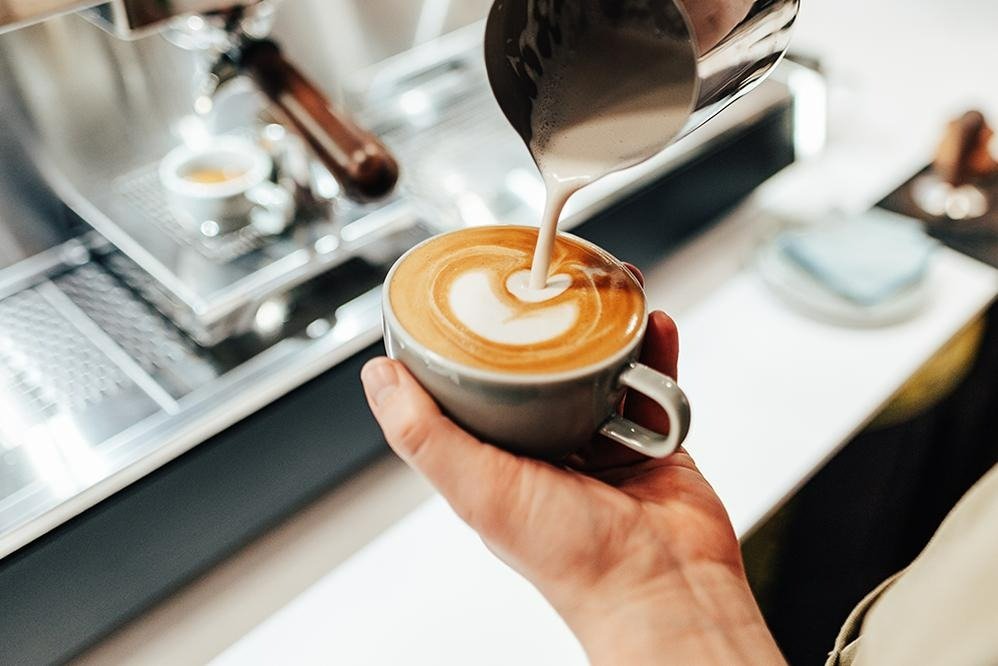
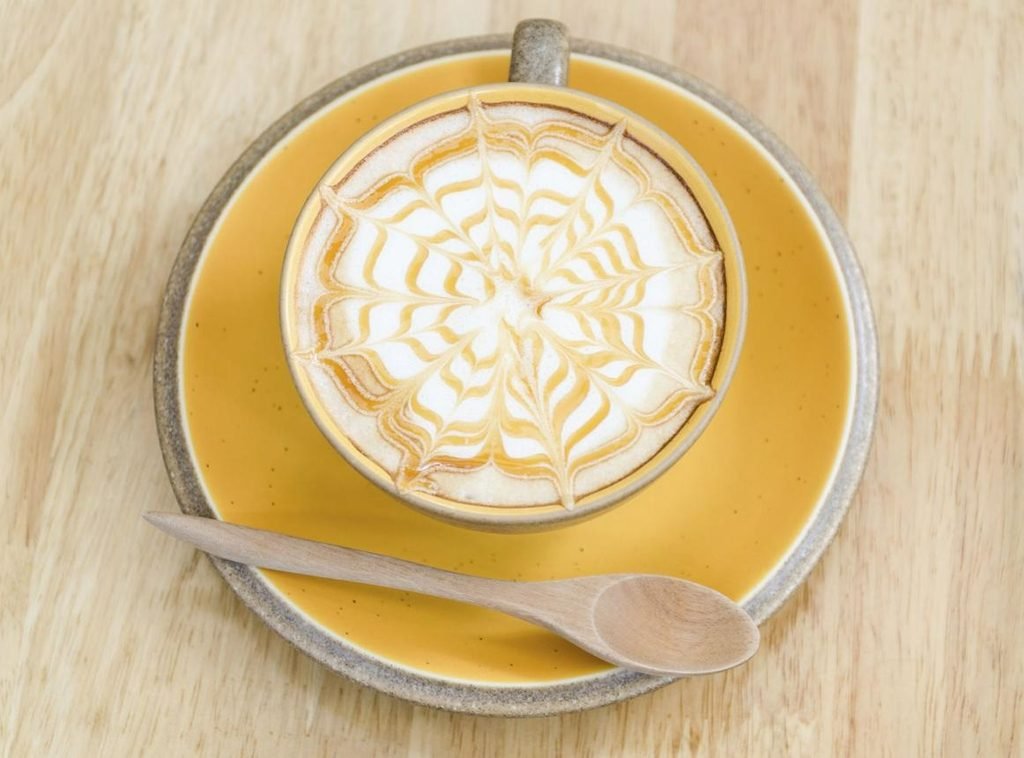
Latte art has long been part of the specialty coffee experience, but creative presentation offers more possibilities than the traditional heart. Rosettas, tulips, layered designs, and carefully finished foam can make a familiar latte feel special.
For coffee latte trends 2027, presentation is worth considering alongside flavor. A drink that looks appealing can create a memorable café experience, particularly when the visual details reflect the ingredients and preparation style.
However, attractive latte art still depends on good coffee and properly textured milk. A complicated design cannot compensate for burnt espresso, watery milk, or excessive sweetness.
Rosettas, Tulips, and More Expressive Latte Art
Traditional latte art remains a useful foundation for learning more advanced pouring techniques.
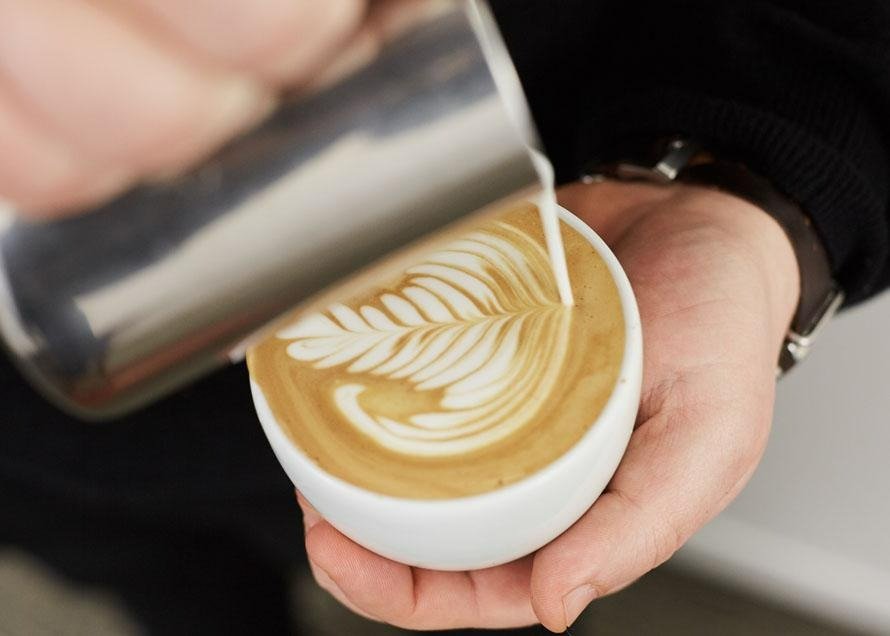
A heart is one of the simplest designs to practice because it requires relatively few movements. A rosetta uses a controlled side-to-side motion to create a leaf-like pattern, while a tulip is built by layering small foam shapes within the cup.
To improve your results, focus on three fundamentals:
- Create smooth microfoam. The milk should look glossy and fluid rather than stiff or full of large bubbles.
- Prepare the espresso properly. A fresh shot with a suitable crema provides a useful surface for contrast.
- Control the pouring height. Start with the pitcher slightly higher to integrate the milk, then lower it near the surface when forming the design.
Practice with the same cup and similar milk quantities until you can repeat a design consistently. Small cups can make it easier to control the pour, while very large drinks may require more milk and a longer pouring sequence.
Natural Colors and Flavor-Focused Finishes
Some creative lattes use ingredients to introduce color and visual contrast. Matcha can create green layers, cocoa adds a brown finish, and certain food-grade flavorings can contribute subtle colors.
These additions work best when they have a clear purpose. Matcha should contribute flavor as well as appearance, while cocoa can reinforce chocolate notes in a mocha latte.
Consider these combinations:
- Matcha and espresso: Green tea and roasted coffee in contrasting layers.
- Cocoa-dusted mocha: Chocolate aroma with a simple decorative finish.
- Cinnamon-topped latte: A warm fragrance that complements the milk and espresso.
- Pistachio latte with crushed pistachios: A nutty flavor with a light textural contrast, provided nuts are safe for the drinker.
Use edible garnishes in modest quantities. Large amounts of powder can create a dry mouthfeel, and decorative ingredients should always be appropriate for consumption.
If you prepare drinks for others, clearly identify potential allergens, particularly nuts and dairy.
How Milk Texture Affects Latte Art
The texture of the milk is often more important than the complexity of the design. Properly steamed milk combines tiny bubbles with liquid milk to create a smooth, pourable texture.
Milk that is too foamy tends to produce thick blobs rather than defined patterns. Milk that is too thin may sink into the espresso without forming a clear design.
For dairy milk, introduce a small amount of air at the beginning of steaming and then create a whirlpool to incorporate the foam. Plant-based alternatives may require different techniques, so a barista-style product designed for latte art can be a useful starting point.
Temperature matters, too. Overheated milk can lose sweetness and produce a less pleasant flavor. Aim for a comfortably hot drink rather than heating the milk as much as possible.
Does Social Media Influence Latte Presentation?
Visually distinctive drinks are easy to photograph and share, making presentation an important consideration for some cafés. Layered iced lattes, colorful matcha combinations, and intricate foam designs can give customers a reason to notice a new menu item.
Still, social media appeal should support the drinking experience rather than dictate every recipe.
A practical café approach is to select one or two visually distinctive drinks and make sure they can be prepared quickly and consistently. Use clear glassware when layers are part of the design, or a simple white cup when traditional latte art is the main attraction.
For home baristas, there is no need to chase elaborate designs. Learning to make smooth milk and pour a clean heart can be more rewarding than attempting a complicated pattern before mastering the basics.
The takeaway: Good latte art starts with good coffee, smooth milk, and controlled pouring. Visual creativity can make a latte more memorable, but taste should always come first.
Personalized Lattes: Customization Is Becoming Part of the Experience
10
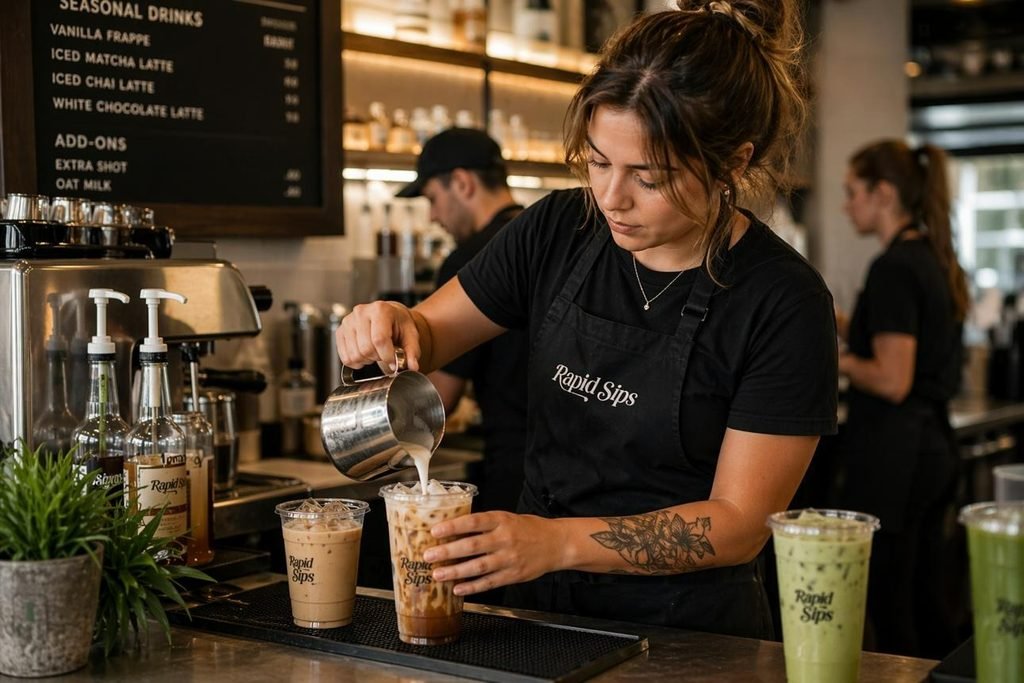
Not everyone wants the same coffee. Some prefer a strong espresso flavor with very little sweetness, while others enjoy a creamy latte with flavored syrup and a generous layer of foam.
Personalization gives coffee drinkers more control over the final result. It also allows cafés to offer variety without developing a completely separate recipe for every customer.
One of the most practical coffee latte trends 2027 to explore is the idea of building a drink around a simple base and adjusting a few ingredients to suit individual preferences.
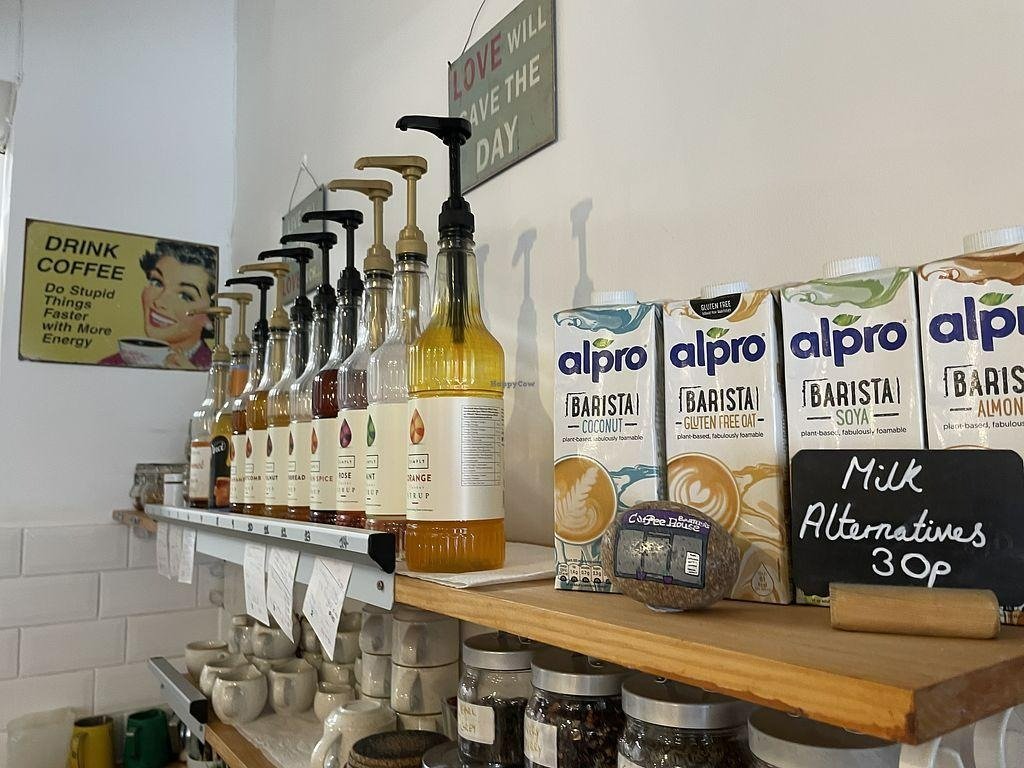
Choose Your Milk, Sweetness, and Espresso Strength
A customizable latte can be built around three basic decisions: the type of milk, the level of sweetness, and the intensity of the coffee.
Milk choice affects texture and flavor. Dairy milk often produces a familiar creamy latte, while oat milk offers a mild, cereal-like character. Almond and soy alternatives provide different textures and flavors, depending on the product.
Sweetness level determines whether the drink tastes primarily like coffee or more like a dessert. A useful starting point is no syrup for a traditional latte, one teaspoon for gentle sweetness, or a little more for a sweeter drink.
Espresso strength can be adjusted by changing the number of shots or the amount of milk. Adding another shot increases coffee intensity, but it also increases caffeine.
These adjustments make a meaningful difference without requiring an elaborate recipe.
Create Your Own Signature Latte With a Simple Formula
You can use a basic formula to experiment with different flavors while keeping the preparation process consistent.
Build a Custom Latte
A starting point for one 8–12 oz drink

Coffee base
1–2 espresso shots, depending on your preferred strength.
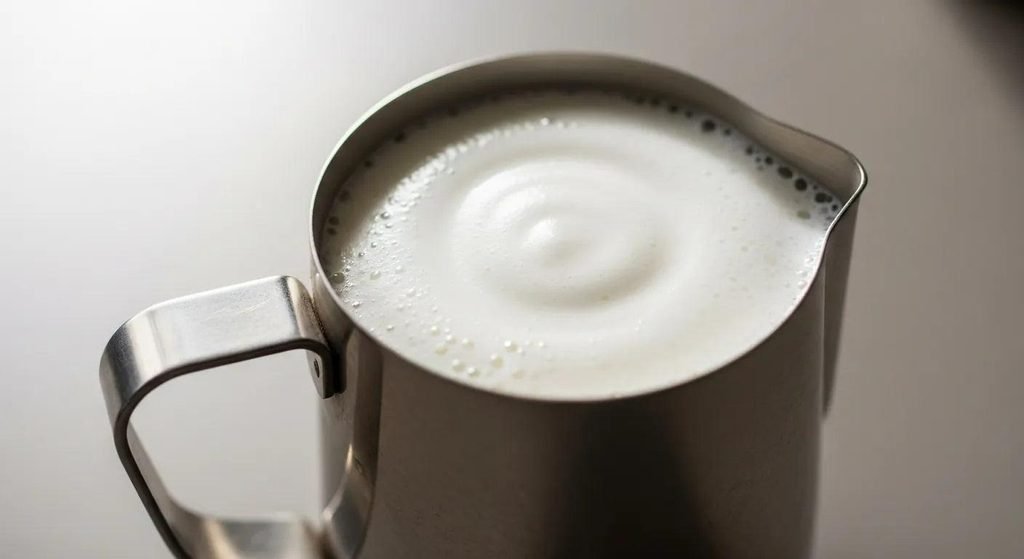
Milk
6–8 oz dairy milk or a plant-based alternative.
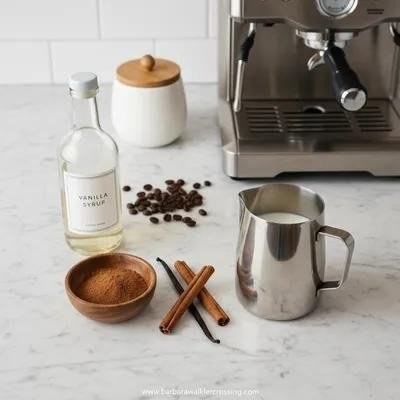
Flavor
Start with 1 teaspoon of syrup, honey, or another suitable sweetener.

Optional finish
A small pinch of cinnamon, cocoa, or another complementary garnish.
To use the formula, prepare the coffee, mix in your chosen flavoring, and add the milk. Taste the drink before adjusting the sweetness or intensity.
For an iced latte, use cold milk and ice, and consider slightly stronger coffee to account for dilution. For a hot latte, steam the milk until smooth and glossy.
The formula is flexible rather than exact. A smaller drink may need less milk, while a larger cup may require an additional espresso shot to maintain the same coffee intensity.
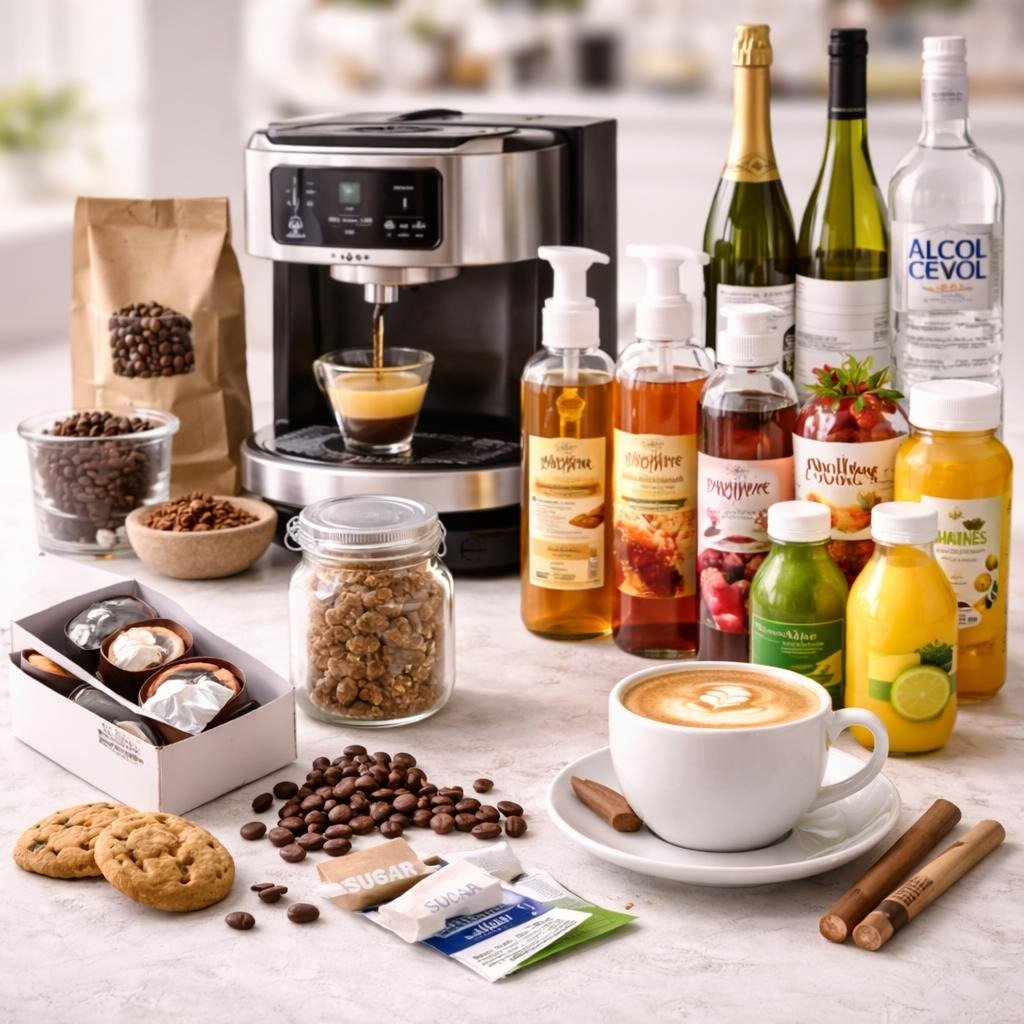
Customization Ideas for Different Coffee Preferences
The easiest way to personalize a latte is to begin with a preference you already know.
| If you prefer… | Try this combination | Why it works |
| Strong coffee flavor | Double espresso with less milk | Keeps the coffee prominent |
| Gentle sweetness | Vanilla with dairy or oat milk | Adds sweetness without a heavy flavor |
| Nutty flavors | Pistachio or hazelnut flavoring | Complements roasted coffee notes |
| A refreshing drink | Iced shaken latte with brown sugar | Combines chilled coffee with warm sweetness |
| Dessert-inspired coffee | Mocha with a little vanilla | Creates a richer chocolate profile |
| A delicate aroma | Honey with a small amount of lavender syrup | Adds floral notes and rounded sweetness |
These combinations are starting points, not fixed rules. For instance, a pistachio latte may be better with less syrup if the paste or sauce is already sweetened.
How Cafés Can Offer Customization Without Complicating the Menu
Customization can help a café appeal to different preferences, but too many options can slow service and make recipes difficult to reproduce.
A manageable menu can offer a few choices in each category:
- Two or three milk options.
- A small selection of complementary syrups.
- A clear choice of one or two espresso shots.
- Hot or iced preparation where practical.
- Optional toppings for selected drinks.
Staff should know how each option affects the final drink. A flavored syrup may add both sweetness and aroma, while a different milk can change the texture. Extra espresso shots affect caffeine content, so customers should be able to make informed choices.
Cafés can also create a signature latte by combining familiar customization options into a recipe with its own identity. A brown sugar oat latte with cinnamon, for example, uses straightforward ingredients but offers a recognizable flavor profile.
Experiment at Home Without Wasting Coffee
You don’t need to buy several syrups or milk alternatives at once. Start with a latte you already enjoy and change one ingredient per trial.
For example, make the same espresso with dairy milk, oat milk, and almond milk. Keep the coffee quantity constant and compare the sweetness, mouthfeel, aroma, and aftertaste.
Repeat the experiment with different amounts of vanilla syrup if you want to identify your preferred sweetness level. Writing down the quantities can help you recreate the best result later.
Your best personalized latte is the one that matches your taste, not necessarily the newest drink on a café menu. Use these trends as inspiration, experiment with small changes, and build a recipe that you genuinely look forward to drinking.
Coffee Shop Latte Trends 2027: What Café Owners Should Consider

11
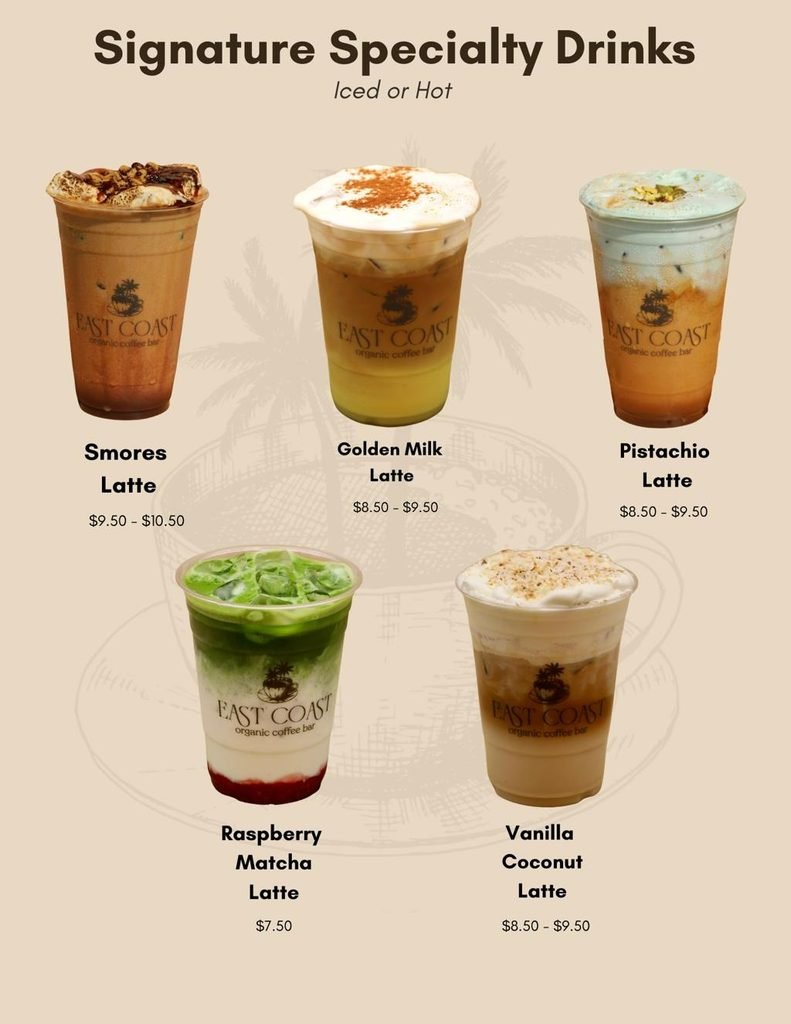
For café owners, coffee latte trends 2027 offer opportunities to introduce fresh flavors, attract curious customers, and give regular visitors a reason to try something different. However, a creative drink only makes business sense when customers enjoy it, the ingredients are manageable, and staff can prepare it consistently.
Rather than redesigning your entire menu around predicted trends, start with a few promising ideas and evaluate their performance. A carefully tested seasonal latte can be more valuable than a long list of complicated drinks that are difficult to prepare during busy hours.
Which Latte Trends Are Worth Testing First?
Some drinks are easier to introduce because they use ingredients that cafés may already stock. Others require additional preparation, staff training, or specialized ingredients.
| Latte concept | Main appeal | Business consideration |
| Brown sugar latte | Familiar sweetness with a richer flavor | Easy to prepare with a simple syrup |
| Pistachio latte | Nutty, premium, dessert-inspired experience | Specialty ingredients and allergen management |
| Oat milk latte | Plant-based alternative with creamy texture | Requires a reliable milk supplier |
| Iced latte with cold foam | Distinctive texture and visual presentation | Additional preparation and foam consistency |
| Matcha espresso latte | Contrasting colors and flavors | Requires separate matcha preparation |
| Seasonal pumpkin or gingerbread latte | Limited-time appeal | Seasonal ingredients and demand fluctuations |
| Protein latte | Alternative beverage with added protein | Ingredient compatibility and nutritional accuracy |
For a small café, brown sugar and flavored iced lattes may be sensible starting points because they can often be made with existing espresso equipment and a limited selection of ingredients.
Pistachio, matcha, and protein-based drinks may also be worth testing, but their suitability depends on customer demand, supplier costs, preparation time, and the equipment already available.
How to Test a New Latte Before Adding It to the Menu
A practical test helps you understand whether a trend is worth investing in. You don’t need a large customer survey or an expensive marketing campaign to begin.
Step 1: Select two or three recipes. Choose different concepts, such as a brown sugar oat latte, a pistachio latte, and an iced matcha espresso latte.
Step 2: Standardize the recipes. Record the coffee dose, milk quantity, syrup amount, cup size, and preparation method. This makes the drinks easier to compare.
Step 3: Calculate the ingredient cost. Include coffee, milk, syrups, toppings, and other ingredients used in each serving. Don’t forget potential waste.
Step 4: Collect customer feedback. Ask a small group of customers to rate flavor, sweetness, texture, and overall appeal.
Step 5: Run a limited trial. Offer the strongest candidates for a short period and monitor orders, preparation time, and customer comments.
Step 6: Decide what stays. Keep drinks that perform well, improve recipes that show promise, and remove options that add complexity without sufficient demand.
A limited trial also helps you avoid purchasing large quantities of unfamiliar ingredients before you know whether customers will order the finished drink.
Keep Ingredient Costs and Preparation Time Under Control
A latte can sell well and still be unprofitable if its ingredients are expensive or its preparation is too time-consuming.
For every new drink, calculate the cost of ingredients per serving. Then compare that amount with the selling price and account for other expenses, such as labor, rent, utilities, packaging, and payment fees.
Ingredient overlap can make seasonal menus more manageable. Vanilla syrup, for example, may work in iced lattes, floral drinks, and chocolate combinations. Cinnamon can complement brown sugar, maple, and gingerbread flavors.
Pay attention to the operational details, too:
- Choose recipes that can be prepared consistently during peak hours.
- Measure syrups instead of relying on guesswork.
- Train staff to use the same preparation sequence.
- Label and store ingredients appropriately.
- Track ingredient waste and review stock levels regularly.
- Clearly communicate milk alternatives and potential allergens.
The goal is not to offer every latte trend. It’s to select a few drinks that customers enjoy and your team can deliver reliably.
How to Make a Latte Menu Feel Fresh Without Losing Classic Favorites
New flavors can attract attention, but many customers still want familiar options such as vanilla lattes, caramel lattes, and traditional espresso-based drinks.
A balanced menu can retain those staples while introducing one or two rotating specials. This approach gives adventurous customers something new to try without alienating people who prefer classic coffee.
For example, a café might keep its regular hot and iced lattes available throughout the year while rotating a pistachio latte in one season and a maple cinnamon latte in another.
Monitor which drinks customers reorder, not just which ones generate initial curiosity. Repeat purchases provide a useful indication of whether a new recipe deserves a permanent place on the menu.
How to Make Trendy Coffee Lattes at Home
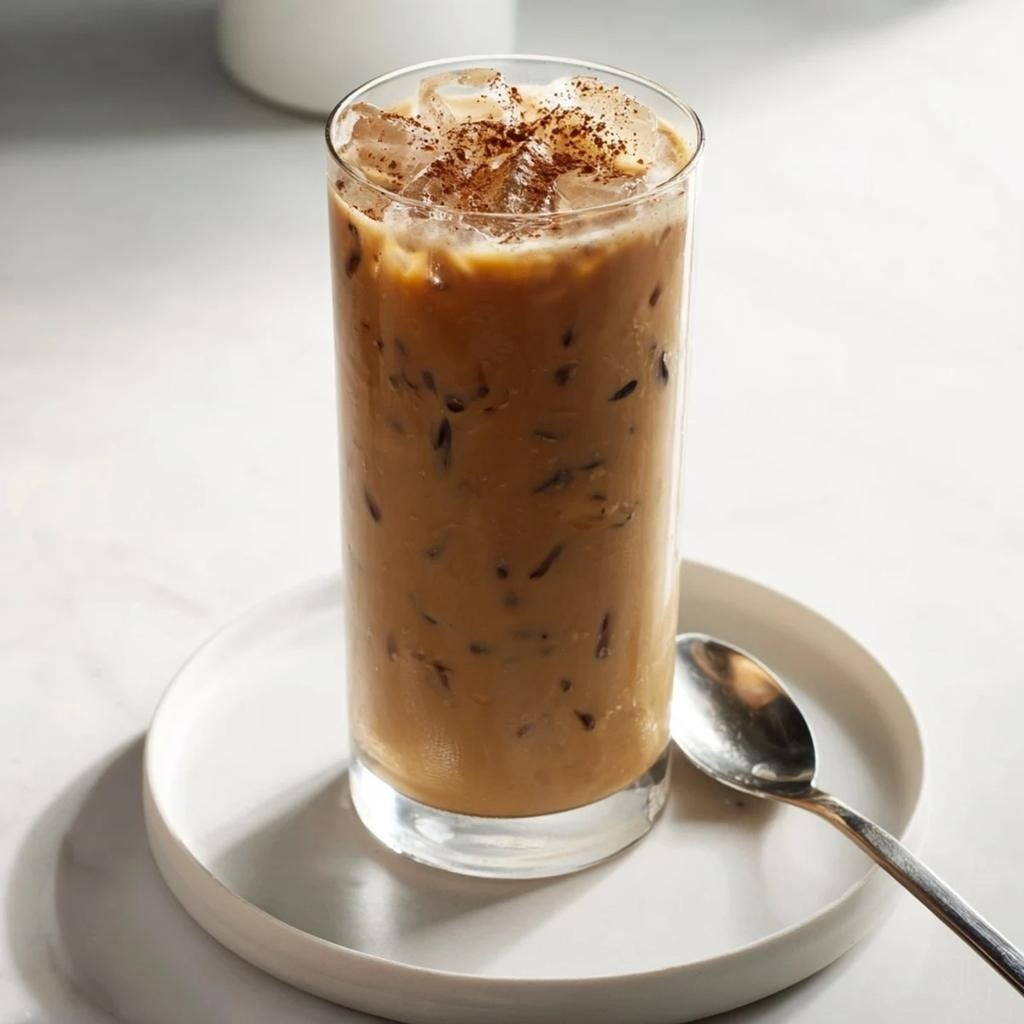
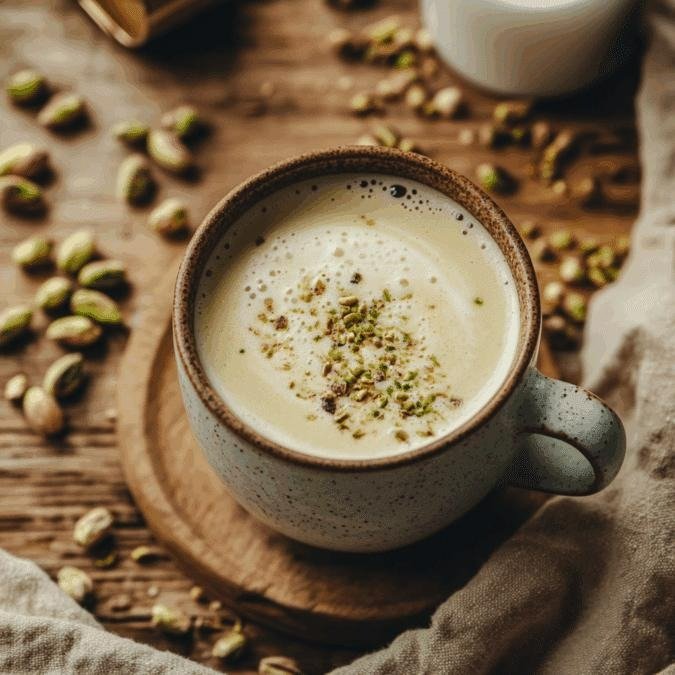
9
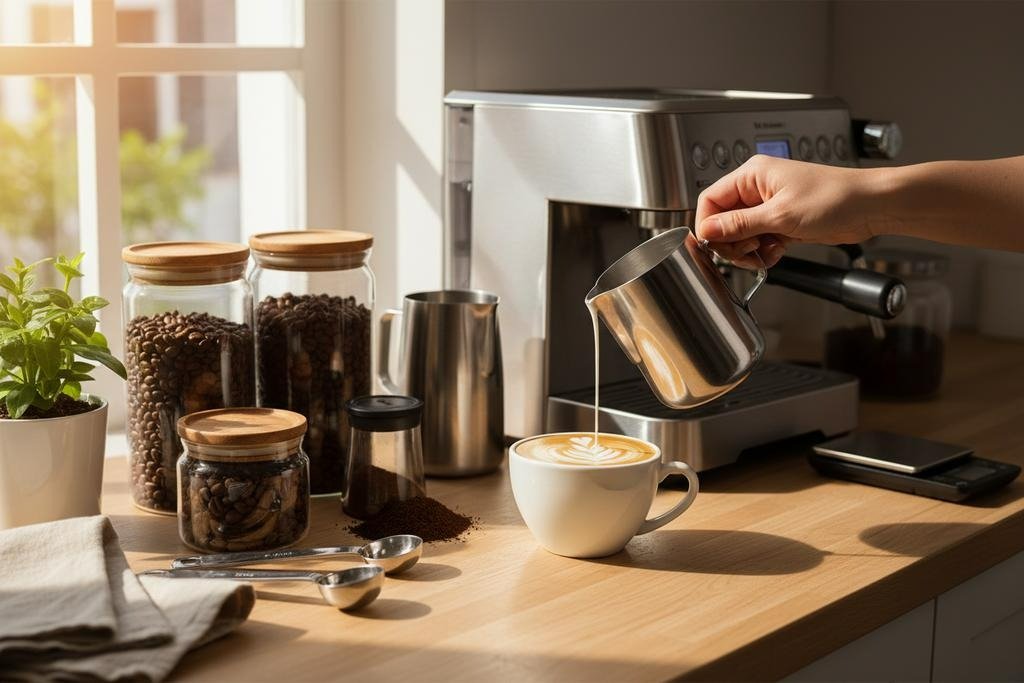
You don’t need to visit a specialty café to enjoy coffee latte trends 2027. Many emerging flavor combinations can be recreated at home with espresso or concentrated coffee, your preferred milk, and a few carefully chosen ingredients.
The secret is to start with a balanced coffee base. Once you understand how strong you like your coffee and how much milk you prefer, experimenting with flavors becomes much easier.
What You’ll Need to Make Trendy Lattes
A simple home setup is enough for many recipes.
- Coffee: An espresso machine, moka pot, or another brewing method that produces concentrated coffee.
- Milk: Dairy milk or a plant-based alternative.
- Sweetener: Brown sugar, honey, maple syrup, or a flavored syrup.
- Flavorings: Vanilla, cinnamon, pistachio paste, or other food-grade ingredients.
- Basic tools: A mug or glass, measuring spoon, and a small whisk or milk frother.
- Ice: Useful for shaken and layered drinks.
If you’re using espresso, a double shot of approximately 2 ounces can be a useful starting point for a larger latte. The exact amount depends on the coffee, cup size, and desired strength.
If you don’t have an espresso machine, a moka pot or strong brewed coffee can work. The finished drink will have a different body and flavor, so adjust the milk quantity to suit your coffee.
Recipe 1: Brown Sugar Oat Milk Latte
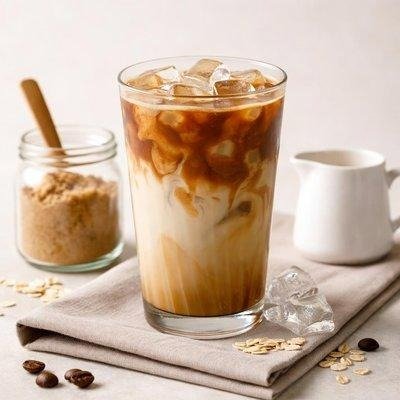
Brown Sugar Oat Milk Latte
5 minutes
Makes 1 serving
Ingredients
- 1–2 espresso shots
- 6–8 oz oat milk
- 1–2 tsp brown sugar syrup
- Ice cubes
- A pinch of cinnamon (optional)
Instructions
- Brew the espresso and stir in the brown sugar syrup while the coffee is hot.
- Fill a tall glass with ice.
- Pour in the oat milk.
- Add the sweetened espresso slowly.
- Finish with a small pinch of cinnamon if desired.
For a homemade brown sugar syrup, combine equal amounts of brown sugar and hot water, stirring until dissolved. Allow it to cool before using it in cold drinks, and store any leftover syrup in a clean, sealed container in the refrigerator.
Flavor tip: Use one teaspoon of syrup first. Oat milk can already have a naturally sweet, cereal-like flavor, so too much additional sugar may make the drink overly sweet.
Recipe 2: Pistachio-Inspired Latte
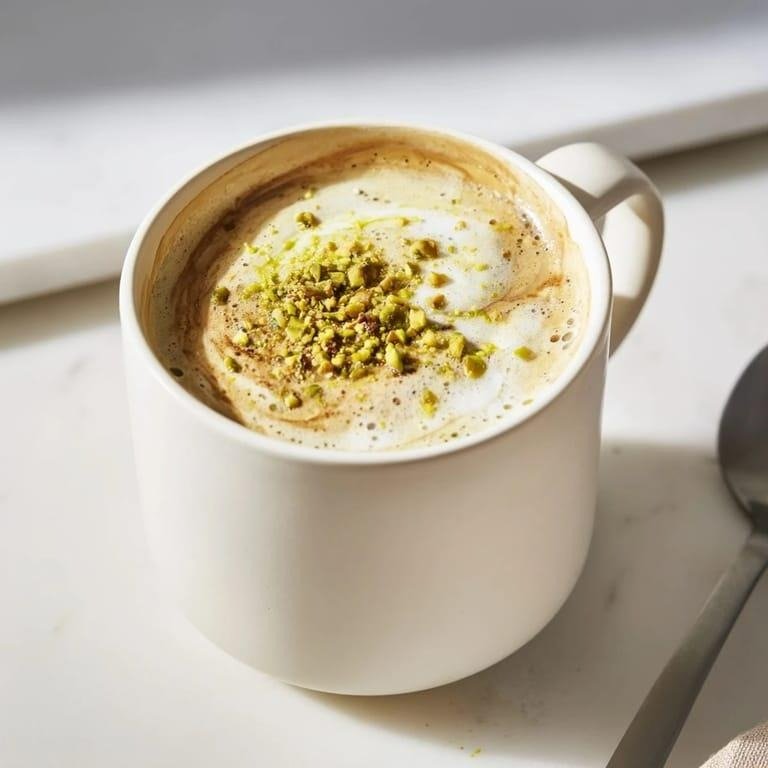
Pistachio Latte
5–8 minutes
Makes 1 serving
Ingredients
- 1 espresso shot
- 6–8 oz dairy milk or oat milk
- 1–2 tsp pistachio syrup or a small amount of pistachio paste
- Finely chopped pistachios (optional)
Instructions
- Prepare the espresso in a mug.
- Stir in the pistachio syrup or paste until evenly combined.
- Steam the milk or heat and froth it separately.
- Pour the milk into the flavored espresso.
- Add a small garnish of chopped pistachios if desired.
Pistachio paste can be thicker than syrup, so mix it thoroughly with the hot espresso before adding the milk. If the drink tastes too rich, reduce the paste or use a less creamy milk.
Flavor tip: Medium-roast espresso with chocolate or nutty notes can complement pistachio particularly well. Avoid adding too many other flavors at first because the nutty character should remain noticeable.
If you use pistachio paste, check whether it contains added sugar and account for nut allergies when serving other people.
Recipe 3: Iced Vanilla Latte With Cold Foam
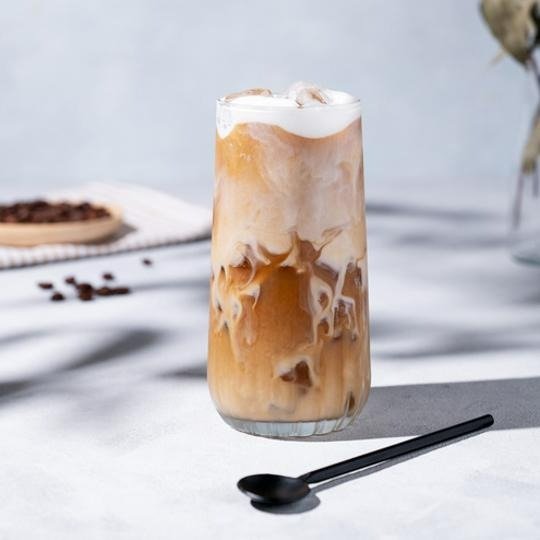
Iced Vanilla Latte With Cold Foam
5–7 minutes
Makes 1 serving
Ingredients
- 1–2 espresso shots
- 6 oz cold milk
- 1–2 tsp vanilla syrup
- 2–3 tbsp cold milk for the foam
- Ice cubes
Instructions
- Brew the espresso and mix in the vanilla syrup.
- Fill a glass with ice and pour in the cold milk.
- Add the espresso and stir gently.
- Froth the remaining cold milk until it becomes lightly foamy.
- Spoon or pour the foam over the latte.
For a richer foam, you can experiment with a suitable dairy milk and cream mixture. For a plant-based version, choose a product specifically formulated for cold foaming if available.
Flavor tip: Keep the foam lightly sweetened, or leave it unsweetened if the latte already contains enough syrup. The contrast between creamy foam and coffee is often more enjoyable when the drink isn’t excessively sugary.
How to Adjust Your Recipe When the Flavor Isn’t Right
Small changes can improve a latte more effectively than adding extra ingredients.
| Problem | What to adjust |
| Coffee tastes too weak | Use a stronger coffee base or reduce the milk |
| Drink is too sweet | Reduce the syrup and taste again |
| Pistachio flavor is difficult to detect | Use a more concentrated pistachio ingredient |
| Milk tastes burnt | Lower the heating temperature and avoid overheating |
| Cold foam is too thin | Try a different milk formulation or adjust frothing |
| Iced latte becomes watery | Use solid ice and serve promptly |
| Flavor tastes muddled | Remove one flavoring and simplify the recipe |
Change only one variable at a time. If you reduce the syrup and change the milk simultaneously, it becomes harder to identify which adjustment improved the drink.
Once you find a combination you like, write down the measurements. A repeatable recipe is especially useful when you’re preparing coffee for family members or serving drinks to guests.
Which Coffee Latte Trends 2027 Are Worth Trying First?
Not every latte trend will suit every coffee drinker. Some recipes are simple enough for an everyday routine, while others require specialty ingredients or more preparation.
The best starting point depends on your taste preferences, available equipment, and willingness to experiment.
Compare the Trends by Flavor, Cost, and Difficulty
| Latte trend | Flavor experience | Home preparation | Relative ingredient cost |
| Brown sugar latte | Warm, caramel-like sweetness | Easy | Low |
| Oat milk latte | Creamy and mildly sweet | Easy | Low to moderate |
| Pistachio latte | Rich and nutty | Easy to moderate | Moderate to high |
| Iced layered latte | Balanced coffee and milk with visual contrast | Easy to moderate | Low to moderate |
| Floral latte | Delicate and aromatic | Easy to moderate | Low to moderate |
| Protein latte | Creamy, sometimes thicker | Moderate | Moderate to high |
| Matcha espresso latte | Earthy tea and roasted coffee | Moderate | Moderate to high |
| Seasonal spice latte | Warm, familiar, and aromatic | Easy | Low to moderate |
These cost descriptions are relative estimates rather than fixed prices. Actual costs depend on the brand, serving size, ingredient availability, and whether you make syrups at home.
Which Latte Trend Fits Your Preferences?
If you prefer classic coffee flavors: Start with brown sugar, vanilla, or cinnamon. These ingredients complement espresso without requiring a dramatic change in taste.
If you enjoy creamy drinks: Try oat milk or a cold foam latte. Experiment with different products to find the texture you prefer.
If you want something unusual: Pistachio, lavender, and matcha-espresso combinations offer more distinctive flavor experiences.
If you enjoy iced coffee: Shaken espresso, layered lattes, and vanilla cold foam are practical choices that can be prepared without advanced barista skills.
If you run a café: Start with recipes that share ingredients and are easy to standardize. Test customer interest before committing to expensive specialty ingredients.
How to Decide Whether a Trend Is Worth Keeping
The best latte isn’t necessarily the newest or most visually impressive. It should taste balanced, suit your preferences, and be practical to prepare.
Try a new recipe once, then adjust the sweetness, milk, and coffee strength. If you still enjoy it after several preparations, it may be worth adding to your regular rotation.
For café owners, customer feedback and repeat orders are more useful indicators than initial curiosity alone. A visually attractive drink may draw attention, but consistent flavor and good value are what help make it a reliable menu option.
Frequently Asked Questions About Coffee Latte Trends 2027
What are the biggest coffee latte trends for 2027?
Emerging ideas worth watching include pistachio and brown sugar flavors, plant-based milk, iced drinks with cold foam, layered coffee combinations, personalized recipes, and seasonal specialty lattes. Their popularity will vary by location and customer preference.
Which latte flavors are worth trying in 2027?
Pistachio, maple, brown sugar, lavender, cinnamon, and chocolate are useful options to explore. Start with familiar flavors if you prefer a traditional latte, or try floral and matcha combinations if you enjoy more distinctive drinks.
Is oat milk a good choice for lattes in 2027?
Oat milk remains a useful option for creamy, plant-based lattes. Barista-style products are often designed to produce a smoother texture, but sweetness and foaming ability differ between brands.
Are iced lattes becoming more creative than hot lattes?
Iced lattes offer convenient ways to experiment with layers, cold foam, flavored syrups, and shaken espresso. Hot lattes still provide excellent opportunities for milk texture, latte art, and warming seasonal flavors. Neither style is inherently better.
How can I make a trendy latte without an espresso machine?
Use concentrated coffee from a moka pot or prepare strong brewed coffee. Mix it with milk and your chosen flavoring, then serve it hot or over ice. The flavor and body will differ from espresso, but you can still make an enjoyable latte-style drink.
What coffee grind size works best for a latte?
The ideal grind depends on the brewing method rather than the latte itself. Espresso generally requires a fine grind, while moka pots use a relatively fine grind and many drip brewers work best with a medium grind. Adjust the grind until your coffee tastes balanced before adding milk.
How much syrup should I add to a latte?
Start with about one teaspoon of syrup for a single serving, then taste and adjust. The right amount depends on the syrup’s sweetness, the milk, the espresso, and your personal preference. Flavored sauces and sweetened pastes may require less.
Can I make a healthy protein latte at home?
You can combine coffee with milk or a suitable protein powder to make a protein-enriched drink. The nutritional value depends on the ingredients and serving sizes, so check the label rather than assuming every protein latte is low in sugar or calories.
How do I make a layered iced latte that doesn’t mix immediately?
Fill a glass with ice, add the milk, and pour the espresso slowly over the ice. Ingredient density, temperature, and pouring speed affect the layers. The separation is temporary, so stir the drink before enjoying it.
What latte trends should coffee shops test first?
Brown sugar lattes, plant-based milk options, and flavored iced drinks can be practical starting points because they often use familiar ingredients. Cafés should compare ingredient costs, preparation time, customer feedback, and repeat orders before expanding their menus.
Find Your Favorite Latte Trend for 2027
Coffee latte trends 2027 offer plenty of inspiration, from nutty pistachio drinks and naturally sweetened recipes to creative iced lattes, plant-based milk combinations, and seasonal café specials. You don’t have to try everything to enjoy what’s new.
Start with one idea that matches your taste. Make a brown sugar oat milk latte if you like gentle sweetness, experiment with pistachio if you enjoy richer flavors, or prepare an iced vanilla latte with cold foam for a café-style drink at home.
Pay attention to the balance between espresso, milk, and flavoring, and adjust the recipe until it suits you. Choose one new latte to make this week, experiment with the ingredients you already have, and discover which coffee trend deserves a permanent place in your cup.

Meet Suzee Amelia, the creative voice behind this space—a blog dedicated to exploring coffee culture, lifestyle insights, and everyday inspiration. With a passion for discovering rich flavors and sharing practical tips, Sophie Langford brings a thoughtful and engaging approach to every post.
