

A non-sweet espresso martini is the perfect cocktail for anyone who loves the rich, roasted flavor of coffee but finds traditional espresso martinis too sugary. Made with fresh espresso, vodka, and carefully chosen coffee liqueur, this version delivers a bold coffee aroma, a smooth finish, and a beautiful layer of foam without relying on extra sugar or simple syrup.
The secret is getting the balance right. You want the espresso to shine through, the vodka to provide a clean alcoholic base, and the coffee liqueur to add depth without overwhelming the drink with sweetness. With the right ingredients and shaking technique, you can make a delicious, bar-quality espresso martini at home.
This guide covers everything you need to know, from choosing the best espresso and coffee liqueur to making the cocktail step by step. You’ll also learn how to adjust the recipe to your taste, achieve a thick foam topping, and create a drier version that still tastes balanced and satisfying.
In This Article
What Is a Non-Sweet Espresso Martini?
A non-sweet espresso martini is a less sugary version of the classic espresso-based cocktail. It typically combines freshly brewed espresso, vodka, and coffee liqueur, with little or no additional sweetener.
Traditional espresso martinis are often made with coffee liqueur and simple syrup, which give the drink a sweeter, dessert-like flavor. A non-sweet version reduces or eliminates the added syrup and uses ingredient proportions that allow the natural roasted character of espresso to stand out.
The goal isn’t necessarily to remove every trace of sweetness. Instead, it’s to create a cocktail that tastes more like strong, freshly brewed coffee than liquid coffee candy.
What Does a Non-Sweet Espresso Martini Taste Like?
Expect a rich, aromatic drink with several layers of flavor:
- Roasted coffee: Espresso provides the main flavor, with notes that may resemble dark chocolate, toasted nuts, caramel, or roasted cocoa.
- Clean alcoholic finish: Vodka adds strength without introducing much additional flavor.
- Subtle sweetness: Coffee liqueur may contribute a mild sweetness that balances espresso’s bitterness.
- Smooth, slightly bitter aftertaste: A well-made cocktail finishes with coffee flavor rather than a lingering sugary sensation.
The exact taste depends on your espresso roast, coffee liqueur, and ingredient ratios. Dark-roasted espresso can create a deeper, more intense drink, while medium-roasted coffee often provides a balanced combination of chocolate-like notes and gentle acidity.
How Is It Different From a Traditional Espresso Martini?
The biggest difference is the balance between sweetness and coffee intensity.
| Feature | Traditional Espresso Martini | Non-Sweet Espresso Martini |
| Sweetness | Moderate to high, depending on the recipe | Low to moderate |
| Coffee flavor | Balanced with sweetness | More prominent and pronounced |
| Simple syrup | Often included | Usually omitted |
| Coffee liqueur | Commonly used | Reduced or replaced with a less-sweet option |
| Flavor profile | Smooth, sweet, dessert-like | Bold, roasted, and coffee-forward |
| Best for | People who enjoy sweeter cocktails | Coffee lovers who prefer a drier finish |
One important detail: removing simple syrup doesn’t automatically make an espresso martini sugar-free. Many coffee liqueurs contain added sugar, so the final sweetness depends on the brand and the amount you use.
If you want a genuinely low-sugar version, check the nutrition information for your coffee liqueur or consider making a variation without it.
Who Should Try a Non-Sweet Espresso Martini?
This cocktail is a great choice if you:
- Enjoy black coffee or espresso without sugar.
- Prefer cocktails with a dry finish rather than a sweet, syrupy taste.
- Find traditional espresso martinis too rich or dessert-like.
- Want a cocktail that highlights the flavor of quality coffee.
- Enjoy experimenting with espresso roasts and different coffee preparations.
It’s also a useful recipe to keep in your home cocktail collection because you can adjust the sweetness and coffee intensity without changing the entire preparation method.
Ingredients for a Non-Sweet Espresso Martini
You don’t need a long shopping list to make a flavorful non-sweet espresso martini. A few carefully selected ingredients are enough to create a rich coffee aroma, balanced flavor, and attractive foam.
The most important decision is how much coffee liqueur to use. Since many commercial varieties contain sugar, the quantity you choose has a significant effect on the final drink.
Essential Ingredients
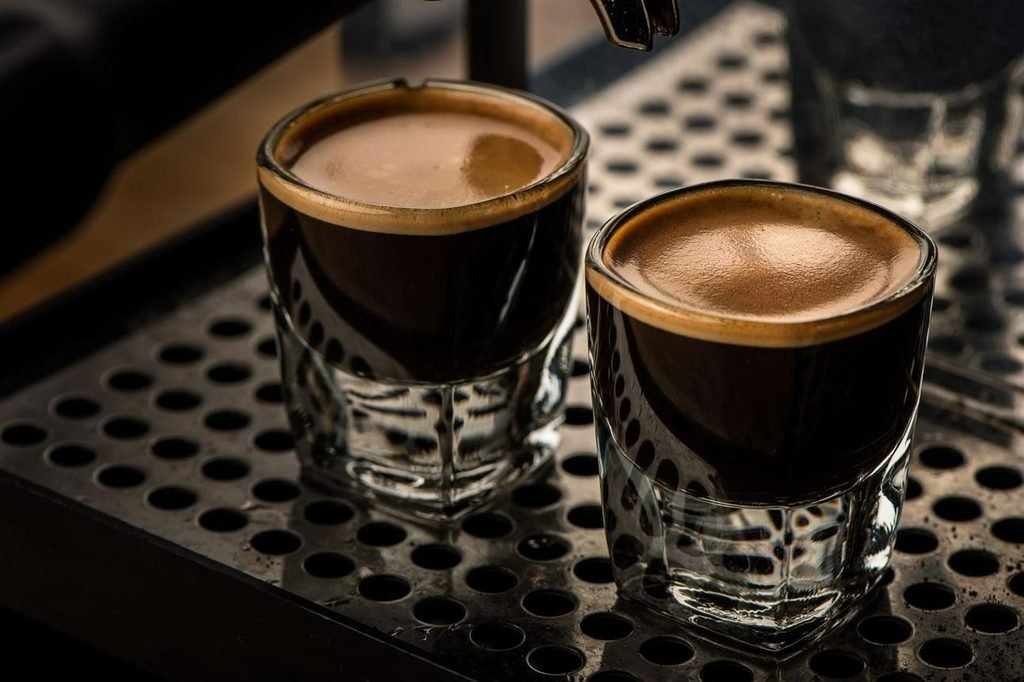
Fresh espresso — 1 oz (30 ml)
Espresso gives the cocktail its signature coffee flavor and contributes to its foamy top when shaken. A freshly pulled double espresso is a convenient option, although you only need approximately 1 oz for this recipe. Choose a roast with rich chocolate or roasted-nut notes for a balanced result.

Vodka — 1½ oz (45 ml)
Vodka provides the cocktail’s alcoholic base without competing strongly with the coffee. A standard, unflavored vodka is usually the best starting point because it keeps the espresso at the center of the flavor profile.
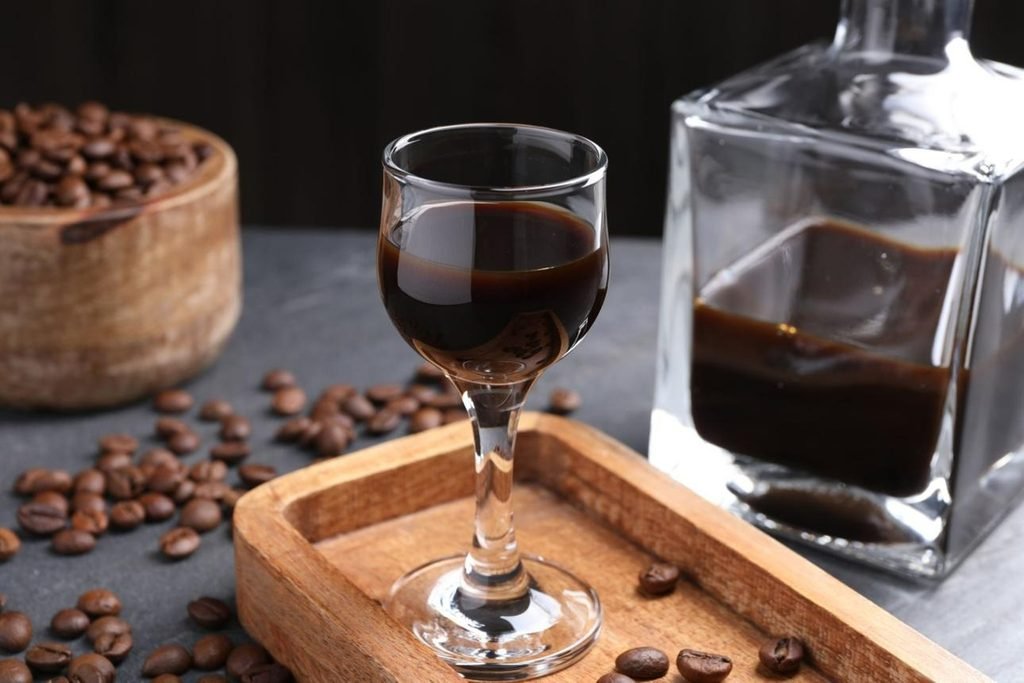
Coffee liqueur — ½ oz (15 ml)
A small amount adds coffee depth and helps soften espresso’s bitterness. Start with a less-sweet coffee liqueur if possible. If you only have a sweeter variety, use the smaller quantity and taste the result before adjusting.
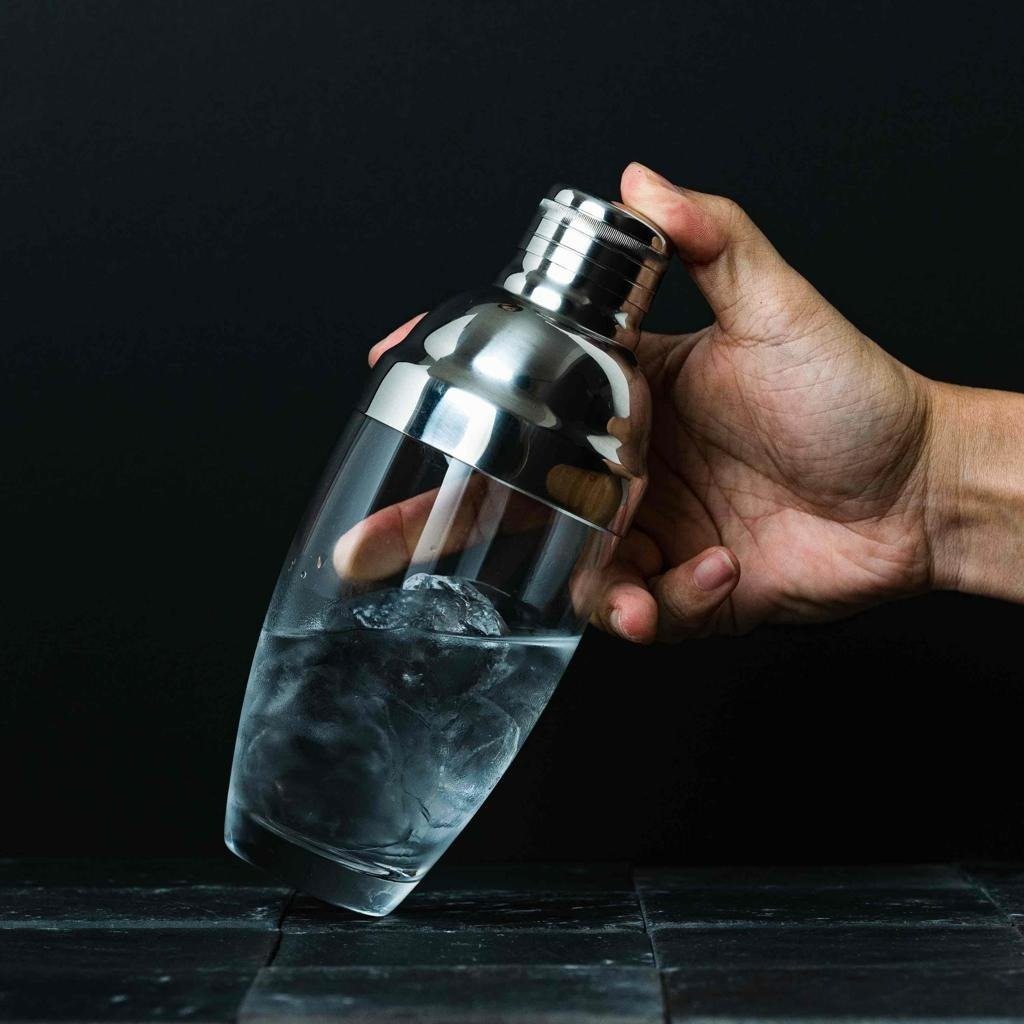
Ice — enough to fill the shaker
Ice chills the drink quickly and helps create the foamy texture associated with a good espresso martini. Use plenty of solid ice rather than a few small, rapidly melting pieces.
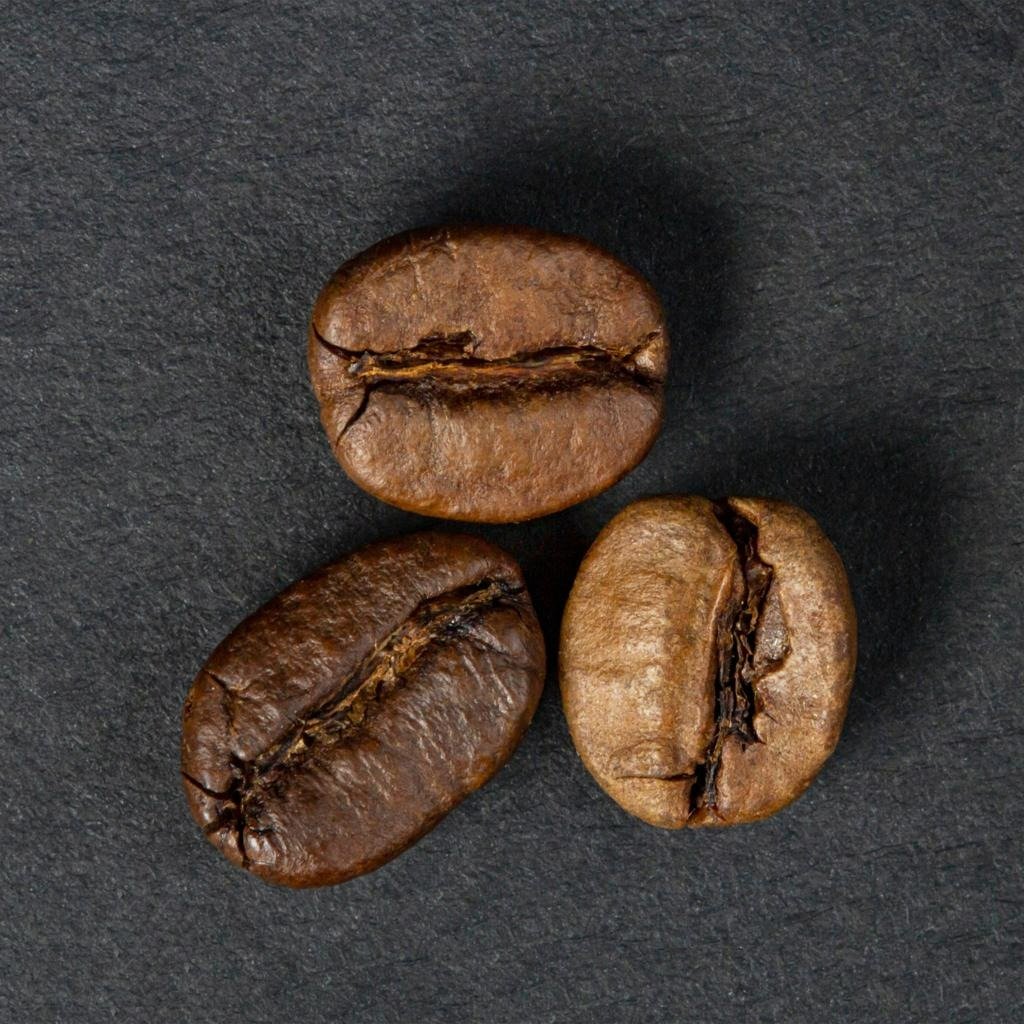
Coffee beans — optional garnish
Three coffee beans placed on the foam provide a classic finishing touch. They also reinforce the coffee aroma before the first sip.
Should You Add Simple Syrup?
For this recipe, start without simple syrup. The coffee liqueur already contributes sweetness, and adding syrup immediately can make the cocktail sweeter than necessary.
If the drink tastes too bitter, adjust the coffee liqueur slightly before reaching for a sweetener. A small change can soften the flavor without turning the cocktail into a dessert drink.
If you prefer to avoid added sugar as much as possible, you can also skip the coffee liqueur. However, the cocktail will taste drier and may have a sharper alcoholic finish. You can explore that variation once you’ve tried the basic recipe.
Ingredient Substitutions for a Less-Sweet Cocktail
| Ingredient | Recommended alternative | Effect on the drink |
| Sweet coffee liqueur | Less-sweet coffee liqueur | Reduces sweetness while retaining coffee depth |
| Coffee liqueur | Omit it and use espresso with vodka | Creates a drier, more spirit-forward cocktail |
| Fresh espresso | Strong, concentrated coffee | Works in a pinch, but may produce less foam |
| Regular vodka | Unflavored premium vodka | Keeps the flavor clean and neutral |
| Simple syrup | No added sweetener | Lets the espresso’s roasted character stand out |
Avoid substituting ordinary, diluted drip coffee for espresso without adjusting the recipe. A weaker coffee base can make the drink taste watery, especially after shaking it with ice.
For additional guidance on coffee preparation and extraction, the Specialty Coffee Association offers resources on coffee quality and brewing fundamentals.
The Best Espresso for a Non-Sweet Espresso Martini
Espresso is the foundation of this cocktail, so the coffee you choose has a direct effect on its final flavor. When you’re making a non-sweet espresso martini, this matters even more because there is less sugar to mask bitterness, acidity, or unpleasant roasted flavors.
You don’t necessarily need the darkest beans available. The best espresso is one that tastes balanced on its own and still has enough character to stand up to vodka and coffee liqueur.
Dark Roast vs. Medium Roast vs. Light Roast
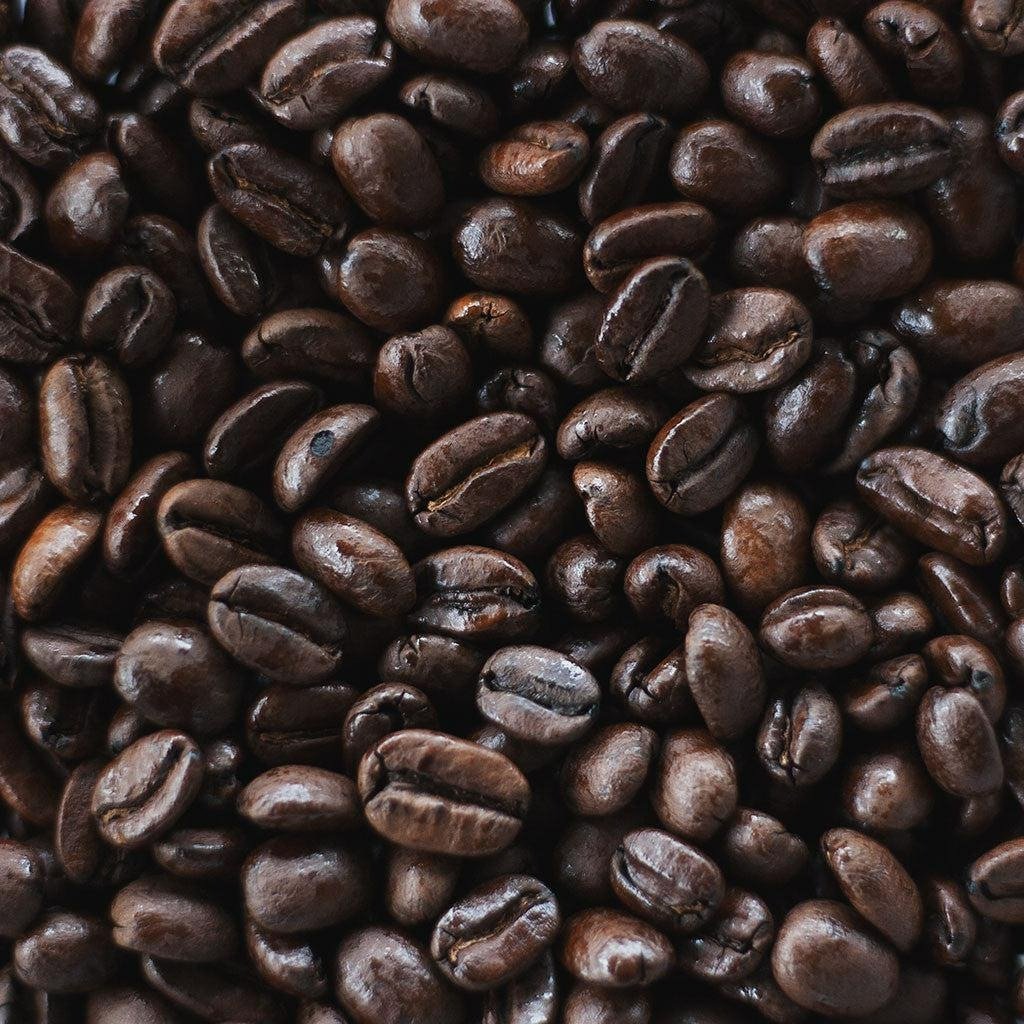
Dark roast: Bold and intense
Dark-roasted beans often deliver smoky, bittersweet, and chocolate-like notes. They’re a good choice if you want a strong, traditional coffee flavor with a pronounced roasted finish. Watch out for beans that taste burnt, as those flavors can become especially noticeable in a less-sweet cocktail.
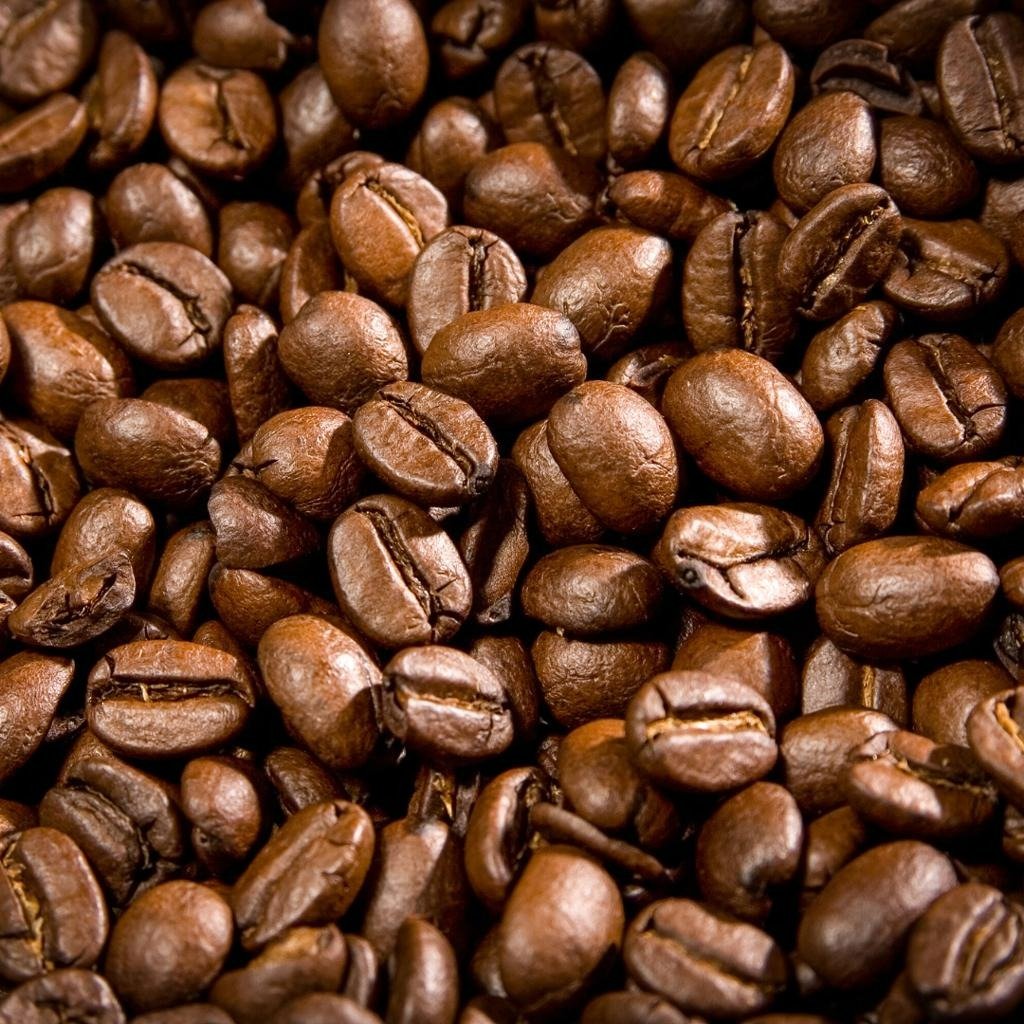
Medium roast: Balanced and versatile
Medium-roasted beans can offer chocolate, toasted nuts, caramel-like aromas, and moderate acidity. They’re often the easiest starting point for a non-sweet espresso martini because they deliver complexity without overwhelming bitterness.
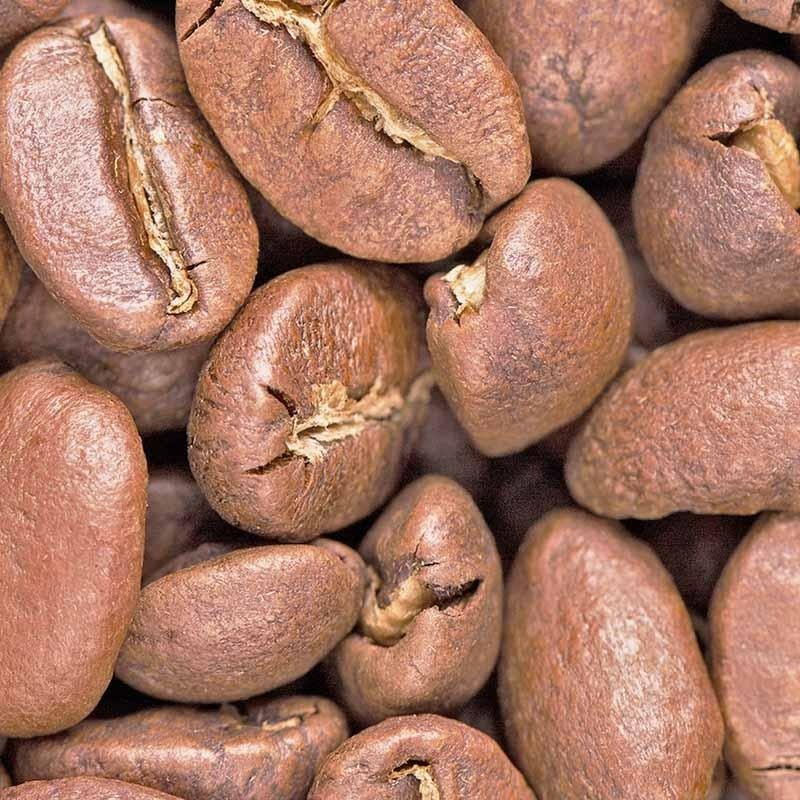
Light roast: Bright and complex
Light-roasted beans may have fruity, floral, or citrus-like notes. These can create a more distinctive cocktail, but pronounced acidity may make the drink seem sharper when little sweetness is present. Choose a balanced light roast rather than one with an aggressively sour profile.
My recommendation: Start with a medium or medium-dark espresso roast. Look for tasting notes such as dark chocolate, cocoa, hazelnut, or toasted almond. These flavors tend to work particularly well in a cocktail that emphasizes coffee rather than sweetness.
Fresh Espresso or Espresso Prepared in Advance?
Freshly brewed espresso is usually the best option because it offers concentrated flavor and aromatic oils that contribute to the cocktail’s character.
However, you don’t have to pour piping-hot espresso straight into your shaker. Let it cool briefly while you prepare the other ingredients. This helps limit unnecessary ice melt when you start shaking.
Keep these tips in mind:
- Use freshly ground coffee when possible. Grinding immediately before brewing helps preserve the coffee’s aroma.
- Avoid over-extraction. Espresso that tastes harsh or excessively bitter on its own is unlikely to improve in a cocktail.
- Don’t leave espresso sitting uncovered for too long. Its aroma fades as it cools.
- Chill your serving glass. A cold glass helps keep the finished cocktail refreshing.
- Measure your espresso. Approximately 1 oz (30 ml) provides a concentrated coffee flavor without overwhelming the vodka.
If you don’t own an espresso machine, a strong coffee concentrate can work as an alternative. Just remember that regular brewed coffee generally has a lighter body and may produce a different foam texture.
What Espresso Brew Ratio Works Best?
If you’re making espresso at home, consistency matters more than chasing a particular roast or machine setting.
A practical starting point for a double espresso is a 1:2 brew ratio by weight. For example, 18 grams of ground coffee yielding approximately 36 grams of espresso is a common starting recipe. The exact ratio will depend on your beans, grinder, and espresso machine.
For a non-sweet espresso martini, aim for a shot that tastes balanced before adding the alcohol.
| Brewing factor | Practical starting point | Why it matters |
| Coffee dose | 18 g for a double shot | Provides a consistent starting dose |
| Espresso yield | Around 36 g | Creates a concentrated extraction |
| Brew time | Approximately 25–30 seconds | A useful starting range, not a strict rule |
| Roast level | Medium to medium-dark | Balances richness and bitterness |
| Espresso temperature | Allow it to cool briefly before shaking | Helps reduce excessive ice dilution |
These measurements are starting points, not universal rules. If your espresso tastes sour, bitter, or thin, adjust the grind size and extraction before changing the cocktail ingredients.
A slightly finer grind generally slows extraction, while a coarser grind generally speeds it up. Make small adjustments and taste the espresso again rather than changing several brewing variables at once.
Once you’ve found a shot you enjoy drinking on its own, use it in your non-sweet espresso martini. Good coffee does most of the heavy lifting, allowing you to keep the recipe simple and the sweetness under control.
How to Make a Non-Sweet Espresso Martini Step by Step
Making a non-sweet espresso martini at home is straightforward once you have the right ingredients and proportions. The key is to chill the drink thoroughly, bring out the espresso’s natural aroma, and avoid adding unnecessary sweeteners.
This recipe makes one serving with a bold coffee flavor, a smooth finish, and a foamy top.
Ingredients
- 1 oz (30 ml) freshly brewed espresso
- 1½ oz (45 ml) vodka
- ½ oz (15 ml) coffee liqueur, preferably a less-sweet variety
- Plenty of ice
- 3 coffee beans for garnish, optional
No simple syrup is needed. The small amount of coffee liqueur provides some balance without making the cocktail overly sweet.
Equipment You’ll Need
- Espresso machine or another way to prepare concentrated coffee
- Cocktail shaker
- Jigger or measuring cup
- Fine-mesh strainer, optional
- Chilled martini or coupe glass
A two-piece cocktail shaker works well, but a cobbler shaker with a built-in strainer is also suitable. If you don’t own a cocktail shaker, a sturdy, sealable container can work in a pinch, provided it is designed to be shaken safely.
Step-by-Step Instructions
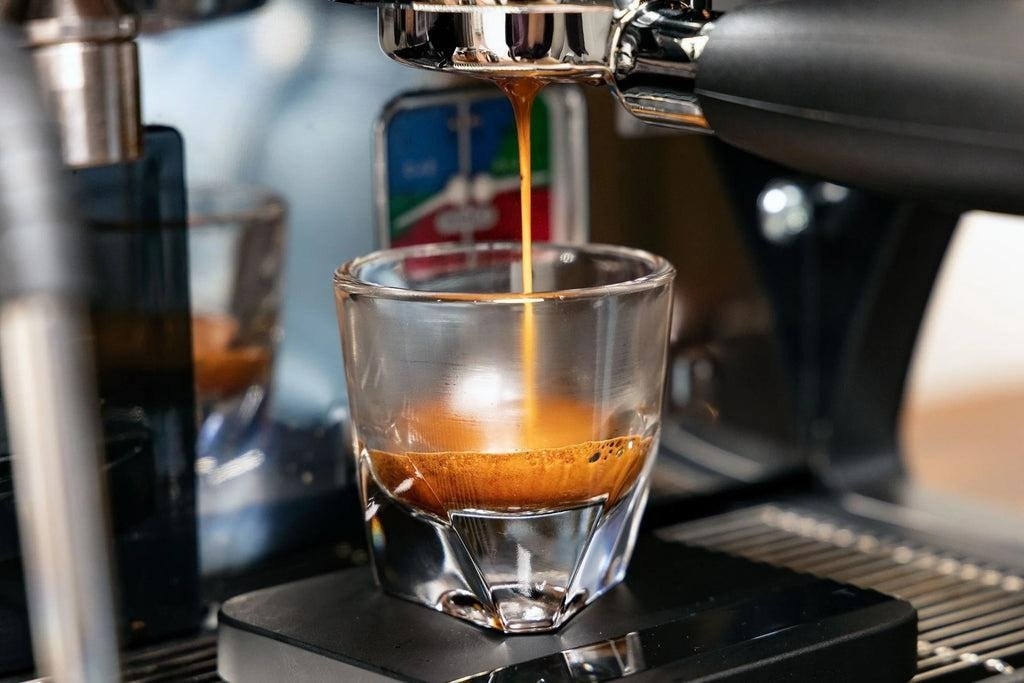
Step 1: Brew the espresso
Prepare approximately 1 oz (30 ml) of fresh espresso. Let it cool briefly while you gather the remaining ingredients.
Avoid leaving it to sit for an extended period, since its aroma will gradually fade. You want the coffee cool enough to limit excessive ice melt but still fresh and aromatic.
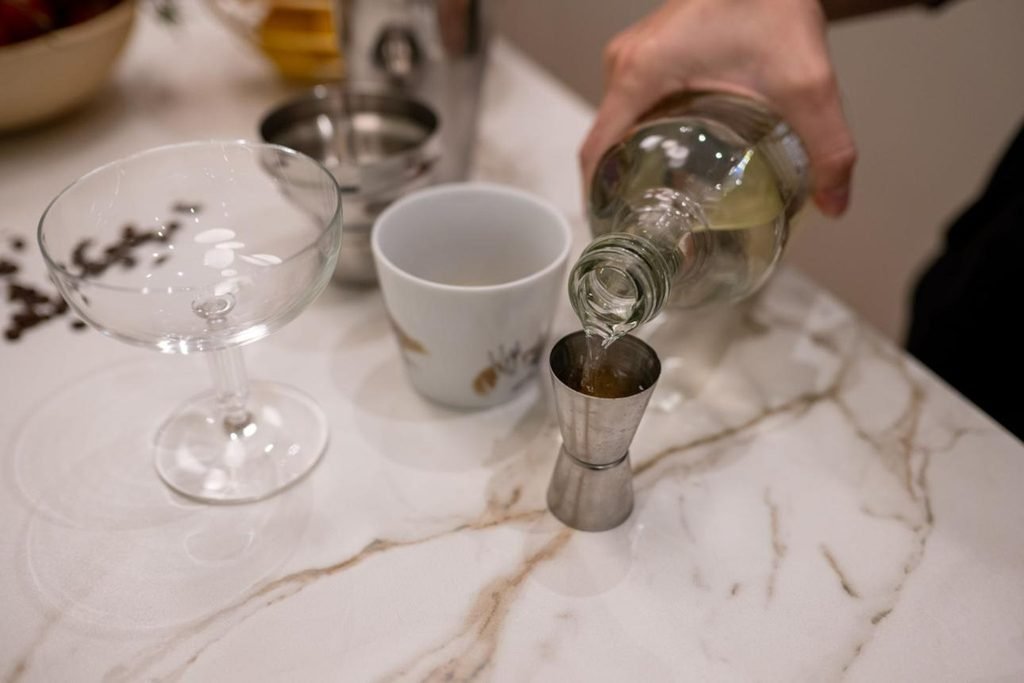
Step 2: Measure the ingredients
Pour 1½ oz vodka, ½ oz coffee liqueur, and 1 oz espresso into your cocktail shaker.
Measuring accurately helps you control sweetness. Free-pouring the liqueur can easily make the cocktail sweeter than intended, particularly when using a sugary brand.

Step 3: Add plenty of ice
Fill the shaker with enough solid ice to chill the mixture thoroughly. Large, firm cubes are useful because they cool the drink efficiently without melting as quickly as small, wet ice pieces.
Secure the shaker’s lid before moving to the next step.
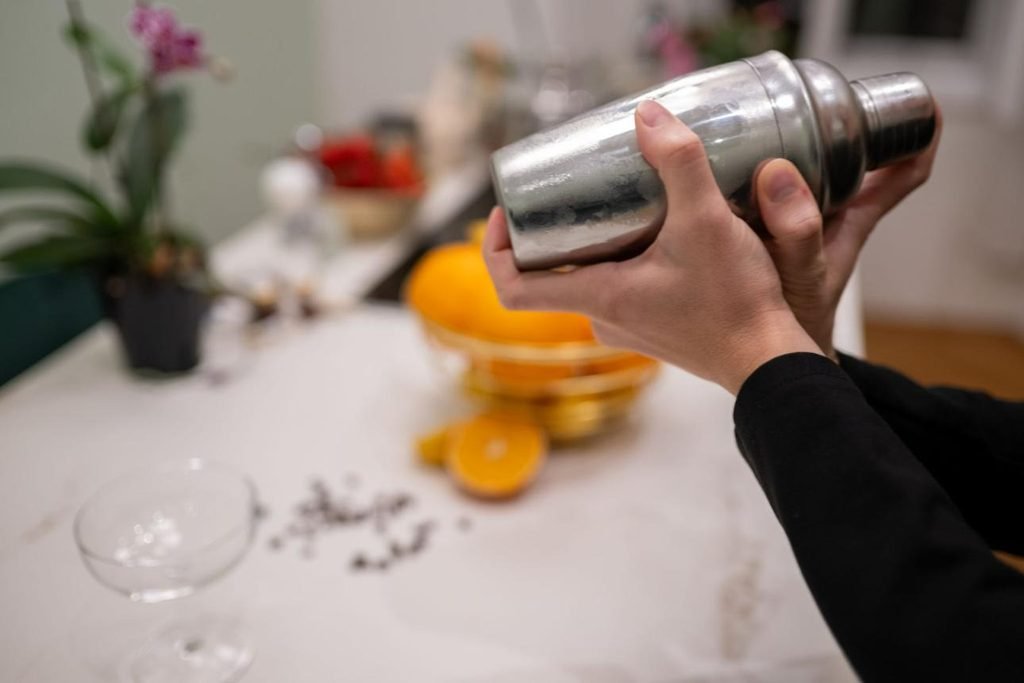
Step 4: Shake vigorously
Shake hard for approximately 15–20 seconds. This chills the cocktail, incorporates air, and helps create the foam that makes an espresso martini distinctive.
A firm, energetic shake is more effective than gently mixing the ingredients. The shaker should feel noticeably cold when you’re finished.
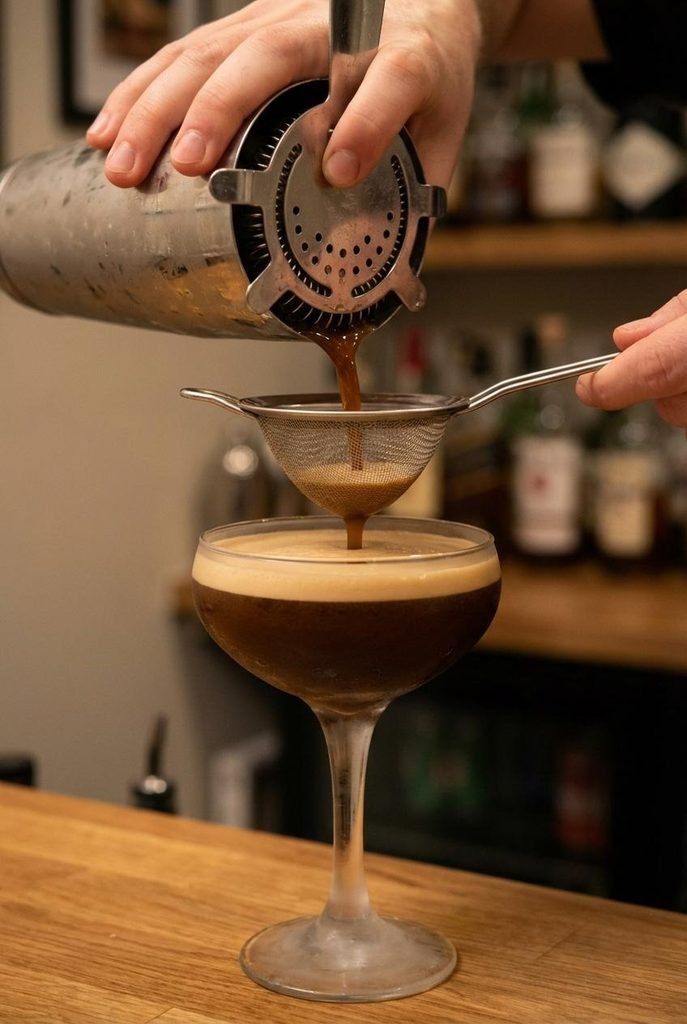
Step 5: Strain into a chilled glass
Strain the mixture into a chilled martini or coupe glass. Double-straining through a fine-mesh strainer is optional, but it can remove small ice fragments and create a cleaner presentation.
Pour steadily to preserve as much of the foam as possible.
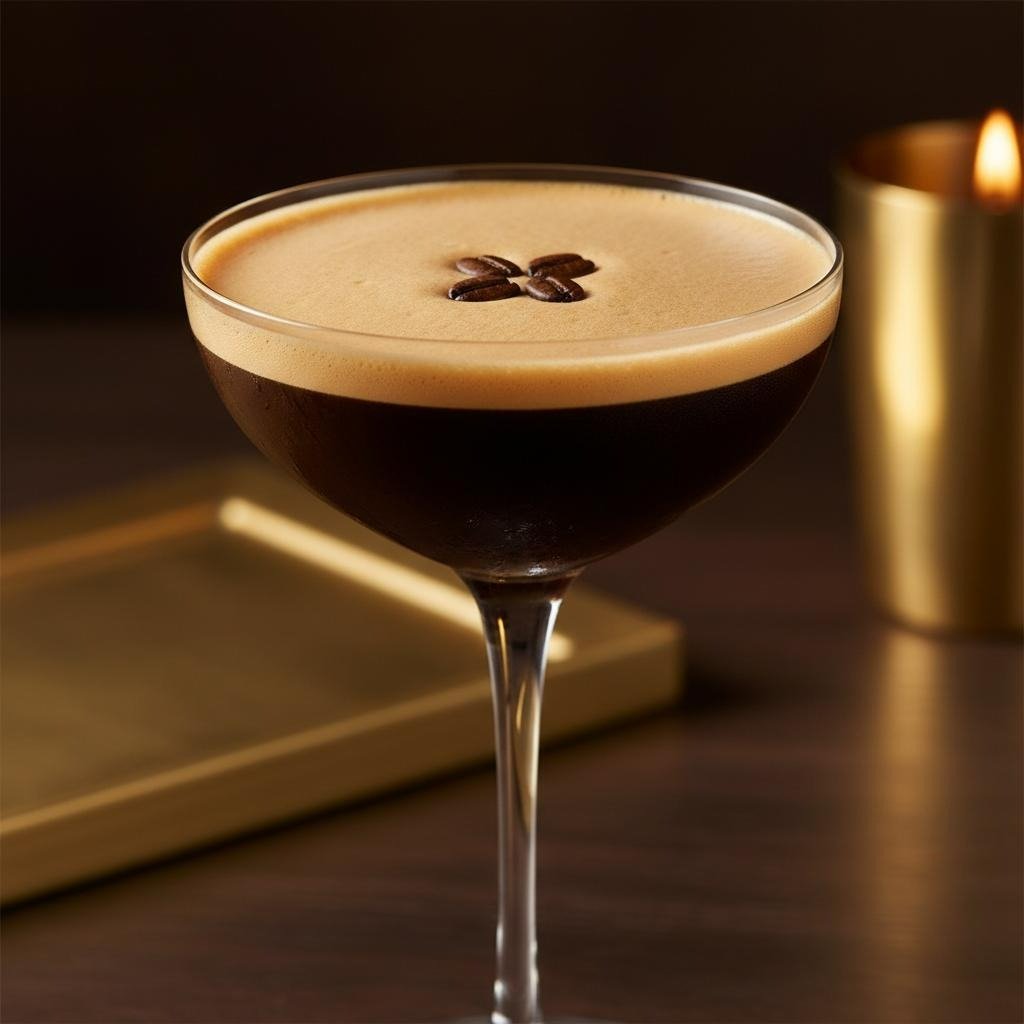
Step 6: Garnish and serve immediately
Place three coffee beans on top of the foam if desired. Serve the cocktail straight away while it’s cold and the foam is at its best.
Take a sip before making any adjustments. If it tastes too sweet, reduce the coffee liqueur next time. If it’s too bitter, try a more balanced espresso roast or a slightly larger amount of liqueur.
Tips for Getting the Best Flavor
A few small adjustments can make a noticeable difference in the finished drink.
- Chill the glass first. Place your serving glass in the freezer for several minutes while preparing the ingredients.
- Don’t add syrup automatically. Taste the cocktail as written before deciding whether it needs extra sweetness.
- Use concentrated coffee. Weak coffee can leave the drink tasting diluted and less satisfying.
- Shake with purpose. A vigorous shake improves chilling and foam development.
- Measure the coffee liqueur carefully. This is one of the easiest ways to keep sweetness under control.
For a stronger coffee character, experiment with the espresso roast before increasing the coffee quantity. Adding too much liquid can alter the cocktail’s balance and dilute the alcoholic base.
The result: A chilled, coffee-forward espresso martini with restrained sweetness, a rich aroma, and a smooth, foamy top.
How to Make an Espresso Martini Without Simple Syrup
Simple syrup is a common ingredient in espresso martini recipes, but it’s not essential for every version. If you prefer black coffee or bitter chocolate to sugary desserts, leaving out the syrup is an easy way to make the cocktail more suitable for your taste.
The important thing is to maintain balance. Espresso has natural bitterness and acidity, while vodka contributes alcoholic intensity. Removing simple syrup shifts the flavor toward those elements, so the remaining ingredients need to work together.
Why Does Traditional Espresso Martini Use Simple Syrup?
Simple syrup is made by dissolving sugar in water. Bartenders use it because it blends easily into cold drinks and allows them to control sweetness precisely.
In an espresso martini, it can serve several purposes:
- Balances bitterness: Sugar softens the perceived intensity of roasted coffee.
- Rounds out the flavor: Sweetness can make espresso and vodka taste more integrated.
- Creates a dessert-like profile: The drink becomes closer to a sweet coffee cocktail than a dry spirit-based drink.
However, simple syrup isn’t the only way to balance a cocktail. Coffee liqueur already contributes sweetness and coffee flavor, which is why many recipes can work without an additional sweetener.
The Best Ingredient Ratio Without Simple Syrup
Start with this combination for a single serving:
| Ingredient | Amount | Purpose |
| Fresh espresso | 1 oz (30 ml) | Provides the main coffee flavor |
| Vodka | 1½ oz (45 ml) | Adds the alcoholic base |
| Coffee liqueur | ½ oz (15 ml) | Adds coffee depth and some sweetness |
| Simple syrup | 0 oz | Keeps the cocktail less sweet |
| Ice | As needed | Chills the drink and helps develop foam |
This is a useful starting ratio rather than a strict rule. The sweetness of your coffee liqueur, the intensity of your espresso, and your personal preferences will all affect the final taste.
If you want a drier drink, reduce the coffee liqueur to ¼ oz (7.5 ml). If the result becomes too bitter or sharp, return to ½ oz or try a less-sweet liqueur with a more balanced flavor.
How to Keep the Cocktail Balanced Without Sugar
The trick is to improve the ingredients rather than automatically adding sweetness.
Choose a balanced espresso. Coffee that tastes pleasantly roasted and chocolatey is often easier to use in a dry cocktail than espresso with aggressive bitterness or sharp acidity.
Use a neutral vodka. Flavored vodka can introduce vanilla or other sweet-seeming notes that may distract from the coffee. Plain vodka gives you greater control over the finished flavor.
Adjust the coffee liqueur gradually. Even a small increase can soften the drink. Change the quantity in increments of about ¼ oz (7.5 ml) rather than pouring in a large extra measure.
Avoid over-extraction. If your espresso tastes burnt or harsh, fix the coffee preparation first. Sugar can mask unpleasant flavors, but it won’t make poorly extracted espresso taste better.
Serve the drink very cold. Proper chilling helps the cocktail feel crisp and refreshing. It also prevents the drink from becoming unpleasantly warm as you sip it.
Does a Non-Sweet Espresso Martini Have to Taste Bitter?
No. A non-sweet espresso martini should still taste balanced, even if it has a more pronounced roasted-coffee character.
Bitterness is a normal part of espresso, but excessive bitterness can come from the beans, the extraction process, or an unsuitable ingredient ratio. You don’t need to add syrup just to correct a problem that could be solved by choosing better coffee.
If your first attempt tastes too bitter, try these adjustments in order:
- Switch to a medium or medium-dark espresso roast with chocolate-like notes.
- Check that your espresso isn’t over-extracted.
- Increase the coffee liqueur slightly if you enjoy its flavor.
- Consider a small amount of simple syrup only if the other adjustments don’t achieve the balance you want.
The goal is a cocktail where the coffee remains prominent without overpowering the vodka or leaving an unpleasant aftertaste.
Is It Sugar-Free If You Skip Simple Syrup?
Not necessarily. No simple syrup and no added sugar are not the same thing.
Coffee liqueurs commonly contain sugar, and the quantity varies by product. Espresso itself contains very little sugar, but the liqueur may contribute a meaningful amount to the finished drink.
If you’re monitoring sugar intake, check the product’s nutrition label or manufacturer information. A cocktail made with vodka and unsweetened espresso, without coffee liqueur or syrup, will generally contain less sugar, although the flavor and texture will differ from a traditional espresso martini.
Sugar-free sweeteners are another option, but they aren’t necessary for this recipe. Some have distinct aftertastes, and adding them can work against the clean, coffee-forward character you’re trying to achieve.
Can You Make a Non-Sweet Espresso Martini Without Coffee Liqueur?
Yes. You can make a non-sweet espresso martini without coffee liqueur by combining vodka with espresso and ice. This is a useful option if you want to avoid the sweetness in commercial coffee liqueurs or simply prefer a cocktail with fewer ingredients.
There is one trade-off: coffee liqueur does more than sweeten the drink. It also adds concentrated coffee flavor, body, and complexity. Removing it creates a noticeably drier cocktail, but it may also make the vodka more prominent and the espresso taste sharper.
A Simple Espresso Martini Without Coffee Liqueur
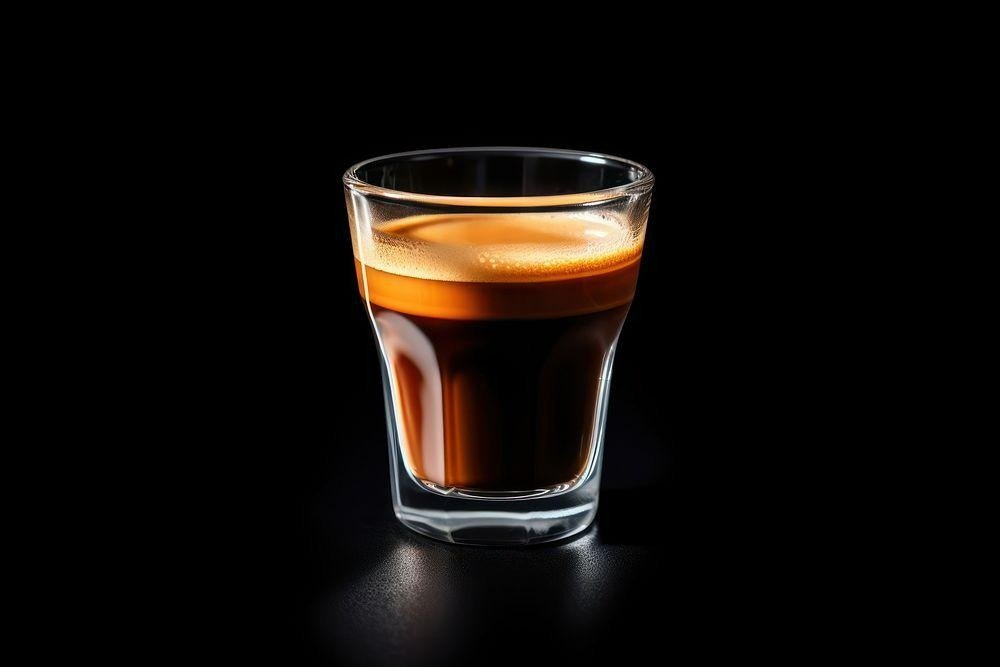
Espresso — 1 oz (30 ml)
Use fresh, concentrated espresso with a balanced flavor. A medium or medium-dark roast is a good place to start.
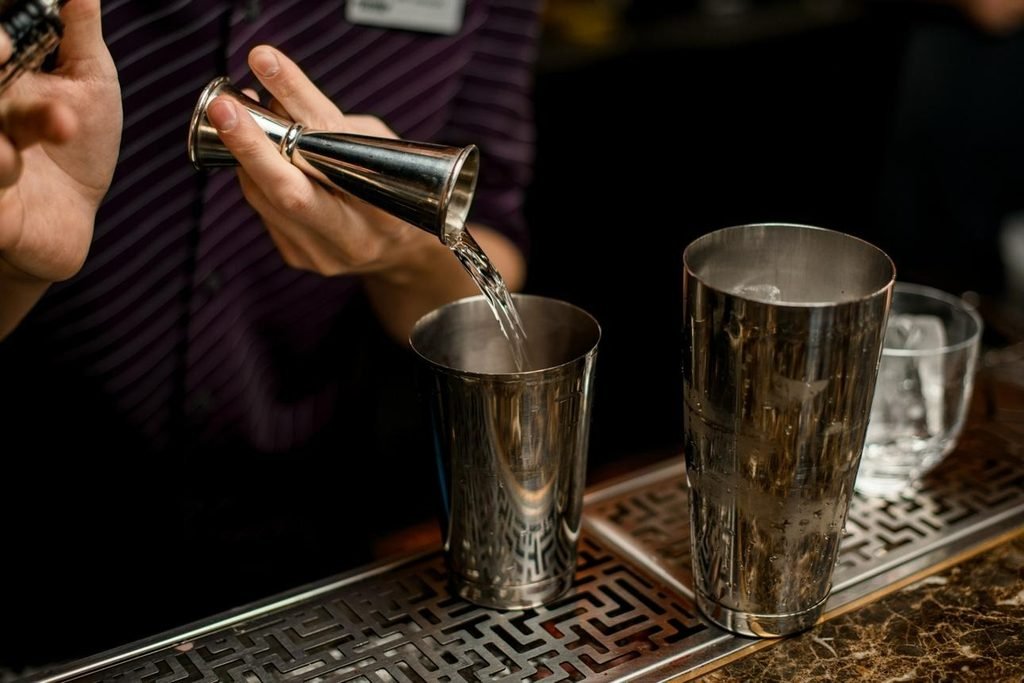
Vodka — 1½ oz (45 ml)
Choose plain vodka so that the coffee remains the main flavor.

Ice — enough to fill the shaker
Use plenty of firm ice for rapid chilling and a properly diluted finished drink.
Preparation Instructions
- Brew 1 oz (30 ml) of espresso and allow it to cool briefly.
- Add the espresso and vodka to a cocktail shaker.
- Fill the shaker with ice and shake vigorously for approximately 15–20 seconds.
- Strain into a chilled martini or coupe glass.
- Garnish with coffee beans if desired, then serve immediately.
This version has no coffee liqueur or simple syrup. It will generally be drier and more spirit-forward than the recipe in the previous section.
How to Improve the Flavor Without Adding Sugar
If a two-ingredient cocktail tastes too sharp, you have several ways to improve it without returning to a sweet recipe.
| Adjustment | What it changes | Best for |
| Use medium-roast espresso | Can soften harsh roasted bitterness | People who find dark roast too intense |
| Try a chocolate-forward coffee blend | Adds naturally occurring aroma and perceived richness | People who want a fuller coffee flavor |
| Use a concentrated coffee extract designed for beverages | Can reinforce coffee intensity | People who want a stronger coffee character |
| Reduce the vodka slightly | Makes the alcoholic flavor less prominent | People who find the cocktail too spirit-forward |
| Add a small amount of less-sweet coffee liqueur | Restores some body and balance | People who want a middle ground |
Be careful with ordinary coffee concentrate. Adding too much can make the drink watery, and many concentrates don’t produce the same foam as freshly brewed espresso.
What About Using Cold Brew Instead?
Cold brew concentrate can be a convenient alternative when you don’t have an espresso machine. It typically has a smoother, less sharply acidic profile than some hot-brewed coffees, although its flavor depends on the beans, grind, and brewing method.
Choose a concentrated, unsweetened cold brew rather than ready-to-drink coffee that has already been diluted. Start with approximately 1 oz (30 ml), shake it with the vodka and ice, and see how the texture develops.
Keep in mind that cold brew doesn’t always create the same stable foam as espresso. The final cocktail may still be enjoyable, but the texture and appearance can be different.
If a rich foam topping is important to you, freshly brewed espresso remains the better starting point.
Which Version Should You Choose?
The coffee-liqueur version is generally the easiest option for beginners because it offers a little sweetness and complexity without requiring extra ingredients. It is also easier to adjust gradually until you find a flavor you enjoy.
The vodka-and-espresso version is better if you want a very dry cocktail and are comfortable with a stronger, more direct coffee and alcohol flavor.
Try both versions and compare them side by side. You may find that a small amount of coffee liqueur gives you the balance you want without making the cocktail noticeably sweet.
The Best Vodka and Coffee Liqueur Combinations for a Drier Cocktail
Choosing the right vodka and coffee liqueur can make a significant difference when you’re preparing a non-sweet espresso martini. Even with the same espresso and mixing technique, different spirits can produce a cocktail that tastes dry and roasted or sweet and dessert-like.
The best approach is to use a clean vodka, select a coffee liqueur with a sweetness level you enjoy, and adjust the proportions to suit your palate. You don’t necessarily need expensive spirits to make an excellent cocktail; the balance between the ingredients matters more than the price of the bottle.
Which Vodka Works Best in a Non-Sweet Espresso Martini?
Unflavored vodka is generally the easiest choice because it allows the espresso to remain the dominant flavor. It provides the alcoholic base without adding strong competing aromas.
Here are the main options to consider:
| Vodka type | Flavor profile | Suitability for a non-sweet espresso martini |
| Standard unflavored vodka | Clean and neutral | Excellent starting point |
| Premium unflavored vodka | Often smooth and subtle, depending on the product | Excellent if you prefer a refined finish |
| Vanilla vodka | Sweet-smelling, vanilla-forward | Better for a softer, dessert-like variation |
| Citrus-flavored vodka | Bright and aromatic | Interesting for experimentation, but can distract from the coffee |
| Peppery or strongly flavored vodka | More pronounced spice or botanical notes | Less suitable for a classic coffee-forward profile |
A standard, unflavored vodka is usually sufficient. There’s no need to buy an expensive bottle just for this recipe, especially if you’re still experimenting with the amount of coffee liqueur.
One important distinction is that a vodka can taste smooth without being sweet. Smoothness relates to the spirit’s perceived harshness and finish, while sweetness is a separate flavor characteristic.
How to Choose a Less-Sweet Coffee Liqueur
Coffee liqueur is often the main source of sweetness in an espresso martini without simple syrup. Some products emphasize roasted coffee and dark chocolate, while others have a pronounced vanilla, caramel, or sugary flavor.
When comparing bottles, consider these factors:
- Sugar content: Check the nutrition information or manufacturer specifications when available.
- Coffee intensity: A concentrated roasted-coffee flavor can remain noticeable even when you use a small quantity.
- Vanilla and caramel notes: These may make a cocktail seem sweeter, even when you haven’t added syrup.
- Alcohol strength: Different strengths can affect the cocktail’s overall balance and alcoholic intensity.
- Texture: Some liqueurs contribute a fuller mouthfeel, which can be useful when reducing the quantity.
Don’t assume that a dark-colored coffee liqueur is automatically less sweet. Color doesn’t reliably indicate sugar content, and two products with similar coffee flavors can have very different sweetness levels.
Coffee Liqueur Comparison: Which Style Should You Choose?
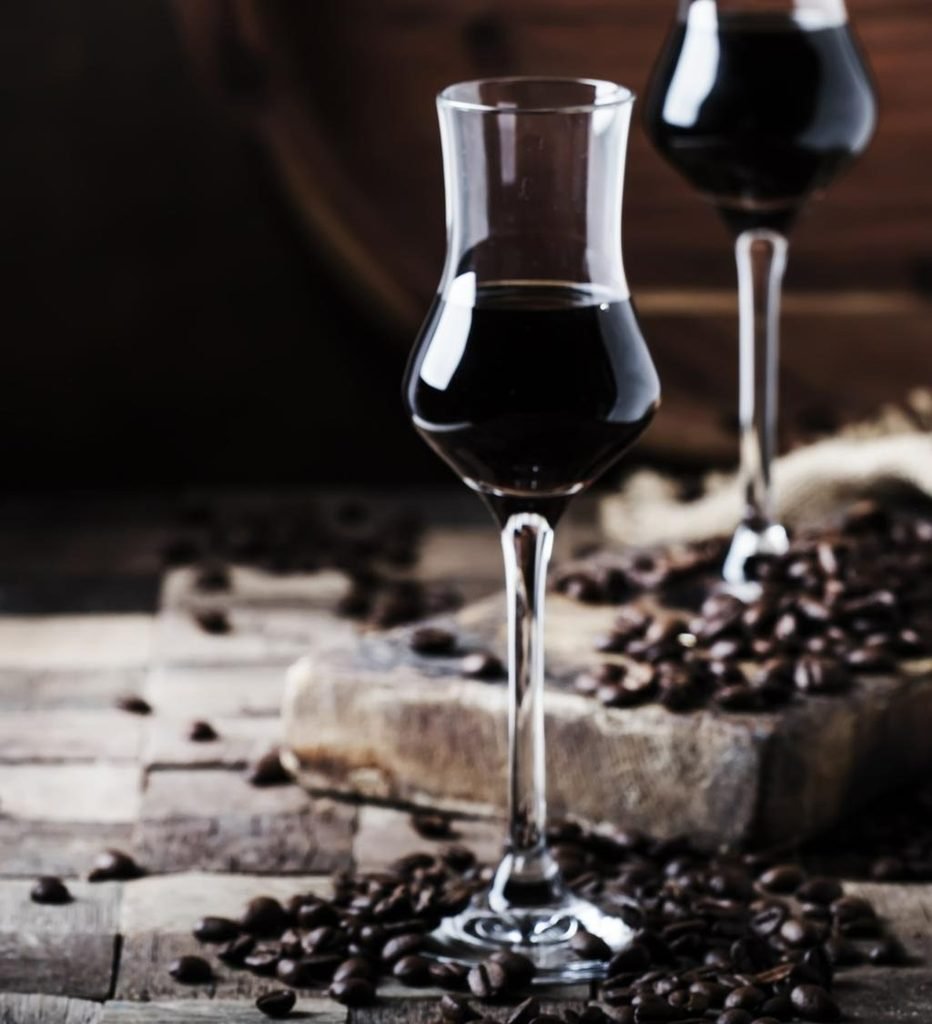
Classic coffee liqueur
Sweetness: Often moderate to high
This is a convenient option for a familiar espresso martini flavor. Start with ¼–½ oz (7.5–15 ml), depending on the product and your preference. Using a smaller amount can preserve the recognizable coffee-liqueur character without making the cocktail overly sweet.
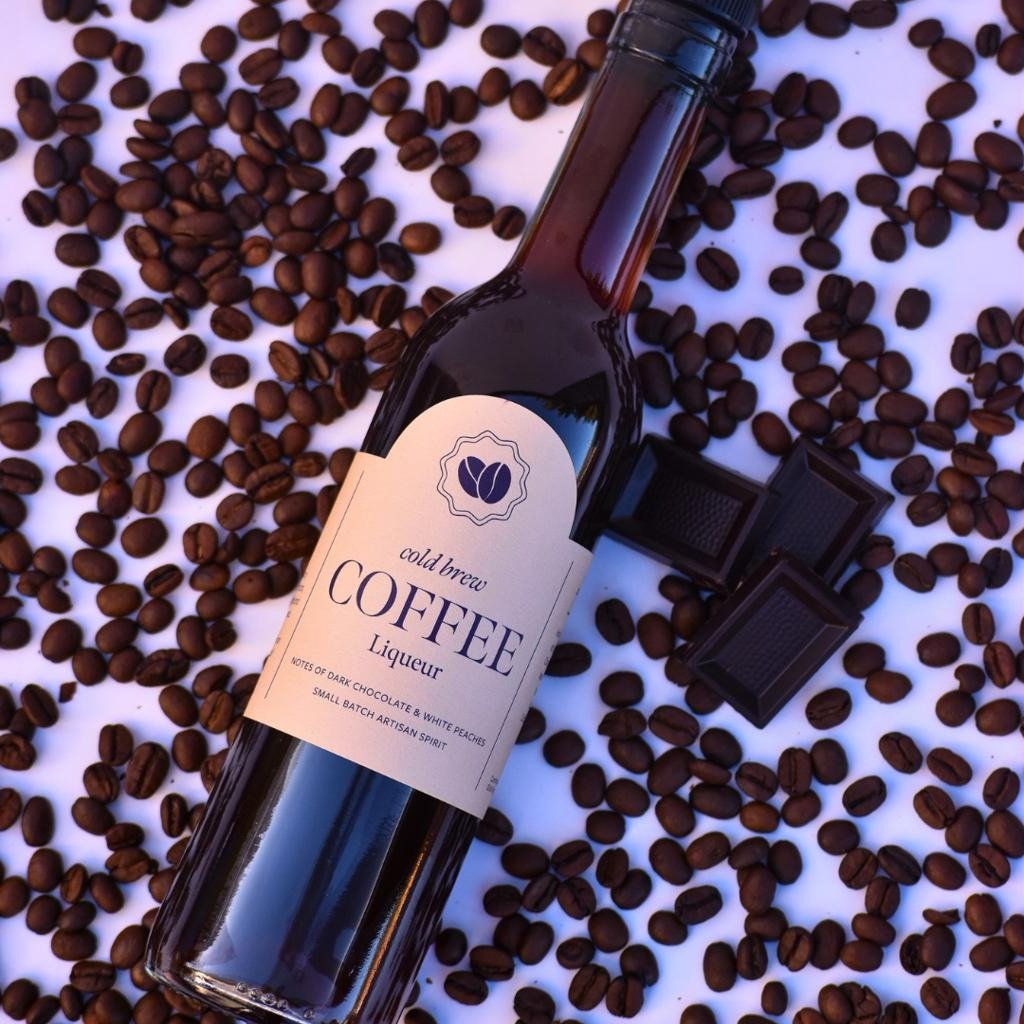
Coffee-forward liqueur
Sweetness: Varies by brand
Look for a product that emphasizes roasted coffee, cocoa, or espresso rather than caramel and vanilla. A strong coffee character can be useful when you want to use less liqueur while retaining depth.
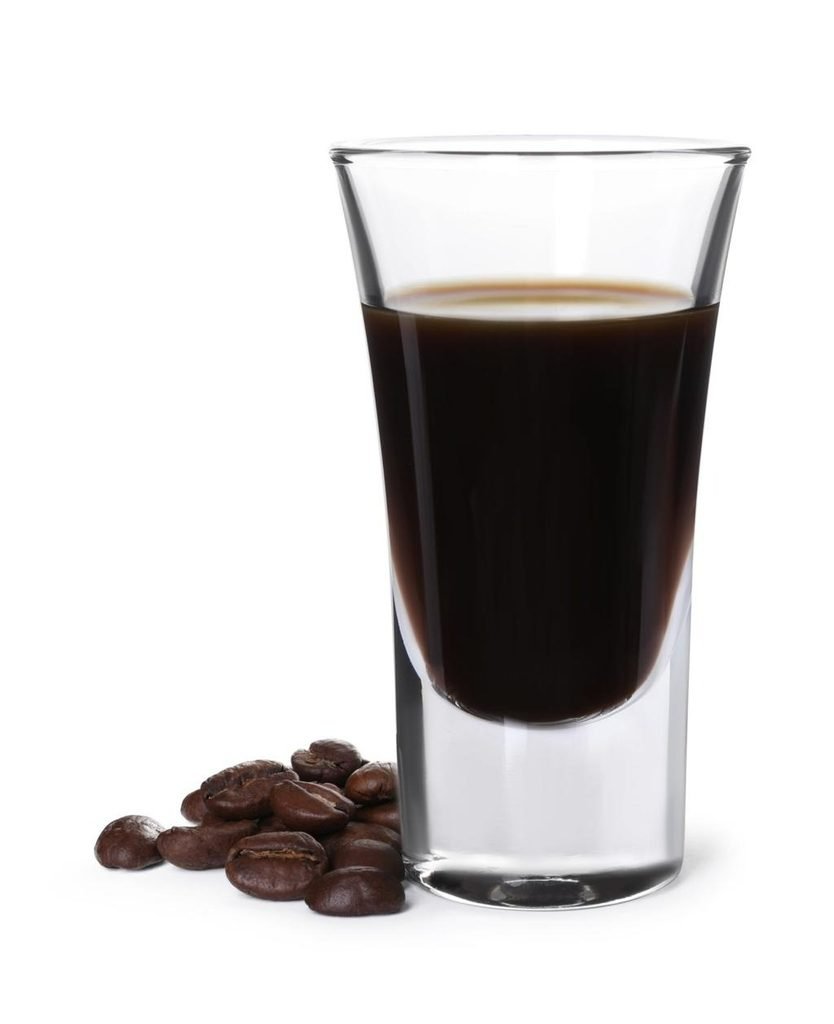
Reduced-sugar or less-sweet alternative
Sweetness: Product-dependent
If you can find a suitable option, compare its ingredient list and nutrition information rather than relying on marketing terms alone. These products can help reduce sweetness, although the coffee intensity and texture may differ from traditional liqueurs.
The Best Starting Combinations
For most home bartenders, these combinations are worth trying:
| Your preference | Vodka | Coffee liqueur | Expected result |
| Balanced and coffee-forward | Unflavored | ½ oz less-sweet option | Rich coffee flavor with moderate sweetness |
| Extra dry | Unflavored | ¼ oz | More pronounced espresso and alcohol |
| Very dry, without liqueur | Unflavored | None | Strong, direct coffee flavor with a sharper finish |
| Smooth and slightly rounded | Unflavored | ½ oz classic liqueur | More familiar espresso martini character |
These are starting points rather than fixed rules. The sweetness of each liqueur varies, so taste and adjust the recipe instead of assuming every brand will behave the same way.
My recommendation: Start with 1½ oz vodka, 1 oz espresso, and ½ oz coffee liqueur. If you prefer a drier result, reduce the liqueur to ¼ oz before making other changes.
How to Get a Thick, Creamy Foam Without Adding Sugar
The foamy top is one of the most recognizable features of an espresso martini. It gives the drink an attractive appearance and creates a soft texture that contrasts with the chilled liquid underneath.
The good news is that you don’t need simple syrup to produce foam. Properly brewed espresso, vigorous shaking, and suitable ice are much more important starting points.
Why Does an Espresso Martini Develop Foam?
Espresso contains compounds that help stabilize bubbles when air is incorporated into the liquid. Shaking the coffee with vodka, coffee liqueur, and ice introduces air while chilling and mixing the ingredients.
The resulting foam is often tan or light brown, with a fine, creamy appearance when the cocktail is prepared well.
Several factors influence the result:
- Espresso freshness: Freshly brewed espresso can help produce an attractive foam layer.
- Coffee composition: The beans, roast, and extraction method affect the coffee’s oils and other compounds.
- Shaking intensity: Vigorous shaking incorporates air more effectively than gentle stirring.
- Ice quality: Firm ice chills the drink and contributes controlled dilution.
- Pouring technique: Straining steadily into a chilled glass helps preserve the foam.
Espresso crema and cocktail foam aren’t exactly the same thing. Crema is the layer formed during espresso extraction, while the cocktail’s foam develops primarily as the mixture is shaken and aerated.
The Best Shaking Technique for Espresso Martini Foam
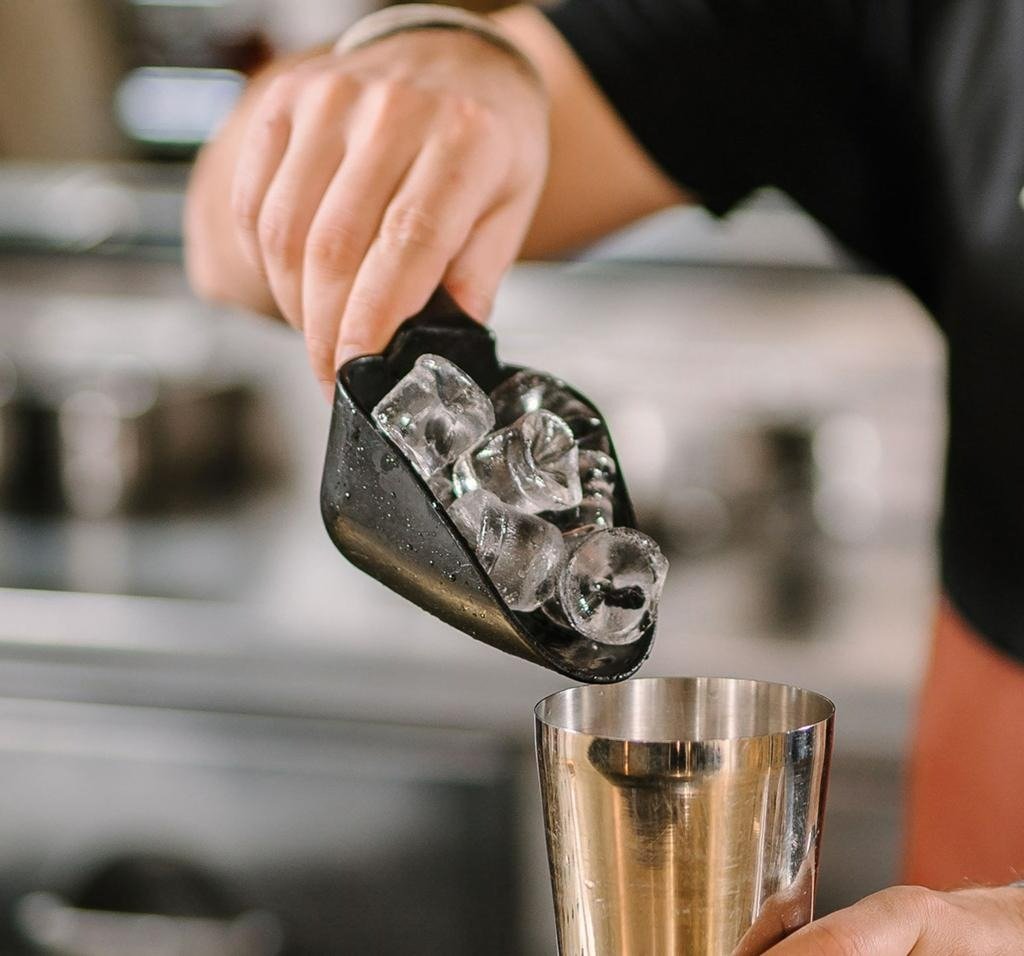
Start with plenty of ice
Fill your shaker generously with solid ice cubes. Too little ice can lead to faster warming and inconsistent dilution, while small, wet cubes may melt quickly.

Shake hard for 15–20 seconds
Use an energetic back-and-forth motion. You want to chill the ingredients thoroughly while incorporating enough air to create fine bubbles. Adjust slightly depending on the temperature of the ingredients and the size of the ice.

Use a chilled serving glass
A cold glass helps maintain the drink’s temperature. Place it in the refrigerator or freezer briefly before preparing the cocktail.
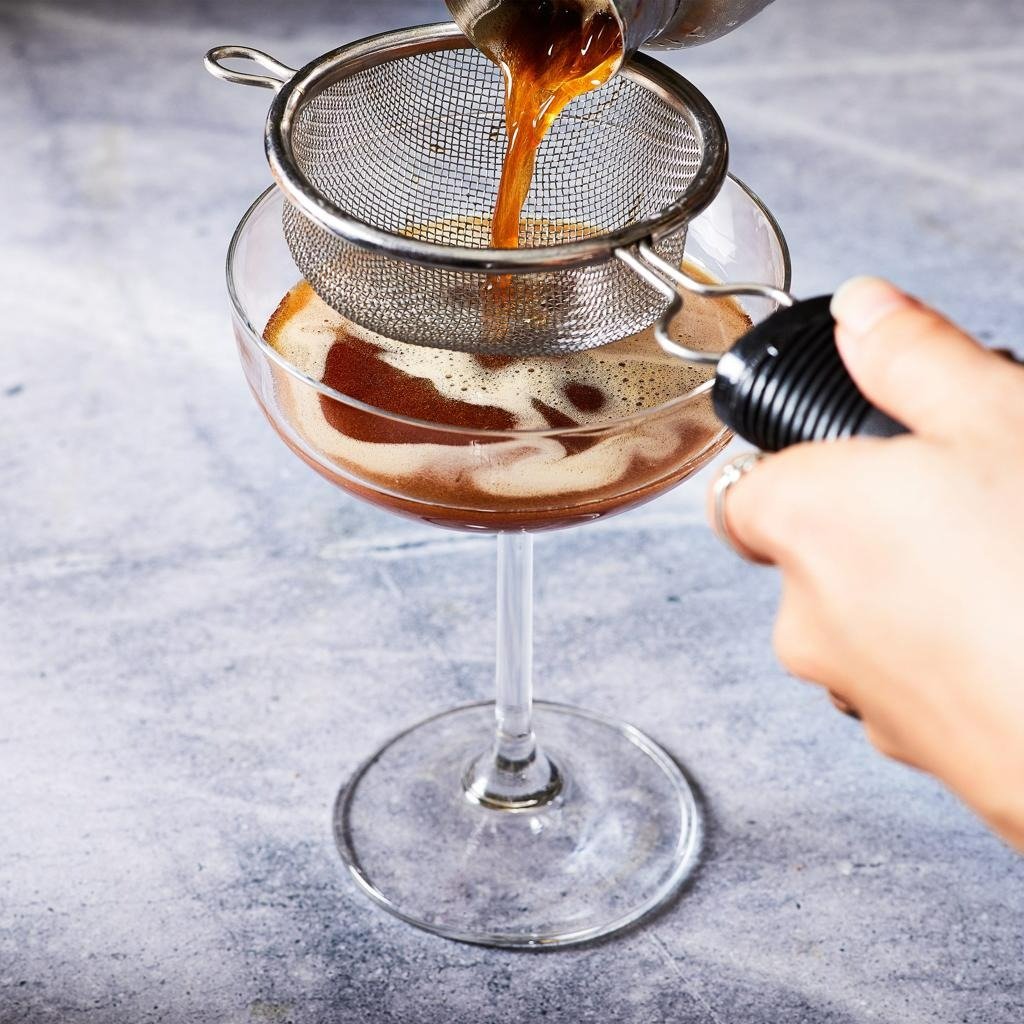
Strain with a steady pour
Pour the mixture into the glass without rushing. If you want a finer texture, use a fine-mesh strainer to catch small ice fragments. Serve immediately to enjoy the foam at its best.
Does Sugar Make Espresso Martini Foam Thicker?
Sugar can influence the texture and behavior of bubbles in a drink, but it isn’t a requirement for a good espresso martini foam.
A cocktail made without simple syrup can still develop an attractive foam layer if the espresso and shaking technique are suitable. Adding syrup just to improve the appearance isn’t necessary, especially when your goal is a less-sweet drink.
If your foam is consistently weak, check your preparation method before changing the sweetness:
- Make sure you’re using espresso rather than weak, diluted coffee.
- Shake vigorously for long enough to chill and aerate the mixture.
- Use sufficient ice and avoid excessive dilution.
- Pour into a clean, chilled glass.
- Serve promptly instead of letting the drink stand.
How to Make Foam Without an Espresso Machine
You can still experiment with an espresso martini if you don’t own an espresso machine, but the results may differ.
A moka pot can produce strong, concentrated coffee that works well in cocktails, although it doesn’t create espresso in exactly the same way as a pump-driven machine. Concentrated cold brew is another option, but it often produces a different foam texture.
For the closest result to a traditional espresso martini, use fresh espresso whenever possible. If you substitute another brewing method, focus on a concentrated coffee flavor and avoid adding so much liquid that the drink becomes diluted.
You may also encounter recipes that use egg white or specialized foaming ingredients. These aren’t necessary for a classic espresso martini, and they introduce additional considerations around flavor, texture, and food safety. Start with espresso and proper shaking before exploring those alternatives.
Common Foam Problems and Quick Fixes
| Foam problem | Possible cause | What to do |
| Little or no foam | Weak coffee or insufficient shaking | Use concentrated espresso and shake more vigorously |
| Large, uneven bubbles | Inconsistent aeration | Shake firmly and pour steadily |
| Foam disappears quickly | Coffee composition, temperature, or preparation | Use fresh espresso and serve immediately |
| Watery foam | Excessive dilution | Use solid ice and avoid unnecessary shaking delays |
| Foam is present but thin | Weak espresso or unsuitable coffee substitute | Try a freshly pulled espresso shot |
Remember that a thick foam layer isn’t the only measure of a good cocktail. A well-balanced, less-sweet espresso martini should taste excellent first; the foam is an important finishing touch, not a reason to compromise the flavor.
Common Mistakes That Make an Espresso Martini Too Sweet or Too Bitter
A non-sweet espresso martini relies on balance. When the cocktail tastes wrong, it’s tempting to add more coffee, more vodka, or a sweetener immediately. However, identifying the actual problem usually leads to a better result with fewer adjustments.
These are the most common mistakes to watch for when making your cocktail at home.
Using Too Much Coffee Liqueur
Coffee liqueur adds flavor and sweetness, but pouring in too much can overwhelm the espresso.
This is particularly noticeable when using a product with strong vanilla or caramel notes. The finished drink may taste more like a sweet coffee dessert than a dry cocktail.
How to fix it: Measure the liqueur carefully. Start with ½ oz (15 ml) and reduce it to ¼ oz (7.5 ml) if you want a drier finish. If the cocktail becomes too sharp, try a different liqueur rather than automatically eliminating it.
Adding Simple Syrup Before Tasting
Simple syrup is useful when a cocktail needs extra sweetness, but it’s easy to overdo it when the coffee liqueur already contains sugar.
Adding syrup before tasting can also make it harder to identify whether the espresso itself is balanced.
How to fix it: Prepare the drink without syrup first. Taste the finished cocktail, then decide whether it needs a small adjustment. For a deliberately non-sweet espresso martini, you may find that no additional sweetener is needed.
Using Burnt or Over-Extracted Espresso
Espresso that tastes harsh on its own can make the entire cocktail unpleasant. Dark-roasted beans can deliver excellent bittersweet flavors, but coffee that tastes burnt or ashy may become even more noticeable when combined with vodka.
Over-extraction can also produce excessive bitterness, depending on the beans and brewing conditions.
How to fix it: Start with a balanced espresso roast and adjust the grind and extraction if necessary. A common starting point for a double shot is an 18 g dose yielding around 36 g of espresso in approximately 25–30 seconds, but your coffee may require a different recipe.
Choosing Flavored Vodka Without Considering the Coffee
Vanilla vodka may complement chocolate-like espresso, but its aroma can make the cocktail seem sweeter. Citrus or strongly flavored vodka can also introduce competing flavors that distract from the coffee.
How to fix it: Use unflavored vodka for your first few attempts. Once you’ve established a balanced recipe, experiment with flavored spirits in small variations.
Using the Wrong Ingredient Ratios
Too much vodka can make the cocktail taste harsh and alcoholic. Too much espresso can create a very intense or bitter profile, while too much coffee liqueur can make it excessively sweet.
Changing several ingredients simultaneously makes it difficult to understand what caused the problem.
How to fix it: Begin with a measured ratio of 1½ oz vodka, 1 oz espresso, and ½ oz coffee liqueur. Adjust just one ingredient at a time, preferably in small increments.
Shaking With Too Little Ice
Insufficient ice can prevent the drink from chilling properly and may lead to inconsistent dilution. Warm ingredients and a warm glass can also cause the cocktail to lose its refreshing character more quickly.
How to fix it: Fill the shaker generously with firm ice, shake vigorously for approximately 15–20 seconds, and strain into a chilled glass.
Troubleshooting Your Non-Sweet Espresso Martini
Use this table when you need to make a quick adjustment without starting the recipe from scratch.
| If your cocktail tastes or looks… | Try this adjustment | Avoid doing this |
| Too sweet | Reduce the coffee liqueur | Adding more syrup or sweetened ingredients |
| Too bitter | Use a more balanced espresso or slightly increase the liqueur | Adding large amounts of sugar immediately |
| Too alcoholic | Reduce the vodka slightly or improve the ingredient balance | Adding excessive coffee concentrate |
| Too weak in coffee flavor | Use better-concentrated espresso | Increasing the total liquid substantially |
| Too watery | Improve ice quality and chilling technique | Using small, rapidly melting ice |
| Lacking foam | Use fresh espresso and shake more vigorously | Assuming sugar is required for foam |
The Best Way to Adjust the Recipe to Your Taste
Think of your first cocktail as a starting point rather than a final formula. Make a note of the coffee beans, liqueur, and quantities you used, then change only one variable the next time.
If sweetness is the main problem, reduce the liqueur. If bitterness is the issue, examine the espresso before adding sweetener. If the cocktail tastes too alcoholic, consider whether the ratio suits your preference.
The goal is a bold, smooth espresso martini in which the coffee leads, the spirits remain balanced, and sweetness never overwhelms the flavor. Once you find that balance, you’ll have a dependable recipe you can repeat and fine-tune whenever you make it.
Easy Variations on the Non-Sweet Espresso Martini
Once you’ve mastered the basic non-sweet espresso martini recipe, you can experiment with different ingredients to create a cocktail that matches your taste. You might prefer an extra-dry drink with a pronounced roasted flavor, a lower-sugar version without coffee liqueur, or a decaf option for an evening occasion.
The key is to change one ingredient at a time. This makes it easier to understand how each adjustment affects sweetness, coffee intensity, and texture.
Extra-Dry Espresso Martini
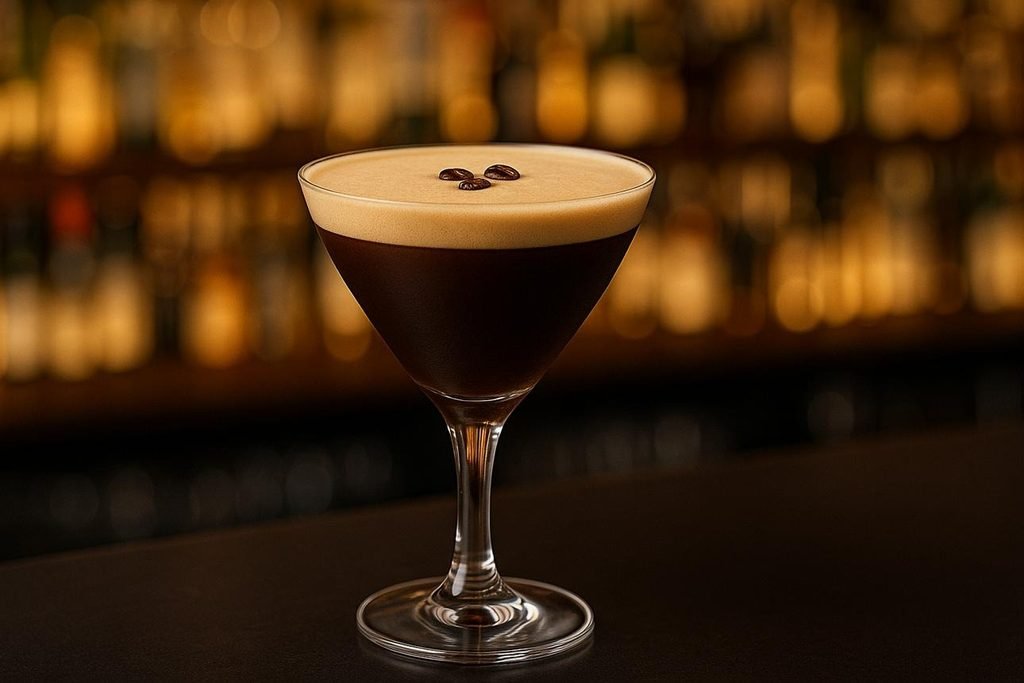
An extra-dry espresso martini is ideal if you enjoy black coffee and want very little sweetness in your cocktail.
Ingredients:
- 1 oz (30 ml) freshly brewed espresso
- 1½ oz (45 ml) vodka
- ¼ oz (7.5 ml) coffee liqueur
- Ice
Shake all the ingredients with ice for approximately 15–20 seconds, then strain into a chilled glass.
The reduced amount of coffee liqueur gives the espresso more room to shine. Expect a drier finish, a stronger perception of roasted coffee, and a slightly more pronounced alcoholic character.
If you find the result too sharp, increase the coffee liqueur to ½ oz rather than adding simple syrup immediately.
Sugar-Free-Style Espresso Martini
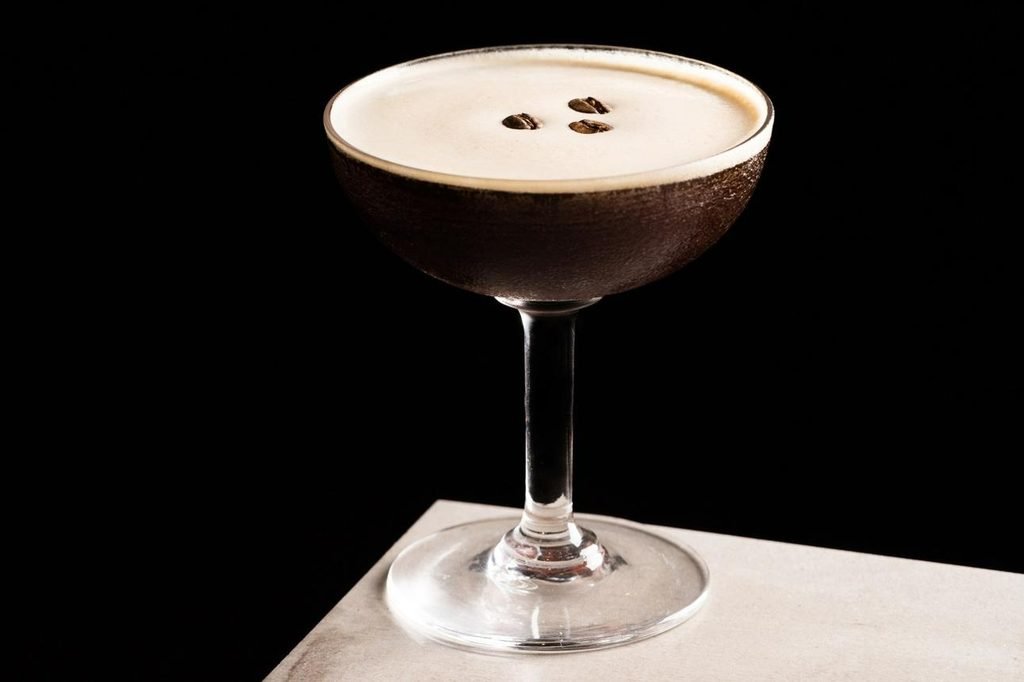
If you’re trying to minimize sugar, the simplest approach is to leave out both simple syrup and sweetened coffee liqueur.
Ingredients:
- 1 oz (30 ml) espresso
- 1½ oz (45 ml) unflavored vodka
- Ice
Shake vigorously with ice and strain into a chilled cocktail glass.
This version has a much simpler flavor profile than a traditional espresso martini. The coffee may taste more bitter, and the vodka may be more noticeable because there is no liqueur to add sweetness and complexity.
The term sugar-free-style is intentional here. If you need a strictly sugar-free drink for dietary or medical reasons, check the labels of every ingredient and any optional additions. A homemade cocktail without syrup or liqueur will generally contain very little sugar, but ingredients and serving sizes still matter.
Strong Coffee Espresso Martini
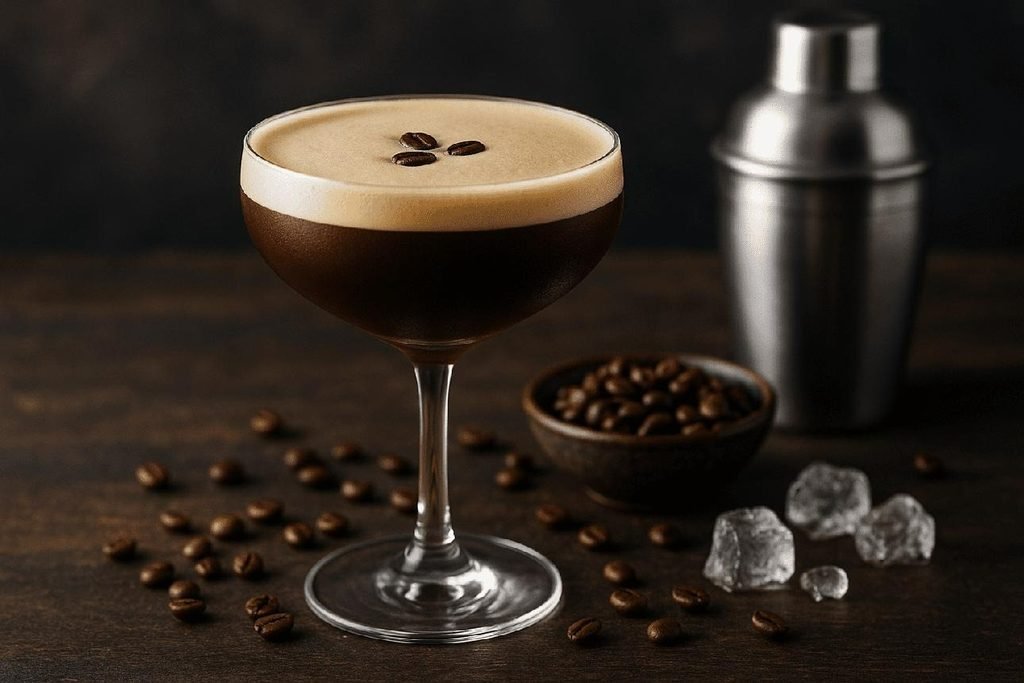
This variation is for people who want a more pronounced espresso flavor without turning the cocktail into a sweeter drink.
Ingredients:
- 1¼ oz (37 ml) espresso
- 1¼ oz (37 ml) vodka
- ¼ oz (7.5 ml) coffee liqueur
- Ice
Combine the ingredients in a shaker, add ice, and shake thoroughly before straining into a chilled glass.
Using slightly more espresso and less vodka shifts the flavor toward coffee. Keep in mind that increasing the espresso also changes the liquid balance, so the result may taste different from a conventional espresso martini.
For the best flavor, use a concentrated shot rather than adding a large quantity of diluted brewed coffee.
Decaf Espresso Martini
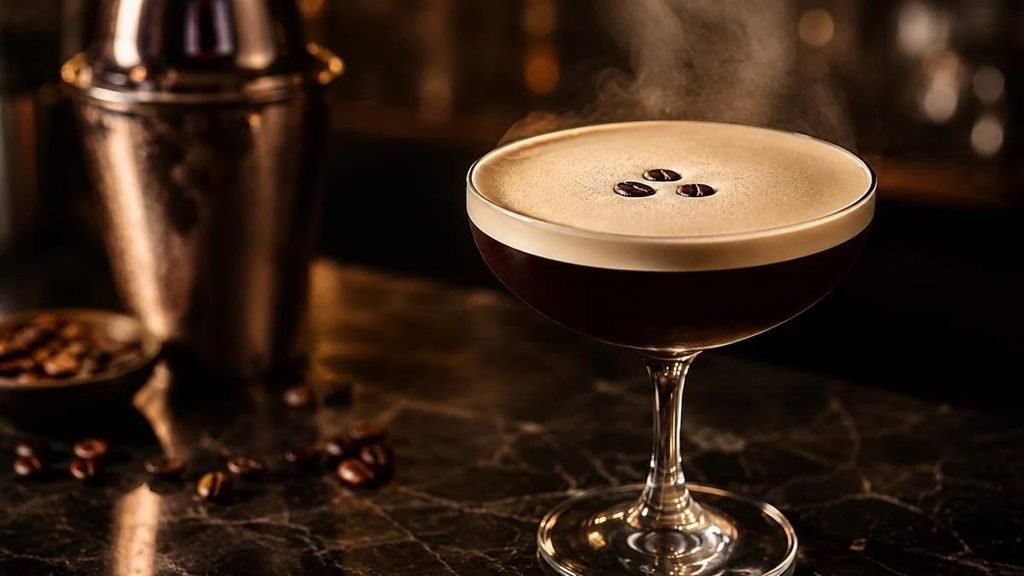
A decaf espresso martini offers the familiar roasted-coffee flavor without the caffeine load of regular espresso.
Ingredients:
- 1 oz (30 ml) freshly brewed decaf espresso
- 1½ oz (45 ml) vodka
- ½ oz (15 ml) coffee liqueur
- Ice
Prepare the drink using the same shaking and straining technique as the original recipe.
Choose a good-quality decaf coffee with chocolate, nutty, or roasted notes. Some decaf espresso tastes just as rich as regular espresso, although flavor and foam development depend on the beans and preparation method.
Remember: Decaf espresso isn’t necessarily caffeine-free. The finished cocktail may still contain small amounts of caffeine, and the total depends on the coffee and serving size.
Dark Roast Espresso Martini
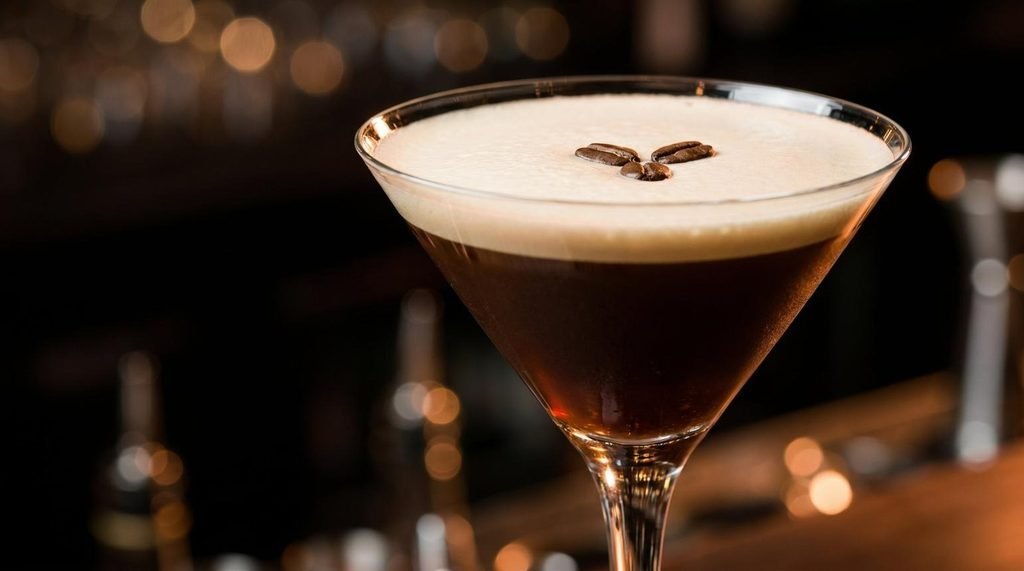
A dark roast variation emphasizes bittersweet, smoky, and chocolate-like coffee flavors. It works especially well if you prefer a cocktail that tastes more like strong espresso than sweet coffee liqueur.
Ingredients:
- 1 oz (30 ml) dark roast espresso
- 1½ oz (45 ml) vodka
- ¼–½ oz (7.5–15 ml) coffee liqueur
- Ice
Brew the espresso and taste it before mixing. If it has a pleasant bittersweet flavor, proceed with the recipe. If it tastes burnt or ashy, switch to a more balanced roast rather than trying to correct the flavor with additional ingredients.
Use the smaller amount of coffee liqueur for a drier finish and the larger amount if you want a little more balance.
Which Variation Should You Try First?
| Variation | Sweetness | Coffee intensity | Best for |
| Extra-dry | Very low to low | High | Fans of black coffee |
| Sugar-free-style | Very low | High | People minimizing sugar |
| Strong coffee | Low | Very high | Espresso enthusiasts |
| Decaf | Depends on the liqueur | Moderate to high | People limiting caffeine |
| Dark roast | Low to moderate | Bold and roasted | Fans of bittersweet coffee |
Start with the extra-dry variation if your main concern is sweetness. You can then experiment with decaf beans or different roast levels without changing the basic preparation technique.
What to Serve With a Non-Sweet Espresso Martini
A non-sweet espresso martini pairs well with foods that complement roasted coffee rather than compete with it. Since the cocktail already has a strong coffee aroma and a bittersweet finish, you don’t need an elaborate dessert spread.
The best pairings provide a little contrast in texture, richness, or flavor while allowing the espresso to remain the star.
Dark Chocolate
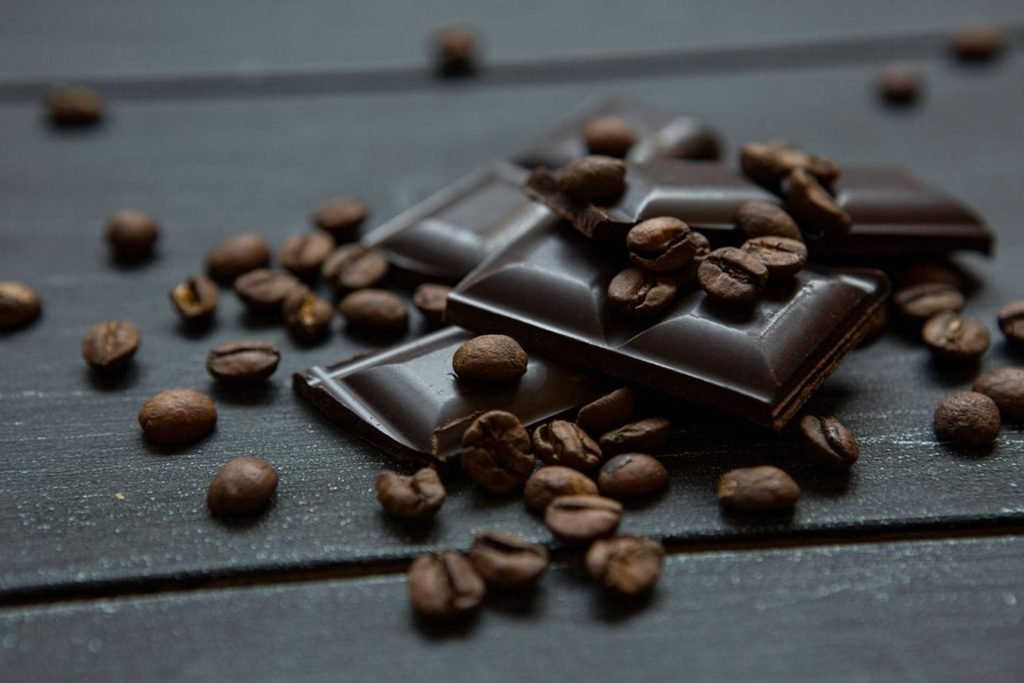
Dark chocolate is one of the easiest pairings for a coffee-forward cocktail. Its cocoa bitterness complements roasted espresso, while its rich texture makes each sip feel more rounded.
Try chocolate with a high cocoa percentage if you prefer a less-sweet experience. Milk chocolate is also an option, but its extra sweetness may make the contrast less pronounced.
Roasted Almonds and Other Nuts
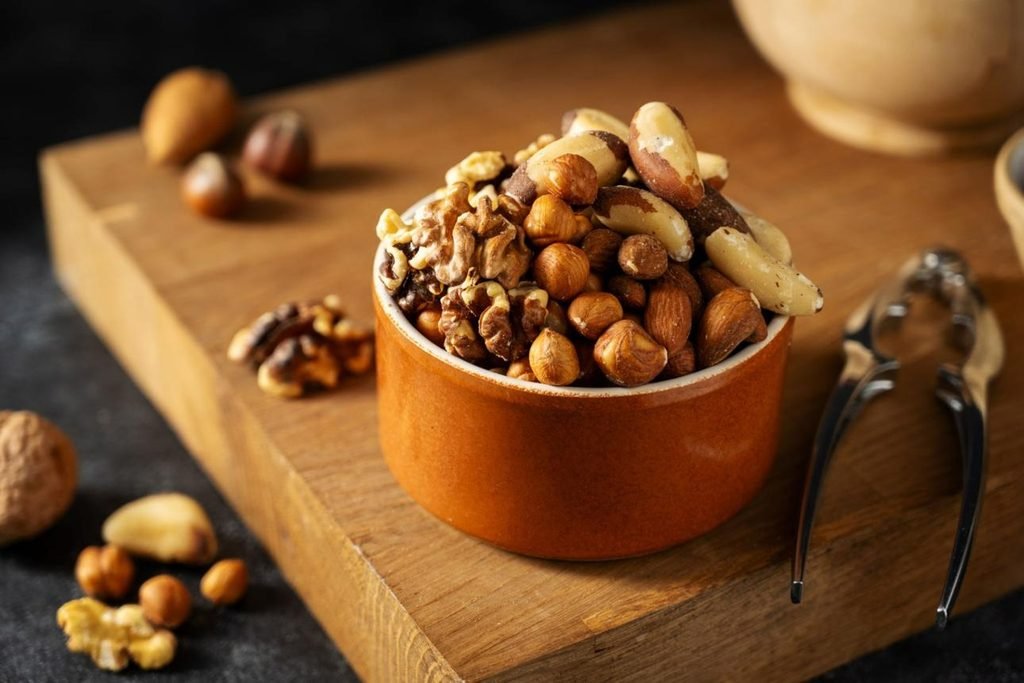
Roasted almonds, hazelnuts, and walnuts bring out the toasted and nutty notes found in many espresso blends.
Lightly salted nuts can provide an especially pleasant contrast to the cocktail’s roasted flavor. Avoid heavily seasoned varieties if you want the coffee’s aroma to remain prominent.
Plain Biscotti
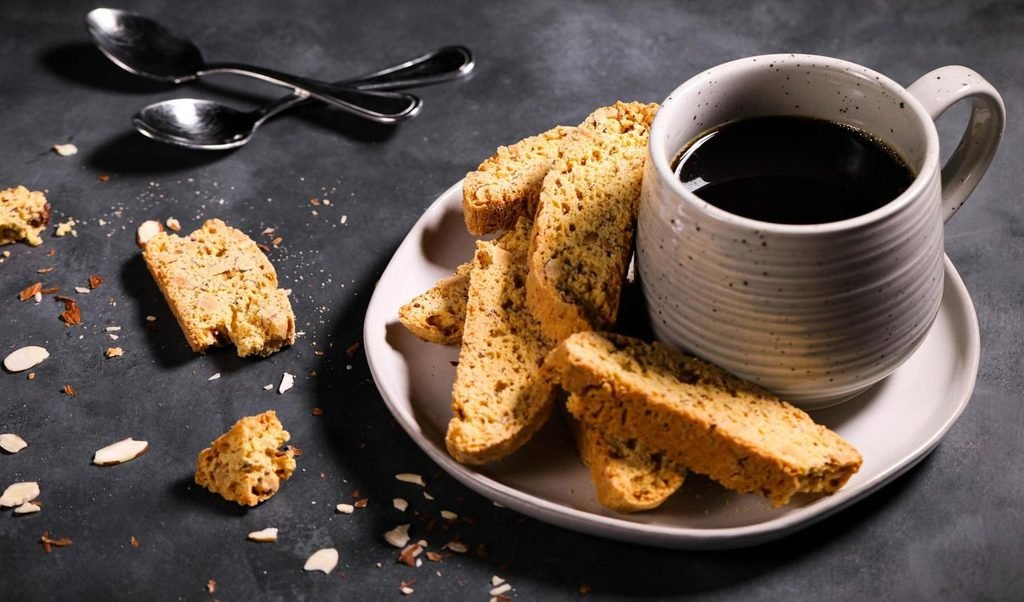
Biscotti provides a crisp texture that contrasts nicely with the cocktail’s smooth liquid and foam. Plain almond or lightly sweetened varieties are particularly suitable because they don’t overpower the coffee.
You can also serve a small piece of shortbread, although heavily glazed or frosted biscuits may make the overall pairing feel sweeter than intended.
Coffee-Flavored Desserts
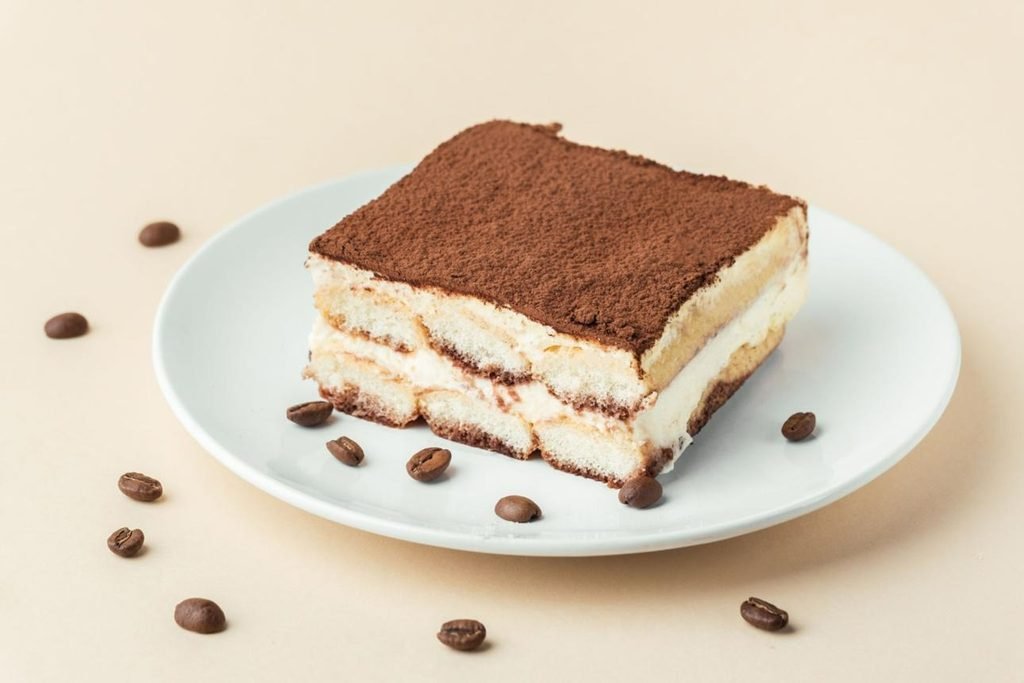
If you’re serving the cocktail after dinner, coffee-flavored desserts can reinforce its espresso character.
Consider a small portion of tiramisu, a dark chocolate brownie, or a lightly sweetened coffee dessert. Since the cocktail itself is less sweet, you can decide whether you want the accompanying food to remain restrained or provide a more indulgent contrast.
Pairing Tips for the Best Experience
- Choose one or two small snacks rather than several rich desserts.
- Use dark chocolate or roasted nuts when you want to emphasize the cocktail’s bittersweet profile.
- Avoid very sugary foods if you want to keep your palate focused on the espresso.
- Serve the cocktail freshly shaken so the foam and aroma remain appealing.
- If serving after dinner, prepare the snacks in advance so you can focus on making the drink just before serving.
The simplest pairing is often the best. A few roasted almonds and a square of dark chocolate are enough to turn a homemade espresso martini into a thoughtful after-dinner treat.
Frequently Asked Questions About Non-Sweet Espresso Martinis
Is an espresso martini supposed to be sweet?
An espresso martini is often moderately sweet because traditional recipes use coffee liqueur and sometimes simple syrup. However, sweetness isn’t essential to the drink. You can reduce or omit the syrup and adjust the liqueur to create a drier cocktail with a more pronounced coffee flavor.
How do you order an espresso martini that is not sweet?
Ask the bartender for an espresso martini without simple syrup and with less coffee liqueur. You can say, “Could I have an espresso martini that’s dry and coffee-forward, with no added syrup?” Keep in mind that the coffee liqueur itself may still contain sugar.
Can I make an espresso martini with no added sugar?
Yes. Combine unflavored vodka with unsweetened espresso and omit simple syrup and sweetened coffee liqueur. The result will taste drier and more spirit-forward than a traditional espresso martini. Check all ingredient labels if you need to avoid sugar strictly.
What can I use instead of Kahlúa in an espresso martini?
You can use another coffee liqueur with a sweetness level that suits your taste. Compare ingredient labels and nutrition information rather than assuming one brand is less sweet than another. For a drier alternative, omit the liqueur entirely and make a vodka-and-espresso version.
Why does my non-sweet espresso martini taste bitter?
Excessive bitterness may come from over-extracted espresso, very dark-roasted beans, or an unbalanced ingredient ratio. Try a medium or medium-dark roast, check your espresso extraction, and adjust the coffee liqueur slightly if needed. A less-sweet cocktail can still taste smooth and balanced.
What grind size is best for espresso martinis?
The grind size depends on how you brew the espresso, not on the cocktail itself. Espresso machines generally require a fine grind, adjusted until the shot extracts at a balanced rate. If you’re using a moka pot, choose a finer-than-drip but usually coarser-than-espresso grind suitable for that brewer.
How long should I shake an espresso martini?
Shake the ingredients vigorously with plenty of ice for approximately 15–20 seconds as a starting point. The shaker should become cold, and the mixture should be well chilled. The exact time depends on the ice, shaker, and temperature of the ingredients.
Can I use cold brew instead of espresso?
Yes. Concentrated, unsweetened cold brew can substitute for espresso, especially if you don’t have an espresso machine. It usually produces a different texture and may not create the same foam, so choose a concentrated version rather than diluted ready-to-drink cold brew.
Will an espresso martini still foam without sugar?
Yes. Sugar isn’t required to create espresso martini foam. Fresh espresso and vigorous shaking help incorporate air and produce the characteristic foamy top. The stability and thickness of the foam depend on the coffee, preparation method, and shaking technique.
Can I prepare a non-sweet espresso martini ahead of time?
It’s best to shake an espresso martini just before serving because its foam gradually settles. You can prepare the espresso in advance and refrigerate it in a clean, sealed container, then measure the remaining ingredients when you’re ready to mix. For the best aroma and texture, avoid leaving the finished cocktail sitting for an extended period.
How much caffeine is in a non-sweet espresso martini?
The caffeine content depends mainly on the espresso or coffee concentrate you use. Omitting syrup or reducing coffee liqueur doesn’t necessarily reduce the caffeine in the drink. Decaf espresso can lower the amount considerably, although it may still contain some caffeine.
Can I make a non-sweet espresso martini without a cocktail shaker?
Yes. A sturdy, tightly sealed cocktail container can work if it is designed to withstand shaking safely. Add the ingredients and ice, seal it securely, shake vigorously, and strain into a chilled glass. Avoid using containers that could leak, crack, or open under pressure.
Make Your Own Bold, Coffee-Forward Espresso Martini
A great non-sweet espresso martini doesn’t need extra syrup or a complicated list of ingredients. Fresh espresso, quality vodka, a carefully measured amount of coffee liqueur, and a vigorous shake are enough to create a cocktail with bold coffee flavor and a smooth, foamy finish.
Start with the basic recipe, taste it, and adjust the liqueur to your preference. Try a medium roast for balance, a dark roast for a more intense flavor, or a no-liqueur version if you want something especially dry.
Ready to try it? Brew a fresh shot of espresso, chill your cocktail glass, and make your first non-sweet espresso martini tonight. Once you’ve found your preferred balance of coffee, vodka, and sweetness, save the measurements so you can recreate your perfect version whenever the craving strikes.

Meet Suzee Amelia, the creative voice behind this space—a blog dedicated to exploring coffee culture, lifestyle insights, and everyday inspiration. With a passion for discovering rich flavors and sharing practical tips, Sophie Langford brings a thoughtful and engaging approach to every post.
