
Starbucks Frappuccino bottles are a popular choice for coffee lovers who want a sweet, creamy coffee drink without visiting a café. However, if you’re watching your caffeine intake, you may wonder: how much caffeine is in a Starbucks Frappuccino bottle, and is it enough to keep you awake?
The caffeine content depends on the flavor, bottle size, and product formulation. Although these bottled drinks taste more like a dessert than a traditional cup of coffee, they still contain caffeine from their coffee ingredients.
Understanding the caffeine amount can help you decide whether a bottled Frappuccino is suitable for your morning routine, an afternoon pick-me-up, or an occasional treat. This guide breaks down the caffeine content of popular flavors, explains how bottle size affects your intake, and compares bottled Frappuccinos with regular coffee and other Starbucks drinks.
In This Article
How Much Caffeine Is in a Starbucks Frappuccino Bottle?
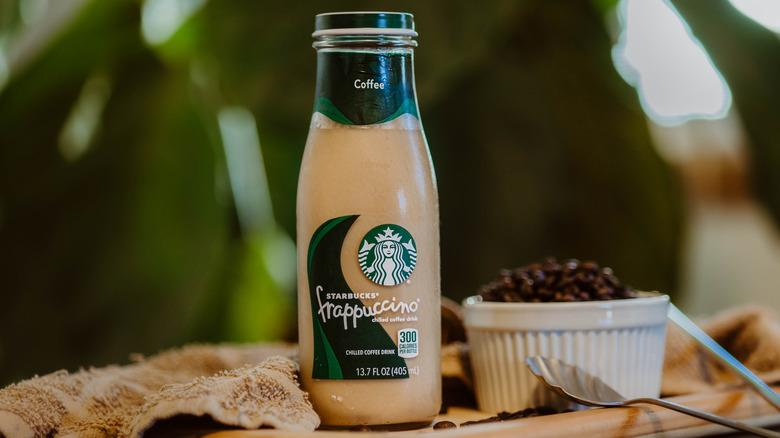
A standard 13.7 fl oz (approximately 405 ml) Starbucks Frappuccino bottle in the United States typically contains around 90 mg of caffeine, although the exact amount can vary depending on the flavor and product formulation.
That amount makes a bottled Frappuccino a moderate-caffeine coffee drink. It generally contains less caffeine than a typical 8 fl oz cup of brewed coffee, but it can still provide a noticeable boost in alertness.
Is 90 mg of Caffeine a Lot?
Whether 90 mg is a lot depends on your usual caffeine consumption and how sensitive you are to it.
For perspective:
- One standard Starbucks Frappuccino bottle: approximately 90 mg.
- One espresso shot: approximately 63 mg.
- One 8 fl oz cup of brewed coffee: approximately 80–100 mg.
- One cup of black tea: approximately 30–50 mg.
These figures are general comparisons rather than exact equivalents. Coffee strength, preparation methods, serving sizes, and product formulations can all affect caffeine content.
The main takeaway: One bottled Starbucks Frappuccino can provide roughly as much caffeine as a small cup of regular coffee, even though its sweet and creamy flavor may make it seem less like a traditional coffee drink.
Why Does Starbucks Frappuccino Contain Caffeine?
The caffeine comes primarily from the coffee used in the drink.
Bottled Frappuccinos combine coffee ingredients with milk, sugar, flavorings, and other ingredients to create their smooth, sweet taste. The milk and sweetness soften the roasted coffee flavor, but they do not remove the caffeine.
Chocolate-based varieties may also contain small amounts of caffeine from cocoa ingredients, depending on their formulation.
One important distinction is that a bottled Starbucks Frappuccino is not the same product as a freshly prepared Starbucks Frappuccino from a café. The ingredients, serving sizes, and caffeine amounts can differ considerably.
Does Every Starbucks Frappuccino Bottle Have the Same Caffeine?
No. Different bottled varieties may have different caffeine amounts, and product recipes can change over time.
The familiar 90 mg figure is a useful reference for a standard US 13.7 fl oz bottle, not a guaranteed amount for every flavor or country.
If you are tracking caffeine carefully, check the packaging for the specific bottle you purchase. This is especially important when buying imported Starbucks drinks because formulations and bottle sizes may differ between markets.
Starbucks Frappuccino Bottle Caffeine Content by Flavor
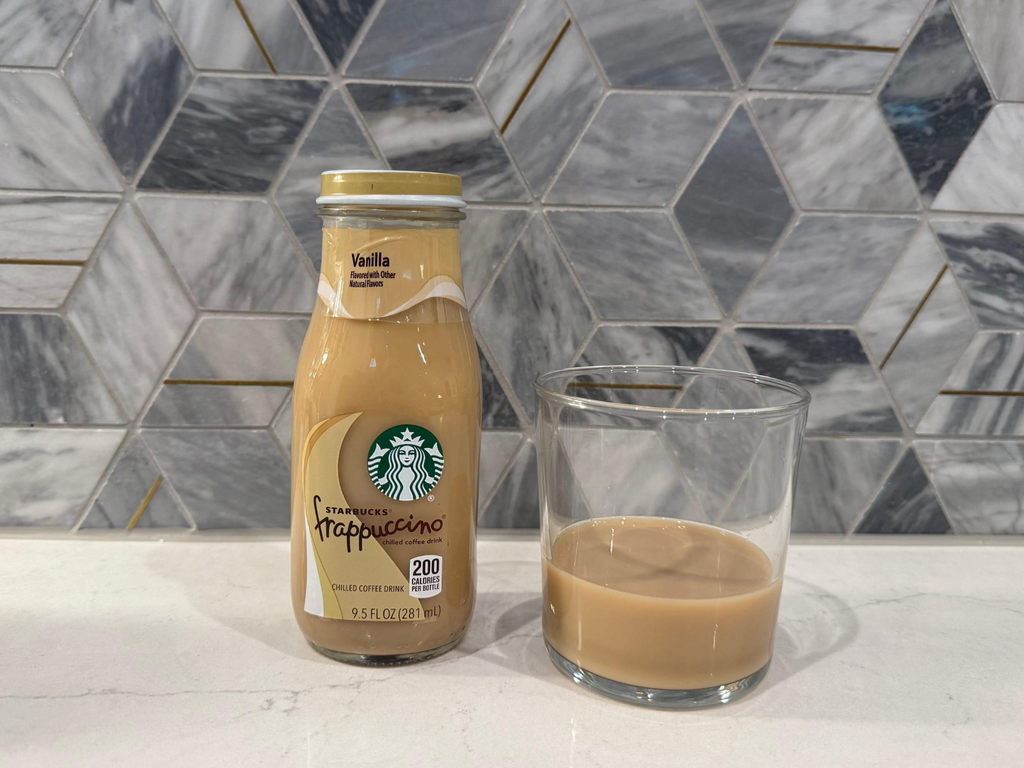
Starbucks offers several bottled Frappuccino flavors, each with its own combination of coffee, milk, sweeteners, and flavoring ingredients.
Although the coffee base provides most of the caffeine, different formulations can produce variations in the final amount.
Popular Bottled Frappuccino Flavors
Here is a quick look at some of the varieties coffee drinkers commonly encounter.
| Frappuccino flavor | Main flavor profile | Caffeine information |
| Coffee | Smooth, milky coffee flavor | Around 90 mg for a standard US bottle |
| Mocha | Coffee with chocolate notes | Check the specific label |
| Vanilla | Sweet, creamy vanilla | Check the specific label |
| Caramel | Sweet caramel with coffee notes | Check the specific label |
The figures should not be treated as verified flavor-by-flavor caffeine measurements. Starbucks does not necessarily publish identical caffeine values for every bottled variety, and availability varies by market.
Does Mocha Frappuccino Have More Caffeine Than Vanilla?
Not necessarily.
Mocha Frappuccino contains chocolate flavoring, while Vanilla Frappuccino emphasizes a sweeter, more delicate vanilla taste. Since cocoa naturally contains some caffeine, the chocolate ingredients may contribute a small additional amount.
However, that does not automatically mean Mocha contains significantly more caffeine than Vanilla. The amount of coffee used in each formulation is also important.
If caffeine content is your priority, compare the nutrition information on the actual bottles rather than choosing based on the flavor.
Which Bottled Frappuccino Has the Strongest Coffee Flavor?
Caffeine content and coffee flavor intensity are two different things.
A drink can taste strongly of coffee without necessarily containing more caffeine. Likewise, a sweet chocolate or caramel drink may contain a similar amount of caffeine while tasting considerably less like traditional coffee.
Here is what you can generally expect from the flavor profiles:
- Coffee: A more straightforward roasted coffee taste with creamy sweetness.
- Mocha: Chocolate-forward flavor that blends with the coffee.
- Vanilla: Smooth, sweet, and mild, with less noticeable roasted coffee character.
- Caramel: Rich sweetness with buttery caramel notes and a coffee background.
If you prefer a more recognizable coffee taste, the original Coffee variety is a sensible starting point. Those who enjoy sweeter drinks may prefer Vanilla, Mocha, or Caramel.
How to Check the Exact Caffeine Content on Your Bottle
The easiest way to avoid guessing is to check the product packaging.
Look for the caffeine declaration, if provided, or consult the manufacturer’s product information for your specific market. Pay attention to the bottle size and serving information as well.
For additional product and ingredient details, you can visit the official Starbucks website.
Does Bottle Size Affect How Much Caffeine You Get?
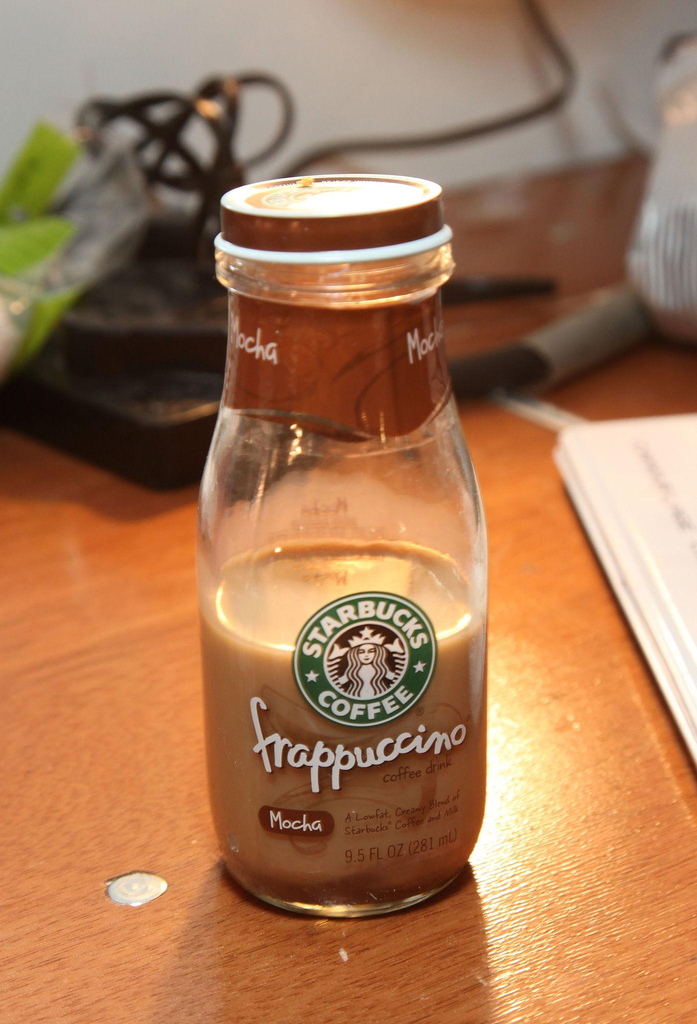
Yes. Bottle size can affect your total caffeine intake, but a larger bottle does not always contain proportionally more caffeine.
The amount depends on the coffee concentration and the recipe used to make the drink. Two bottles with different volumes may have different caffeine concentrations, even when they belong to the same product family.
Understanding Caffeine Per Bottle vs. Per Serving
One detail worth checking is whether the nutrition label lists information per serving or for the entire bottle.
These measurements are not necessarily the same.
For example, imagine a hypothetical bottle containing 90 mg of caffeine with two equal servings:
- Caffeine per bottle: 90 mg
- Caffeine per serving: 45 mg
- Caffeine in half the bottle: 45 mg
- Caffeine in the entire bottle: 90 mg
This distinction matters because some packaged beverages contain multiple servings, even when people commonly drink the entire bottle at once.
Always check whether the caffeine figure refers to the whole bottle or just one serving.
How Much Caffeine Do You Get From Drinking Half a Bottle?
If your bottle contains 90 mg of caffeine, drinking half gives you approximately 45 mg.
The same calculation applies when you drink only part of your Frappuccino.
| Amount consumed | Approximate caffeine |
| ¼ bottle | 22.5 mg |
| ½ bottle | 45 mg |
| ¾ bottle | 67.5 mg |
| Full bottle | 90 mg |
These amounts assume the caffeine is evenly distributed throughout the drink.
Does a Larger Starbucks Frappuccino Bottle Always Mean More Caffeine?
Not always.
A larger bottle may contain more caffeine if the coffee concentration stays similar, but manufacturers can adjust the recipe when producing different sizes.
For example, a smaller bottle could have a relatively concentrated coffee base, while a larger bottle might contain more milk and other ingredients.
This is why comparing caffeine based only on fluid ounces can be misleading.
When choosing between bottle sizes, consider three things:
- Total caffeine: How many milligrams are in the entire container?
- Serving size: How much do you actually plan to drink?
- Coffee concentration: Does the larger bottle contain proportionally more coffee?
Checking these details gives you a much clearer picture of your actual caffeine intake than relying on bottle size alone.
Important caffeine note: Product-specific figures are more useful than a general estimate. For example, the US 13.7 fl oz Coffee Frappuccino bottle lists 110 mg of caffeine, while the Caramel version lists 90 mg. This is why checking the exact flavor matters.
Starbucks Frappuccino Bottle vs. Regular Coffee: Which Has More Caffeine?
A bottled Starbucks Frappuccino contains caffeine, but how does it compare with your regular morning coffee?
The difference may surprise you. Some bottled Frappuccino varieties contain less caffeine than a typical cup of brewed coffee, while others come relatively close.
The comparison also depends on the specific flavor. For example, a 13.7 fl oz Starbucks Coffee Frappuccino contains 110 mg of caffeine, while the same-size Caramel version contains 90 mg according to PepsiCo’s US product information.
Caffeine Comparison: Bottled Frappuccino vs. Other Coffee Drinks
Here is how a standard 13.7 fl oz bottled Frappuccino compares with several popular coffee options.
| Coffee drink | Approximate caffeine |
| Starbucks Coffee Frappuccino bottle (13.7 oz) | 110 mg |
| Starbucks Caramel Frappuccino bottle (13.7 oz) | 90 mg |
| Starbucks café Caramel Frappuccino (Grande, 16 oz) | 90 mg |
| One espresso shot (1 oz) | 63 mg |
| Brewed coffee (8 oz) | 80–100 mg |
| Black tea (8 oz) | 30–50 mg |
Values are approximate and can vary by product, preparation, and market.
One interesting detail is that a bottled Coffee Frappuccino can contain more caffeine than a single espresso shot. However, espresso is much more concentrated, so its coffee flavor is generally stronger.
Bottled Frappuccino vs. Starbucks Café Frappuccino
These two drinks share a name, but they are not identical.
A bottled Frappuccino is a ready-to-drink product that you can purchase from grocery stores, convenience stores, and other retailers. It is designed to be consumed directly from the bottle or poured over ice.
A café Frappuccino is freshly blended with ice, coffee or crème-based ingredients, milk, and other flavorings.
Here are some important differences:
| Feature | Bottled Frappuccino | Café Frappuccino |
| Preparation | Ready to drink | Blended to order |
| Texture | Smooth liquid | Thick and icy |
| Serving size | Commonly 13.7 oz in the US | Varies by size |
| Customization | Limited | Multiple customization options |
| Storage | Packaged beverage | Best consumed fresh |
| Caffeine | Depends on bottled variety | Depends on recipe and size |
A café drink is not automatically stronger than its bottled counterpart. Starbucks café Frappuccinos have their own caffeine values based on the recipe and serving size.
Why Does Regular Coffee Often Have More Caffeine?
Regular brewed coffee is generally made with a relatively concentrated coffee-to-water ratio compared with sweet bottled coffee beverages.
A standard cup of brewed coffee can contain around 80–100 mg of caffeine in just 8 fl oz. Some larger servings contain considerably more.
Bottled Frappuccinos combine coffee with milk, sugar, and flavoring ingredients. Their caffeine concentration per fluid ounce may therefore be lower than that of brewed coffee.
However, drinking an entire 13.7 fl oz bottle can still give you a meaningful caffeine intake.
If you want a stronger caffeine boost, regular brewed coffee may be a better choice. If you prefer a sweet, creamy drink with moderate caffeine, a bottled Frappuccino can be a convenient alternative.
Will a Bottled Starbucks Frappuccino Keep You Awake?
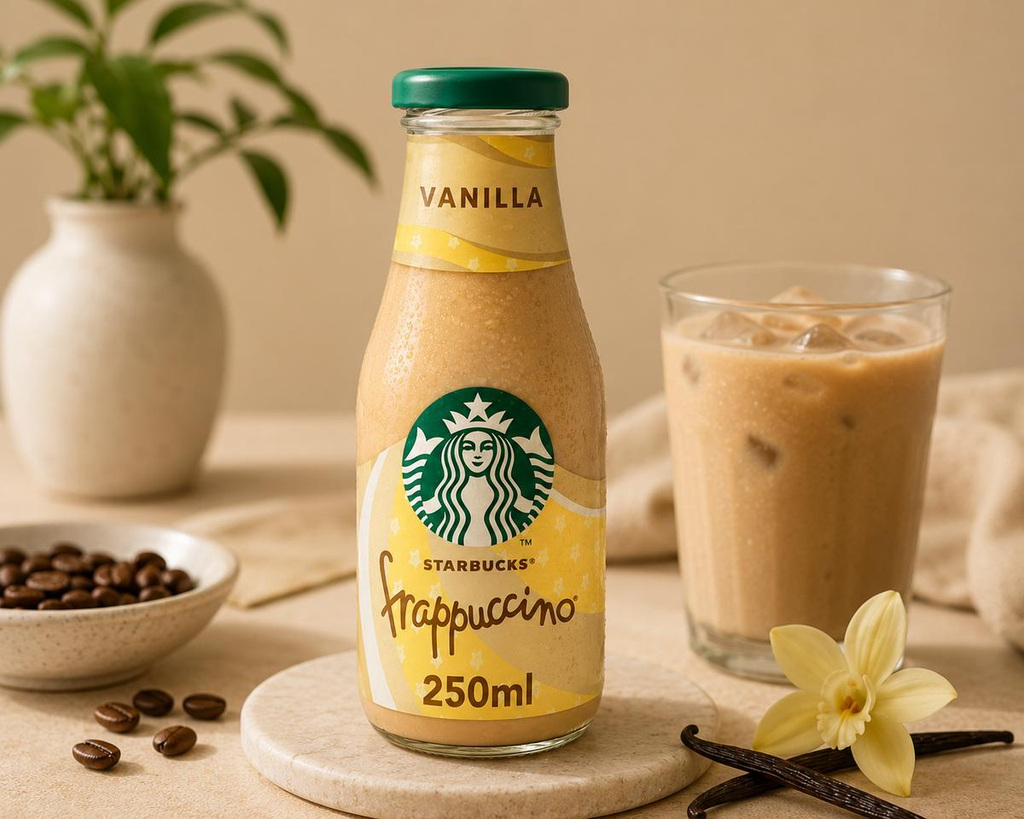
Yes, it can. Even though a bottled Starbucks Frappuccino tastes sweet and creamy, its caffeine can still affect your alertness and sleep.
A typical bottle containing 90–110 mg of caffeine may provide a noticeable energy boost, especially if you do not regularly drink coffee.
However, the effect is different for everyone. Some people feel more awake after drinking a relatively small amount of caffeine, while regular coffee drinkers may barely notice the same dose.
How Caffeine Affects Your Energy and Alertness
Caffeine works by blocking adenosine receptors in the brain. Adenosine is a chemical involved in promoting sleepiness.
When caffeine blocks its effects, you may feel more alert and less tired.
After drinking a bottled Frappuccino, you might notice:
- Improved alertness: You may feel more awake during work or study.
- Better concentration: Caffeine can temporarily help with attention and mental performance.
- Reduced tiredness: It can make you feel less sleepy for a period of time.
- Increased stimulation: Some people experience a faster heartbeat, restlessness, or jitteriness.
The effects do not necessarily appear immediately. Caffeine levels generally rise in the blood during the first hour after consumption, although timing varies between individuals.
Can Drinking a Frappuccino Bottle at Night Affect Sleep?
Yes. Drinking a bottled Frappuccino late in the afternoon or evening may make it harder to fall asleep.
Caffeine does not disappear from your body as soon as you stop feeling its stimulating effects. Its half-life is commonly around four to six hours, although it varies considerably between individuals.
For example, if you consume 100 mg of caffeine, approximately 50 mg may remain in your body after five hours, assuming a five-hour half-life.
This means a Frappuccino consumed at 6 p.m. could still influence your sleep later that night.
If you are sensitive to caffeine, consider these practical habits:
- Drink your Frappuccino in the morning rather than late at night.
- Avoid consuming caffeine close to bedtime.
- Pay attention to how your body responds after drinking coffee.
- Choose a smaller portion if you want to reduce your caffeine intake.
Why Does Caffeine Affect Some People More Than Others?
Not everyone responds to caffeine in the same way.
Several factors can influence how strongly you feel its effects:
Caffeine tolerance: People who regularly drink coffee may develop some tolerance, making the same amount feel less stimulating.
Individual sensitivity: Some people naturally experience stronger effects, even after consuming relatively small amounts.
Body weight and metabolism: These can influence how caffeine is processed and how strongly it affects an individual.
Medications and health conditions: Certain medications and medical conditions can change how your body responds to caffeine.
If you regularly experience sleep problems, anxiety, or an uncomfortable racing heartbeat after drinking coffee, reducing your caffeine intake may help.
Is the Caffeine in a Starbucks Frappuccino Bottle Too Much?
For most healthy adults, one bottled Starbucks Frappuccino is not an unusually high caffeine dose.
A standard bottle containing 90–110 mg of caffeine is below the commonly referenced daily limit of 400 mg for most healthy adults.
However, that does not mean everyone should consume the same amount. Your caffeine tolerance, health, medications, and other daily caffeine sources all matter.
How Much Caffeine Can You Have Per Day?
The US Food and Drug Administration (FDA) states that up to 400 mg of caffeine per day is an amount not generally associated with dangerous negative effects for most healthy adults.
To put that into perspective:
| Daily caffeine intake | Equivalent 90 mg Frappuccino bottles |
| 90 mg | 1 bottle |
| 180 mg | 2 bottles |
| 270 mg | 3 bottles |
| 360 mg | 4 bottles |
| 400 mg | About 4.4 bottles |
These calculations are only comparisons, not recommendations to drink several Frappuccinos daily.
The 400 mg guideline includes caffeine from all sources, not just bottled coffee.
Don’t Forget Other Sources of Caffeine
Your daily caffeine intake can increase quickly when you combine several beverages.
For example, imagine this daily routine:
| Beverage | Approximate caffeine |
| One bottled Coffee Frappuccino | 110 mg |
| One cup of brewed coffee | 95 mg |
| One cup of black tea | 40 mg |
| One can of cola | 35 mg |
| Total | 280 mg |
Even without drinking multiple bottles of Frappuccino, your total caffeine intake can become substantial.
Remember to account for other sources, including:
- Green tea and black tea
- Energy drinks
- Chocolate and cocoa products
- Other bottled coffee beverages
- Certain medications and supplements
Keeping track of these sources makes it easier to avoid consuming more caffeine than you intended.
Is One Starbucks Frappuccino Bottle Safe to Drink Every Day?
For most healthy adults, one bottle containing around 90–110 mg of caffeine can fit within the commonly referenced daily caffeine limit.
Still, caffeine is only one part of the nutritional picture.
Bottled Frappuccinos can also contain considerable added sugar and calories, depending on the flavor. Drinking one regularly may contribute to your overall sugar intake.
A few practical ways to enjoy them more mindfully include:
- Treating bottled Frappuccinos as an occasional sweet coffee drink rather than your only daily coffee choice.
- Checking the sugar and calorie information alongside caffeine content.
- Avoiding additional caffeinated beverages when you have already consumed enough.
- Choosing a smaller serving when you want less caffeine and sugar.
What About Pregnant Individuals and People Sensitive to Caffeine?
People who are pregnant are generally advised to limit caffeine to no more than 200 mg per day, although individual medical advice should take priority.
A 90–110 mg Frappuccino bottle could account for a substantial portion of that daily allowance.
People with caffeine sensitivity, certain medical conditions, or medications that interact with caffeine may also need lower limits.
If you are unsure how much caffeine is appropriate for you, speak with a healthcare professional rather than relying on the general adult recommendation.
Frequently Asked Questions About Starbucks Frappuccino Bottle Caffeine
Does a Starbucks Frappuccino bottle have a lot of caffeine?
Not particularly compared with many regular coffee drinks. A standard 13.7 fl oz Coffee Frappuccino bottle contains approximately 110 mg of caffeine, while the Caramel version contains around 90 mg. These amounts can provide a noticeable energy boost without being exceptionally high for most healthy adults.
Which bottled Starbucks Frappuccino has the most caffeine?
The Coffee variety is among the higher-caffeine options in the standard bottled range. A 13.7 fl oz US Coffee Frappuccino contains approximately 110 mg. However, available flavors and formulations vary, so check the packaging for the exact amount.
Is bottled Starbucks Frappuccino stronger than regular coffee?
Usually not in terms of caffeine concentration. An 8 fl oz cup of brewed coffee can contain approximately 80–100 mg of caffeine, while a 13.7 fl oz bottled Frappuccino contains around 90–110 mg, depending on the variety. The Frappuccino may contain a similar total amount but taste much sweeter and less coffee-forward.
Can I drink a Starbucks Frappuccino bottle every day?
Most healthy adults can include one bottle in their daily caffeine intake, provided their total consumption remains within an appropriate limit. However, consider its sugar and calorie content as well. Drinking it occasionally rather than relying on it as your everyday coffee beverage may be a better choice.
Does Starbucks Frappuccino contain caffeine from chocolate?
Mocha varieties contain chocolate ingredients, which may contribute small amounts of naturally occurring caffeine. However, most of the caffeine in a bottled Frappuccino comes from its coffee ingredients.
How long does caffeine from a bottled Frappuccino stay in your system?
Caffeine can remain in your body for several hours after drinking a Frappuccino. Its average half-life is approximately four to six hours, although individual metabolism varies. Even when you no longer feel energized, some caffeine may still be present in your system.
Is there a decaf Starbucks Frappuccino bottle?
Most traditional bottled Coffee, Mocha, Vanilla, and Caramel Frappuccinos contain caffeine because they use coffee ingredients. Do not assume a particular flavor is caffeine-free. Check the product label if you need to avoid caffeine completely.
Can children drink bottled Starbucks Frappuccino?
Bottled Frappuccinos contain caffeine and added sugar, so they are not ideal everyday beverages for children. Children and teenagers are generally advised to avoid or limit caffeine. Water and other suitable non-caffeinated drinks are better everyday choices.
Does shaking a Starbucks Frappuccino bottle change its caffeine content?
No. Shaking the bottle does not increase or remove caffeine. It simply helps redistribute the ingredients and improve the consistency of the drink.
Is Starbucks Frappuccino caffeine content the same in every country?
No. Product formulations, bottle sizes, and available flavors can differ between countries. A bottle sold in the United States may not have exactly the same caffeine content as a similarly named product sold in another market. Always check the local product label.
Enjoy Your Starbucks Frappuccino While Keeping Track of Caffeine
A bottled Starbucks Frappuccino can be a convenient way to enjoy sweet, creamy coffee without preparing anything yourself. However, its caffeine content is worth understanding, especially if you drink other caffeinated beverages throughout the day.
For a standard 13.7 fl oz US bottle, the Coffee variety contains approximately 110 mg of caffeine, while the Caramel version contains around 90 mg. Other flavors may have different amounts depending on their formulations.
The best approach is to check the caffeine information on your preferred flavor, consider your overall daily intake, and pay attention to how caffeine affects your sleep and energy levels.
If you enjoy bottled coffee, try a few different Frappuccino flavors and compare their caffeine and sugar content. You may find a favorite that delivers the coffee taste you enjoy while fitting comfortably into your daily routine.

Meet Suzee Amelia, the creative voice behind this space—a blog dedicated to exploring coffee culture, lifestyle insights, and everyday inspiration. With a passion for discovering rich flavors and sharing practical tips, Sophie Langford brings a thoughtful and engaging approach to every post.

1 thought on “How Much Caffeine Is in a Starbucks Frappuccino Bottle?”