
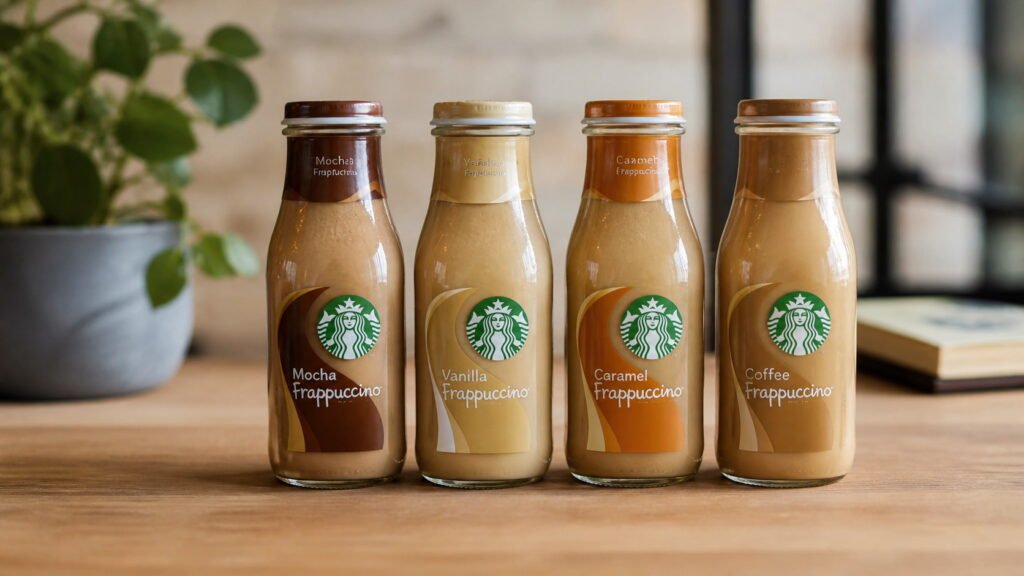
Curious about Starbucks Frappuccino chilled coffee drink caffeine content and whether it actually gives you a boost? You’re not alone. These bottled drinks look like indulgent treats, but many people aren’t sure how much caffeine they really contain—or how they compare to regular coffee.
This guide breaks it all down in a clear, practical way. You’ll learn how much caffeine is in each popular flavor, why the numbers might surprise you, and how these drinks stack up against your usual cup of coffee. If you’re trying to manage your caffeine intake without giving up convenience or flavor, this will help you make smarter choices.
In This Article
What’s Really Inside a Starbucks Frappuccino Chilled Coffee Drink?
Bottled Frappuccinos from Starbucks are very different from the blended drinks you get in-store. Despite sharing the same name, the composition and caffeine levels aren’t identical.
At their core, these ready-to-drink beverages combine:
- Brewed coffee extract (the main caffeine source)
- Milk (or dairy alternatives in some versions)
- Sugar or sweeteners
- Flavorings like mocha, vanilla, or caramel
The biggest factor affecting caffeine content is the coffee extract concentration. Bottled versions are designed for smoothness and drinkability, not intensity. That means the coffee is often diluted compared to a standard brewed cup.
Another important detail is serving size. A small-looking bottle might still contain nearly 10–14 ounces, which influences total caffeine intake more than people expect.
Starbucks Frappuccino Chilled Coffee Drink Caffeine Content (Quick Answer Table)
If you want the fast answer, here’s a practical breakdown of average caffeine content per bottle for popular flavors.
Typical Caffeine Content by Flavor
| Flavor | Bottle Size | Caffeine (Approx.) |
| Coffee (Original) | 9.5 oz | 65 mg |
| Mocha | 9.5 oz | 70 mg |
| Vanilla | 9.5 oz | 65 mg |
| Caramel | 9.5 oz | 60 mg |
| Coffee (Original) | 13.7 oz | 90–95 mg |
Key takeaway:
Most bottled Starbucks Frappuccino chilled coffee drinks contain between 60–95 mg of caffeine, depending on flavor and size.
That’s noticeably lower than a standard 8 oz cup of brewed coffee, which typically contains 80–100 mg.
Why the Numbers Vary
A few subtle factors explain the differences:
- Chocolate-based flavors (like mocha) often have slightly more caffeine due to cocoa
- Larger bottles increase total caffeine, even if concentration stays similar
- Flavor balance adjustments can reduce or increase coffee extract slightly
Why Starbucks Frappuccino Caffeine Content Is Lower Than You Think
Many people assume these drinks are caffeine-heavy because they taste like coffee. In reality, they’re closer to a dessert beverage with a mild energy boost.
Here’s why the caffeine content is relatively low:
Dilution with Milk and Sweeteners
Milk and sugar don’t just change flavor—they reduce the coffee-to-liquid ratio. Less concentrated coffee means less caffeine per sip.
Focus on Taste Over Strength
Bottled Frappuccinos are crafted to be:
- Smooth
- Sweet
- Easy to drink straight from the bottle
A strong caffeine hit would overpower that profile.
Not Built Like Brewed Coffee
Compare the structure:
- Brewed coffee: high coffee concentration, minimal additives
- Frappuccino bottled drink: balanced mix of coffee, milk, and sugar
That difference alone explains the drop in caffeine intensity.
Bottom line:
Starbucks Frappuccino chilled coffee drinks are designed as a flavorful, convenient treat—not a high-caffeine energy source.
Bottled vs Café Frappuccino: Big Caffeine Differences Explained
The name “Frappuccino” can be misleading because bottled versions and in-store blended drinks are not the same product—especially when it comes to caffeine.
Bottled Frappuccino (Ready-to-Drink)
- Made with coffee extract, not freshly pulled espresso
- Pre-balanced for sweetness and smoothness
- Typically 60–95 mg caffeine per bottle
These are consistent and convenient, but not customizable.
Café Frappuccino (Blended In-Store)
- Made fresh at Starbucks locations
- Uses espresso or Frappuccino roast (a coffee base)
- Can be customized with:
- Extra espresso shots
- Different milk options
- Syrup adjustments
A standard grande Coffee Frappuccino usually lands around 95 mg caffeine, but adding a shot of espresso can push it well above that.
Why the Gap Matters
Customization is the game-changer.
A bottled Frappuccino is fixed, while a café version can go from mild to surprisingly strong depending on how it’s built.
Quick comparison:
| Type | Caffeine Control | Typical Range |
| Bottled Frappuccino | None | 60–95 mg |
| Café Frappuccino | Fully customizable | 75–150+ mg |
Key takeaway:
If you want predictable caffeine, go bottled. If you want control, order in-store and tweak it.
Full Breakdown: Starbucks Frappuccino Chilled Coffee Drink Caffeine Content by Flavor
Not all flavors are equal. Even though differences are subtle, understanding them helps you choose the right drink for your energy needs.
Coffee (Original)
- Caffeine: ~65 mg (9.5 oz) / up to 95 mg (13.7 oz)
- Cleanest coffee flavor
- Slightly higher perceived strength due to less masking sweetness
Mocha
- Caffeine: ~70 mg
- Contains cocoa, which adds a small caffeine boost
- Richer taste can make it feel stronger than it actually is
Vanilla
- Caffeine: ~65 mg
- Smooth and sweet
- Coffee flavor is lighter, so caffeine feels less noticeable
Caramel
- Caffeine: ~60 mg
- Slightly lower caffeine on average
- Heavily flavor-forward, which masks coffee intensity
Are There High-Caffeine Options?
Not dramatically. Most bottled Frappuccinos stay within a tight caffeine range. Differences come down to:
- Bottle size
- Minor recipe tweaks
- Flavor ingredients (like chocolate)
Key takeaway:
Mocha and larger bottles tend to have the highest caffeine, but no bottled Frappuccino is truly “high caffeine.”
How Much Caffeine Is Safe? Putting Starbucks Frappuccino Into Perspective
Understanding Starbucks Frappuccino chilled coffee drink caffeine content only matters if you know how it fits into your daily intake.
General Caffeine Guidelines
Health experts typically suggest:
- Up to 400 mg per day for most healthy adults
- Lower limits for:
- Teenagers
- Pregnant individuals
- People sensitive to caffeine
Where One Bottle Fits In
A single bottled Frappuccino:
- Provides ~15–25% of your daily caffeine limit
- Delivers a mild boost rather than a strong jolt
That makes it a reasonable option if you:
- Already drink coffee earlier in the day
- Want something lighter in the afternoon
- Prefer controlled caffeine intake
When You Should Be Careful
Even though caffeine is moderate, watch out for:
- Multiple bottles in one day
- Pairing with strong coffee or energy drinks
- Hidden caffeine from chocolate-based foods
Practical tip:
Treat bottled Frappuccino as a “light caffeine drink” rather than your main energy source.
Starbucks Frappuccino vs Other Iced Coffee Drinks (Caffeine Comparison)
If you’re choosing a drink based on energy, Starbucks Frappuccino chilled coffee drink caffeine content sits on the lower end compared to most iced coffee options.
How It Stacks Up Per Serving
| Drink Type | Typical Size | Caffeine (Approx.) |
| Bottled Frappuccino | 9.5–13.7 oz | 60–95 mg |
| Iced Coffee | 12 oz | 120–160 mg |
| Iced Latte | 12 oz | 75–150 mg |
| Cold Brew | 12 oz | 150–200 mg |
What This Means in Real Life
- Cold brew dominates in caffeine density thanks to long steeping time
- Iced coffee delivers a strong, clean boost with minimal dilution
- Iced lattes vary widely depending on espresso shots
- Frappuccino is the mildest option, leaning more toward flavor than function
When Frappuccino Makes Sense
Despite lower caffeine, it still has its place:
- You want a gentle energy lift, not a spike
- You prefer a dessert-like coffee experience
- You’re trying to limit caffeine without going decaf
Key takeaway:
Frappuccino is about enjoyment first, caffeine second. If energy is your priority, other iced coffee drinks will outperform it.
Does Flavor Affect Caffeine? The Truth Behind Sweet Coffee Drinks
It’s easy to assume that sweeter drinks automatically contain less caffeine. The reality is more nuanced.
The Common Myth
Many people believe:
“Sweeter = less coffee = less caffeine”
That’s only partially true.
What Actually Impacts Caffeine
- Coffee extract amount – the primary driver
- Serving size – bigger bottle = more total caffeine
- Added ingredients – chocolate can slightly increase caffeine
Flavor-by-Flavor Reality
- Mocha drinks may contain slightly more caffeine due to cocoa
- Vanilla and caramel mainly change taste, not caffeine significantly
- Sweetness can mask bitterness, making caffeine feel weaker than it is
Why It Feels Different
Your perception of caffeine isn’t just about milligrams. Sweet, creamy drinks:
- Reduce the sharpness of coffee
- Slow down how quickly you drink
- Create a smoother, less intense experience
Key takeaway:
Flavor influences perception more than actual caffeine content.
Best Starbucks Frappuccino Choices If You Want More (or Less) Caffeine
Choosing the right bottled Frappuccino depends on what you want from your drink: a boost, a treat, or something in between.
If You Want More Caffeine
Go for:
- Larger bottle sizes (13.7 oz)
- Mocha flavor (slight edge due to cocoa)
- Coffee (Original) for a more noticeable coffee presence
Pro tip:
Drink it chilled but not ice-cold—slightly warmer temperatures make caffeine feel more pronounced.
If You Want Less Caffeine
Choose:
- Smaller bottles (9.5 oz)
- Caramel or vanilla flavors
- Sip slowly instead of all at once
Balanced Option (Best of Both Worlds)
- Standard 9.5 oz Mocha or Coffee flavor
- Enough caffeine for a mild lift
- Still smooth and satisfying
Smart Selection Strategy
Think in terms of your day:
- Morning → go stronger (larger size or pair with coffee)
- Afternoon → stick with standard bottle
- Evening → consider skipping or switching to decaf options
Key takeaway:
You can fine-tune your caffeine intake with Frappuccino simply by choosing the right size and flavor.
Smart Ways to Adjust Your Caffeine Intake with Frappuccino Drinks
Even though Starbucks Frappuccino chilled coffee drink caffeine content is relatively moderate, it still plays a role in your daily caffeine total. A little planning helps you enjoy it without overdoing it.
Time It Strategically
- Morning: Pair with breakfast for a smoother energy ramp
- Midday: Ideal as a light pick-me-up without disrupting sleep
- Late afternoon/evening: Best to avoid if you’re caffeine-sensitive
Balance It with Other Drinks
If you already had coffee earlier:
- Swap your second cup for a Frappuccino instead of stacking caffeine
- Avoid combining with cold brew or energy drinks on the same day
Watch Sugar + Caffeine Together
Frappuccinos are both caffeinated and sweet. That combination can:
- Lead to short-lived energy spikes
- Cause a noticeable crash later
Practical tip:
Drink it alongside a meal or snack to stabilize energy levels.
Control Intake Without Overthinking
- Stick to one bottle per day if you also drink coffee
- Choose smaller sizes when you just want the flavor
- Space caffeine intake by 4–6 hours for smoother energy
Key takeaway:
Use Frappuccino as a controlled, enjoyable caffeine source—not an all-day energy fix.
Common Mistakes People Make When Estimating Frappuccino Caffeine
Misjudging caffeine intake is more common than you might think, especially with sweet, ready-to-drink beverages.
Assuming All Flavors Are the Same
While differences are small, they’re not identical.
Mocha vs caramel vs coffee can vary enough to matter if you’re tracking intake.
Confusing Bottled with Café Versions
A bottled drink from Starbucks is not equivalent to a blended Frappuccino in-store.
Café drinks can easily contain more caffeine, especially with added espresso shots.
Ignoring Bottle Size
This is one of the biggest mistakes:
- 9.5 oz = moderate caffeine
- 13.7 oz = noticeably higher total intake
Same flavor, different impact.
Overlooking Other Caffeine Sources
Caffeine adds up quickly when combined with:
- Chocolate snacks
- Tea or soda
- Another coffee earlier in the day
Key takeaway:
Small assumptions can lead to big miscalculations—especially when serving size is ignored.
Starbucks Frappuccino Chilled Coffee Drink Caffeine Content: Key Takeaways
If you remember nothing else, these points will keep you on track:
- Most bottled Frappuccinos contain 60–95 mg of caffeine
- They’re less caffeinated than regular coffee or cold brew
- Mocha and larger bottles typically have slightly more caffeine
- Flavor affects taste perception more than actual caffeine levels
- Bottled and café Frappuccinos are completely different in caffeine content
Quick decision guide:
- Want a mild boost? → Any standard 9.5 oz bottle
- Want slightly more energy? → Choose a larger size or mocha
- Watching caffeine closely? → Stick to smaller sizes and avoid stacking drinks
FAQ: Starbucks Frappuccino Caffeine Questions Answered
Does Starbucks bottled Frappuccino have a lot of caffeine?
No, it contains moderate caffeine—usually less than a standard cup of coffee.
Which Frappuccino has the most caffeine?
Mocha and larger bottle sizes tend to have slightly higher caffeine levels, but differences are not dramatic.
Is Frappuccino stronger than iced coffee?
No, iced coffee typically contains significantly more caffeine per serving.
Can you drink Starbucks Frappuccino every day?
Yes, in moderation. One bottle per day generally fits within safe caffeine limits for most adults.
Does chocolate in mocha increase caffeine content?
Yes, slightly. Cocoa adds a small amount of caffeine, but not enough to make a major difference.
How does bottled Frappuccino compare to espresso-based drinks?
Espresso drinks usually contain more concentrated caffeine, especially when multiple shots are added.
For deeper guidance on caffeine intake and health limits, refer to the FDA’s recommendations:
https://www.fda.gov/food/food-additives-petitions/spilling-beans-how-much-caffeine-too-much
If you enjoy the balance of flavor and light caffeine, experiment with different Frappuccino flavors and sizes to match your routine. Finding the right combination can turn it from a simple drink into a reliable part of your daily coffee rhythm.

Meet Suzee Amelia, the creative voice behind this space—a blog dedicated to exploring coffee culture, lifestyle insights, and everyday inspiration. With a passion for discovering rich flavors and sharing practical tips, Sophie Langford brings a thoughtful and engaging approach to every post.
