

Mushroom coffee has become one of the most popular functional beverages, but many first-time drinkers quickly discover that learning how to make mushroom coffee taste good can be a challenge. Depending on the blend, the flavor can be earthy, woody, bitter, or simply unfamiliar compared to a traditional cup of coffee.
The good news is that mushroom coffee doesn’t have to taste unpleasant. With the right brewing methods, flavor pairings, and simple ingredients, you can turn an average cup into a rich, balanced drink you’ll actually look forward to drinking.
This guide covers why mushroom coffee tastes different, which ingredients influence flavor the most, and practical techniques to improve every cup from the very first sip.
In This Article
Why Mushroom Coffee Tastes Different Than Regular Coffee
Many people expect mushroom coffee to taste exactly like regular coffee. That expectation often leads to disappointment because mushroom coffee has its own unique flavor profile.
Traditional coffee derives most of its taste from roasted coffee beans. Mushroom coffee combines coffee with extracts from medicinal mushrooms, creating additional earthy and savory notes that aren’t present in standard brews.
Understanding these flavor differences is the first step toward making mushroom coffee more enjoyable.
The Earthy, Woody, and Slightly Bitter Flavor Profile
Most mushroom coffees have flavor characteristics such as:
- Earthy undertones
- Mild woodiness
- Nutty notes
- Subtle bitterness
- Lower acidity than regular coffee
Many drinkers describe the taste as somewhere between coffee and a mild herbal tea. High-quality blends often maintain a strong coffee character while adding only a gentle earthy finish.
How Different Mushrooms Affect Taste
Not all mushroom coffees taste the same. The type of mushroom extract plays a significant role in the final flavor.
| Mushroom Type | Typical Flavor Impact |
| Lion’s Mane | Mild, slightly sweet, subtle earthiness |
| Chaga | Smooth, earthy, slightly vanilla-like |
| Reishi | Bitter, woody, herbal |
| Cordyceps | Mild, nutty, slightly savory |
Blends containing more reishi tend to taste stronger and more bitter, while lion’s mane and chaga usually create a smoother drinking experience.
Why First-Time Drinkers Often Dislike Mushroom Coffee
Taste expectations play a major role.
Someone who drinks dark roast coffee with flavored creamer may find mushroom coffee surprisingly earthy. Those accustomed to black coffee often adapt much faster because they are already familiar with subtle flavor differences.
Another common issue is using too much powder. Stronger concentrations can exaggerate bitter and earthy notes.
Setting Realistic Flavor Expectations
Mushroom coffee is not designed to taste like fresh mushrooms from the grocery store.
Most quality products taste primarily like coffee, with mushroom notes acting as a background flavor. Expecting a slightly different coffee experience rather than a perfect replica of your favorite roast often leads to greater satisfaction.
Which Mushroom Coffee Ingredients Influence Flavor the Most?
Two mushroom coffee products can taste completely different even when they contain the same mushroom species.
The quality of ingredients, extraction methods, and coffee-to-mushroom ratio all have a major impact on flavor.
Coffee-to-Mushroom Ratio Matters More Than Most People Think
The best-tasting mushroom coffees maintain coffee as the dominant flavor.
A blend containing 90% coffee and 10% mushroom extract typically tastes much closer to regular coffee than one using a 50-50 ratio.
When shopping for mushroom coffee, look for products that clearly state their ingredient proportions. Excessive mushroom content often creates an overly earthy or bitter cup.
Lion’s Mane Creates a Smoother Cup
Lion’s Mane is one of the easiest mushrooms for beginners to enjoy.
Its flavor contribution is relatively mild, making it ideal for people transitioning from regular coffee. Many premium blends use lion’s mane because it enhances functionality without dramatically changing taste.
Chaga Adds Richness Without Excessive Bitterness
Chaga often contributes subtle earthy notes alongside a naturally smooth finish.
Some coffee drinkers notice hints of vanilla-like sweetness, which makes chaga one of the most approachable medicinal mushrooms from a flavor perspective.
Reishi Can Be the Source of Bitterness
Reishi is widely used in functional coffee blends, but it can introduce a stronger herbal bitterness.
Many people who dislike mushroom coffee are actually reacting to reishi-heavy formulas. Adding milk, cinnamon, or vanilla can help balance those bitter notes.
Cordyceps Offers a Mild and Nutty Character
Cordyceps generally has a lighter impact on flavor.
Nutty undertones often pair well with medium-roast coffees and dairy alternatives such as oat milk or almond milk.
Instant Mushroom Coffee vs. Ground Mushroom Coffee
Instant mushroom coffee is convenient but often sacrifices flavor complexity.
Ground mushroom coffee blends brewed using methods such as French press or pour-over usually deliver:
- Better aroma
- Fuller body
- Richer coffee flavor
- Less noticeable mushroom notes
People focused on taste often prefer freshly brewed blends over instant products.
Why Some Brands Taste Much Better Than Others
Higher-quality brands typically use:
- Arabica coffee beans
- Dual-extracted mushroom extracts
- Balanced formulations
- Fresh roasting practices
Lower-quality products sometimes rely on inexpensive coffee or excessive mushroom filler, resulting in a flat and bitter taste.
Research from the National Coffee Association highlights how bean quality, roasting, and freshness significantly affect coffee flavor, which applies equally to mushroom coffee blends.
How to Make Mushroom Coffee Taste Good From the First Cup
Improving mushroom coffee doesn’t require expensive equipment or complicated recipes. Small adjustments during preparation can dramatically improve flavor.
Start With the Right Water Temperature
Water that is too hot often extracts excessive bitterness from both coffee and mushroom compounds.
Aim for:
- 195–205°F (90–96°C) water temperature
- Fresh filtered water whenever possible
- Consistent brewing conditions
Proper temperature creates a smoother, more balanced cup.
Adjust Coffee Strength Before Adding Extras
Many people immediately reach for sweeteners when mushroom coffee tastes unpleasant.
A better approach is adjusting strength first.
If the coffee tastes:
- Too earthy → Use slightly less mushroom coffee powder
- Too weak → Increase coffee concentration
- Too bitter → Reduce brew time or water temperature
Finding the right base flavor makes every add-in work better.
Avoid These Common Preparation Mistakes
Several brewing errors can make mushroom coffee taste significantly worse:
- Using boiling water directly from the kettle
- Over-steeping instant blends
- Using stale coffee products
- Brewing with poor-quality water
- Adding too much mushroom powder
Correcting these mistakes often improves flavor more than adding sweeteners.
Find Your Ideal Flavor Balance
A simple beginner formula that works well for many people is:
- 8–10 ounces hot water
- Recommended serving of mushroom coffee
- Splash of oat milk
- ½ teaspoon maple syrup
- Dash of cinnamon
This combination softens earthy notes while preserving the coffee’s natural character.
A Quick Flavor Improvement Checklist
Before deciding you dislike mushroom coffee, try these adjustments:
✓ Lower brewing temperature slightly
✓ Add a creamy milk alternative
✓ Experiment with cinnamon or vanilla
✓ Use freshly filtered water
✓ Choose a blend with lion’s mane or chaga
✓ Brew a stronger coffee base
Small changes often transform mushroom coffee from merely drinkable into genuinely enjoyable.
The Best Add-Ins to Make Mushroom Coffee Taste Better
If you’re wondering how to make mushroom coffee taste good without changing the product itself, the fastest solution is usually the right add-in. The goal is not to completely hide the coffee, but to soften the earthy notes and create a more familiar flavor profile.
Choose a Milk or Creamer That Adds Body
| Option | Flavor effect | Best for |
| Whole milk | Creamy, rounds out bitterness | Latte-style drinks |
| Oat milk | Natural sweetness, smooth texture | Beginners |
| Almond milk | Nutty notes that complement earthy flavors | Light-bodied drinks |
| Coconut milk | Rich, slightly sweet, tropical finish | Iced mushroom coffee |
Oat milk is often the easiest starting point. Its natural sweetness reduces the need for extra sugar while adding a café-style texture.
Natural Sweeteners That Work Better Than Plain Sugar
Granulated sugar sweetens, but it does little to improve flavor complexity. These options usually blend more naturally with mushroom coffee:
- Maple syrup — caramel-like sweetness that pairs well with medium roasts
- Honey — floral sweetness that can brighten earthy blends
- Date syrup — rich sweetness with minimal added flavor complexity
- Monk fruit or stevia blends — useful when you want sweetness with little or no sugar
Start with ½ teaspoon per 8-ounce cup and adjust gradually. Over-sweetening can make mushroom coffee taste oddly herbal and sugary at the same time.
Vanilla, Cinnamon, and Cocoa: The “Flavor Bridge” Trio
These ingredients work because they connect the coffee notes to the mushroom notes rather than simply masking them.
| Add-in | Typical amount | Flavor benefit |
| Vanilla extract | ¼ tsp | Softens bitterness and adds perceived sweetness |
| Ground cinnamon | ⅛–¼ tsp | Balances earthy flavors with warmth |
| Unsweetened cocoa powder | 1 tsp | Adds chocolate depth and masks woody notes |
Best beginner combo
8 oz mushroom coffee + 2 oz oat milk + ¼ tsp vanilla + a pinch of cinnamon. It adds sweetness, aroma, and creaminess without turning the drink into dessert.
Easy Mushroom Coffee Recipes That Actually Taste Delicious
Once you have a few reliable flavor-building ingredients, you can make mushroom coffee taste good consistently instead of guessing each morning.
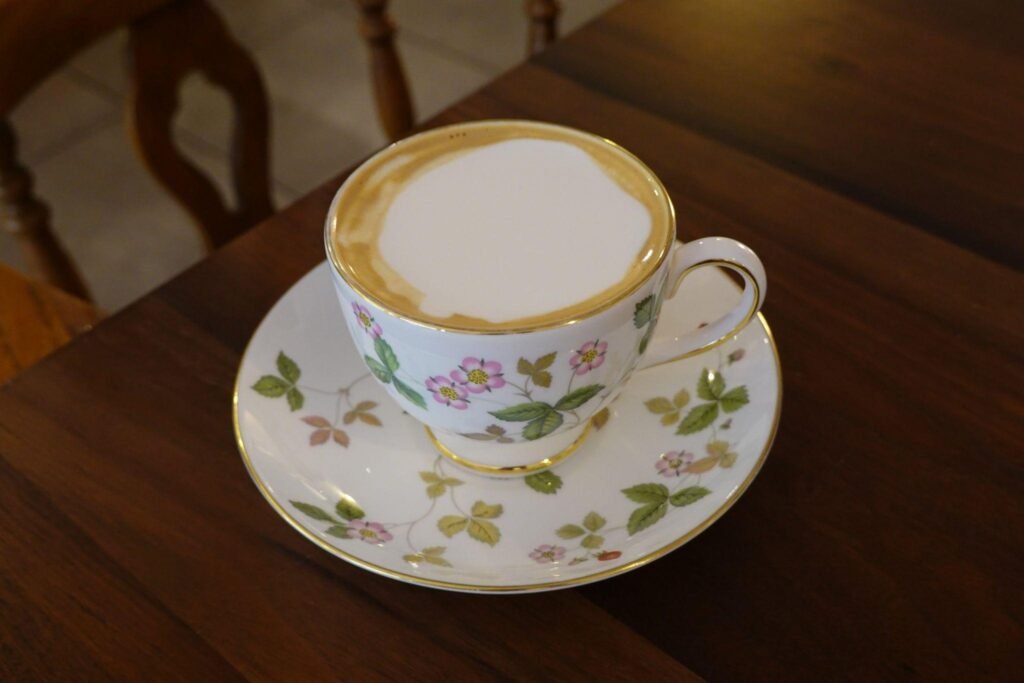
Creamy Vanilla Mushroom Latte
Smooth, lightly sweet, and beginner-friendly.
Ingredients
- 1 serving mushroom coffee
- 6 oz hot water
- 4 oz steamed oat milk or whole milk
- ¼ tsp vanilla extract
- ½ tsp maple syrup (optional)
Instructions
- Brew the mushroom coffee with hot water.
- Steam or heat the milk until hot and frothy.
- Stir vanilla and maple syrup into the coffee.
- Pour in the milk and top with foam.
Why it works: Vanilla adds perceived sweetness while the milk rounds out bitterness.
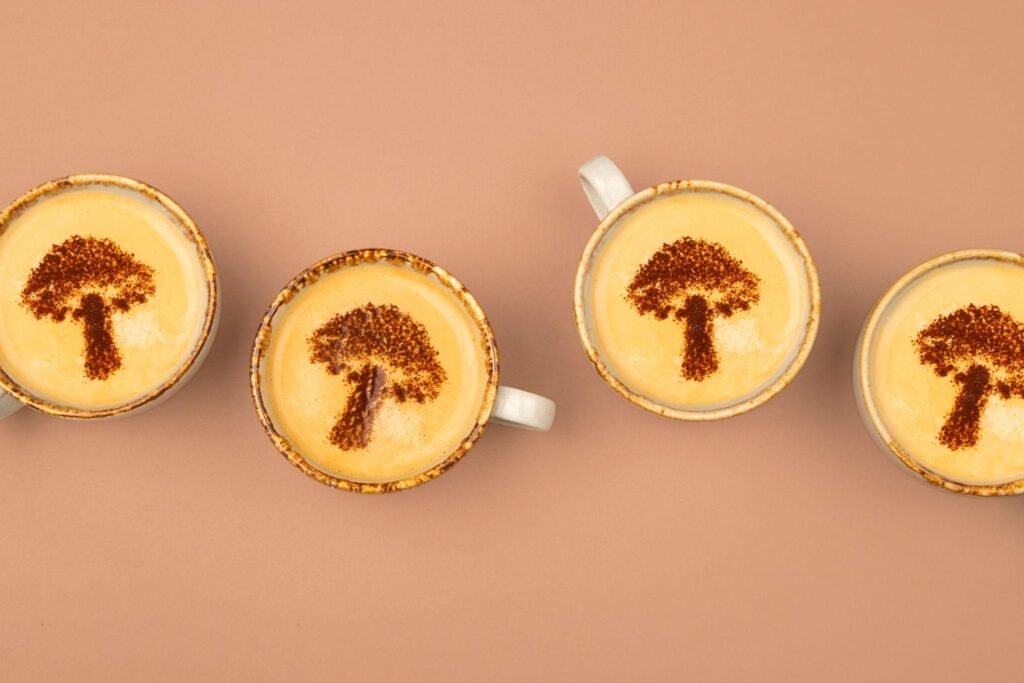
Mocha Mushroom Coffee
Best for people who dislike earthy flavors.
Ingredients
- 1 serving mushroom coffee
- 8 oz hot water
- 1 tsp unsweetened cocoa powder
- 1–2 tsp sweetener of choice
- 2–3 oz milk
Instructions
- Mix cocoa powder with a small amount of hot water to form a smooth paste.
- Add brewed mushroom coffee and stir thoroughly.
- Add sweetener and milk, then serve hot.
Why it works: Chocolate flavors dominate earthy notes and create a familiar mocha profile.
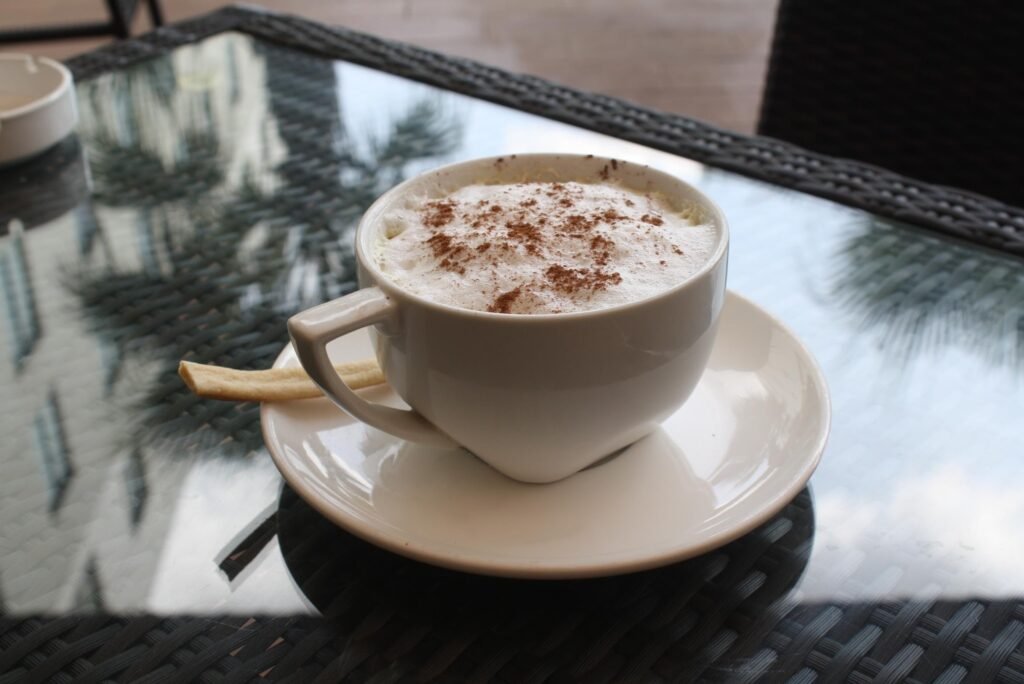
Cinnamon Maple Mushroom Coffee
Warm and balanced for fall-and-winter flavor lovers.
Ingredients
- 1 serving mushroom coffee
- 8 oz hot water
- ½ tsp maple syrup
- ⅛ tsp cinnamon
- 2 oz milk or oat milk
Instructions
- Brew the coffee.
- Stir in maple syrup and cinnamon until dissolved.
- Add milk and serve immediately.
Why it works: Cinnamon adds warmth while maple complements roasted coffee flavors.
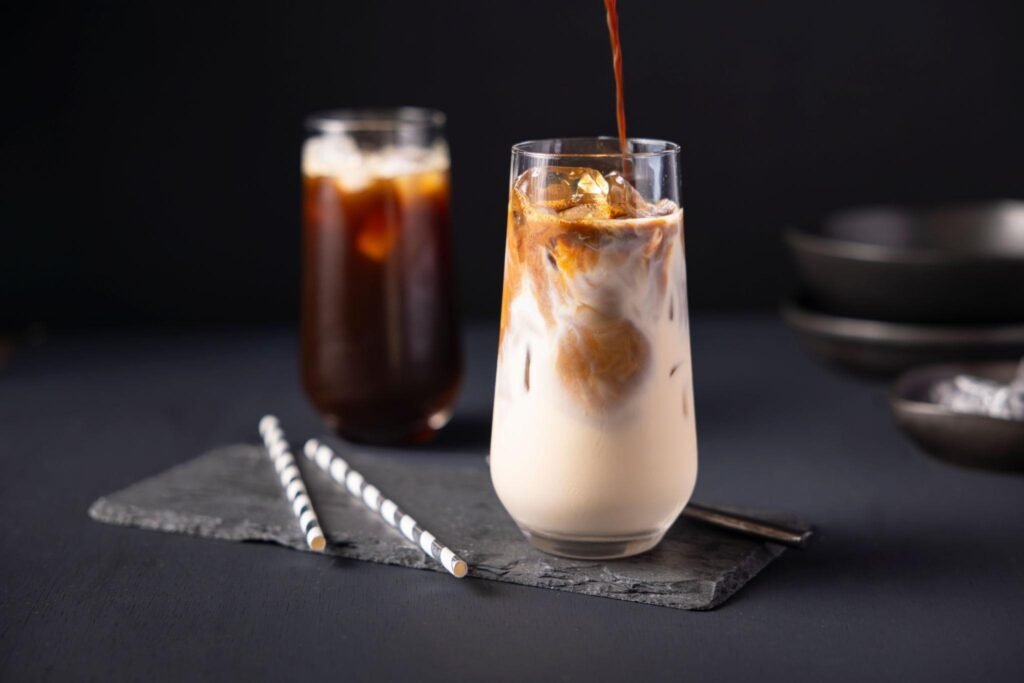
Iced Mushroom Coffee for Hot Days
Cooling often makes earthy flavors seem less intense.
Ingredients
- 1 serving mushroom coffee brewed strong
- ½ cup cold water
- Ice
- 2–4 oz oat milk or coconut milk
- Sweetener to taste
Instructions
- Brew a concentrated cup using half the usual water.
- Cool briefly, then pour over ice.
- Add cold water, milk, and sweetener if desired.
- Stir and serve.
Why it works: Cold temperatures reduce perceived bitterness and herbal intensity.
How to Make Mushroom Coffee Taste Good Without Sugar
Many readers want to improve flavor without adding sugar. Fortunately, sweetness perception can be increased through texture, aroma, and spice rather than calories alone.
Use Naturally Sweet Ingredients First
Try ingredients that contribute sweetness perception even at low amounts:
- Unsweetened oat milk
- Vanilla extract
- Cinnamon
- Nutmeg (tiny pinch)
- Unsweetened cocoa powder with vanilla
Aromatic compounds make the brain perceive a drink as sweeter than it actually is.
Choose a Sweeter Milk Alternative
Plain oat milk often tastes noticeably sweeter than unsweetened almond milk even without added sugar. That natural sweetness can be enough for many people.
Reduce Bitterness Instead of Hiding It
Bitterness is often the real problem. Improve extraction before adding sweeteners.
Try:
- Brewing at 195–200°F (90–93°C) rather than boiling water.
- Using slightly less mushroom coffee powder if the blend tastes overly earthy.
- Shortening brew time for steeped preparations.
- Using filtered water with moderate mineral content.
A Reliable No-Sugar Formula
For an 8-ounce cup:
- 1 serving mushroom coffee
- 8 oz hot water at ~198°F (92°C)
- 3 oz unsweetened oat milk
- ¼ tsp vanilla extract
- Pinch of cinnamon
This recipe often tastes surprisingly smooth without any added sugar because it attacks bitterness, aroma, and texture simultaneously.
Key takeaway
The fastest way to make mushroom coffee taste good is usually better extraction + creamy texture + warm aromatics (vanilla, cinnamon, cocoa) rather than simply adding more sweetener.
Brewing Methods That Improve Mushroom Coffee Flavor
Many people focus on sweeteners and creamers when trying to improve mushroom coffee, but the brewing method itself can dramatically affect taste. A better extraction often means less bitterness, more coffee flavor, and a smoother overall experience.
French Press: Rich Body and Balanced Flavor
A French press is one of the easiest ways to make mushroom coffee taste better because it preserves natural oils and creates a fuller-bodied cup.
Recommended setup:
- Medium-coarse grind
- 1 tablespoon mushroom coffee blend per 6 ounces of water
- Water temperature: 195–205°F (90–96°C)
- Brew time: 4 minutes
Flavor profile:
- Fuller body
- Rich mouthfeel
- Less sharp acidity
- Earthy notes feel smoother
A French press works especially well with mushroom coffees containing lion’s mane or chaga because their subtle flavors integrate naturally into the brew.
Pour-Over Brewing for Cleaner Tasting Coffee
Pour-over methods highlight the coffee itself while reducing some of the heavier mushroom notes.
Popular options include:
- Hario V60
- Chemex
- Kalita Wave
Best practices:
- Medium grind
- Slow, controlled pouring
- Filtered water
- Total brew time of 2.5–4 minutes
The paper filter removes some oils, producing a cleaner cup that allows sweetness and nuanced coffee flavors to shine.
Espresso-Based Mushroom Drinks
High-quality mushroom coffee blends can be used in espresso machines if they contain finely ground coffee.
Espresso creates a concentrated base that pairs exceptionally well with:
- Steamed milk
- Oat milk
- Vanilla syrup
- Cocoa powder
Because milk naturally balances bitterness, espresso-based mushroom lattes are often the easiest style for beginners to enjoy.
Instant Mushroom Coffee Preparation Tips
Instant mushroom coffee is convenient, but preparation mistakes often lead to disappointing flavor.
Avoid these common errors:
- Using boiling water
- Adding too much powder
- Skipping thorough mixing
- Letting the coffee sit too long before drinking
For best results:
- Heat water to approximately 200°F (93°C).
- Mix thoroughly until dissolved.
- Add milk or flavorings immediately.
- Drink while fresh.
Why Cold Brew Can Be a Game-Changer
Cold brewing extracts fewer bitter compounds than hot brewing.
Benefits of cold brew mushroom coffee:
- Naturally smoother taste
- Lower perceived bitterness
- Less acidic flavor profile
- Better sweetness perception
Quick Brewing Comparison
| Brewing Method | Body | Bitterness | Ease of Use | Best For |
| French Press | High | Low-Medium | Easy | Rich flavor lovers |
| Pour-Over | Medium | Low | Moderate | Clean taste seekers |
| Espresso | High | Medium | Advanced | Latte fans |
| Instant | Medium | Variable | Very Easy | Convenience |
| Cold Brew | Smooth | Low | Moderate | Sensitive palates |
The Most Beginner-Friendly Method
If your goal is simply learning how to make mushroom coffee taste good, start with either:
- French press + oat milk, or
- Cold brew + vanilla
These combinations consistently produce the smoothest results with the least bitterness.
Flavor Pairings That Complement Mushroom Coffee
One of the easiest ways to enjoy mushroom coffee is pairing it with foods and flavors that naturally complement its earthy character.
Instead of fighting the flavor, lean into ingredients that enhance it.
Breakfast Foods That Bring Out Better Coffee Notes
Certain foods make mushroom coffee taste noticeably smoother.
Excellent breakfast pairings include:
- Oatmeal with cinnamon
- Whole-grain toast with almond butter
- Banana slices with peanut butter
- Greek yogurt with nuts
- Granola bowls
Nutty and lightly sweet foods tend to balance earthy mushroom flavors exceptionally well.
Chocolate and Mushroom Coffee: An Underrated Combination
Chocolate is one of the most effective flavor companions for mushroom coffee.
Why it works:
- Cocoa naturally masks bitterness
- Roasted coffee notes complement chocolate
- Earthy mushroom flavors resemble some dark chocolate tasting notes
Try pairing mushroom coffee with:
- Dark chocolate squares
- Cocoa-based protein bars
- Chocolate-covered almonds
- Mocha mushroom coffee recipes
Even a small amount of cocoa powder can dramatically improve flavor perception.
Nut-Based Flavors Create Natural Harmony
Many mushrooms contain naturally earthy compounds that pair beautifully with nuts.
Popular options include:
- Almond extract
- Hazelnut syrup
- Peanut butter smoothies
- Cashew milk
- Walnut-based snacks
Hazelnut is particularly effective because it adds sweetness while complementing roasted coffee flavors.
Seasonal Flavor Pairings Worth Trying
Different seasons offer opportunities to refresh your mushroom coffee routine.
| Season | Recommended Flavors |
| Spring | Vanilla, honey, almond |
| Summer | Coconut, iced coffee, cocoa |
| Fall | Cinnamon, maple, pumpkin spice |
| Winter | Dark chocolate, nutmeg, caramel |
Seasonal ingredients can make mushroom coffee feel more exciting and less repetitive.
Pairing Mistakes That Can Make Flavor Worse
Not every flavor combination works well.
Some pairings can amplify earthy notes rather than balance them.
Common mistakes include:
- Excessively tart citrus flavors
- Artificial fruit syrups
- Overly floral flavorings
- Strong herbal teas mixed with coffee
When in doubt, stick with creamy, nutty, chocolatey, or warm spice flavors.
Common Reasons Mushroom Coffee Tastes Bad (and How to Fix Them)
Many complaints about mushroom coffee can be traced back to a handful of avoidable mistakes.
Fortunately, most are easy to correct.
Too Much Mushroom Extract
More isn’t always better.
Excessive mushroom powder can create:
- Strong earthiness
- Herbal bitterness
- Muddy flavors
Fix: Use the manufacturer’s recommended serving size and avoid adding extra powder until you’ve adjusted to the taste.
Over-Extraction Creates Harsh Bitterness
Brewing too long or using water that’s too hot extracts more bitter compounds.
Signs of over-extraction:
- Dry mouthfeel
- Lingering bitterness
- Harsh aftertaste
Fix:
- Lower water temperature slightly
- Reduce steeping time
- Use fresher coffee
Poor-Quality Ingredients
Not all mushroom coffees are created equal.
Low-quality products often use:
- Inferior coffee beans
- Excess fillers
- Weak mushroom extracts
- Stale ingredients
Fix: Choose products with transparent sourcing, high-quality Arabica coffee, and clearly identified mushroom species.
Incorrect Water-to-Coffee Ratio
A poor ratio can ruin flavor regardless of ingredient quality.
| Problem | Likely Cause | Solution |
| Too weak | Excess water | Increase coffee concentration |
| Too strong | Too much powder | Reduce dosage |
| Bitter | Over-extraction | Shorten brew time |
| Earthy | High mushroom concentration | Add milk or adjust ratio |
Incompatible Flavor Additions
Some ingredients clash with mushroom coffee rather than improve it.
Common offenders include:
- Strong citrus concentrates
- Artificial fruit creamers
- Excessive sweeteners
- Overpowering herbal additives
Choose flavor additions that complement roasted coffee notes rather than compete with them.
You’re Expecting Regular Coffee
This may be the most common issue of all.
Mushroom coffee is not intended to be identical to traditional coffee.
People who approach it as a unique beverage often enjoy it sooner than those expecting a perfect copy of their favorite roast.
The Simple Fix Most People Overlook
Many drinkers spend money searching for a new brand when a simpler solution exists.
Try this combination first:
- Brew slightly stronger
- Add oat milk
- Add vanilla extract
- Sprinkle cinnamon
This simple adjustment solves the majority of flavor complaints and helps reveal the qualities that make mushroom coffee appealing in the first place.
Choosing a Mushroom Coffee That Naturally Tastes Better
No amount of vanilla, milk, or sweetener can completely fix a poorly formulated mushroom coffee. If you’re consistently struggling with flavor, the product itself may be the problem.
Choosing a better blend often makes the biggest difference when learning how to make mushroom coffee taste good.
Look for High-Quality Coffee Beans
Many mushroom coffee brands focus heavily on mushroom extracts while overlooking the coffee component.
A quality product should ideally use:
- 100% Arabica coffee beans
- Fresh roasting practices
- Transparent sourcing information
- Clearly listed ingredients
Arabica beans generally provide a smoother, sweeter cup with less bitterness than lower-grade alternatives.
Pay Attention to the Mushroom Blend
Not all medicinal mushrooms contribute equally to flavor.
If you’re sensitive to bitterness, look for blends emphasizing:
- Lion’s Mane
- Chaga
- Cordyceps
Reishi-heavy blends may offer desired wellness benefits, but they often produce a more bitter and herbal flavor profile.
Roast Level Matters More Than You Think
The roast level affects how noticeable mushroom flavors become.
| Roast Level | Flavor Characteristics | Best For |
| Light Roast | Bright, acidic, mushroom notes more noticeable | Experienced coffee drinkers |
| Medium Roast | Balanced sweetness and body | Most people |
| Dark Roast | Bold, smoky, mushroom notes less noticeable | Beginners |
For many newcomers, a medium-dark roast provides the best balance between coffee flavor and mushroom functionality.
Dual-Extracted Mushrooms Often Taste Better
Many premium brands use dual-extraction methods that capture both water-soluble and alcohol-soluble compounds from mushrooms.
Besides improving the concentration of beneficial compounds, these extracts often integrate more smoothly into coffee and reduce the “raw mushroom” taste sometimes found in lower-quality powders.
Signs of a Well-Balanced Mushroom Coffee
Before purchasing, look for:
✓ Coffee listed as the primary ingredient
✓ Specific mushroom species identified
✓ No unnecessary fillers
✓ Positive reviews mentioning taste
✓ Clear brewing instructions
A well-balanced blend should taste like coffee first and mushrooms second.
How Long Does It Take to Get Used to Mushroom Coffee?
Many people don’t love mushroom coffee on day one. That doesn’t necessarily mean it’s not for them.
Taste adaptation is normal.
Your Palate Needs Time to Adjust
Coffee drinkers already experience this phenomenon.
Black coffee, espresso, and dark roasts can initially seem bitter to new drinkers, yet many people grow to appreciate them over time.
Mushroom coffee works similarly.
Earthy flavors become more familiar after repeated exposure, often making the drink more enjoyable after a week or two.
Gradually Transition From Regular Coffee
One of the easiest strategies is blending mushroom coffee with traditional coffee.
Try this progression:
| Week | Ratio |
| Week 1 | 75% regular coffee, 25% mushroom coffee |
| Week 2 | 50% regular coffee, 50% mushroom coffee |
| Week 3 | 25% regular coffee, 75% mushroom coffee |
| Week 4 | 100% mushroom coffee |
This gradual approach helps your palate adapt while minimizing flavor shock.
Experiment Until You Find Your Favorite Style
Many mushroom coffee fans eventually discover a preferred preparation method.
Some enjoy:
- Hot vanilla lattes
- Cold brew versions
- Mocha-style recipes
- Unsweetened black mushroom coffee
The ideal preparation often varies from person to person.
Most People Adapt Faster Than They Expect
Once bitterness is controlled and the right flavor pairings are found, mushroom coffee often becomes much more enjoyable.
Many drinkers report that after a few weeks, traditional coffee can even seem overly acidic or harsh by comparison.
FAQ: How to Make Mushroom Coffee Taste Good
Can I add creamer to mushroom coffee?
Absolutely. Creamers are one of the easiest ways to improve flavor. Dairy cream, oat milk creamer, and vanilla-flavored creamers help soften earthy notes and create a smoother texture.
What is the best sweetener for mushroom coffee?
Maple syrup, honey, and monk fruit sweetener are popular choices. Maple syrup is especially effective because its caramel-like flavor complements both coffee and mushroom extracts.
Does mushroom coffee taste like mushrooms?
Most quality mushroom coffees do not taste like culinary mushrooms. Instead, they have mild earthy, nutty, or woody undertones layered beneath the coffee flavor.
Why is my mushroom coffee bitter?
Bitterness is commonly caused by overly hot water, excessive brew time, too much mushroom powder, or a blend that contains a high percentage of reishi mushroom.
Can I make mushroom coffee taste like a latte?
Yes. Steamed milk, oat milk, vanilla extract, and a small amount of sweetener can transform mushroom coffee into a café-style latte that tastes remarkably similar to traditional coffee drinks.
Is iced mushroom coffee better than hot mushroom coffee?
Many people prefer iced mushroom coffee because colder temperatures reduce perceived bitterness and make earthy flavors less noticeable.
What grind size works best for mushroom coffee?
The ideal grind depends on the brewing method. Use a coarse grind for French press, medium grind for drip and pour-over, and fine grind for espresso-based drinks.
How should mushroom coffee be stored for the best flavor?
Store mushroom coffee in an airtight container away from heat, moisture, and direct sunlight. Proper storage preserves freshness and helps prevent stale or flat flavors.
Turn Every Cup Into Something You’ll Actually Enjoy
Learning how to make mushroom coffee taste good doesn’t require complicated recipes or expensive equipment. Small changes—such as using the right brewing temperature, adding creamy milk alternatives, experimenting with vanilla or cinnamon, and choosing a high-quality blend—can completely transform the experience.
Start with one simple adjustment today, whether that’s trying a vanilla oat milk latte, brewing a smoother cold brew version, or switching to a better mushroom coffee blend. Experiment with flavors, keep notes on what you enjoy, and build a recipe that fits your taste preferences.
With a little tweaking, mushroom coffee can become more than a wellness trend—it can become a genuinely delicious part of your daily coffee routine.

Meet Suzee Amelia, the creative voice behind this space—a blog dedicated to exploring coffee culture, lifestyle insights, and everyday inspiration. With a passion for discovering rich flavors and sharing practical tips, Sophie Langford brings a thoughtful and engaging approach to every post.
