

Few things are more disappointing than brewing a pot of coffee that tastes weak, bitter, or flat. Fortunately, learning how to use a Proctor Silex coffee maker correctly can make a huge difference in both flavor and consistency.
Whether you’ve just purchased a new machine or found an older model tucked away in your kitchen, this guide will walk you through everything you need to know. You’ll learn how the machine works, how to set it up properly, and the simple steps that help produce a better-tasting cup every time.
In This Article
Why Learning How to Use a Proctor Silex Coffee Maker Matters
Proctor Silex coffee makers are popular because they’re affordable, straightforward, and easy to maintain. Despite their simplicity, proper usage still plays a major role in the quality of your coffee.
Small details such as water measurements, coffee ratios, filter placement, and cleaning habits can dramatically affect the final taste.
What Makes Proctor Silex Coffee Makers Popular?
Many coffee drinkers choose Proctor Silex machines because they offer:
- Easy one-button operation
- Compact countertop footprint
- Budget-friendly pricing
- Reliable drip brewing performance
- Programmable options on select models
Unlike more complex brewing systems, these coffee makers focus on delivering consistent results without requiring extensive coffee knowledge.
Better Brewing Starts with Proper Technique
A drip coffee maker can only perform as well as the ingredients and methods used with it.
Using too much water, adding the wrong grind size, or neglecting regular cleaning can lead to disappointing coffee regardless of the machine’s quality.
Learning proper brewing habits helps you:
- Improve flavor balance
- Extract coffee more evenly
- Reduce bitterness
- Prevent weak coffee
- Extend the life of your machine
Common Mistakes First-Time Users Make
Many new owners accidentally sabotage their coffee by making avoidable errors.
Common mistakes include:
- Overfilling the water reservoir
- Using stale coffee grounds
- Choosing the wrong filter size
- Removing the carafe before brewing finishes
- Skipping the initial cleaning cycle
Avoiding these simple issues can instantly improve your results.
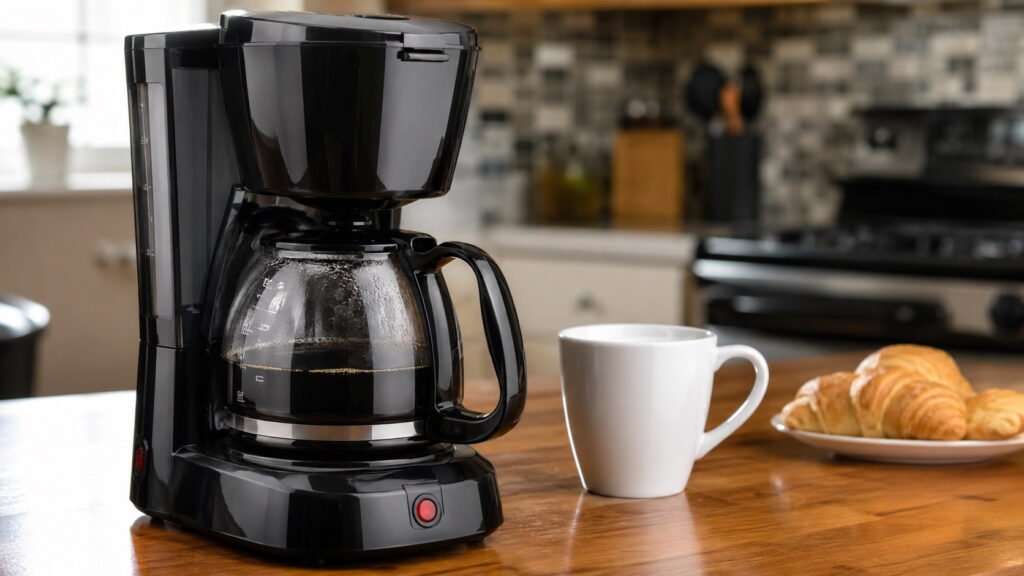
Getting Familiar with Your Proctor Silex Coffee Maker
Before brewing your first pot, take a few minutes to understand the machine’s main components.
Most Proctor Silex models share a similar layout, even though features may vary slightly.
Water Reservoir
The water reservoir holds the water that will be heated and distributed over the coffee grounds.
Most models include measurement markings that indicate the number of cups being brewed.
Tip: Always use fresh, cold water for the cleanest flavor.
Filter Basket
The filter basket sits above the carafe and holds the paper or reusable filter containing your coffee grounds.
This component controls how water passes through the coffee bed during extraction.
Proper filter placement helps prevent overflow and grounds from entering the finished brew.
Carafe
The carafe collects the brewed coffee after it drips through the filter basket.
Glass carafes are common on most Proctor Silex coffee makers and typically include cup measurement markings.
Placing the carafe securely on the warming plate is essential before starting a brew cycle.
Warming Plate
Located beneath the carafe, the warming plate keeps coffee hot after brewing.
While convenient, prolonged heating can gradually affect flavor quality.
Many coffee enthusiasts recommend transferring coffee to an insulated thermal container if it will sit for several hours.
Control Panel or Power Switch
Basic models typically feature a simple on/off switch.
Programmable versions may include:
- Clock settings
- Delay brew functions
- Auto shut-off features
- Brewing indicators
Understanding your controls before brewing prevents confusion later.
Understanding Model Differences
Although operating principles remain similar, features vary across Proctor Silex product lines.
Some models offer:
| Feature | Basic Models | Programmable Models |
| Manual Brewing | Yes | Yes |
| Clock Display | No | Yes |
| Delay Brew | No | Yes |
| Auto Shut-Off | Varies | Usually Included |
| Brew Strength Control | Rare | Limited Availability |
Checking your owner’s manual can help identify model-specific features and settings.
Before Your First Brew: Initial Setup and Cleaning
Many people skip this step and wonder why their first pot tastes unusual.
New coffee makers often contain manufacturing residues, packaging dust, or harmless odors that should be removed before brewing coffee.
Unbox and Inspect the Machine
After removing all packaging materials:
- Check for visible damage
- Confirm all components are included
- Remove protective stickers
- Wash removable parts
Pay special attention to the carafe and filter basket.
Wash Removable Components
Clean the following parts with warm water and mild dish soap:
- Carafe
- Filter basket
- Carafe lid
Rinse thoroughly to eliminate any soap residue that could affect flavor.
Run a Water-Only Brew Cycle
Before making coffee, fill the reservoir with clean water and run a complete brewing cycle without coffee grounds.
This process helps:
- Flush internal components
- Remove manufacturing odors
- Prepare the heating system
- Improve the taste of your first brew
Many coffee equipment manufacturers recommend this simple preparation step.
Consider Water Quality from the Start
Coffee is approximately 98% water, making water quality one of the biggest factors in flavor.
Filtered water often produces cleaner, sweeter-tasting coffee than heavily chlorinated tap water.
For additional guidance on water quality and coffee preparation, the Specialty Coffee Association provides useful brewing resources at: https://sca.coffee
A Quick Pre-Brewing Checklist
Before making your first pot, confirm that:
- The machine is clean
- The carafe is properly seated
- The filter basket is installed correctly
- Fresh water is available
- Quality coffee grounds are ready
Completing these simple setup steps creates a solid foundation for consistently better coffee from your Proctor Silex coffee maker.
How to Use a Proctor Silex Coffee Maker Step by Step
Once your coffee maker is clean and ready, brewing a great pot of coffee becomes a simple process. Following these steps helps ensure proper extraction and consistent flavor.
Fill the Water Reservoir Correctly
Start by adding fresh, cold water to the reservoir.
Use the measurement markings to determine the number of cups you want to brew. Avoid exceeding the maximum fill line, as overfilling can affect brewing performance.
Pro Tip: Filtered water often produces cleaner flavors and reduces mineral buildup inside the machine.
Insert the Coffee Filter
Place a paper coffee filter into the filter basket.
Most Proctor Silex coffee makers use basket-style filters, although some compact models may use cone filters. Verify the correct filter type for your specific model.
Make sure the filter sits flat against the basket walls to prevent collapsing during brewing.
Measure the Right Amount of Ground Coffee
Coffee-to-water ratio has a huge impact on flavor.
A reliable starting point is:
| Cups of Coffee | Ground Coffee |
| 4 cups | 2 tablespoons |
| 6 cups | 3 tablespoons |
| 8 cups | 4 tablespoons |
| 10 cups | 5 tablespoons |
| 12 cups | 6 tablespoons |
Coffee lovers who prefer a stronger brew can increase the amount slightly.
Choose the Best Grind Size
Drip coffee makers perform best with a medium grind.
Ground coffee should resemble coarse sand rather than powder.
Using coffee that is too fine may result in:
- Bitter flavors
- Slow brewing
- Filter overflow
Using coffee that is too coarse can lead to:
- Weak extraction
- Sour flavors
- Thin body
Position the Carafe Properly
Place the empty carafe on the warming plate before turning on the machine.
Most Proctor Silex models include a pause-and-serve feature, but repeatedly removing the carafe during brewing may affect extraction consistency.
Start the Brewing Cycle
Press the power button or activate the brew function.
Hot water will gradually flow through the grounds and drip into the carafe below.
Brewing time varies by model and batch size, but most full pots take between 8 and 12 minutes.
Allow Brewing to Finish Completely
Waiting until the brewing cycle ends produces more balanced coffee.
Coffee extracted early in the cycle tends to be stronger, while coffee brewed near the end is often lighter. Allowing everything to mix inside the carafe creates a more consistent flavor profile.
Quick Brewing Checklist
Before pressing brew, confirm:
- Fresh water is added
- Filter is properly installed
- Grounds are measured accurately
- Carafe is centered on the warming plate
- Lid is securely closed
Following this simple process is the easiest way to master how to use a Proctor Silex coffee maker and consistently brew better coffee.
Coffee-to-Water Ratios for the Best Flavor
Many coffee problems stem from incorrect measurements rather than the coffee maker itself.
Getting the ratio right creates a balanced cup with proper sweetness, body, and aroma.
The Golden Starting Ratio
A widely accepted brewing guideline is:
1 to 2 tablespoons of coffee for every 6 ounces (177 ml) of water.
Most home coffee drinkers find this range provides a balanced flavor.
Strength Adjustments Based on Preference
Different tastes require different ratios.
| Coffee Strength | Coffee Amount |
| Mild | 1 tablespoon per 6 oz water |
| Medium | 1.5 tablespoons per 6 oz water |
| Bold | 2 tablespoons per 6 oz water |
Experiment gradually until you find your preferred strength.
Fresh Coffee Makes a Bigger Difference Than Extra Coffee
Many people try to improve weak coffee by adding more grounds.
A better solution is often fresher coffee.
For optimal flavor:
- Buy whole beans when possible
- Grind shortly before brewing
- Store coffee in an airtight container
- Keep beans away from heat and sunlight
Fresh coffee preserves aromatic oils that contribute sweetness and complexity.
How Water Temperature Affects Flavor
Although Proctor Silex machines automatically heat water, understanding extraction helps explain flavor differences.
Ideal brewing water typically falls between:
195°F and 205°F (90°C–96°C)
Within this range, coffee extracts efficiently without becoming overly bitter.
Common Flavor Problems and Their Causes
| Flavor Issue | Likely Cause |
| Weak coffee | Too little coffee or coarse grind |
| Bitter coffee | Too much coffee or overly fine grind |
| Sour coffee | Under-extraction or stale beans |
| Flat coffee | Old coffee or poor water quality |
| Harsh finish | Excessive warming plate time |
Identifying the cause makes troubleshooting much easier.
Keep a Brewing Log
Coffee enthusiasts often improve their results by tracking:
- Coffee brand
- Roast level
- Coffee amount
- Water amount
- Taste notes
Small adjustments can reveal the ideal recipe for your favorite beans.
How to Program a Proctor Silex Coffee Maker (For Programmable Models)
Many Proctor Silex coffee makers include programmable features that allow coffee to be ready when you wake up.
Setting up the timer only takes a few minutes.
Set the Clock First
Before using any automatic brewing functions, adjust the clock.
Typically, this involves:
- Pressing the clock button.
- Adjusting hours.
- Adjusting minutes.
- Confirming the current time.
Specific button layouts vary by model.
Using the Delay Brew Feature
Delay Brew allows the machine to start automatically at a selected time.
After adding water and coffee grounds:
- Set the desired brewing time.
- Activate the Delay Brew function.
- Verify the indicator light appears.
- Leave the machine plugged in.
Coffee will begin brewing automatically according to your programmed schedule.
Best Practices for Overnight Scheduling
Preparing coffee the night before can save valuable time during busy mornings.
To achieve the best results:
- Use fresh coffee grounds
- Fill the reservoir with clean water
- Ensure the carafe is correctly positioned
- Double-check the clock setting
Many users enjoy waking up to freshly brewed coffee without needing to start the machine manually.
Common Programming Problems
Clock Keeps Resetting
Power interruptions can reset clock settings.
Recheck the clock after outages or if the machine has been unplugged.
Delay Brew Doesn’t Start
Possible causes include:
- Incorrect clock setting
- Delay Brew mode not activated
- Power interruption overnight
- Improper carafe placement
Brew Starts at the Wrong Time
A simple AM/PM mistake is often responsible.
Verify the programmed time carefully before leaving the machine overnight.
Is the Programmable Feature Worth Using?
For busy households, absolutely.
Being greeted by freshly brewed coffee each morning adds convenience while maintaining the simplicity that Proctor Silex coffee makers are known for.
More importantly, once you understand both the brewing process and programmable functions, you can get consistently reliable results with very little daily effort.
Pro Tips to Get Better Coffee from Your Proctor Silex Coffee Maker
Knowing how to use a Proctor Silex coffee maker is only part of the equation. Small improvements in your brewing routine can dramatically elevate flavor, aroma, and consistency.
Use Filtered Water Whenever Possible
Coffee is mostly water, so the quality of your water directly impacts the taste in your cup.
Filtered water helps reduce:
- Chlorine flavors
- Mineral-heavy tastes
- Unwanted odors
Many coffee drinkers notice cleaner, sweeter flavors immediately after switching from untreated tap water.
Buy Fresh Coffee Instead of Larger Quantities
Freshness often matters more than the coffee brand itself.
For the best results:
- Purchase coffee in smaller amounts
- Use beans within 2–4 weeks of roasting
- Avoid stocking up months in advance
Fresh coffee retains aromatic compounds that create richer flavor and a more pleasant aroma.
Grind Right Before Brewing
Whole beans stay fresh significantly longer than pre-ground coffee.
If you own a grinder, grind only the amount needed for each brew.
A medium grind remains the ideal choice for Proctor Silex drip coffee makers because it promotes even extraction without slowing water flow.
Preheat the Carafe for Better Temperature Stability
This simple trick is often overlooked.
Before brewing:
- Fill the carafe with hot tap water.
- Let it sit for one minute.
- Empty it before brewing.
Preheating reduces temperature loss when hot coffee enters the glass carafe.
Remove Coffee from the Warming Plate After 30–40 Minutes
Freshly brewed coffee tastes best shortly after brewing.
Extended exposure to a warming plate can cause:
- Burnt flavors
- Increased bitterness
- Loss of delicate aromas
If you plan to drink coffee over several hours, transfer it to an insulated thermal carafe.
Keep Your Coffee Maker Cleaner Than You Think Necessary
Coffee oils and mineral deposits gradually accumulate inside every drip machine.
Regular cleaning improves:
- Flavor quality
- Brewing speed
- Machine lifespan
Many “coffee taste” problems are actually cleaning issues in disguise.
Experiment with Different Roast Levels
Your Proctor Silex coffee maker can brew a wide range of coffee styles.
Try comparing:
| Roast Level | Flavor Characteristics |
| Light Roast | Bright, fruity, floral |
| Medium Roast | Balanced, sweet, smooth |
| Medium-Dark Roast | Rich, chocolatey |
| Dark Roast | Bold, smoky, intense |
Exploring different roasts helps you discover which flavors work best with your brewing preferences.
Common Problems and Easy Fixes
Even reliable coffee makers occasionally experience issues. Fortunately, most Proctor Silex coffee maker problems have simple solutions.
Coffee Brews Too Slowly
Slow brewing usually indicates restricted water flow.
Possible causes include:
- Mineral buildup
- Clogged internal tubing
- Excessively fine coffee grounds
A thorough descaling cycle often restores normal brewing speed.
Weak or Watery Coffee
Weak coffee typically results from under-extraction.
Common causes include:
- Too little coffee
- Coarse grind size
- Excessive water
Try increasing the coffee dose slightly before making other adjustments.
Coffee Tastes Bitter
Bitterness often signals over-extraction.
Potential reasons include:
- Too much coffee
- Overly fine grounds
- Old coffee left on the warming plate
Reducing coffee dosage or using a slightly coarser grind can help.
Grounds End Up in the Carafe
Finding grounds in your coffee is frustrating but usually easy to fix.
Check for:
- Torn paper filters
- Incorrect filter size
- Overfilled filter basket
- Improper filter placement
Replacing the filter and reducing coffee volume often solves the issue.
Coffee Isn’t Staying Hot
Several factors can contribute to poor heat retention.
Inspect:
- Warming plate function
- Carafe lid seal
- Room temperature conditions
Preheating the carafe before brewing can also help maintain serving temperature.
Coffee Maker Won’t Start
When the machine fails to power on:
- Verify the outlet works
- Check the power cord
- Confirm the carafe is seated properly
- Review programmable settings
Some models include safety features that prevent brewing if components are not correctly positioned.
Water Leaks During Brewing
Leaks generally indicate one of three issues:
- Overfilled reservoir
- Misaligned carafe
- Damaged internal seals
Always check water levels before assuming a mechanical problem exists.
Unusual Noises During Brewing
Some sounds are normal as water heats and moves through the machine.
Unusually loud noises may indicate:
- Heavy mineral buildup
- Air trapped in the system
- Low water levels
Running a cleaning cycle often reduces excessive noise.
Cleaning and Descaling Your Proctor Silex Coffee Maker
Regular maintenance is one of the most important parts of learning how to use a Proctor Silex coffee maker properly.
A clean machine produces better coffee and lasts significantly longer.
Daily Cleaning Routine
After each use:
- Discard used grounds and filters.
- Wash the filter basket.
- Rinse the carafe thoroughly.
- Wipe down exterior surfaces.
These quick tasks prevent coffee oils from accumulating.
Weekly Deep Cleaning
Once per week, clean removable components with warm soapy water.
Pay special attention to:
- Filter basket
- Carafe lid
- Water reservoir opening
Coffee residue often hides in these areas.
How to Descale a Proctor Silex Coffee Maker
Mineral deposits naturally build up inside coffee makers, especially in areas with hard water.
A vinegar descaling cycle is one of the simplest maintenance methods.
Step 1: Prepare the Solution
Mix:
- 1 part white vinegar
- 1 part water
Fill the reservoir with the solution.
Step 2: Run a Brew Cycle
Start a complete brewing cycle.
Allow the solution to pass through the machine just as coffee would.
Step 3: Let It Sit
After brewing, allow the vinegar solution to remain inside the machine for approximately 15–30 minutes.
This helps dissolve stubborn mineral deposits.
Step 4: Flush with Clean Water
Run two or three full cycles using only fresh water.
Continue until no vinegar odor remains.
Signs Your Coffee Maker Needs Descaling
Watch for these warning signs:
- Slow brewing speed
- Lower brewing temperatures
- Reduced coffee volume
- Strange tastes
- Increased brewing noise
Ignoring these symptoms can shorten the life of the machine.
Recommended Cleaning Schedule
| Task | Frequency |
| Rinse carafe | After every use |
| Wash filter basket | After every use |
| Wipe exterior | Weekly |
| Deep clean removable parts | Weekly |
| Descale machine | Every 1–3 months |
Households with hard water may need to descale more frequently.
Why Regular Maintenance Improves Coffee Flavor
Coffee oils become rancid over time, while mineral deposits interfere with proper water flow and heating.
Keeping your Proctor Silex coffee maker clean ensures:
- Better extraction
- Consistent brewing temperatures
- Cleaner flavors
- Longer machine life
A well-maintained coffee maker often produces noticeably better coffee without changing beans, grind size, or brewing ratios.
How Long Does a Proctor Silex Coffee Maker Last?
One of the most common questions buyers ask after learning how to use a Proctor Silex coffee maker is how many years they can expect it to last.
The answer depends largely on usage habits and maintenance.
Typical Lifespan Expectations
Most Proctor Silex coffee makers can last between 3 and 7 years, with many exceeding that range when properly maintained.
Several factors influence longevity:
- Frequency of use
- Water quality
- Cleaning habits
- Build quality of the specific model
- Proper storage and handling
A machine used once daily with regular descaling will generally outlast one that receives little maintenance.
Hard Water Is Often the Biggest Enemy
Mineral buildup gradually affects performance by restricting water flow and reducing heating efficiency.
Homes with hard water tend to experience:
- Slower brew times
- Reduced brewing temperatures
- Increased internal wear
Using filtered water and following a descaling schedule can significantly extend the life of your coffee maker.
Maintenance Habits That Add Years of Service
Simple routines make a noticeable difference over time.
Helpful habits include:
- Cleaning removable parts after every use
- Descaling every one to three months
- Avoiding overfilled reservoirs
- Emptying old coffee promptly
- Storing the machine in a dry environment
These practices reduce strain on internal components and help maintain consistent brewing performance.
Signs It May Be Time for a Replacement
Even well-maintained machines eventually wear out.
Common indicators include:
- Repeated brewing failures
- Inconsistent water heating
- Persistent leaks
- Significant electrical issues
- Severe internal mineral buildup that cleaning cannot resolve
When repair costs approach the price of a new machine, replacement often makes more sense.
Can a Proctor Silex Coffee Maker Last Longer Than Seven Years?
Absolutely.
Many owners report using their coffee makers for a decade or more with proper care.
The key is consistency. Regular cleaning and descaling prevent most of the issues that shorten a machine’s lifespan.
Frequently Asked Questions About Using a Proctor Silex Coffee Maker
How much coffee should I use per cup?
Most coffee drinkers achieve balanced flavor using 1 to 2 tablespoons of ground coffee per 6 ounces of water. Start with 1.5 tablespoons and adjust based on your taste preferences.
Can I use reusable filters in a Proctor Silex coffee maker?
Many models are compatible with reusable basket filters. Check your owner’s manual to confirm sizing and compatibility before purchasing one.
Why does my coffee taste bitter?
Bitterness is often caused by over-extraction. Using too much coffee, grinding too finely, or leaving coffee on the warming plate for extended periods can create a bitter taste.
Why does my coffee taste weak?
Weak coffee usually results from too little coffee, an overly coarse grind, stale beans, or excessive water. Adjusting the coffee-to-water ratio is often the quickest solution.
How often should I clean my Proctor Silex coffee maker?
The filter basket and carafe should be cleaned after every use. Descaling should typically be performed every one to three months depending on water hardness and brewing frequency.
Can I leave the warming plate on all day?
Leaving coffee on the warming plate for several hours is not recommended because it can develop burnt and bitter flavors. Transferring coffee to an insulated thermal carafe is a better option.
What grind size works best in a Proctor Silex coffee maker?
A medium grind is ideal for most Proctor Silex drip coffee makers. It promotes balanced extraction and proper water flow through the filter basket.
Can I brew less than a full pot?
Yes. Proctor Silex coffee makers can brew smaller batches successfully. Simply maintain the correct coffee-to-water ratio when reducing the amount of water.
Does filtered water really improve coffee flavor?
In many cases, yes. Filtered water reduces chlorine and excess minerals that can interfere with coffee’s natural flavors and aromas.
How can I make my coffee taste richer without buying a new coffee maker?
Freshly roasted coffee, proper grind size, filtered water, accurate brewing ratios, and regular machine cleaning can dramatically improve flavor without changing equipment.
Master Your Proctor Silex Coffee Maker and Brew Better Coffee Every Day
Learning how to use a Proctor Silex coffee maker isn’t complicated, but the small details matter. Proper setup, accurate coffee measurements, fresh ingredients, and routine maintenance all contribute to a noticeably better cup.
Many coffee drinkers focus on buying expensive equipment when the biggest improvements often come from refining basic brewing habits. A simple Proctor Silex coffee maker can produce flavorful, satisfying coffee when paired with the right technique.
Start by dialing in your coffee-to-water ratio, experiment with different roast levels, and keep your machine clean. Those small adjustments can transform your daily coffee routine and help you get the most from every brew.
Tomorrow morning, try one of the brewing tips from this guide and see how much better your coffee tastes. Your perfect cup may be only a few small changes away.

Meet Suzee Amelia, the creative voice behind this space—a blog dedicated to exploring coffee culture, lifestyle insights, and everyday inspiration. With a passion for discovering rich flavors and sharing practical tips, Sophie Langford brings a thoughtful and engaging approach to every post.
