

Coffee can seem confusing when you’re just getting started. There are different beans, roast levels, brewing methods, and drinks on almost every café menu. Some coffee tastes smooth and chocolatey, while others are fruity, strong, bitter, or surprisingly sweet. The good news is that you don’t need expensive equipment or a trained barista’s knowledge to enjoy a good cup.
This coffee for beginners guide will help you understand the basics, choose coffee that matches your taste, order confidently at a café, and start making coffee at home. Whether you prefer sweet iced coffee, creamy lattes, or want to learn how to drink black coffee, you can find a starting point that feels easy and enjoyable.
In This Article
Coffee for Beginners: What You Should Know Before Your First Cup
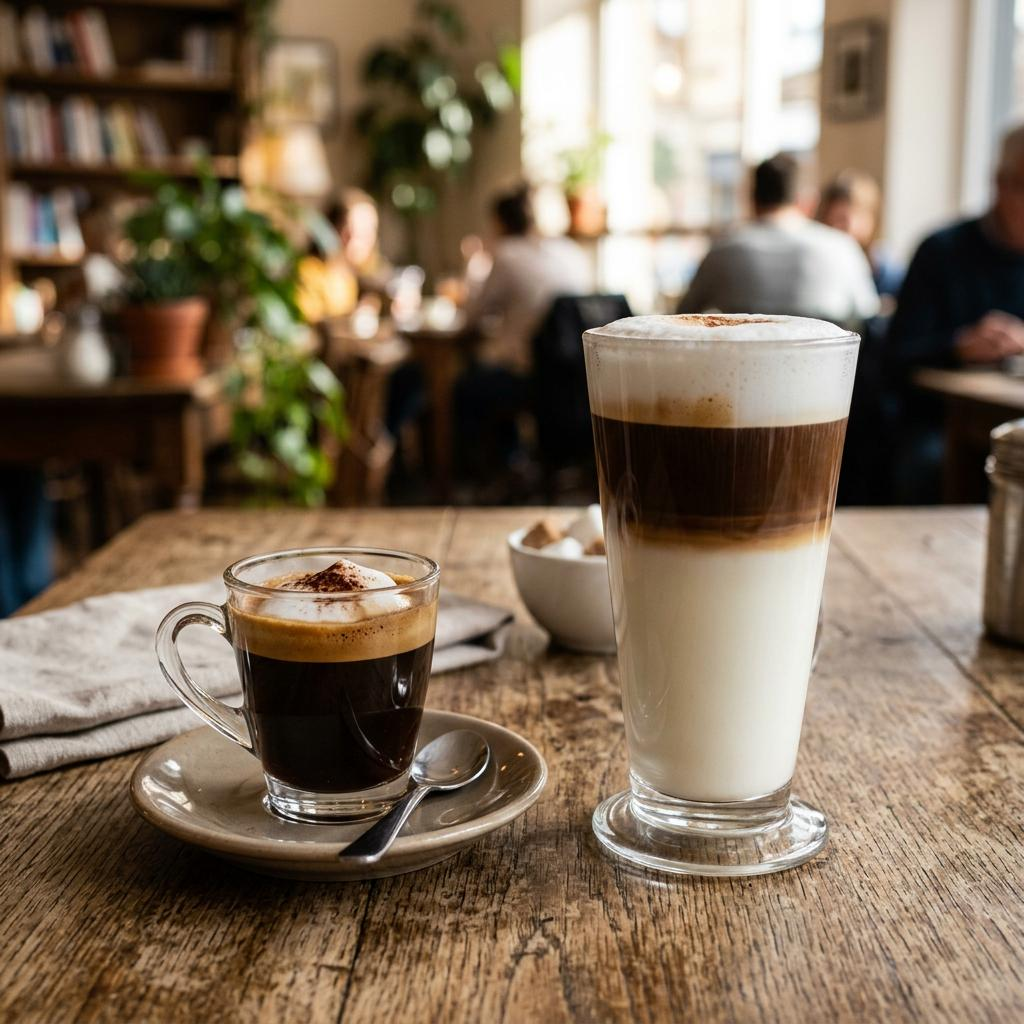
Coffee is more than just a drink that helps people wake up. It has different aromas, flavors, textures, and strengths depending on the beans, how they are roasted, and how the coffee is prepared. Understanding a few basic concepts makes choosing coffee much easier, especially when you’re standing in front of a café menu or a shelf full of coffee bags.
What Is Coffee, and How Does It Get Into Your Cup?
Coffee starts as a seed inside a fruit commonly called a coffee cherry. These seeds are removed from the fruit, processed, dried, roasted, and eventually ground before being brewed with water.
The roasting process is especially important because it changes the beans’ color, aroma, and flavor. Green coffee beans don’t smell or taste like the coffee you drink. Roasting develops the familiar aromas of chocolate, toasted nuts, caramel, spices, and other flavor characteristics.
Once roasted, coffee beans can be ground into different sizes depending on how they’re going to be brewed. The ground coffee is then mixed with hot water to extract its flavor, aroma, and caffeine.
The basic process looks like this:
- Coffee cherries: The fruit that grows on coffee plants and contains the seeds.
- Coffee processing: The beans are separated from the fruit, cleaned, and dried.
- Roasting: Green beans are heated to develop their flavor and aroma.
- Grinding: Roasted beans are ground to the appropriate size for brewing.
- Brewing: Hot water extracts the coffee’s flavor into the drink you enjoy.
Understanding this process helps explain why two cups of coffee can taste completely different even when they come from the same type of plant.
Arabica vs. Robusta: Which Coffee Beans Should Beginners Choose?
Most coffee sold around the world comes from two main species: Arabica and Robusta. Their flavor, caffeine content, growing conditions, and typical price can differ, making them worth understanding before buying your first bag.
| Feature | Arabica | Robusta |
| Flavor | Often smooth, sweet, fruity, or chocolatey | Strong, earthy, bold, and sometimes bitter |
| Caffeine | Generally lower | Generally higher |
| Acidity | Often more noticeable | Usually lower |
| Body | Medium to light, depending on the coffee | Often heavier and fuller |
| Price | Usually more expensive | Often more affordable |
| Best for | Smooth coffee, pour-over, drip, and specialty drinks | Strong coffee, espresso blends, and instant coffee |
Arabica is often a comfortable starting point for beginners because it can offer a smoother, more balanced flavor with less harsh bitterness. However, quality and roasting make a significant difference. A well-prepared Robusta blend can taste enjoyable, while poorly roasted Arabica can still taste unpleasant.
Robusta is not necessarily bad coffee. It’s often used in espresso blends to create a stronger flavor, a heavier body, and a thicker crema. Some coffee drinkers enjoy its bold taste, especially when combined with milk or sugar.
If you’re unsure which one to try, start with a medium-roast Arabica coffee. It gives you a good opportunity to experience coffee’s flavor without immediately jumping into something very intense.
Understanding Coffee Flavor: Bitter, Sweet, Acidic, and Smooth
Coffee isn’t supposed to taste only bitter. A balanced cup can have several flavors that work together, and learning to recognize them will help you find coffee you genuinely enjoy.
Here are the most common characteristics you’ll notice:
- Bitterness: A familiar coffee taste that can resemble dark chocolate, cocoa, or toasted ingredients. A little bitterness can add depth, but excessive bitterness may make a cup unpleasant.
- Acidity: A bright, lively sensation that may remind you of citrus, apples, berries, or other fruits. It doesn’t necessarily mean the coffee is sour.
- Sweetness: Coffee can naturally taste sweet, with notes of caramel, honey, brown sugar, or ripe fruit, even without added sugar.
- Body: The weight or texture of coffee in your mouth. Some coffee feels light and watery, while others feel rich, creamy, or heavy.
- Aroma: The smell of coffee, which may include chocolate, nuts, flowers, spices, caramel, or roasted grains.
You may also see flavor descriptions such as chocolate notes, citrus notes, nutty notes, or floral notes on coffee packaging. These are descriptions of flavors and aromas people perceive in the coffee, not necessarily ingredients added to it.
Beginners don’t need to identify every flavor perfectly. Simply noticing whether your coffee tastes smooth, strong, sweet, sour, smoky, or fruity is enough to start developing your preferences.
Why You Don’t Have to Like Strong or Bitter Coffee
One of the biggest misconceptions about becoming a coffee drinker is that you must learn to drink black coffee or enjoy intense espresso. That’s simply not true.
Coffee can be prepared with milk, cream, sugar, flavored syrups, chocolate, ice, or other ingredients that change its flavor. A latte may taste mild and creamy, while a mocha can feel more like a chocolate drink with a coffee flavor.
If your first cup tastes too bitter, you don’t have to force yourself to drink it. Try a different roast, add milk, use less coffee, or choose a naturally sweeter coffee drink.
Your coffee preference may also change over time. Someone who starts with sweet iced coffee might eventually enjoy a latte with less sugar or a cup of medium-roast coffee without milk. Others may always prefer flavored or creamy drinks—and there’s nothing wrong with that.
The best coffee for a beginner is the one that tastes good enough to make you want another cup.
Which Coffee Should Beginners Try First?

Choosing your first coffee can be easier when you focus on flavor rather than brand names, complicated brewing techniques, or what experienced coffee drinkers recommend. The goal is to find something that suits your taste and makes drinking coffee enjoyable.
The Best Coffee for Beginners Who Don’t Like Bitter Flavors
If you’re not accustomed to coffee, very dark roasts or strong espresso may taste overwhelming. Starting with a smoother, less intense coffee can make the experience much more pleasant.
Consider these beginner-friendly options:
- Medium-roast Arabica: A balanced option with flavors that may include chocolate, nuts, caramel, or mild fruit.
- Latte: Espresso mixed with steamed milk, creating a creamy and relatively mild coffee flavor.
- Mocha: Coffee combined with chocolate and milk, ideal for people who enjoy sweet drinks.
- Vanilla iced coffee: Cold coffee with vanilla flavor and milk or creamer for a smooth, sweet taste.
- Cold brew: Coffee steeped in cold water for an extended period, often producing a smoother-tasting drink with less perceived bitterness.
- Lightly sweetened cappuccino: A coffee-forward drink with milk and foam that can be adjusted with a little sugar if needed.
If you already enjoy chocolate, caramel, vanilla, or creamy beverages, those flavors can provide a familiar starting point. You can gradually reduce the sweetness or experiment with different coffees once you become more comfortable.
Light, Medium, and Dark Roast: Which One Is Easier to Drink?
Roast level has a major influence on coffee flavor. Although the exact taste depends on the beans and roasting process, understanding the basic differences can help you avoid buying coffee that doesn’t suit your preferences.
Coffee roast comparison
| Roast Level | Typical Flavor | Acidity | Beginner Experience |
| Light roast | Fruity, floral, citrusy, sometimes tea-like | Often higher | Good for beginners who enjoy bright, delicate flavors |
| Medium roast | Chocolate, caramel, nuts, balanced sweetness | Moderate | Excellent all-around starting point |
| Dark roast | Smoky, bold, roasted, bittersweet | Usually lower | Good for people who enjoy intense flavors |
Light roast
Light-roasted coffee is roasted for a shorter time, allowing more of the bean’s original characteristics to remain noticeable. It may taste fruity, floral, citrusy, or slightly tangy.
This roast can be appealing if you enjoy lighter drinks or subtle flavors. However, some light roasts can taste surprisingly sharp to someone who expects coffee to resemble chocolate or toasted nuts.
Medium roast
Medium roast is a dependable choice for beginners because it often balances the coffee’s original flavors with the taste developed during roasting. You may notice chocolate, caramel, nuts, or mild sweetness without too much sharpness or smokiness.
It’s also versatile enough to use in drip coffee makers, French presses, and many other brewing methods. If you don’t know where to start, medium roast is a practical first purchase.
Dark roast
Dark-roasted coffee generally has a deeper, more roasted flavor. Depending on the beans and roast level, it can taste smoky, bittersweet, earthy, or similar to dark chocolate.
Some dark roasts are enjoyable with milk because the roasted flavor balances the creamy sweetness. Others may taste burnt or excessively bitter, particularly if they’re roasted very dark or brewed incorrectly.
Beginner recommendation: Start with a medium roast. Try light roast when you’re curious about fruity or brighter flavors, and choose dark roast if you prefer bold, smoky, or intense coffee.
Whole Bean vs. Ground Coffee: Which Is Better for Beginners?
Coffee is commonly sold as whole beans or pre-ground coffee. Both can produce a good cup, but the right choice depends on how much convenience you want and whether you’re willing to grind coffee before brewing.
| Type | Advantages | Disadvantages | Best For |
| Whole bean | Fresher aroma when ground before brewing, more control over grind size | Requires a grinder and an extra step | Beginners who want to improve flavor over time |
| Ground coffee | Convenient, ready to use, widely available | Flavor and aroma gradually fade after grinding | Beginners who want a simple routine |
Whole-bean coffee generally preserves its aroma better because fewer surfaces are exposed to air before brewing. Grinding immediately before making coffee can noticeably improve the smell and flavor of your cup.
Pre-ground coffee is still an excellent choice if you want to keep things simple. You don’t need to buy a grinder just to start enjoying coffee at home.
If you’re using a drip coffee maker, look for ground coffee labeled for drip or medium grind. French press coffee typically needs a coarser grind, while espresso requires a much finer grind.
For your first bag, choose a medium-roast ground coffee labeled for your brewing method. Once you know what you like, consider buying whole beans and experimenting with grind size and freshness.
Regular Coffee vs. Espresso: What’s the Difference?
Regular brewed coffee and espresso are made from the same basic ingredient—roasted coffee beans—but they’re prepared differently.
| Feature | Regular Brewed Coffee | Espresso |
| Brewing method | Water passes through coffee grounds or steeps with them | Hot water is pushed through finely ground coffee under pressure |
| Grind size | Usually medium or coarse | Fine |
| Serving size | Often 6–12 ounces or more | Usually about 1–2 ounces |
| Flavor | Can be mild, balanced, or strong | Concentrated, intense, and rich |
| Texture | Generally lighter | Often thicker, with crema on top |
| Common drinks | Drip coffee, pour-over, French press | Latte, cappuccino, Americano, mocha |
Espresso is concentrated, so it usually has a more intense flavor per ounce. However, a large cup of regular brewed coffee may contain more total caffeine than a single espresso shot because it contains more liquid.
Beginners often assume espresso is automatically stronger in caffeine, but concentration and total caffeine are two different things.
You don’t need an espresso machine to enjoy coffee. Drip coffee makers, French presses, pour-over brewers, and even simple manual methods can make delicious coffee without the expense of an espresso setup.
Coffee Drinks Explained: What to Order at a Café Without Feeling Confused
Walking into a coffee shop for the first time can feel overwhelming when the menu includes espresso, latte, cappuccino, macchiato, flat white, mocha, and several iced variations. Although many drinks use the same coffee base, the amount of milk, water, foam, and flavoring changes how they taste.
Understanding a few popular coffee drinks will help you order something you actually enjoy instead of choosing randomly.
Americano: A Simple Way to Enjoy Coffee Without Milk
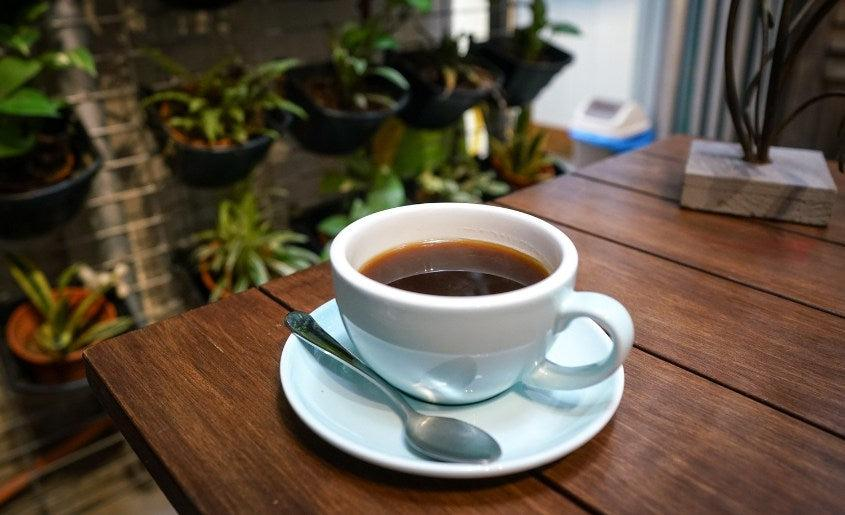
An Americano is made by adding hot water to espresso. It has a coffee-forward flavor without the creamy texture of milk, making it a good choice if you want to experience the taste of coffee more directly.
Compared with espresso, an Americano is less concentrated because it’s diluted with water. The flavor can still be bold, but the larger serving makes it easier to sip slowly.
An Americano is a good choice for beginners who:
- Want to try coffee without milk or creamer
- Prefer a simple drink without added flavors
- Want a coffee that isn’t as concentrated as espresso
- Enjoy a drink that can be customized with sugar
If a traditional Americano tastes too strong, ask for an extra splash of hot water or try a smaller amount of espresso. You can also add a little milk to soften the flavor.
Latte: One of the Easiest Coffee Drinks for Beginners
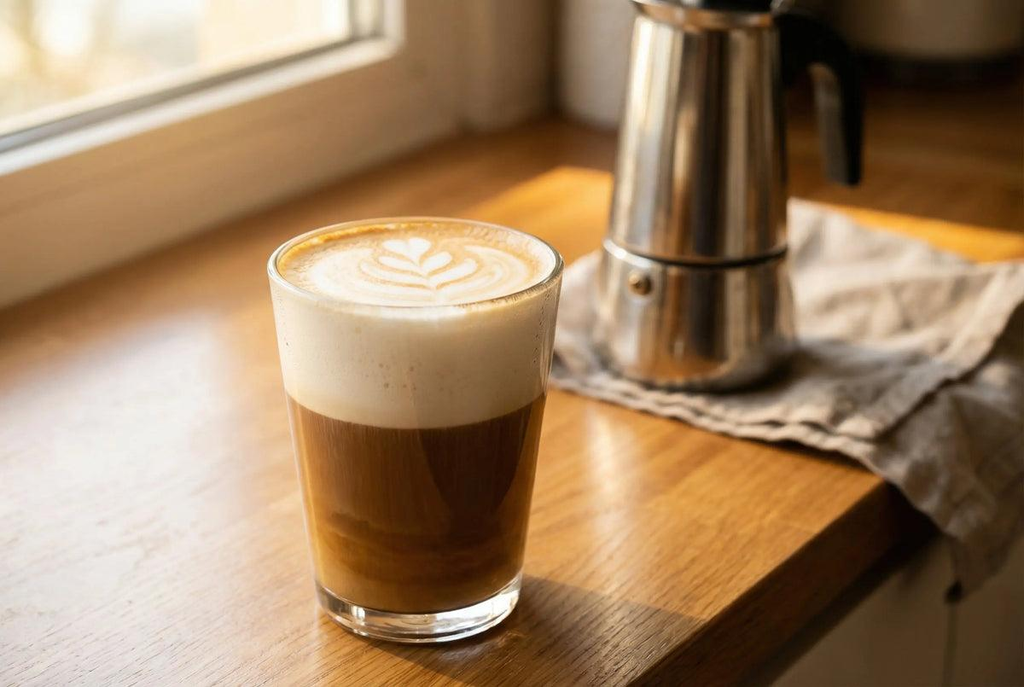
A latte combines espresso with steamed milk and a small layer of milk foam. The milk makes the coffee taste softer, creamier, and less intense than drinking espresso by itself.
Many beginners enjoy lattes because the coffee flavor is balanced by the milk. Depending on the café, you can also choose whole milk, skim milk, oat milk, soy milk, or other alternatives.
A latte is especially suitable if you:
- Prefer creamy beverages
- Don’t enjoy strong bitterness
- Want to taste coffee without it being overpowering
- Like adding vanilla, caramel, or other syrups
You can order a latte hot or iced. An iced latte is made with espresso, cold milk, and ice, making it a popular choice for people who prefer refreshing drinks.
Beginner tip: Try a latte with just a little sugar or vanilla syrup rather than adding several pumps of flavoring immediately. This helps you enjoy the coffee and milk combination without making the drink excessively sweet.
Cappuccino: Coffee With a Fluffy, Foamy Texture
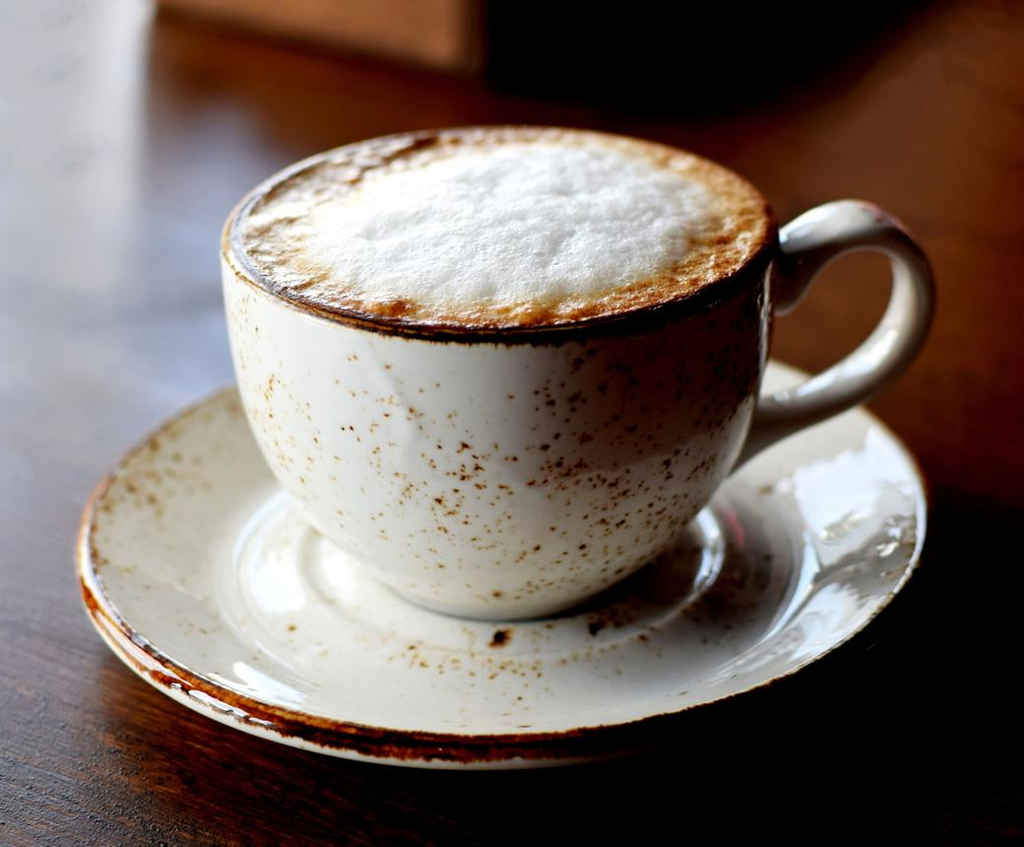
A cappuccino is traditionally made with espresso, steamed milk, and a generous layer of milk foam. The foam gives it a lighter, airy texture compared with a latte.
Although cappuccino and latte use similar ingredients, their proportions and textures make them feel different when you drink them. Cappuccino often has a more noticeable espresso flavor because it contains less milk relative to the foam and overall drink volume.
A cappuccino may be a good option if you enjoy:
- Creamy drinks with a lighter texture
- Coffee flavor that is more noticeable than in a latte
- Milk foam on top
- A smaller, satisfying coffee serving
Some cafés sprinkle cocoa powder or cinnamon on top, adding a little aroma and flavor. Cappuccinos are usually served hot, although iced versions are also available at many coffee shops.
If you want something creamy but not as milk-heavy as a latte, cappuccino is worth trying.
Mocha: The Best Starting Point for Chocolate Lovers
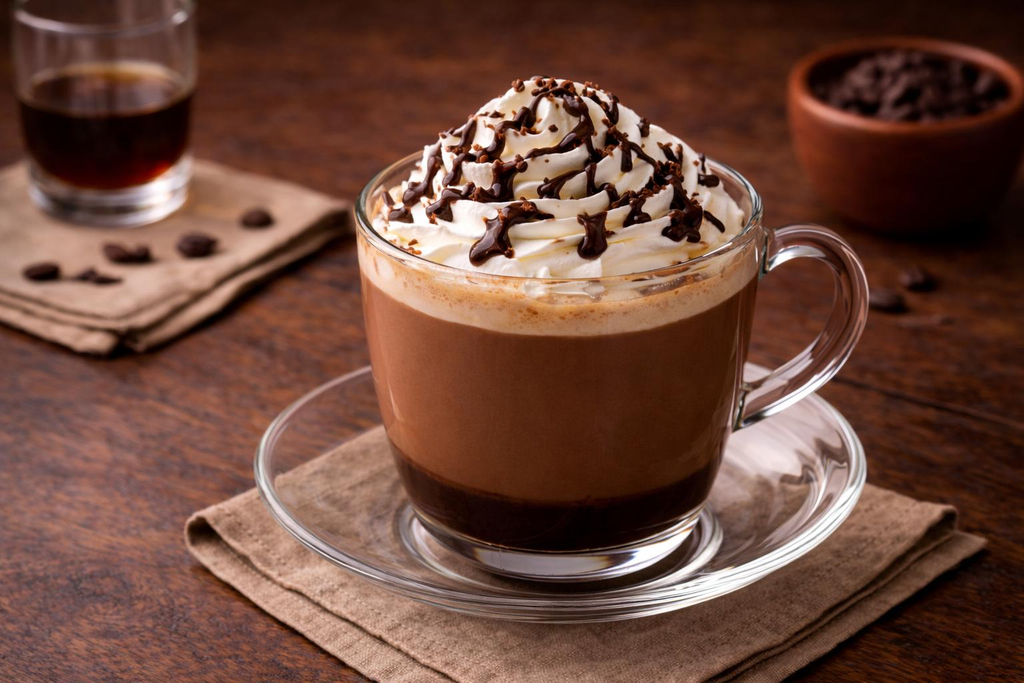
A mocha is a coffee drink made with espresso, milk, and chocolate, usually in the form of chocolate syrup or cocoa-based sauce. Many cafés also add whipped cream or chocolate drizzle.
The chocolate makes the coffee taste sweeter and richer, which is why mocha is often a favorite among people who are new to coffee.
Mocha can taste similar to a chocolate milk drink with a coffee undertone, depending on how it’s prepared. Some versions are strongly chocolatey, while others have a more noticeable espresso flavor.
Choose mocha if you:
- Enjoy chocolate milk or hot chocolate
- Want to try coffee without a strong bitter taste
- Prefer sweet, dessert-like drinks
- Enjoy both hot and iced beverages
An iced mocha is especially easy to enjoy on a warm day. The combination of chocolate, milk, espresso, and ice creates a smooth drink that doesn’t require you to appreciate the taste of black coffee right away.
Cold Brew: A Smooth, Refreshing Option for New Coffee Drinkers

Cold brew is made by steeping coffee grounds in cold or room-temperature water for an extended period, often around 12–18 hours, depending on the recipe. Instead of brewing with hot water, the coffee slowly extracts its flavor during the steeping process.
This method often produces coffee that tastes smooth, mellow, and less sharp than some hot-brewed coffees. However, cold brew isn’t automatically less bitter or lower in caffeine. Its caffeine content depends on the coffee-to-water ratio, steeping time, and whether the finished drink is diluted.
Cold brew is a good option for beginners who:
- Prefer cold beverages
- Don’t enjoy the sharpness of some hot coffees
- Want a smooth coffee they can drink slowly
- Like customizing coffee with milk, creamer, or syrup
Cold brew can be served black, with milk, or with a little sweetener. Some cafés serve concentrated cold brew that needs to be diluted, so check whether your drink is ready to sip or intended to be mixed with water or milk.
Macchiato and Flat White: How They Differ From Latte
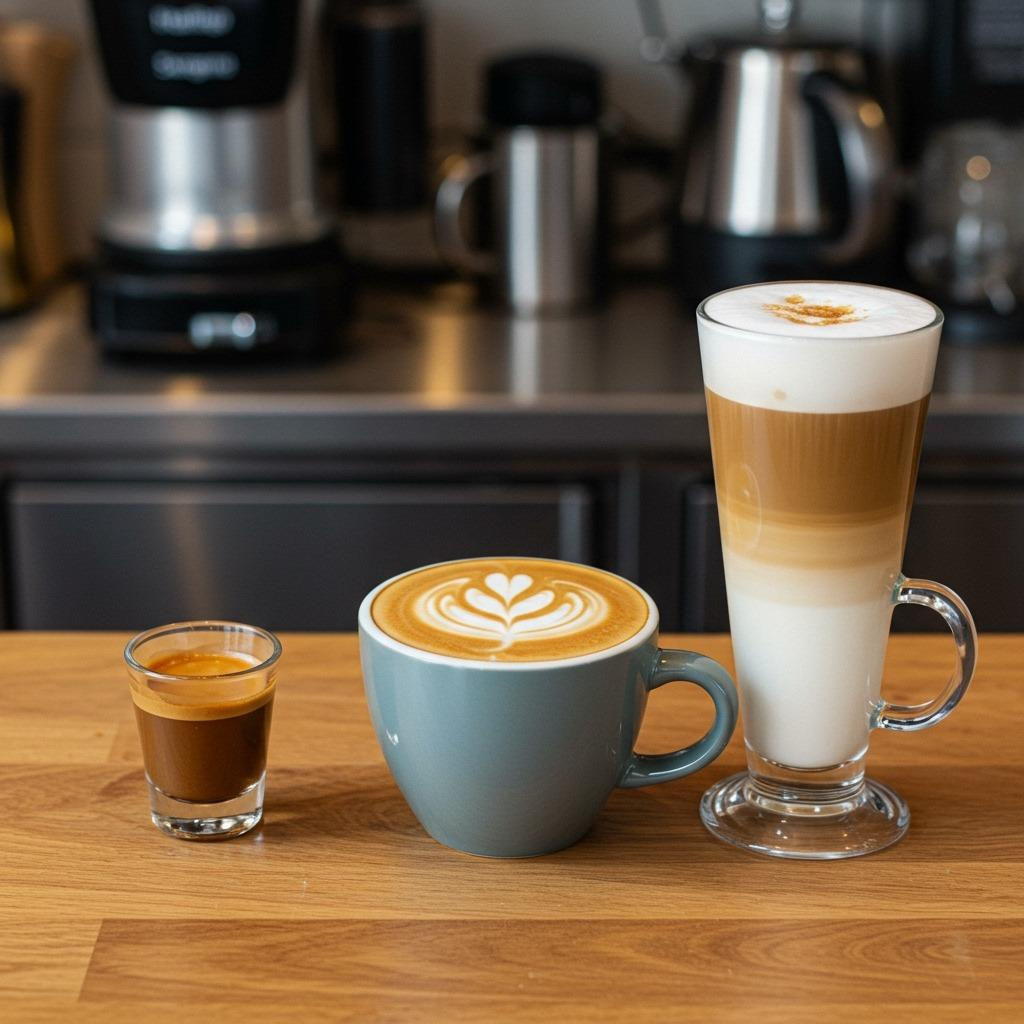
Macchiato and flat white are two drinks that can confuse beginners because their names sound unfamiliar, and their appearance may resemble other espresso-based drinks.
Macchiato
A traditional espresso macchiato is espresso topped with a small amount of milk or milk foam. The word macchiato means “marked” or “stained,” referring to the espresso being marked with milk.
It generally has a stronger espresso flavor than a latte because it contains much less milk. If you aren’t comfortable with intense coffee yet, a traditional macchiato may not be the best first choice.
However, some coffee chains serve flavored or larger macchiato drinks that contain considerably more milk, syrup, or other ingredients. Always check the menu description because the drink may be very different from a traditional espresso macchiato.
Flat White
A flat white combines espresso with steamed milk that has a fine, velvety texture and relatively little thick foam. It is typically smaller than a latte, so the espresso flavor may be more noticeable.
A flat white is worth trying if you like creamy coffee but want a more prominent coffee taste than a typical latte.
Quick Comparison: Which Coffee Drink Should a Beginner Order?
If you aren’t sure what to order, this comparison can help you narrow down your choice based on the flavors and textures you already enjoy.
| Coffee Drink | Main Ingredients | Flavor | Best for Beginners Who… |
| Americano | Espresso and hot water | Clean, coffee-forward | Want to try coffee without milk |
| Latte | Espresso and steamed milk | Creamy, mild | Prefer smooth, less intense coffee |
| Cappuccino | Espresso, milk, foam | Creamy with noticeable coffee flavor | Like fluffy foam and balanced coffee |
| Mocha | Espresso, milk, chocolate | Sweet, chocolatey | Enjoy chocolate and dessert-like drinks |
| Cold brew | Coffee steeped in cold water | Smooth, mellow, refreshing | Prefer cold drinks and softer flavors |
| Macchiato | Espresso with a little milk | Intense, espresso-forward | Already enjoy stronger coffee |
| Flat white | Espresso and finely textured milk | Rich, creamy, coffee-forward | Want creamy coffee with more espresso character |
Your first coffee doesn’t need to be complicated. If you like chocolate, start with a mocha. If you enjoy creamy drinks, order a latte. If you prefer something cold and refreshing, try cold brew or an iced latte.
Once you find a drink you enjoy, you can experiment with different beans, roast levels, sweetness, and brewing styles at your own pace. That’s the easiest way to turn coffee from something unfamiliar into a drink you genuinely look forward to.
How to Make Coffee at Home: An Easy Beginner’s Guide
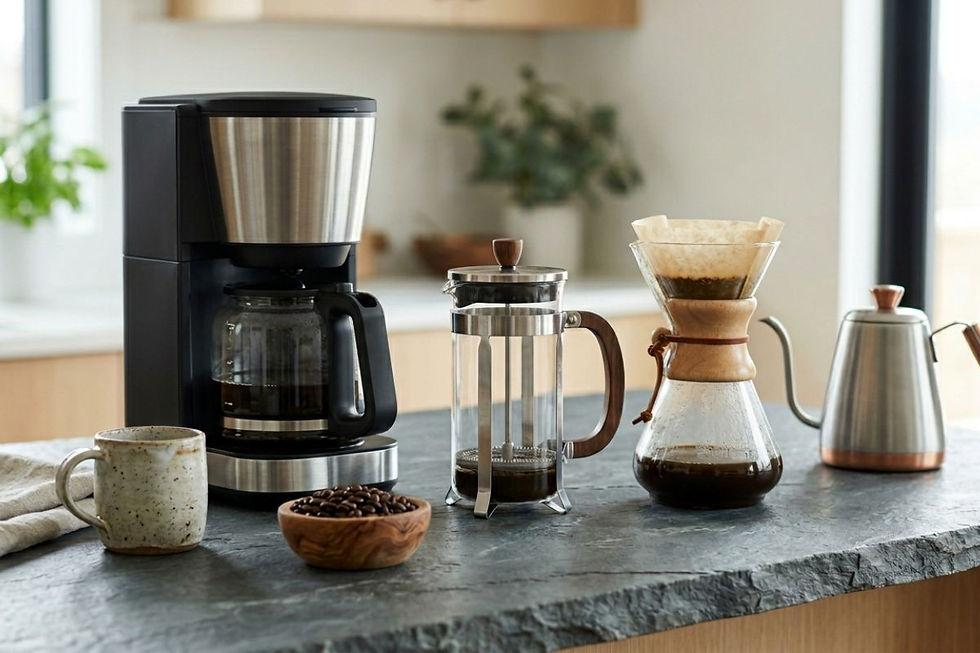
Making coffee at home doesn’t require a professional espresso machine, complicated accessories, or years of practice. With the right coffee, clean equipment, and a few simple measurements, you can make a satisfying cup using tools you may already have in your kitchen.
The easiest way to begin is to choose one brewing method and stick with it until you understand how it affects the taste. Once you become familiar with the process, adjusting coffee strength and flavor becomes much easier.
What You Actually Need to Make Coffee at Home
You can start with just a few basic items. There’s no need to buy everything at once, especially if you’re still figuring out which coffee you like.
| Essential Item | Purpose | Beginner Recommendation |
| Coffee | Provides flavor and caffeine | Medium-roast ground coffee |
| Water | Extracts flavor from coffee grounds | Clean drinking water |
| Coffee maker or brewing tool | Helps prepare coffee | Drip maker, French press, or simple manual method |
| Measuring spoon or scale | Helps control coffee strength | Start with a tablespoon or kitchen scale |
| Mug | Holds the finished coffee | Any comfortable cup |
A coffee grinder is optional when you’re using pre-ground coffee. If you decide to buy whole beans later, a grinder gives you more control over the grind size and freshness.
Your first goal is consistency. Using the same coffee, amount of water, and brewing method allows you to recognize what you like instead of changing several things at once.
Choosing an Affordable Coffee Maker or Beginner Brewing Method
Different brewing methods produce different flavors, textures, and levels of convenience. You don’t need to own several coffee makers to enjoy coffee at home.
| Brewing Method | How It Works | Flavor | Difficulty |
| Drip coffee maker | Automatically passes hot water through coffee grounds | Balanced, clean | Very easy |
| French press | Steeps coffee in water before filtering | Rich, full-bodied | Easy |
| Pour-over | Water is manually poured through coffee and a filter | Clean, aromatic, adjustable | Moderate |
| Instant coffee | Dissolvable coffee is mixed directly with hot water | Quick, convenient | Very easy |
| Moka pot | Uses steam pressure to push water through coffee | Concentrated, bold | Moderate |
Best choices for beginners:
- Drip coffee maker: Ideal if you want coffee ready with minimal effort, especially if you regularly make more than one cup.
- French press: A good choice if you enjoy richer coffee and want to control steeping time.
- Instant coffee: Perfect for people who want the simplest and cheapest way to begin.
- Pour-over: Suitable if you enjoy making coffee manually and want more control over flavor.
- Moka pot: Great if you prefer a concentrated coffee that works well with milk.
Choose a method that fits your routine rather than buying equipment because it looks impressive. A simple coffee maker that you use every day is more valuable than an expensive machine that sits unused.
How to Make Coffee Using a Drip Coffee Maker
A drip coffee maker is one of the easiest ways to make coffee at home. It heats water and distributes it over coffee grounds inside a filter, allowing the brewed coffee to collect in a carafe or cup.
Follow these steps for a basic cup:
- Add water: Pour fresh drinking water into the machine’s reservoir according to the amount of coffee you want.
- Prepare the filter: Place a paper filter in the basket if your machine requires one.
- Measure the coffee: Start with approximately 15 grams of ground coffee for every 250 milliliters of water.
- Add the grounds: Spread the coffee evenly inside the filter basket.
- Start brewing: Turn on the machine and allow it to complete the brewing cycle.
- Serve and taste: Pour the coffee into your mug and taste it before adding sugar, milk, or creamer.
If your coffee tastes too strong, reduce the amount of grounds slightly. If it tastes weak or watery, increase the coffee amount or check whether your machine is brewing correctly.
Avoid leaving coffee on a hot plate for a long time because continued heating can make its flavor unpleasant and overly bitter.
How to Brew Coffee With a French Press
A French press is a simple manual coffee maker that allows coffee grounds to steep directly in hot water. It produces coffee with a fuller body because the metal filter allows more natural oils and fine particles to pass into the cup.
It’s a good method if you enjoy coffee with a rich texture rather than a lighter, paper-filtered taste.
What you’ll need:
- French press
- Coarsely ground coffee
- Hot water
- Spoon
- Mug
Simple French press brewing steps:
- Add approximately 15 grams of coarse coffee grounds to the French press.
- Heat about 250 milliliters of water until hot but not aggressively boiling.
- Pour the water over the coffee grounds, making sure they’re evenly saturated.
- Stir gently to help the grounds mix with the water.
- Place the lid on the French press with the plunger raised.
- Let the coffee steep for around four minutes.
- Slowly press the plunger down.
- Pour the coffee into your mug immediately after pressing.
If the coffee tastes muddy or excessively bitter, try using a coarser grind or shortening the brewing time slightly. If it’s weak or lacks flavor, use a little more coffee or allow a slightly longer steep.
Don’t leave brewed coffee sitting in the French press with the grounds. Even after pressing, the coffee continues interacting with the grounds, which can make the remaining coffee taste increasingly bitter.
How to Make Coffee Without a Coffee Machine
You can make coffee without an electric coffee maker, and the process is surprisingly simple. This method is useful for beginners, students, travelers, or anyone who wants to enjoy coffee without buying additional equipment.
You’ll need:
- 1–2 tablespoons of ground coffee
- 1 cup of hot water, approximately 240–250 milliliters
- A mug
- A small saucepan or kettle
- A fine strainer, if available
Simple stovetop coffee method:
- Heat water in a kettle or saucepan until hot. Let it cool for approximately 30–60 seconds after boiling.
- Place your ground coffee into a mug or heat-safe container.
- Pour the hot water over the grounds.
- Stir gently and let the coffee steep for approximately four minutes.
- Allow the grounds to settle at the bottom.
- Slowly pour the coffee into another mug, keeping most of the grounds behind.
- Use a fine strainer if you want a cleaner cup.
The finished coffee may have a slightly different texture from filtered coffee because some fine grounds can remain in the drink. You can reduce this by using coarser grounds and pouring carefully.
This method works well when you don’t have a coffee maker. It’s also a useful way to experiment with different coffee amounts before investing in brewing equipment.
A Simple Coffee-to-Water Ratio Beginners Can Start With
The amount of coffee you use has a major effect on the final taste. Too little coffee can make your drink watery, while too much can produce an overly intense cup.
A reliable starting point for regular brewed coffee is a ratio of 1 gram of coffee to 15–17 grams of water.
| Water | Coffee to Start With | Approximate Cups |
| 150 ml | 9–10 g | Small cup |
| 250 ml | 15–17 g | Standard mug |
| 350 ml | 21–23 g | Large mug |
| 500 ml | 30–33 g | Two servings |
| 750 ml | 45–50 g | Three servings |
These measurements are starting points, not strict rules. Some people enjoy a stronger cup, while others prefer a lighter one.
If you don’t have a kitchen scale, one level tablespoon of ground coffee is often around 5–7 grams, although the actual weight varies considerably depending on grind size and how the spoon is filled.
For your first few cups, keep the ratio consistent. Adjust it gradually once you know whether the coffee tastes too strong, too weak, or balanced.
How Water Temperature and Brewing Time Affect Coffee
Water is responsible for extracting the flavor from coffee grounds, so temperature and brewing time can change your cup considerably.
Water temperature
Water that is too cool may extract coffee unevenly, resulting in a weak, sour, or underdeveloped flavor. Water that is excessively hot, especially when combined with the wrong grind or brewing time, can contribute to an unpleasantly harsh taste.
For most hot coffee brewing methods, water around 90–96°C (195–205°F) is a practical range.
If you don’t have a temperature-controlled kettle, bring water to a boil and let it rest briefly before pouring it over your grounds.
Brewing time
The amount of time coffee grounds remain in contact with water affects how much flavor is extracted.
| Brewing Method | Approximate Brewing Time |
| Drip coffee maker | 4–6 minutes, depending on machine and batch |
| French press | Around 4 minutes |
| Pour-over | Around 2½–4 minutes |
| Stovetop immersion coffee | Around 3–5 minutes |
| Cold brew | Around 12–18 hours |
These times are general starting points. Grind size, coffee freshness, equipment, and the amount of water can all affect extraction.
If your coffee tastes sour, thin, or underdeveloped, it may need more extraction. If it tastes dry, harsh, or excessively bitter, it may need less extraction. Change one variable at a time so you can identify what improves the flavor.
How to Make Coffee Taste Better Without Becoming a Barista
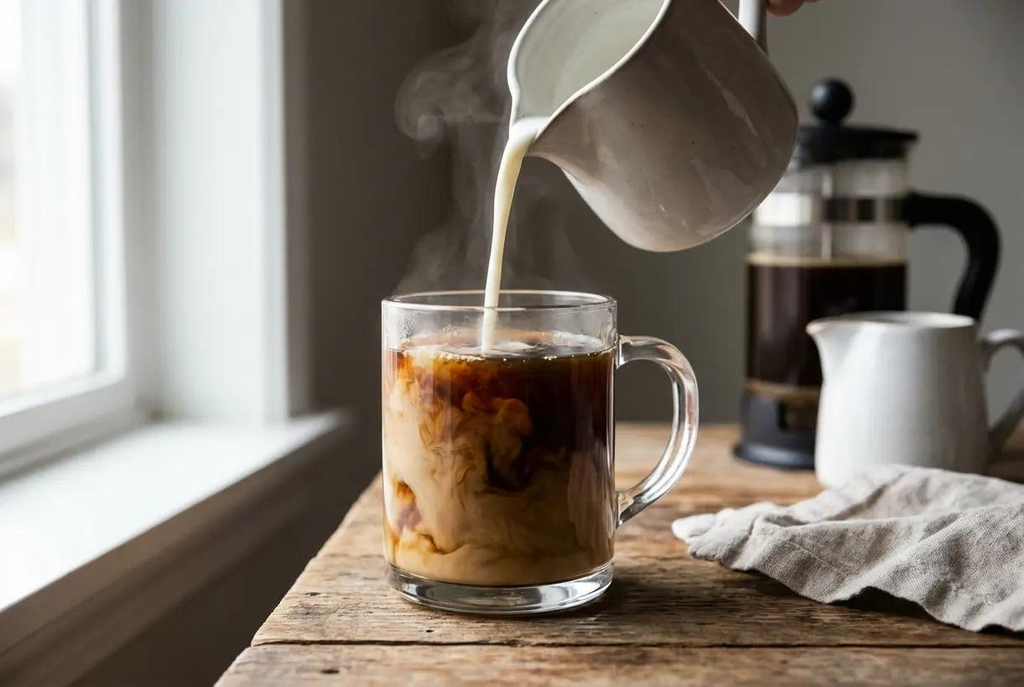
You don’t need professional skills to improve homemade coffee. A few small changes can make a noticeable difference, especially if your coffee currently tastes too bitter, watery, bland, or strong.
The most useful approach is to adjust the coffee to your personal preference rather than trying to make it taste exactly like a café drink.
How to Reduce Bitterness When Coffee Tastes Too Strong
Bitterness is a natural characteristic of coffee, but excessive bitterness can make your cup unpleasant. It may come from dark roasting, over-extraction, stale coffee, or simply a flavor profile you don’t enjoy.
Try these adjustments:
- Use a medium roast: It often offers a more balanced flavor than very dark coffee.
- Reduce the coffee amount: If your drink feels overpowering, use slightly fewer grounds.
- Adjust the brewing time: Avoid leaving coffee in contact with water longer than necessary for your brewing method.
- Use the correct grind size: Grounds that are too fine for your method can cause excessive extraction or slow brewing.
- Choose fresher coffee: Coffee that has been stored poorly or opened for a long time may taste flat or unpleasant.
- Add milk: Milk can soften the perception of bitterness and make coffee more approachable.
If you consistently dislike bitter coffee, don’t assume you’re doing something wrong. Try different beans or drinks instead of forcing yourself to enjoy a roast that doesn’t suit your taste.
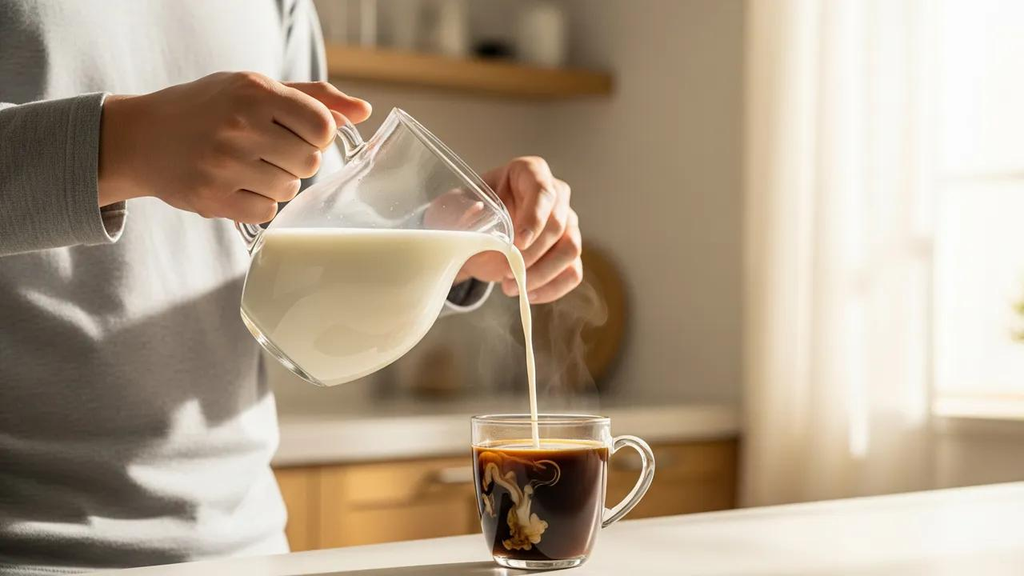
Adding Milk, Cream, or Creamer to Soften Coffee
Milk and creamer are among the easiest ways to change coffee’s flavor and texture. They add creaminess, reduce the intensity of roasted flavors, and can make coffee feel smoother.
Here’s how different additions can affect your cup:
| Addition | What It Does to Coffee | Best For |
| Whole milk | Adds creaminess and mild sweetness | Smooth everyday coffee |
| Skim milk | Softens coffee with less richness | Lighter milk-based coffee |
| Half-and-half | Creates a richer, creamier texture | Strong coffee that needs mellowing |
| Coffee creamer | Adds creaminess and often sweetness | Convenient flavored coffee |
| Oat milk | Adds a mild, sometimes naturally sweet flavor | Dairy-free coffee |
| Almond milk | Adds a lighter texture and subtle nutty flavor | Lighter coffee drinks |
Start by adding a small amount, then taste the coffee before adding more. Too much milk or creamer can hide the coffee’s flavor completely, but that may be exactly what you prefer if you’re just getting started.
For iced coffee, milk and creamer can be especially enjoyable because they balance the coffee while making the drink refreshing.
Using Sugar, Honey, Flavored Syrups, or Cinnamon
Sweeteners and flavorings can make coffee easier to enjoy, particularly when you’re transitioning from tea, chocolate drinks, or other sweet beverages.
Popular options include:
- White sugar: Adds straightforward sweetness without introducing another flavor.
- Brown sugar: Adds a mild molasses-like taste.
- Honey: Provides a distinctive floral or rich sweetness.
- Vanilla syrup: Makes coffee smoother and more dessert-like.
- Caramel syrup: Adds buttery, sweet flavors that pair well with milk.
- Cinnamon: Adds warmth and aroma without needing much sweetness.
Try adding sweetener gradually. One teaspoon may be enough to make your coffee pleasant, while several spoonfuls can overpower its natural flavor.
Cinnamon is also worth trying in brewed coffee or mixed into milk-based drinks. It creates a warmer flavor profile and can make a simple cup feel more interesting without requiring an elaborate recipe.
How to Adjust Coffee Strength Without Ruining the Taste
Coffee strength refers to how concentrated your drink is, which is largely affected by the amount of coffee relative to the water.
If your coffee is too strong, you have several options:
- Add a little hot water to dilute it.
- Add milk or creamer to create a softer flavor.
- Use slightly fewer coffee grounds next time.
- Try a milder roast or a different coffee blend.
If your coffee tastes too weak:
- Add a little more coffee to your next brew.
- Avoid using excessive water.
- Check whether your brewing method is extracting the coffee properly.
- Use fresh coffee rather than grounds that have lost much of their aroma.
Avoid changing the coffee amount, grind size, brewing time, and water temperature all at once. Making one adjustment at a time will help you understand what actually improves your coffee.
Choosing the Right Water and Keeping Coffee Fresh
Water quality is often overlooked, but it can make a noticeable difference. Coffee is mostly water, so unpleasant odors, excessive mineral content, or unusual flavors in your water may affect the finished drink.
Use clean drinking water that tastes good on its own. If your tap water has a strong chlorine flavor or unusual mineral taste, filtered water may produce a better cup.
Coffee freshness also matters. Once coffee is roasted and ground, exposure to oxygen, moisture, heat, and light gradually reduces its aroma and flavor.
To keep coffee fresh:
- Store coffee in an airtight container.
- Keep it in a cool, dry place away from direct sunlight.
- Avoid storing it next to a stove or other heat sources.
- Don’t leave the coffee bag open between uses.
- Buy an amount you can reasonably finish while it still tastes fresh.
- Avoid putting everyday coffee in the refrigerator where moisture and odors can affect it.
Whole beans generally retain their aroma longer than pre-ground coffee. If you’re using ground coffee, seal it carefully after every use and avoid buying more than you need.
How Much Coffee Should Beginners Drink?
Coffee contains caffeine, a naturally occurring stimulant that can help people feel more alert. However, its effects vary depending on the amount consumed, individual sensitivity, sleep habits, and other factors.
Beginners don’t need to drink several cups to experience coffee. Starting with a small serving is often a better way to understand how your body responds.
How Much Caffeine Is in a Typical Cup of Coffee?
Caffeine content varies significantly depending on the beans, brewing method, serving size, and preparation. A large coffee may contain substantially more caffeine than a small cup, even if both drinks taste similar.
Here are approximate amounts to help you understand the differences:
| Coffee Type | Typical Serving | Approximate Caffeine |
| Drip coffee | 8 oz (240 ml) | 80–120 mg |
| Instant coffee | 8 oz (240 ml) | 50–90 mg |
| Espresso | 1 oz (30 ml) | 60–75 mg |
| Americano | 8 oz (240 ml) | Depends on espresso shots |
| Decaf coffee | 8 oz (240 ml) | 2–15 mg |
| Cold brew | 8 oz (240 ml) | 80–200+ mg |
These figures are estimates, not guaranteed amounts. Cold brew can be especially variable because some versions are served as concentrates, while others are diluted before drinking.
A beginner who wants a smaller caffeine dose can choose a smaller serving, ask for fewer espresso shots, mix regular coffee with decaf, or choose decaf.
Starting With Smaller Servings if You’re Sensitive to Caffeine
If you’re new to coffee, start with a small cup instead of immediately ordering a large one. Even a modest amount of caffeine can cause noticeable effects in people who aren’t accustomed to it.
You may experience:
- Increased alertness
- Faster heartbeat
- Restlessness or nervousness
- Shaky hands
- Stomach discomfort
- Difficulty falling asleep
If you notice unpleasant effects, reduce your caffeine intake or switch to decaf. Drinking coffee more slowly and avoiding it on an empty stomach may also help some people, particularly those who experience stomach discomfort.
There’s no need to drink coffee every day or increase your intake to build a coffee habit. Enjoying an occasional cup is perfectly reasonable if it suits your preferences and doesn’t interfere with your well-being.
Regular Coffee vs. Decaf for First-Time Coffee Drinkers
Decaf coffee is a useful option if you want to experience coffee’s flavor without consuming as much caffeine. It isn’t completely caffeine-free, but it generally contains much less caffeine than regular coffee.
| Feature | Regular Coffee | Decaf Coffee |
| Caffeine | Higher | Much lower, but not zero |
| Flavor | Depends on beans and roast | Can be similar, though processing may affect flavor |
| Best time to drink | Morning or earlier in the day for caffeine-sensitive people | Later in the day for those limiting caffeine |
| Suitable for beginners | Yes, in moderate servings | Yes, especially for caffeine-sensitive people |
Decaf isn’t necessarily weaker in flavor. Some decaf coffees taste rich, chocolatey, nutty, or even fruity, depending on the beans and roasting process.
If you like coffee but don’t want the stimulating effects, decaf may be a better fit than giving up coffee altogether.
Why Coffee Affects People Differently
One person may drink two cups of coffee and feel perfectly comfortable, while another may feel nervous after just a few sips. Differences in caffeine sensitivity, genetics, body size, tolerance, medication use, and sleep habits can all influence how caffeine affects people.
The time you drink coffee also matters. Caffeine can remain in your system for several hours, so drinking it late in the afternoon or evening may interfere with sleep even if you don’t feel particularly energized.
If you’re sensitive to caffeine, consider:
- Drinking coffee earlier in the day.
- Choosing a smaller serving.
- Avoiding multiple caffeinated drinks close together.
- Switching to decaf when you want coffee later.
- Paying attention to how you feel after drinking it.
Listening to your body’s response is more useful than following someone else’s coffee routine.
When to Drink Coffee to Avoid Interfering With Sleep
Coffee is often associated with mornings, but the best time to drink it depends on your schedule and caffeine sensitivity.
If caffeine makes it difficult to fall asleep, try drinking your coffee earlier and avoid consuming it during the afternoon or evening. Some people need to stop caffeine at least six to eight hours before bedtime, while others may need a longer window.
A simple beginner routine might look like this:
- Morning: Enjoy a small cup of coffee with breakfast or after waking up.
- Late morning: Have another cup only if you feel comfortable with the caffeine.
- Afternoon: Switch to decaf, water, or another caffeine-free drink if you’re sensitive.
- Evening: Avoid caffeinated coffee if it affects your sleep.
Coffee doesn’t have to be part of your morning routine to be enjoyable. The important thing is finding a time when you can enjoy it without sacrificing sleep.
Recognizing When You’ve Had Too Much Caffeine
More coffee doesn’t necessarily mean more enjoyment. Consuming too much caffeine can cause uncomfortable symptoms, especially for beginners or people who are particularly sensitive to it.
Signs you may have consumed too much include:
- Feeling anxious or unusually restless
- Shaking or trembling
- A racing or pounding heartbeat
- Headache
- Nausea
- Trouble concentrating because you feel overstimulated
- Difficulty sleeping
If these symptoms occur, stop consuming caffeine and avoid adding more coffee or other caffeinated beverages. Reduce your intake the next time you drink coffee.
For most healthy adults, the FDA cites 400 milligrams of caffeine per day as an amount not generally associated with negative effects, but individual tolerance varies. That figure isn’t a target, especially if you’re new to coffee.
Beginner Coffee Mistakes and How to Avoid Them
Learning to enjoy coffee becomes easier when you understand why certain cups taste disappointing. Most beginner mistakes are simple and easy to fix, and you don’t need expensive equipment to correct them.
Buying Coffee That Is Too Dark or Intense for Your Taste
Dark-roasted coffee can have a bold, smoky, bitter, or burnt flavor that may be overwhelming if you’re accustomed to tea, juice, or sweet beverages.
Many beginners assume darker coffee means better or stronger coffee. Roast level primarily affects flavor, while caffeine content depends on several factors, including the coffee itself and how it’s prepared.
How to avoid this mistake:
- Start with medium roast instead of very dark roast.
- Choose Arabica if you want to try a smoother flavor profile.
- Look for descriptions such as chocolate, caramel, nuts, or balanced sweetness.
- Avoid buying a large bag of unfamiliar coffee before trying a smaller quantity.
A coffee labeled medium roast isn’t guaranteed to taste mild, but it’s often a sensible starting point.
Using Too Much Coffee Grounds
Adding extra coffee grounds may seem like an easy way to make your drink taste better, but too much coffee can make the flavor overwhelming and unpleasant.
It can also increase your caffeine intake without you realizing it.
Use a consistent measurement when brewing. For a standard 250-milliliter cup, begin with around 15 grams of coffee and adjust from there.
If the coffee is too intense, reduce the amount slightly. If it’s watery, increase the grounds in small increments instead of doubling the amount immediately.
Brewing With Water That Is Too Hot
Pouring boiling water directly over coffee isn’t always ideal, especially when the brewing method requires more controlled extraction.
Extremely hot water combined with an unsuitable grind or prolonged contact can contribute to harsh flavors. However, bitterness isn’t caused by water temperature alone, so changing the temperature may not solve every problem.
Allow freshly boiled water to rest briefly before brewing, or use a kettle with temperature control if you want more precision.
Choosing Equipment Before Understanding Your Preferences
It’s easy to spend money on coffee grinders, espresso machines, milk frothers, specialty kettles, and accessories before knowing what kind of coffee you actually enjoy.
A beginner doesn’t need a complete coffee station.
Start with a simple setup:
- A basic drip coffee maker or French press
- Ground coffee suitable for that brewing method
- A mug
- A spoon or measuring tool
- Milk, creamer, or sweetener if desired
Once you know whether you prefer black coffee, milk-based drinks, iced coffee, or espresso-style beverages, you’ll have a better idea of which equipment is worth purchasing.
Storing Coffee in a Way That Makes It Lose Freshness
Coffee can lose its aroma and develop a flat taste when it’s exposed to air, moisture, heat, or sunlight for too long.
Leaving a bag open on the kitchen counter or storing it beside a hot appliance can shorten its enjoyable shelf life.
To avoid this problem, keep coffee sealed in its original packaging if it has a reliable closure, or transfer it to an airtight container. Store it away from sunlight, moisture, and heat.
Buying smaller amounts of coffee can also help you finish it while the flavor is still enjoyable.
Assuming Expensive Coffee Always Tastes Better
Premium coffee can offer interesting flavors and careful processing, but a higher price doesn’t guarantee that you’ll like it.
Some specialty coffees have bright acidity, floral aromas, or unusual fruit notes that coffee beginners may find unfamiliar. Meanwhile, an affordable medium-roast coffee may be exactly what you enjoy drinking every day.
Instead of focusing on price, consider:
- Whether the roast level suits your taste
- Whether the flavor description sounds appealing
- How fresh the coffee is
- Whether it matches your brewing method
- Whether you enjoy the finished cup
Buying coffee should be about finding a flavor you like, not trying to impress other coffee drinkers.
FAQs About Coffee for Beginners
What is the best coffee for a beginner?
Medium-roast Arabica is a good starting point because it often has a balanced flavor with chocolate, caramel, nutty, or mild fruity notes. If you dislike bitter coffee, try a latte, mocha, or lightly sweetened iced coffee instead of starting with black coffee.
What coffee should I drink if I don’t like bitter coffee?
Try medium-roast coffee, a latte, vanilla iced coffee, mocha, or cold brew. Adding milk or a small amount of sweetener can soften the flavor, while choosing a different roast may help reduce the bitterness you dislike.
Is coffee an acquired taste?
For many people, yes. Coffee’s bitterness, acidity, and roasted aromas may feel unfamiliar at first. Starting with milk-based or sweetened coffee can make it easier to enjoy, and your preferences may change as you try different beans and brewing methods.
Should beginners start with hot coffee or iced coffee?
Either is fine. Hot coffee makes it easier to notice aroma and flavor, while iced coffee can feel refreshing and sometimes more approachable. If you already enjoy cold drinks, iced latte or cold brew may be the more enjoyable starting point.
Is coffee with milk better for beginners?
Milk can make coffee creamier, softer, and less intense, which is helpful if you don’t enjoy strong coffee. A latte is a popular beginner choice, but black coffee can also be enjoyable if you prefer clean, straightforward flavors.
What is the easiest coffee to make at home?
Instant coffee is the easiest because you only need coffee granules and hot water. A drip coffee maker is another convenient option for making regular coffee with minimal effort. Both are suitable for beginners who want a simple daily routine.
Is it okay to drink coffee every day?
Many healthy adults can enjoy coffee daily in moderation, but caffeine tolerance varies. Pay attention to sleep, anxiety, stomach discomfort, and other symptoms. You don’t need to drink coffee every day to enjoy it.
How can I tell if I like light, medium, or dark roast?
Light roast often tastes brighter, fruitier, or more floral; medium roast tends to have balanced sweetness and flavors such as chocolate or nuts; and dark roast is generally bolder, smokier, or more bittersweet. Trying small amounts of each is the easiest way to determine your preference.
What grind size should beginners use for coffee?
The grind size depends on the brewing method. Drip coffee generally uses a medium grind, French press uses coarse grounds, and espresso requires fine grounds. Using the correct grind helps coffee extract more evenly and taste balanced.
How long should coffee brew for beginners?
It depends on the brewing method. French press coffee usually steeps for about four minutes, while drip machines and pour-over methods have different brewing times. Follow your equipment’s instructions first, then adjust based on whether your coffee tastes weak, sour, bitter, or balanced.
How should beginners store coffee to keep it fresh?
Store coffee in an airtight container in a cool, dry place away from sunlight, heat, and moisture. Whole beans generally preserve their aroma longer than ground coffee, so grind them shortly before brewing if possible.
Why does my homemade coffee taste weak or watery?
You may be using too little coffee, too much water, or coffee that has lost its freshness. Start with approximately 15 grams of coffee per 250 milliliters of water, then adjust gradually until you get a fuller flavor.
Starting your coffee journey doesn’t have to involve learning every brewing technique or buying expensive equipment. Begin with a medium-roast coffee, choose a drink that matches your taste, and use a simple brewing method that fits your routine.
Try a latte if you enjoy creamy drinks, a mocha if chocolate is your favorite, or a basic drip coffee if you want to understand coffee’s natural flavor. Once you find a cup you enjoy, experiment with different roasts, milk options, brewing ratios, and recipes.
Your first cup doesn’t need to be perfect. It just needs to be one you enjoy drinking. The more you experiment, the easier it becomes to find your favorite coffee and make it exactly the way you like.

Meet Suzee Amelia, the creative voice behind this space—a blog dedicated to exploring coffee culture, lifestyle insights, and everyday inspiration. With a passion for discovering rich flavors and sharing practical tips, Sophie Langford brings a thoughtful and engaging approach to every post.

1 thought on “Coffee for Beginners: How to Choose, Make, and Enjoy Your First Cup”