

Making a homemade latte without an espresso machine might sound like a compromise—but it doesn’t have to be. With the right techniques and a few simple tools, you can create a rich, creamy latte that comes surprisingly close to your favorite café version.
This guide walks you through everything you need: the best coffee alternatives to espresso, brewing methods that actually work, and how to build a balanced latte from scratch. Expect practical tips, real-world techniques, and flavor insights that make a noticeable difference in your cup.
In This Article
Why You Don’t Need an Espresso Machine to Make a Great Latte
Espresso machines are great—but they’re not the only path to a satisfying latte. What matters most isn’t the machine itself, but how concentrated your coffee is and how well you prepare your milk.
A traditional latte is built on espresso, which is intense and slightly syrupy. Replicating that exact texture at home is difficult without pressure-based brewing. Still, you can get very close by focusing on two key elements:
- Strong, well-extracted coffee
- Properly textured milk with stable foam
Many home brewers overlook this. They assume espresso is mandatory, when in reality, a strong brew from the right method can deliver enough body and flavor to carry milk beautifully.
What Is a Homemade Latte Without Espresso Machine?
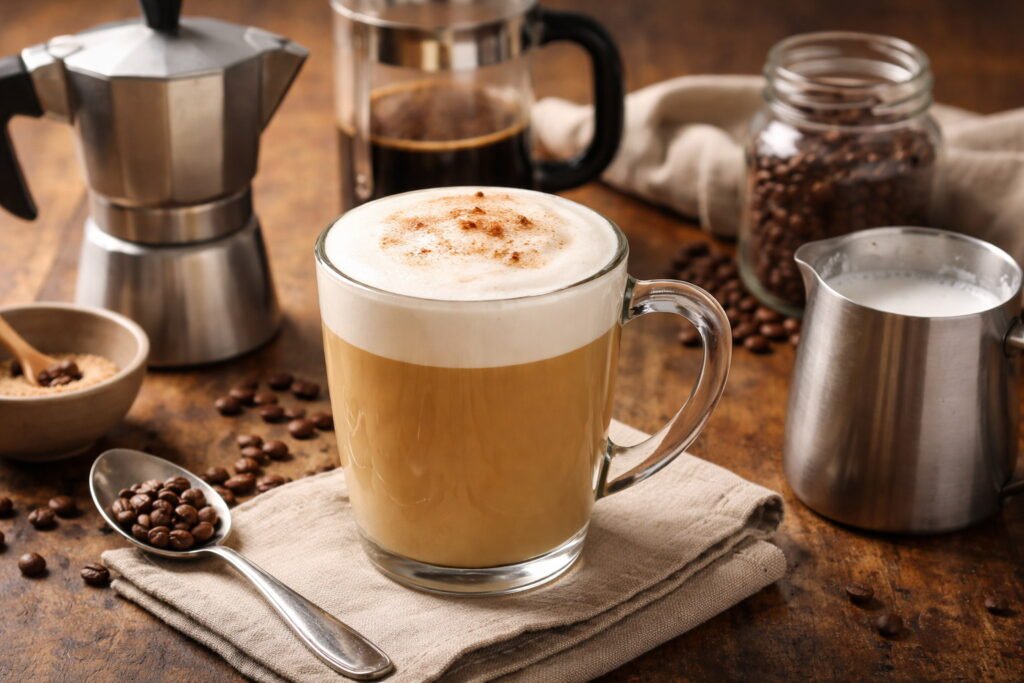
A homemade latte without an espresso machine is essentially a milk-based coffee drink made using strong brewed coffee instead of espresso, combined with heated and frothed milk.
The structure stays the same:
- Coffee base (instead of espresso)
- Steamed or heated milk
- Light foam on top
The main difference lies in intensity. Espresso delivers a bold, concentrated shot, while brewed coffee is naturally lighter. That’s why the goal is to brew coffee stronger than usual to maintain balance.
What to Expect in Taste and Texture
- Slightly less bold than café espresso lattes
- Smoother and more approachable flavor
- Still creamy, comforting, and satisfying
Who This Method Is Perfect For
- Beginners who want simple coffee recipes
- Anyone without expensive equipment
- Coffee lovers who prefer a milder, less intense latte
- Budget-conscious home brewers
This method isn’t about cutting corners—it’s about adapting technique to get great results with what you have.
The Best Coffee Alternatives to Espresso (That Actually Work)
Not all brewing methods are equal when making a homemade latte without an espresso machine. Some produce thin, weak coffee that disappears under milk. Others create a strong, full-bodied base that holds its own.
Here are the most effective options:
French Press (Full-Bodied and Rich)
Produces a heavy, textured cup due to the metal filter allowing oils through.
- Grind size: Coarse
- Brew time: 4 minutes
- Why it works: Rich mouthfeel mimics espresso body
Tip: Use a higher coffee-to-water ratio (around 1:12) for extra strength.
AeroPress (Closest to Espresso-Like Intensity)
One of the best tools for this purpose. It uses pressure, even if minimal.
- Grind size: Fine to medium-fine
- Brew time: 1–2 minutes
- Why it works: Concentrated, clean, and slightly bold
Tip: Use less water to create a stronger “pseudo-espresso” shot.
Moka Pot (Bold and Classic)
Often called “stovetop espresso,” and for good reason.
- Grind size: Medium-fine
- Flavor: Strong, slightly intense, sometimes bitter
- Why it works: High pressure creates a dense, espresso-like brew
Tip: Remove from heat early to avoid over-extraction.
Strong Drip Coffee (Accessible but Requires Adjustment)
The easiest option, though less ideal unless modified.
- Grind size: Medium
- Adjustment: Increase coffee dose significantly
- Why it works: Convenience, but needs strength to compete with milk
Quick Comparison
| Method | Strength | Body | Ease of Use | Latte Quality |
| AeroPress | High | Medium | Easy | ⭐⭐⭐⭐☆ |
| Moka Pot | High | High | Medium | ⭐⭐⭐⭐☆ |
| French Press | Medium | High | Easy | ⭐⭐⭐☆☆ |
| Drip Coffee | Low–Med | Low | Very Easy | ⭐⭐☆☆☆ |
Essential Ingredients for a Homemade Latte Without Espresso Machine
Great coffee starts with the basics. When making a homemade latte without an espresso machine, each ingredient plays a bigger role since you’re relying on technique rather than equipment.
Coffee: Choose the Right Beans and Strength
The coffee base is your foundation. Go for beans that naturally pair well with milk.
- Best roast level: Medium-dark to dark roast
- Flavor profile: Chocolatey, nutty, caramel notes
- Grind freshness: Freshly ground always wins
Pro tip: Use a stronger brew ratio (1:12 or even 1:10) instead of the standard 1:15. This ensures your coffee doesn’t get lost in the milk.
Milk: Texture and Taste Matter
Milk transforms strong coffee into a latte. The goal is a creamy texture with stable foam.
- Whole milk: Best balance of creaminess and foam
- Low-fat milk: Easier to froth but lighter body
- Plant-based options:
- Oat milk → creamy and naturally sweet
- Soy milk → great foam stability
- Almond milk → lighter, nutty taste
Key detail: Heat milk to around 60–65°C (140–150°F). Too hot, and it loses sweetness and texture.
Sweeteners and Flavor Add-Ins (Optional)
A homemade latte is easy to customize.
- Sugar, honey, or maple syrup
- Vanilla extract or vanilla syrup
- Chocolate syrup for mocha
- Cinnamon or nutmeg for warmth
Start small—you can always add more, but you can’t take it out.
Water: The Hidden Ingredient
Water makes up most of your coffee, yet it’s often ignored.
- Use filtered water for cleaner flavor
- Avoid distilled water (it flattens taste)
Step-by-Step: How to Make a Homemade Latte Without Espresso Machine
This is where everything comes together. Follow this method, and you’ll consistently get a smooth, balanced latte at home.
Step 1: Brew Strong Coffee
Choose your method (AeroPress, Moka pot, or French press) and increase the coffee dose.
- Aim for a concentrated, bold cup
- Example ratio: 1:12 (coffee to water)
- Brew time depends on your method
The result should taste slightly stronger than what you’d normally drink black.
Step 2: Heat the Milk Properly
Pour milk into a saucepan or microwave-safe container.
- Heat gently until steaming—not boiling
- Ideal temperature: 60–65°C (140–150°F)
If it’s too hot to comfortably touch the container, you’ve likely gone too far.
Step 3: Froth the Milk Without a Machine
You don’t need fancy tools to get foam. (More techniques in the next section.)
- Create microfoam (fine, silky bubbles)
- Avoid large, airy bubbles
The milk should look glossy, almost like wet paint.
Step 4: Combine Coffee and Milk
Now build your latte.
- Pour coffee into a cup first
- Add hot milk slowly
- Hold back foam with a spoon, then add it on top
Ideal ratio:
- 1 part strong coffee
- 3 parts milk
Adjust depending on how bold or creamy you like it.
Step 5: Finish and Customize
Top it off with:
- A thin layer of foam
- Sweetener or flavor if desired
Optional: Lightly tap or swirl the cup to integrate foam and milk for a smoother texture.
How to Froth Milk Without a Frother (3 Easy Methods)
Creating foam is what separates regular coffee with milk from a true latte experience. Luckily, there are simple ways to do it at home.
Jar Method (Quick and Accessible)
Perfect if you don’t have any tools.
How it works:
- Pour warm milk into a jar (fill halfway)
- Seal tightly and shake for 15–30 seconds
- Microwave briefly to stabilize foam
Result:
- Light, airy foam
- Slightly larger bubbles
Best for: Beginners and quick lattes
French Press Method (Surprisingly Effective)
One of the best manual frothing techniques.
How it works:
- Add warm milk to the French press
- Pump the plunger up and down rapidly
- Continue until milk doubles in volume
Result:
- Thick, creamy foam
- Closer to café-style texture
Best for: Consistent, high-quality results
Hand Whisk or Electric Mixer (Control and Precision)
Great if you want more control over texture.
How it works:
- Whisk heated milk vigorously
- Focus on incorporating small air bubbles
Result:
- Fine foam with practice
- Adjustable texture
Best for: Those who want to refine technique
Quick Comparison of Frothing Methods
| Method | Foam Quality | Effort | Best Use Case |
| Jar | Medium | Low | Quick, no tools |
| French Press | High | Medium | Best overall |
| Whisk/Mixer | Medium–High | Medium | More control |
Homemade Latte Without Espresso Machine: Common Mistakes to Avoid
Even with the right tools, a few small missteps can turn your homemade latte without an espresso machine into something flat or unbalanced. Fix these, and your results improve instantly.
Weak Coffee Base
Milk naturally softens coffee. If your base isn’t strong enough, the latte tastes diluted.
- Use a higher coffee dose (1:10–1:12 ratio)
- Choose brewing methods that produce more body (AeroPress, Moka pot)
Fix: If it tastes like “milky water,” your coffee isn’t concentrated enough.
Overheating the Milk
Milk changes chemically when overheated. It loses sweetness and becomes slightly burnt.
- Ideal range: 60–65°C (140–150°F)
- Avoid boiling or bubbling
Fix: Heat gently and stop when it’s hot but still comfortable to handle.
Incorrect Milk-to-Coffee Ratio
Too much milk hides the coffee. Too little makes it harsh.
- Standard latte ratio: 1 part coffee to 3 parts milk
- Adjust slightly based on taste preference
Fix: Dial the ratio before adjusting anything else—it has the biggest impact.
Foam That Disappears Too Quickly
Large bubbles break fast, leaving flat milk behind.
- Avoid aggressive shaking without control
- Aim for microfoam (fine, silky bubbles)
Fix: Use a French press or whisk technique for more stable foam.
Using the Wrong Coffee Roast
Light roasts can taste too acidic when mixed with milk.
- Choose medium-dark or dark roast for better balance
Fix: Look for flavor notes like chocolate, caramel, or nuts.
Flavor Variations You Can Make at Home
Once you’ve mastered the base, your homemade latte without an espresso machine becomes a canvas. Small additions can completely transform the flavor.
Vanilla Latte (Smooth and Comforting)
- Add ½ teaspoon vanilla extract or vanilla syrup
- Pairs beautifully with medium-dark roasts
Flavor profile: Soft, slightly sweet, and aromatic
Caramel Latte (Rich and Sweet)
- Stir in caramel syrup or sauce
- Add a pinch of salt for a salted caramel twist
Flavor profile: Buttery sweetness with a deeper finish
Mocha Latte (Chocolate Lover’s Favorite)
- Mix 1 teaspoon cocoa powder or chocolate syrup into coffee before adding milk
Flavor profile: Balanced bitterness with chocolate richness
Iced Latte Variation (Refreshing and Light)
- Brew strong coffee and let it cool
- Pour over ice, then add cold milk
- Optional: Shake milk first for light foam
Tip: Use coffee ice cubes to avoid dilution.
Dairy-Free Flavor Tweaks
Plant-based milks naturally influence taste:
- Oat milk: Adds creaminess and mild sweetness
- Almond milk: Light and slightly nutty
- Soy milk: Neutral and foam-friendly
Experimenting with milk alone can create entirely new flavor profiles.
Choosing the Right Milk for Better Foam and Taste
Milk choice can make or break your latte. Texture, foam stability, and flavor all depend on what you pour into your cup.
Dairy Milk: Classic and Reliable
- Whole milk:
- Creamiest texture
- Rich flavor
- Best for latte-style drinks
- Skim milk:
- Froths easily
- Lighter body
- Less creamy mouthfeel
Insight: Fat adds richness, while protein helps create stable foam.
Plant-Based Milk: Modern Alternatives
Not all non-dairy options behave the same.
- Oat milk:
- Excellent for lattes
- Naturally creamy and slightly sweet
- Easy to froth
- Soy milk:
- Strong foam structure
- Neutral taste
- Closest to dairy in performance
- Almond milk:
- Light and airy
- Harder to create dense foam
Barista Versions: Worth It?
Many brands offer “barista” versions of plant-based milk.
- Designed for better foam and heat stability
- Often slightly creamier
Worth considering if you make lattes regularly.
Quick Milk Comparison
| Milk Type | Creaminess | Foam Quality | Flavor Impact |
| Whole Milk | High | High | Rich, classic |
| Skim Milk | Low | Medium–High | Light |
| Oat Milk | High | High | Slightly sweet |
| Soy Milk | Medium | High | Neutral |
| Almond Milk | Low | Medium | Nutty |
Tips to Make Your Homemade Latte Taste Like a Coffee Shop Drink
Getting close to café quality isn’t about luck—it’s about small, intentional upgrades. These tips elevate your homemade latte without an espresso machine from decent to genuinely impressive.
Use Freshly Ground Coffee
Pre-ground coffee loses aroma quickly.
- Grind just before brewing
- Aim for consistent grind size based on your method
Result: Brighter aroma and fuller flavor in every sip
Control Brewing Strength Precisely
Your latte depends on a strong base.
- Stick to a 1:10–1:12 ratio
- Adjust based on taste, not guesswork
Tip: If your latte tastes flat, increase coffee—not sugar.
Balance Sweetness and Bitterness
A good latte isn’t overly sweet—it’s balanced.
- Add sweeteners gradually
- Taste after each adjustment
Insight: Milk already adds natural sweetness when heated properly.
Improve Milk Texture (Game Changer)
Texture is what separates average from café-level drinks.
- Aim for microfoam (silky, glossy milk)
- Tap the container lightly to remove large bubbles
- Swirl before pouring to integrate foam
Simple Presentation Tricks
Visual appeal changes the experience.
- Pour milk slowly to create natural layering
- Finish with a thin foam cap
- Try simple latte art like a heart or swirl
Quick Comparison: Homemade Latte vs. Café Latte
Understanding the difference helps you set expectations—and improve results.
| Feature | Homemade Latte (No Machine) | Café Latte |
| Coffee Base | Strong brewed coffee | Espresso |
| Flavor Intensity | Medium | High |
| Texture | Slightly lighter | Creamy, dense |
| Cost per Cup | Very low | Expensive over time |
| Convenience | High | Depends on location |
Budget-Friendly Tools That Improve Your Results
You don’t need a full espresso setup, but a few affordable tools can dramatically improve your homemade latte without an espresso machine.
Manual Milk Frother
- Easy to use
- Produces consistent foam
- Affordable upgrade
French Press (Multi-Use Hero)
- Brews coffee and froths milk
- Great value for beginners
Milk Thermometer
- Helps you hit the perfect 60–65°C range
- Prevents overheating
Coffee Grinder
- Fresh grind = better flavor
- Even a basic burr grinder makes a difference
FAQ: Homemade Latte Without Espresso Machine
Can I use instant coffee for a homemade latte without an espresso machine?
Yes, but the flavor will be noticeably lighter and less complex. Use less water than usual to make it stronger.
What’s the best coffee-to-milk ratio for a latte?
Start with 1:3 (coffee to milk), then adjust depending on how strong or creamy you prefer your drink.
How do I make my latte stronger without an espresso machine?
Increase your coffee dose, reduce water slightly, or use methods like AeroPress or Moka pot for higher concentration.
What grind size should I use for stronger coffee?
Match the grind to your brewing method: coarse for French press, fine for AeroPress or Moka pot. Strength comes from ratio, not just grind size.
How long should I brew coffee for a latte base?
It depends on the method: around 1–2 minutes for AeroPress, 4 minutes for French press, and until extraction completes for Moka pot.
Can I store leftover frothed milk?
Not recommended. Foam collapses quickly and reheating affects texture and taste.
Deepening Your Coffee Knowledge (Optional but Powerful)
If you want to refine your technique further, understanding brewing standards can help. The Specialty Coffee Association (SCA) provides guidelines on extraction, ratios, and flavor balance that professionals rely on:
Even a basic understanding of these principles can noticeably improve your results at home.
Mastering a homemade latte without an espresso machine comes down to technique, not expensive gear. Focus on strong coffee, well-textured milk, and small refinements—and your daily cup will keep getting better.
Try one method today, tweak it to your taste, and turn your kitchen into your favorite coffee spot.

Meet Suzee Amelia, the creative voice behind this space—a blog dedicated to exploring coffee culture, lifestyle insights, and everyday inspiration. With a passion for discovering rich flavors and sharing practical tips, Sophie Langford brings a thoughtful and engaging approach to every post.
