

Brewing a single cup sounds simple—but the best way to make coffee for one person is where precision, technique, and small details really matter. One wrong ratio or grind size can throw off the entire cup. The upside? When done right, single-cup brewing delivers fresher, more flavorful coffee than most batch methods.
This guide breaks down exactly how to brew the perfect solo cup—from choosing the right method to dialing in ratios, grind size, and technique. Expect practical tips, step-by-step guidance, and smart comparisons to help you find your ideal routine.
In This Article
Why Brewing Coffee for One Is Different (And Better Than You Think)
Making coffee for one isn’t just a scaled-down version of brewing a full pot. It’s a completely different approach that rewards attention to detail.
Single-cup brewing gives you full control over every variable—from water temperature to pouring technique. There’s no need to compromise for larger batches, which often sacrifice consistency for volume.
What Makes It Unique
- Freshness is guaranteed: You brew only what you drink, eliminating stale leftovers
- More control over flavor: Adjust strength, body, and aroma per cup
- Less waste: No unused coffee sitting on a hot plate
- Faster experimentation: Easy to tweak and improve with each brew
Many people assume single-cup brewing is limiting. In reality, it’s the fastest way to improve your coffee skills because every change you make is immediately noticeable.
Common Mistakes to Avoid
- Using the same measurements as a full coffee maker
- Ignoring brew time because “it’s just one cup”
- Using stale pre-ground coffee that loses flavor quickly
Key takeaway: Brewing for one amplifies both good and bad habits. Small improvements make a big difference.
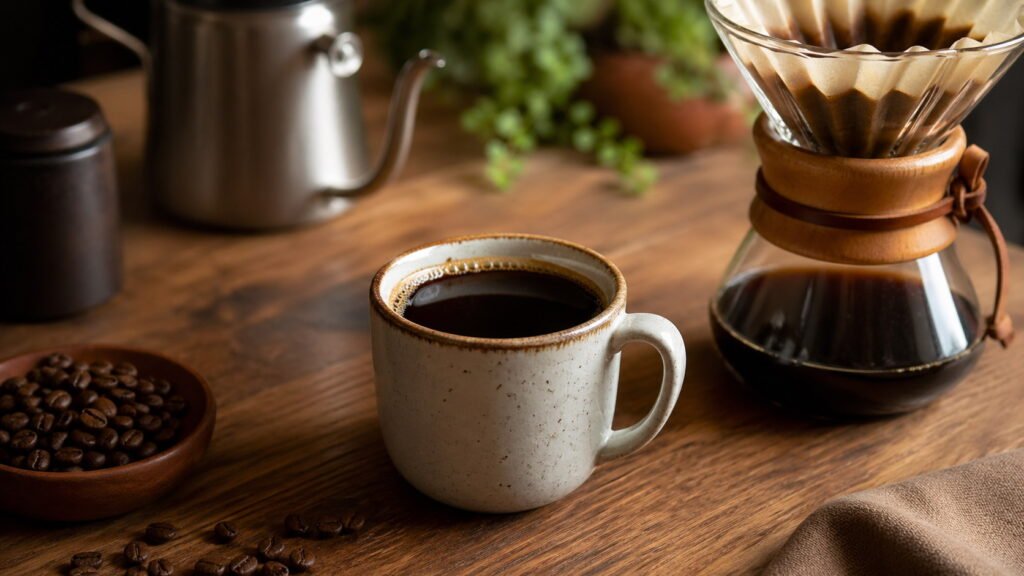
What Defines the Best Way to Make Coffee for One Person?
There’s no universal “best” method. The right choice depends on how you balance taste, convenience, cost, and time.
A slow pour-over might produce the cleanest flavor, but it’s not ideal when you’re rushing out the door. Meanwhile, a pod machine is fast but limits flavor control.
The Four Factors That Matter Most
Taste Quality
The richness, clarity, and balance of your cup. Manual methods usually win here.
Convenience
How easy and quick the process is. Machines and instant options dominate this category.
Cost
Both upfront equipment and long-term coffee expenses.
Time Investment
How long it takes from start to first sip—including cleanup.
Matching Method to Lifestyle
- Busy mornings → AeroPress or single-serve machine
- Slow, mindful routine → Pour-over or French press
- Minimal effort → Instant coffee with upgrades
- Travel or small spaces → Compact, manual brewers
The “best way” is the one you’ll actually use consistently. Even the most advanced setup won’t help if it feels like a chore.
Key insight: The perfect single-cup method is personal—built around your routine, not just taste preferences.
Coffee-to-Water Ratio: The Foundation of a Perfect Single Cup
If there’s one thing that separates average coffee from exceptional coffee, it’s the ratio. Even the best beans can taste flat or bitter if the balance is off.
The standard starting point for single-cup brewing is:
- 1:15 ratio → Stronger, richer cup
- 1:17 ratio → Balanced and smooth
- 1:18 ratio → Lighter, more delicate
What This Looks Like in Practice
| Coffee (grams) | Water (ml) | Strength Profile |
| 15g | 225ml | Strong |
| 15g | 255ml | Balanced |
| 15g | 270ml | Light |
A small digital scale makes this easy, but even rough consistency helps.
How to Adjust Without Ruining Flavor
- Coffee tastes too bitter? Use more water or grind coarser
- Coffee tastes too weak? Use less water or grind finer
- Coffee tastes sour? Increase brew time or adjust grind
Why Eyeballing Doesn’t Work Well
Measuring by scoops or guessing water levels often leads to inconsistent results. With single-cup brewing, small errors are magnified.
5 Best Brewing Methods for One Person (Compared)
Choosing the best way to make coffee for one person often comes down to picking the right brewing method. Each option offers a different balance of flavor, speed, and effort.
Quick Comparison at a Glance
| Method | Taste Profile | Time | Ease of Use | Cleanup | Cost |
| Pour-over | Clean, bright | 3–5 min | Moderate | Easy | Low |
| French press | Rich, full-bodied | 4–6 min | Easy | Medium | Low |
| AeroPress | Smooth, versatile | 2–3 min | Easy | Easy | Low |
| Single-serve | Consistent, simple | 1–2 min | Very easy | Very easy | Medium |
| Instant coffee | Basic, fast | <1 min | Easiest | None | Very low |
Pour-Over (Precision and Clarity)
Perfect for those who enjoy a clean, nuanced cup. This method highlights subtle flavors and aromas, especially with high-quality beans.
Best for: Flavor control, slow mornings, coffee enthusiasts
French Press (Bold and Full-Bodied)
Produces a heavier cup with more oils and texture. Great if you prefer a richer mouthfeel.
Best for: Strong coffee lovers, minimal equipment users
AeroPress (Fast and Flexible)
One of the most versatile tools for single-cup brewing. You can experiment with pressure, time, and ratios to create different styles.
Best for: Busy mornings, travel, consistent results
Single-Serve Machines (Convenience First)
Push a button and get a consistent cup. Limited customization, but unbeatable speed.
Best for: Speed, convenience, minimal effort
Instant Coffee (Quick Fix Option)
Modern instant coffee has improved significantly. While it won’t match fresh brewing, it’s useful in a pinch.
Best for: Emergencies, travel, ultra-fast routines
Key takeaway: If flavor matters most, go manual (pour-over or AeroPress). If time matters most, choose convenience.
Step-by-Step: Best Way to Make Coffee for One Person Using Pour-Over
Pour-over is widely considered the best way to make coffee for one person when flavor quality is the priority. It gives you complete control over extraction.
What You’ll Need
- Pour-over dripper (V60 or similar)
- Paper filter
- Freshly ground coffee
- Kettle (preferably gooseneck)
- Mug or server
- Optional: scale and timer
Ideal Setup
- Grind size: Medium (like coarse sand)
- Ratio: 1:16 (e.g., 15g coffee to 240ml water)
- Water temperature: 90–96°C
Step-by-Step Process
1. Rinse the filter
Place the filter in the dripper and rinse with hot water to remove paper taste and preheat your setup.
2. Add coffee grounds
Pour in your measured coffee and gently level the surface.
3. Bloom (30–45 seconds)
Add a small amount of water (about 2–3x the coffee weight). This releases trapped gases and improves extraction.
4. Controlled pouring
Slowly pour the remaining water in circular motions. Avoid pouring too fast or directly onto the filter edges.
5. Let it drain
Total brew time should land around 2.5 to 3 minutes.
Common Pour-Over Mistakes
- Pouring too aggressively, causing uneven extraction
- Using water that’s too hot or too cool
- Skipping the bloom phase
- Inconsistent grind size
Pro tip: A steady, slow pour matters more than fancy equipment.
The Fastest Method: Making Great Coffee for One in Under 2 Minutes
Sometimes speed wins. The good news is you don’t have to sacrifice flavor completely when you’re short on time.
Best Quick Options
AeroPress (Top Pick for Speed + Quality)
- Brew time: ~2 minutes
- Produces a smooth, balanced cup
- Easy cleanup with minimal effort
Single-Serve Pod Machines
- Brew time: ~1 minute
- Consistent results with zero technique required
- Limited control over flavor strength
Upgraded Instant Coffee
- Brew time: <1 minute
- Choose higher-quality instant brands for better taste
- Add hot milk or a pinch of salt to improve flavor
How to Make Fast Coffee Taste Better
- Use hot—but not boiling—water to avoid bitterness
- Stir thoroughly to ensure even extraction
- Add a small amount of fresh milk or foam for texture
- Try a dash of cinnamon or sugar to enhance flavor
When to Choose Speed Over Ritual
- Early mornings before work
- Quick caffeine boost during the day
- Travel or limited kitchen access
Choosing the Right Beans for Single-Cup Brewing
Great coffee starts long before hot water hits the grounds. When you’re brewing just one cup, bean quality becomes even more noticeable—there’s nowhere for flaws to hide.
Whole Beans vs Pre-Ground
Whole beans (recommended)
Grinding right before brewing preserves aroma and flavor. You’ll notice brighter acidity and more defined notes.
Pre-ground coffee
Convenient, but loses freshness quickly. Works best if used within a week of opening.
Key insight: For the best way to make coffee for one person, freshly ground beans make the biggest difference with the least effort.
Choosing the Right Roast Level
- Light roast → Bright, fruity, more complex (great for pour-over)
- Medium roast → Balanced, slightly sweet (works for most methods)
- Dark roast → Bold, smoky, lower acidity (ideal for French press or quick brews)
Single-cup brewing often highlights subtle flavors, so lighter roasts tend to shine more—especially with manual methods.
Keep Your Beans Fresh Longer
- Store in an airtight container away from light and heat
- Avoid the fridge (moisture ruins flavor)
- Buy smaller quantities you’ll use within 2–3 weeks
Pro tip: If your coffee smells flat before brewing, it will taste even flatter in the cup.
Grind Size Matters More Than You Think
Grind size controls how quickly water extracts flavor. With single-cup brewing, even a small mismatch can lead to noticeable bitterness or sourness.
Match Grind Size to Your Brewing Method
- Pour-over → Medium grind (like coarse sand)
- French press → Coarse grind (like sea salt)
- AeroPress → Fine to medium (depending on recipe)
- Instant coffee → No grinding needed
What Happens When Grind Size Is Wrong
- Too fine → Over-extraction → Bitter, harsh taste
- Too coarse → Under-extraction → Sour, weak flavor
Because you’re brewing a small amount, these issues show up immediately.
Easy Fixes Without Overthinking
- Coffee tastes bitter? Go slightly coarser
- Coffee tastes sour or thin? Go slightly finer
- Brew draining too fast? Grind finer
- Brew taking too long? Grind coarser
Key takeaway: Dialing in grind size is one of the fastest ways to improve your single-cup coffee—often more impactful than changing beans.
Water Quality and Temperature: The Hidden Game-Changer
Coffee is about 98% water, yet it’s often overlooked. Poor water quality can mute flavors or introduce unwanted bitterness.
Ideal Water Temperature
- 90–96°C (195–205°F) is the sweet spot
- Too hot → extracts harsh, bitter compounds
- Too cool → leads to weak, underdeveloped flavor
If you don’t have a thermometer, let boiling water sit for about 30–45 seconds before pouring.
Why Water Quality Matters
Tap water with high mineral content or chlorine can distort taste. Even great beans won’t shine with poor water.
Simple Ways to Improve Your Water
- Use filtered water for cleaner taste
- Avoid distilled water (lacks minerals needed for extraction)
- Use fresh water each time—never reboil old water
How Water Affects Flavor
- Balanced minerals enhance sweetness and body
- Too many minerals can make coffee taste dull
- Too few minerals can make it taste flat or sour
Pro insight: If your coffee tastes off despite good technique, water is often the hidden culprit.
Budget vs Premium: Do You Need Fancy Equipment for One Cup?
It’s easy to assume better coffee requires expensive gear. In reality, the best way to make coffee for one person often comes down to technique—not price.
Minimalist Setup (Budget-Friendly)
You can brew an excellent cup with just a few essentials:
- Pour-over dripper or French press
- Basic kettle
- Fresh coffee beans
- Spoon or simple measuring tool
Why it works: Simplicity forces consistency. With the right ratio and grind size, even low-cost gear delivers great results.
Mid-Range Setup (Best Value for Most People)
If you want more consistency and control:
- Burr grinder (more uniform grind)
- Gooseneck kettle (better pouring control)
- Digital scale (accurate ratios)
Why upgrade: These tools reduce guesswork and improve repeatability.
Premium Setup (For Coffee Enthusiasts)
Higher-end gear can enhance precision, but the improvements are subtle:
- Precision kettles with temperature control
- High-end grinders with micro-adjustments
- Specialty drippers and accessories
When it’s worth it: If you enjoy experimenting and want to refine every detail of your brew.
Key takeaway: You don’t need expensive equipment to make great coffee for one. Focus on technique first—upgrade only when you feel limited.
Flavor Boosting Tips for Your Solo Coffee Routine
Once your basics are dialed in, small tweaks can elevate your coffee from good to exceptional.
Simple Ways to Upgrade Flavor
- Add a pinch of salt to reduce bitterness
- Sprinkle cinnamon or nutmeg for warmth and aroma
- Use frothed milk for a café-style texture
- Try honey or brown sugar instead of white sugar
Improve Texture and Balance
- Preheat your mug to keep coffee hotter longer
- Stir after brewing to evenly distribute flavors
- Use slightly hotter water for darker roasts
Experiment With Flavor Profiles
- Light roast → enhance brightness with a slightly higher ratio
- Dark roast → smooth it out with a bit more water
- Medium roast → adjust based on taste preference
Pro tip: Make one small change at a time so you can clearly taste the difference.
Common Mistakes When Making Coffee for One Person
Small batches magnify mistakes. Avoiding these will instantly improve your results.
Most Common Errors
- Using incorrect ratios → leads to weak or overpowering coffee
- Ignoring brew time → affects extraction balance
- Using stale beans → flat, lifeless flavor
- Wrong grind size → causes bitterness or sourness
- Skipping water quality → dull or off-tasting coffee
Overcomplicating the Process
Trying too many techniques at once often leads to inconsistent results. Start simple, then refine.
Key takeaway: Fixing just one mistake can dramatically improve your single-cup coffee.
Best Way to Make Coffee for One Person Based on Your Lifestyle
Your routine should guide your method—not the other way around.
For Busy Professionals
- Best choice: AeroPress or single-serve machine
- Why: Fast, reliable, minimal cleanup
For Coffee Enthusiasts
- Best choice: Pour-over
- Why: Maximum control and flavor clarity
For Minimalists or Travelers
- Best choice: AeroPress or instant coffee upgrades
- Why: Portable, simple, efficient
For Comfort Seekers
- Best choice: French press
- Why: Rich, satisfying, low effort
Key insight: The best way to make coffee for one person is the one that fits seamlessly into your daily routine.
FAQs About Making Coffee for One
What is the easiest way to make coffee for one person?
The easiest method is a single-serve machine or instant coffee. Both require minimal effort and deliver quick results.
How many grams of coffee do I need for one cup?
A good starting point is 15–18 grams of coffee for 240–270 ml of water, depending on your preferred strength.
Is it better to use a coffee maker or manual method?
Manual methods like pour-over or AeroPress offer better flavor control, while coffee makers prioritize convenience.
Can I make good coffee without a scale?
Yes, but consistency improves with a scale. Without one, use the same scoop and water level each time.
What’s the cheapest way to make single-serve coffee?
A basic pour-over or French press setup is affordable and produces better flavor than most budget alternatives.
What grind size is best for single-cup brewing?
It depends on the method: medium for pour-over, coarse for French press, and fine to medium for AeroPress.
Final Thoughts: Build Your Perfect Single-Cup Ritual
Mastering the best way to make coffee for one person isn’t about chasing perfection—it’s about building a routine that works for you. Start with the right ratio, dial in your grind size, and choose a method that fits your lifestyle.
If you want to go deeper into brewing standards and coffee science, the Specialty Coffee Association offers helpful resources: https://sca.coffee
Your next step is simple: pick one method, try it tomorrow morning, and adjust based on taste. Great coffee isn’t complicated—it just rewards attention.

Meet Suzee Amelia, the creative voice behind this space—a blog dedicated to exploring coffee culture, lifestyle insights, and everyday inspiration. With a passion for discovering rich flavors and sharing practical tips, Sophie Langford brings a thoughtful and engaging approach to every post.
