

Great coffee doesn’t require a café setup or expensive gear—you just need to understand how to make rich coffee flavor at home with the right fundamentals. Richness isn’t about making your coffee stronger; it’s about unlocking depth, aroma, and balance in every sip.
This guide breaks down exactly what creates that full-bodied, satisfying taste—and how you can consistently achieve it using better beans, smarter grinding, and the right brewing decisions. Expect practical tips, real-world insights, and simple adjustments that make a noticeable difference from your very next cup.
In This Article
What Does “Rich Coffee Flavor” Actually Mean?
“Rich” gets thrown around a lot in coffee conversations, but it’s not just about intensity. A truly rich cup combines body, aroma, flavor complexity, and balance.
The Core Elements of Richness
- Body: The weight or texture of coffee on your tongue (light vs creamy vs heavy)
- Aroma: The fragrance that hits before and during sipping
- Flavor depth: Layers of taste—chocolatey, nutty, fruity, or caramel-like
- Balance: No single note overpowering the rest
A rich coffee feels full and rounded, not sharp or hollow.
Strong vs Rich Coffee (They’re Not the Same)
Many people confuse strength with richness. Strong coffee simply has more dissolved coffee solids, often from using more grounds. Rich coffee, on the other hand, comes from proper extraction and quality beans.
- Strong but poorly brewed coffee → bitter, harsh
- Rich, well-brewed coffee → smooth, deep, and satisfying
Why Café Coffee Often Tastes Better
Coffee shops tend to dial in every variable—fresh beans, precise grind size, controlled water temperature, and exact brew ratios. Replicating that level of control at home is easier than it sounds once you know what to adjust.
The Foundation of Rich Coffee Flavor at Home: It Starts with Beans
If your beans are mediocre, no brewing trick will magically fix them. Rich coffee flavor begins long before hot water hits the grounds.
Fresh vs Stale Beans: Flavor Drops Fast
Coffee starts losing its aromatic compounds within days after roasting.
Best practice:
- Buy beans roasted within the last 2–3 weeks
- Avoid pre-ground coffee if possible
- Store in an airtight container away from light and heat
Fresh beans produce noticeably more aroma and depth—this alone can transform your coffee.
Arabica vs Robusta: Which Is Richer?
- Arabica: Smoother, more complex, often with chocolatey or fruity notes
- Robusta: Stronger, more bitter, higher caffeine, heavier body
For most home brewers aiming for richness, Arabica or Arabica-dominant blends offer better flavor complexity. Robusta can add body, but too much can overpower the cup.
Single-Origin vs Blends
- Single-origin: Highlights unique flavors (bright, fruity, or floral)
- Blends: Designed for balance and consistency
If you want layered richness, a well-crafted blend often delivers better results at home.
Roast Levels and Their Impact on Richness
Roast level changes how flavors develop:
- Light roast: Bright acidity, more origin character, lighter body
- Medium roast: Balanced, sweet, and approachable
- Dark roast: Bold, smoky, heavier body
For a classic “rich” profile, medium to medium-dark roasts tend to hit the sweet spot—full-bodied without excessive bitterness.
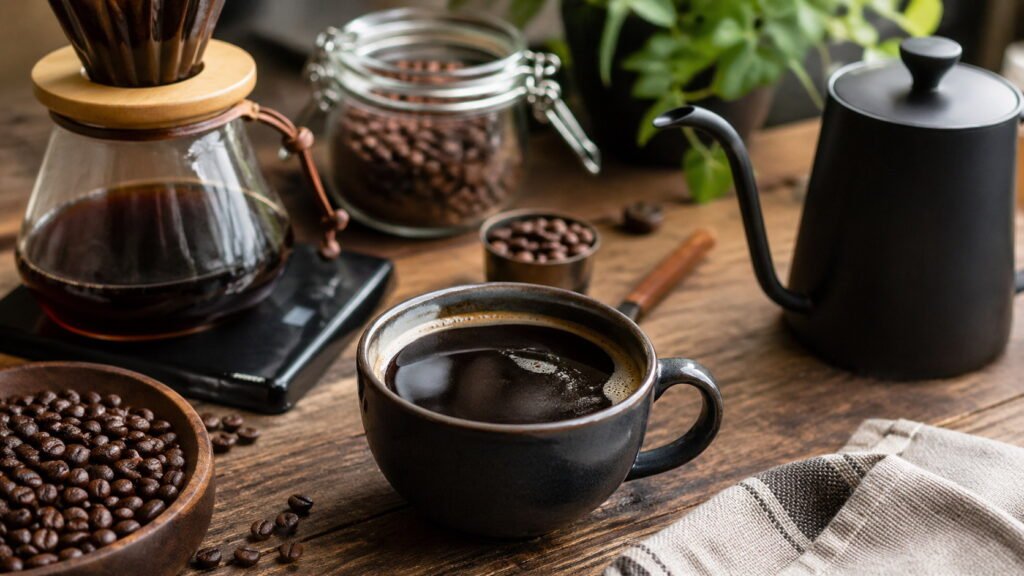
How to Make Rich Coffee Flavor at Home by Choosing the Right Grind
Grind size is one of the most overlooked factors, yet it directly controls how much flavor gets extracted.
Why Grind Size Changes Everything
Water extracts coffee compounds as it passes through the grounds. Grind size determines how fast or slow that happens.
- Too coarse → under-extracted → weak, sour, flat
- Too fine → over-extracted → bitter, harsh
Dialing in the right grind is essential for achieving richness.
Matching Grind Size to Brewing Method
| Brewing Method | Ideal Grind Size | Result |
| French Press | Coarse | Full-bodied, heavy texture |
| Pour-Over | Medium | Balanced and clean |
| Espresso | Fine | Intense and concentrated |
| AeroPress | Medium-fine | Smooth with depth |
Using the wrong grind size is one of the fastest ways to ruin otherwise good beans.
Burr Grinder vs Blade Grinder: Does It Matter?
It matters more than most people expect.
- Blade grinder: Inconsistent particle sizes → uneven extraction
- Burr grinder: Uniform grind → balanced flavor
A burr grinder doesn’t just improve consistency—it makes your coffee taste noticeably richer and smoother.
When to Grind for Maximum Flavor
Grinding right before brewing preserves volatile aromas that disappear quickly after exposure to air.
Quick tip:
Grind only what you need, right before brewing. Even a 10-minute delay can reduce flavor intensity.
Brewing Methods That Naturally Create a Richer Cup
The brewing method you choose shapes the body, intensity, and overall richness of your coffee. Some methods naturally extract more oils and solids, which translates to a deeper, fuller taste.
French Press: Full-Bodied and Bold
A French press uses immersion brewing, allowing coffee grounds to steep fully in water.
Why it creates rich flavor:
- No paper filter → more natural oils remain in the cup
- Longer contact time → deeper extraction
- Produces a heavy, creamy body
Best for: Chocolatey, nutty, and bold flavor profiles
Espresso: Concentrated Richness in Every Sip
Espresso forces hot water through finely ground coffee under pressure.
What makes it rich:
- High pressure extracts intense flavors quickly
- Creates crema (that golden layer packed with aroma)
- Produces a dense, syrupy texture
Even without a machine, espresso-style brewing (like moka pots) can deliver similar richness at home.
Pour-Over: Precision Meets Complexity
Pour-over methods give you control over every variable.
Why it can still be rich:
- Controlled pouring enhances even extraction
- Highlights layered flavors without muddiness
- Produces a clean yet complex cup
Richness here is more about depth and clarity than heaviness.
AeroPress: Balanced Richness with Flexibility
The AeroPress combines immersion and pressure, making it highly versatile.
What makes it stand out:
- Adjustable brew time and pressure
- Can mimic espresso or drip-style coffee
- Produces a smooth, well-rounded richness
Quick Comparison: Which Method Fits Your Taste?
| Method | Body Level | Flavor Style | Ease of Use |
| French Press | High | Bold, heavy | Easy |
| Espresso | Very High | Intense, concentrated | Moderate |
| Pour-Over | Medium | Clean, complex | Moderate |
| AeroPress | Medium-High | Balanced, smooth | Easy |
Key takeaway:
If you want heavier richness, go for French press or espresso. If you prefer refined depth, pour-over or AeroPress will deliver.
Water: The Overlooked Ingredient That Can Ruin or Elevate Flavor
Coffee is about 98% water, yet it’s often treated as an afterthought. Poor water quality can flatten even the best beans.
Ideal Water Temperature for Extraction
Water that’s too hot or too cool disrupts flavor extraction.
- Optimal range: 90–96°C (195–205°F)
- Too hot → bitter, over-extracted taste
- Too cool → weak, underdeveloped flavor
Let boiling water sit for about 30–45 seconds before pouring if you don’t have a thermometer.
Why Water Quality Matters More Than You Think
Minerals in water help extract flavor compounds, but balance is crucial.
- Distilled water → flat, lifeless coffee
- Hard water → dull or chalky taste
- Filtered water → clean and balanced extraction
Best option: Use filtered water with moderate mineral content.
Common Water Mistakes That Kill Richness
- Using straight tap water with strong chlorine taste
- Reboiling water multiple times (reduces oxygen content)
- Ignoring scale buildup in kettles or machines
Fixing your water alone can dramatically improve your results—sometimes more than changing beans.
Coffee-to-Water Ratio: The Secret Formula for Rich Coffee Flavor
Even great beans and perfect brewing can fall flat without the right ratio. This is where many home brewers unknowingly lose richness.
Standard Ratios vs Richer Variations
The classic starting point:
- Standard ratio: 1:15 to 1:17 (coffee to water)
To increase richness:
- Use 1:13 to 1:14 for a fuller body
- Avoid going too strong, which can lead to bitterness instead of richness
Simple Ratio Guide by Brewing Method
| Method | Standard Ratio | Richer Option |
| French Press | 1:15 | 1:13 |
| Pour-Over | 1:16 | 1:14 |
| AeroPress | 1:15 | 1:13 |
| Espresso | 1:2 (brew ratio) | Adjust dose for intensity |
Adjusting Strength Without Adding Bitterness
More coffee doesn’t always mean better flavor. Richness comes from balanced extraction, not overload.
Better approach:
- Fine-tune grind size before increasing coffee dose
- Adjust brew time to control extraction
- Keep ratios consistent, then tweak gradually
A Simple Rule You Can Follow Daily
- Start with a standard ratio
- Taste your coffee
- Adjust slightly (not drastically)
Consistency builds skill—and once dialed in, you’ll get a rich cup every time without guesswork.
Extraction Mastery: How to Make Rich Coffee Flavor Without Bitterness
Rich coffee lives in a narrow window: extract too little and it tastes thin; extract too much and it turns harsh. Mastering extraction is where your cup goes from “okay” to consistently excellent.
Under-Extraction vs Over-Extraction (Quick Diagnosis)
- Under-extracted: sour, sharp, watery, lacks sweetness
- Over-extracted: bitter, dry, lingering harsh finish
Goal: a cup that tastes sweet, rounded, and full, with no single note dominating.
Brew Time by Method (Dial This In First)
| Method | Ideal Brew Time | What to Watch |
| French Press | 4–5 minutes | Short = weak, long = muddy |
| Pour-Over | 2.5–3.5 minutes | Too fast = under-extracted |
| AeroPress | 1.5–2.5 minutes | Adjust steep + press time |
| Espresso | 25–30 seconds | Fast shot = sour, slow = bitter |
Tip: If your coffee tastes off, adjust one variable at a time—usually grind size or brew time.
Signs Your Coffee Needs Adjustment
- Tastes hollow? Grind finer or extend brew time slightly
- Too bitter? Go coarser or shorten brew time
- Flat and dull? Check freshness and water quality
Small changes—like shifting grind size one notch—can completely transform the cup.
Control the Flow, Control the Flavor
Even extraction depends on how evenly water interacts with the grounds.
- Uneven pouring (in pour-over) → patchy extraction
- Channeling (in espresso) → weak, inconsistent flavor
- Poor stirring (in immersion methods) → underdeveloped areas
Consistency beats complexity. Focus on even saturation and stable timing.
Small Tweaks That Instantly Improve Coffee Richness
Once the fundamentals are right, a few simple habits can noticeably boost flavor without extra cost.
Blooming Coffee: Unlock Hidden Aromas
Fresh coffee releases gas (CO₂) when hot water hits it. Blooming lets that gas escape before full extraction.
How to bloom:
- Pour a small amount of water (2–3x the coffee weight)
- Wait 30–45 seconds
- Continue brewing
Result: better extraction and a more aromatic, richer cup—especially for pour-over.
Preheating Equipment: Stop Heat Loss
Cold equipment drops brewing temperature instantly.
- Rinse your filter with hot water
- Warm your French press, mug, or carafe
Why it matters: Stable temperature = more consistent extraction and fuller flavor.
Stirring and Agitation: Even Out the Brew
A quick stir ensures all grounds are evenly saturated.
- French press → stir after adding water
- AeroPress → gentle stir before pressing
- Pour-over → swirl the dripper mid-brew
Avoid overdoing it—too much agitation can lead to bitterness.
Use Fresh, Filtered Water Every Time
This sounds basic, but it’s often overlooked.
- Fresh water = better oxygen content → improved flavor clarity
- Filtered water = removes off-tastes that dull richness
Quick win: If your coffee tastes flat, try changing your water before anything else.
Enhancing Flavor Naturally (Without Ruining the Coffee)
Enhancing richness doesn’t mean masking the coffee—it means supporting its natural flavor.
Milk Techniques for Creaminess (Done Right)
Milk can add body and sweetness when used carefully.
- Steamed milk: creates a silky, rich texture
- Warm milk (not boiling): prevents dilution and preserves flavor
- Microfoam: enhances mouthfeel without overpowering
A small amount goes a long way. Too much milk hides the coffee’s character.
Sweeteners That Complement, Not Overpower
Skip overpowering syrups. Instead, use subtle additions:
- Brown sugar → adds depth and molasses notes
- Honey → light floral sweetness
- Maple syrup → warm, rounded sweetness
Rule: Sweetness should enhance, not dominate.
Flavor Boosters That Actually Work
A few pantry ingredients can elevate richness without making your coffee taste artificial:
- Cinnamon: adds warmth and perceived sweetness
- Cocoa powder: deepens chocolate notes
- Vanilla extract: smooths out sharp edges
Use sparingly—these should sit in the background, not take center stage.
When (and When Not) to Use Creamers
Creamers can add richness, but many contain artificial flavors that flatten complexity.
- Use when you want a dessert-style coffee
- Avoid if you’re working with high-quality beans you want to taste fully
Better alternative: whole milk or a touch of cream for natural richness.
Common Mistakes That Make Coffee Taste Flat or Weak
Even with good beans and decent gear, a few missteps can quietly drain all the richness from your cup.
Using Old or Pre-Ground Coffee
Pre-ground coffee loses aroma quickly. Once those volatile compounds are gone, richness disappears with them.
Fix: Buy whole beans and grind right before brewing.
Wrong Grind Size for the Method
A mismatch here leads to poor extraction.
- Too coarse → thin and sour
- Too fine → bitter and muddy
Fix: Match grind size to your brewing method and adjust in small steps.
Incorrect Brewing Time
Time controls how much flavor gets pulled out.
- Too short → underdeveloped, weak
- Too long → harsh, drying finish
Fix: Stick to recommended brew times, then tweak based on taste.
Poor Storage Habits
Exposure to air, heat, moisture, and light degrades coffee quickly.
Fix: Store beans in an airtight, opaque container in a cool, dry place.
Bottom line: Most “bad coffee” issues come from a few fixable habits—not your equipment.
Storage Hacks to Preserve Rich Coffee Flavor at Home
Keeping your coffee fresh is one of the easiest ways to maintain richness over time.
Best Containers for Freshness
- Airtight containers with one-way valves are ideal
- Opaque materials protect from light
- Avoid clear jars on countertops
Whole Beans vs Ground Storage
- Whole beans retain flavor longer
- Ground coffee oxidizes rapidly
Best approach: Grind only what you need per brew.
Avoid Moisture, Heat, and Light
- Don’t store coffee near stoves or windows
- Avoid refrigerators (moisture + odors)
- Keep storage consistent and stable
How Long Coffee Really Stays Fresh
- Whole beans: best within 2–4 weeks after opening
- Ground coffee: best within 1–2 weeks
After that, coffee won’t necessarily spoil—but it will lose the richness you’re aiming for.
Budget vs Premium: Do You Need Expensive Gear for Rich Coffee?
Great coffee doesn’t require a luxury setup. Smart upgrades matter more than expensive ones.
Essential Tools That Actually Impact Flavor
- Burr grinder: biggest improvement for consistency
- Digital scale: ensures accurate ratios
- Kettle (preferably gooseneck): better pouring control
Affordable Upgrades with Big Impact
- Switching from blade to burr grinder
- Using filtered water instead of tap
- Upgrading to fresh, quality beans
These changes often deliver more noticeable improvements than buying high-end machines.
When Investing in Equipment Makes Sense
- If you brew daily and want consistency
- If you enjoy experimenting with flavor profiles
- If you’re moving into espresso or advanced methods
Truth: Skill and consistency matter more than price tags.
How to Make Rich Coffee Flavor at Home: A Simple Step-by-Step Routine
Consistency is what turns good coffee into great coffee. This simple routine removes guesswork.
Daily Brewing Workflow
- Measure your coffee (use a scale if possible)
- Grind fresh to the correct size
- Heat filtered water to the right temperature
- Bloom (if applicable)
- Brew with controlled timing
- Taste and adjust slightly if needed
Example Routine for Beginners (Pour-Over)
- Ratio: 1:15
- Medium grind
- 30-second bloom
- Total brew time: ~3 minutes
Result: Balanced, clean, and naturally rich flavor.
How to Adjust Based on Taste
- Too sour → grind finer or extend time
- Too bitter → grind coarser or shorten time
- Too weak → slightly increase coffee dose
Keep adjustments small. Precision beats drastic changes.
FAQ: Making Rich Coffee at Home
Why does my coffee taste bitter instead of rich?
Bitterness usually comes from over-extraction—try a coarser grind or shorter brew time.
What’s the best brewing method for beginners?
French press or AeroPress are forgiving and consistently produce rich, full-bodied coffee.
Can instant coffee taste rich?
Instant coffee lacks the oils and complexity of fresh brewing, but using less water can improve its intensity slightly.
How do I fix weak coffee quickly?
Reduce water slightly or increase coffee dose, but avoid overdoing it—balance is key.
Is dark roast always richer than light roast?
Dark roast has a heavier body, but medium roasts often deliver better balance and flavor depth.
What grind size gives the richest flavor?
It depends on the method—coarse for French press, medium for pour-over, fine for espresso. Matching grind size is more important than going finer.
Turning Your Kitchen into a Mini Coffee Bar
Making rich coffee at home isn’t about copying a café—it’s about understanding what actually drives flavor and controlling it in your own routine. Fresh beans, the right grind, proper ratios, and consistent technique will take you surprisingly far.
If you want to go deeper into brewing standards and water quality, the Specialty Coffee Association offers detailed guidelines here: https://sca.coffee/research/coffee-standards
Start simple. Pick one brewing method, dial in your grind and ratio, and pay attention to taste. With a few small adjustments, your daily cup can shift from average to genuinely satisfying.
Now it’s your turn—brew a cup, tweak one variable, and taste the difference. That’s how rich coffee is built.

Meet Suzee Amelia, the creative voice behind this space—a blog dedicated to exploring coffee culture, lifestyle insights, and everyday inspiration. With a passion for discovering rich flavors and sharing practical tips, Sophie Langford brings a thoughtful and engaging approach to every post.
