
Cold brew has a reputation for being smooth—but when it comes to 8 oz cold brew caffeine, things get surprisingly intense. Many coffee drinkers assume it’s milder because of the taste, yet the caffeine content often tells a different story.
This guide breaks down exactly how much caffeine you’re getting in an 8 oz serving, why it varies so much, and how to control it. Whether you’re brewing at home or grabbing a bottle from the store, you’ll walk away knowing how strong your cold brew really is—and how to adjust it to your preference.
In This Article
Why 8 oz Cold Brew Caffeine Is Higher Than You Think
Cold brew doesn’t taste bitter or sharp like hot coffee, which tricks a lot of people into thinking it’s weaker. In reality, cold brew is often more concentrated, especially when brewed as a base and diluted later.
The key difference lies in the brewing process. Cold brew is steeped in cold water for 12 to 24 hours, allowing caffeine to extract slowly and thoroughly. This long contact time can pull out more caffeine compared to a quick hot brew.
Another reason? Many cafés and brands prepare cold brew as a concentrate first. If that concentrate isn’t diluted enough, your 8 oz cup could pack a serious caffeine punch.
Key takeaway: Smooth flavor does not equal low caffeine. Cold brew often hides its strength behind a mellow taste.
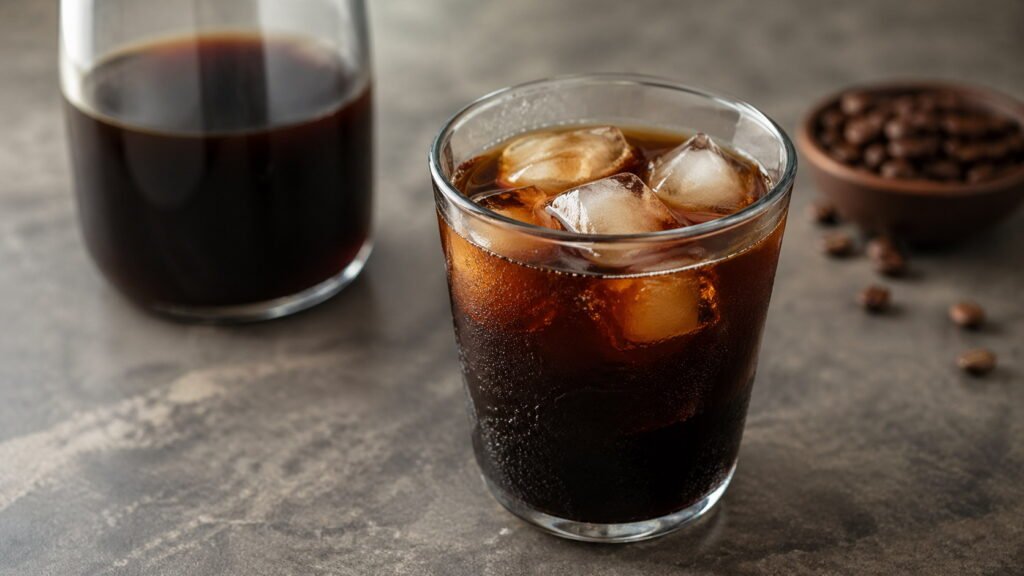
How Much Caffeine Is in 8 oz Cold Brew? (Quick Answer + Range)
There’s no single number for caffeine in cold brew, but here’s a realistic range:
- Typical 8 oz cold brew (ready-to-drink): 100–200 mg caffeine
- Stronger brews or concentrates (less diluted): 200–300+ mg caffeine
To put that into perspective, most healthy adults are advised to stay under 400 mg of caffeine per day. One strong 8 oz cold brew could already get you halfway there—or more.
Quick Comparison Table
| Drink Type | Serving Size | Average Caffeine |
| Cold Brew | 8 oz | 100–200 mg |
| Drip Coffee | 8 oz | 80–120 mg |
| Espresso (1 shot) | 1 oz | 60–75 mg |
Even on the lower end, 8 oz cold brew caffeine is usually higher than regular drip coffee, especially when brewed strong.
Key takeaway: An 8 oz cold brew can be anywhere from moderately strong to extremely potent, depending on how it’s made.
What Determines Caffeine in 8 oz Cold Brew Coffee?
Not all cold brew is created equal. Several variables can drastically change how much caffeine ends up in your cup.
Coffee-to-Water Ratio (The Biggest Factor)
This is where most of the variation comes from.
- Standard ratio (1:8 to 1:10): Balanced caffeine
- Strong ratio (1:4 to 1:6): Much higher caffeine (often used for concentrate)
If you’re drinking cold brew that hasn’t been diluted properly, your caffeine intake can double without you realizing it.
Bean Type: Arabica vs Robusta
- Arabica beans: Lower caffeine, smoother flavor
- Robusta beans: Nearly double the caffeine, more bitter
Most specialty cold brews use Arabica, but some blends include Robusta for an extra kick.
Grind Size and Extraction Time
Cold brew typically uses a coarse grind, which slows extraction—but the long steep time makes up for it.
- Shorter brew (12 hours): Slightly lower caffeine
- Longer brew (18–24 hours): More complete extraction
Brewing Method
Different methods influence strength:
- Immersion (jar or French press): Full extraction, often stronger
- Slow drip cold brew towers: Cleaner taste, sometimes lighter caffeine
Key takeaway: Caffeine in 8 oz cold brew isn’t fixed—it’s shaped by ratios, beans, and brew time. Small changes can make a big difference.
8 oz Cold Brew vs Regular Coffee: Caffeine Breakdown
At first glance, cold brew and regular coffee seem similar—but their caffeine profiles tell a different story. The confusion usually comes from comparing flavor intensity vs actual caffeine content.
Cold brew tastes smoother because it’s less acidic, but that doesn’t mean it’s weaker.
Side-by-Side Comparison
| Coffee Type | Serving Size | Average Caffeine | Taste Profile |
| Cold Brew | 8 oz | 100–200 mg | Smooth, low acidity |
| Drip Coffee | 8 oz | 80–120 mg | Balanced, slightly acidic |
| Iced Coffee | 8 oz | 70–120 mg | Lighter, more diluted |
Cold brew often wins in caffeine because of its higher coffee-to-water ratio and long extraction time. Even when diluted, it typically lands above standard drip coffee.
Why Cold Brew Feels Stronger (Even When It Tastes Mild)
- Lower acidity masks bitterness
- Higher concentration increases caffeine density
- Served cold, making it easier to drink quickly
Key takeaway: When comparing equal serving sizes, 8 oz cold brew caffeine is usually stronger than regular coffee—even if it doesn’t taste like it.
Is 8 oz Cold Brew Stronger Than Espresso Shots?
This is where things get interesting. Espresso has a reputation for being the strongest coffee—but that depends on how you measure it.
Per Ounce vs Per Serving
- Espresso (1 oz): ~60–75 mg caffeine
- Cold brew (1 oz): ~12–25 mg caffeine (varies widely)
Per ounce, espresso is much more concentrated. But nobody drinks just 1 oz of cold brew.
Real-World Comparison
- Single espresso shot (1 oz): 60–75 mg
- Double espresso (2 oz): 120–150 mg
- 8 oz cold brew: 100–200+ mg
In many cases, a full 8 oz cold brew delivers as much or more caffeine than a double shot of espresso.
When Cold Brew Wins
Cold brew becomes the stronger option when:
- It’s brewed as a concentrate and lightly diluted
- You drink a full 8 oz serving (or more)
- It uses high-caffeine beans like Robusta
Key takeaway: Espresso is stronger per sip, but 8 oz cold brew often delivers more total caffeine per serving.
Popular Coffee Brands: 8 oz Cold Brew Caffeine Compared
Store-bought cold brew can be all over the map when it comes to caffeine. Some are carefully balanced, while others are surprisingly intense.
Typical Brand Ranges (Per 8 oz Serving)
- Mild ready-to-drink bottles: 90–140 mg
- Standard cold brew brands: 140–200 mg
- High-strength or concentrate-based drinks: 200–300+ mg
Why Brand Caffeine Levels Vary So Much
Several factors explain the inconsistency:
- Concentrate vs ready-to-drink: Some brands sell undiluted or lightly diluted versions
- Different bean blends: Higher Robusta content increases caffeine
- Serving size tricks: A bottle may look like one serving but actually contain two
What to Look for on the Label
To avoid surprises, check:
- “Concentrate” wording (means you should dilute it)
- Caffeine content per serving vs per bottle
- Suggested dilution ratios
Key takeaway: Not all cold brew is equal—an 8 oz serving from one brand can have twice the caffeine of another.
If you want consistency, making your own cold brew at home gives you full control over strength and flavor.
How to Control Caffeine in Your 8 oz Cold Brew at Home
One of the biggest advantages of making cold brew yourself is control. You decide how strong—or how smooth—your 8 oz cold brew caffeine level will be.
Dial In Your Coffee-to-Water Ratio
Start here, because it has the biggest impact:
- Milder brew: 1:10 ratio (1 part coffee to 10 parts water)
- Balanced brew: 1:8 ratio
- Strong concentrate: 1:4 to 1:6 ratio
If you’re brewing concentrate, always dilute before drinking. A simple 1:1 mix with water or milk brings it back to a drinkable strength.
Adjust Brew Time Without Overdoing It
Cold brew needs time, but more isn’t always better.
- 12–14 hours: Lighter caffeine, brighter flavor
- 16–18 hours: Balanced extraction
- 20–24 hours: Maximum strength and body
Going beyond 24 hours won’t dramatically increase caffeine, but it can make the flavor flat or overly heavy.
Choose the Right Beans for Your Goal
- Lower caffeine: 100% Arabica beans
- Higher caffeine: Blends with Robusta
- Flavor tip: Medium to dark roast enhances that classic smooth cold brew taste
Pro Tips for Better Control
- Use a coarse grind (like raw sugar) to avoid over-extraction
- Always measure your coffee—don’t eyeball it
- Taste after dilution and adjust gradually
Key takeaway: Small tweaks in ratio, time, and beans can significantly change your 8 oz cold brew caffeine—so experiment until it matches your preference.
Does Cold Brew Extract More Caffeine Than Hot Coffee?
This question comes up a lot, and the answer isn’t as simple as yes or no.
Hot water extracts caffeine faster, but cold brew uses time instead of heat. Over 12–24 hours, cold water can pull out a comparable—or even higher—amount of caffeine depending on the ratio.
The Science in Simple Terms
- Hot brewing: High temperature = fast extraction
- Cold brewing: Lower temperature = slower extraction, longer contact time
Caffeine is actually very soluble, so both methods can extract plenty of it. What really changes the outcome is how much coffee you use.
Where the Myth Comes From
People often think cold brew is stronger because:
- It’s brewed with more coffee grounds
- It’s sometimes consumed as a concentrate
- The smooth taste hides intensity
In controlled conditions (same ratio, same beans), hot coffee and cold brew can have similar caffeine levels.
Key takeaway: Cold brew doesn’t automatically extract more caffeine—its strength usually comes from higher coffee ratios and longer steeping.
Who Should Be Careful With 8 oz Cold Brew Caffeine?
Cold brew can sneak up on you. That smooth, low-acid taste makes it easy to drink quickly, which increases the risk of overdoing caffeine.
People More Sensitive to Caffeine
- Those who experience jitters, anxiety, or rapid heartbeat
- Individuals with low caffeine tolerance
- Anyone prone to caffeine crashes
Timing Matters More Than You Think
Caffeine stays in your system for hours.
- Drinking cold brew late in the day can disrupt sleep
- Even afternoon servings may affect sensitive individuals
Special Considerations
- Pregnant individuals: Often advised to limit caffeine intake
- Daily coffee drinkers: May unintentionally exceed safe limits with strong cold brew
- Hidden intake: Combining cold brew with energy drinks or tea adds up quickly
Watch for Overconsumption Signals
- Restlessness or shakiness
- Headaches or dehydration
- Trouble focusing despite high caffeine
Key takeaway: An 8 oz cold brew can be deceptively strong—know your limits and adjust your intake accordingly.
Signs Your Cold Brew Is Too Strong
Sometimes the issue isn’t how much you drink—it’s how strong your brew actually is. An overly concentrated cold brew can hit hard, even in a small 8 oz serving.
Physical Signs You’ve Overdone It
Your body usually tells you first:
- Jitters or shaky hands
- Racing heartbeat
- Sudden anxiety or restlessness
- Energy spike followed by a crash
These are classic signs that your 8 oz cold brew caffeine level is higher than your tolerance.
Flavor Clues in the Cup
Taste can also reveal strength issues:
- Overly intense, heavy body
- Lingering bitterness (even in cold brew)
- Almost syrupy texture (common with concentrates)
A well-balanced cold brew should taste smooth and refreshing—not overwhelming.
Quick Fixes to Tone It Down
- Add water or ice to dilute
- Mix with milk or plant-based alternatives
- Serve over a larger volume of ice for gradual dilution
Key takeaway: If your cold brew feels too intense physically or tastes overly heavy, it’s likely too concentrated—not just “strong.”
Tips to Enjoy 8 oz Cold Brew Without Overdoing It
Cold brew should feel energizing, not overwhelming. A few simple habits can help you enjoy it without crossing your caffeine limit.
Start With Smaller Servings
Instead of jumping straight to 8 oz, try:
- 4–6 oz for a lighter boost
- Gradually increase based on how you feel
Dilute Smartly for Balance
Even strong cold brew can be adjusted:
- 1:1 ratio with water for a cleaner taste
- Add milk for a smoother, less intense profile
- Use ice to naturally mellow strength over time
Time Your Caffeine Intake
- Best consumed in the morning or early afternoon
- Avoid drinking within 6–8 hours of bedtime
Pair With Food
Drinking cold brew on an empty stomach can amplify its effects.
- Pair with breakfast or a light snack
- Helps reduce jitters and improves energy stability
Key takeaway: Enjoying 8 oz cold brew is all about balance—control the strength, timing, and serving size for the best experience.
FAQ: 8 oz Cold Brew Caffeine Questions Answered
How much caffeine is too much in cold brew?
For most adults, staying under 400 mg per day is considered safe. A strong 8 oz cold brew can contain up to half of that, so moderation matters.
Is cold brew stronger than regular coffee in caffeine?
Often yes, especially when brewed as a concentrate or with a higher coffee-to-water ratio. However, properly diluted cold brew can be similar to drip coffee.
Can you dilute cold brew after brewing?
Yes, and it’s recommended if you’re working with a concentrate. Adding water, milk, or ice helps balance both flavor and caffeine.
What grind size is best for controlling caffeine in cold brew?
A coarse grind is ideal. It ensures even extraction over long brew times without over-extracting unwanted bitterness.
Does longer brewing always mean more caffeine?
Up to a point. Most caffeine is extracted within 12–18 hours. Extending beyond 24 hours won’t significantly increase caffeine but may affect flavor.
Why does cold brew feel stronger than it tastes?
Its low acidity and smooth profile mask bitterness, making it easier to drink quickly—even when caffeine levels are high.
For deeper brewing standards and coffee science, you can explore guidelines from the Specialty Coffee Association: https://sca.coffee
Final Take: Is 8 oz Cold Brew Too Much or Just Right?
An 8 oz cold brew caffeine serving can be perfectly fine—or surprisingly intense. It all depends on how it’s brewed, diluted, and consumed.
Understanding your ratios, choosing the right beans, and paying attention to your body makes all the difference. Cold brew isn’t just about smooth flavor—it’s about dialing in a strength that works for you.
Try experimenting with your next batch: adjust the ratio, tweak the brew time, or dilute it differently. You might find your ideal cup isn’t just smoother—it’s smarter too.

Meet Suzee Amelia, the creative voice behind this space—a blog dedicated to exploring coffee culture, lifestyle insights, and everyday inspiration. With a passion for discovering rich flavors and sharing practical tips, Sophie Langford brings a thoughtful and engaging approach to every post.
